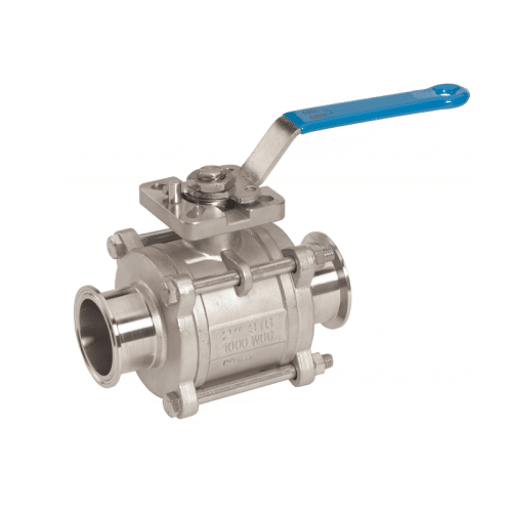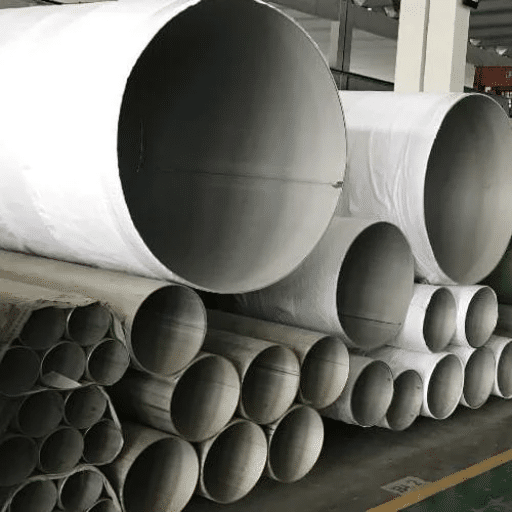
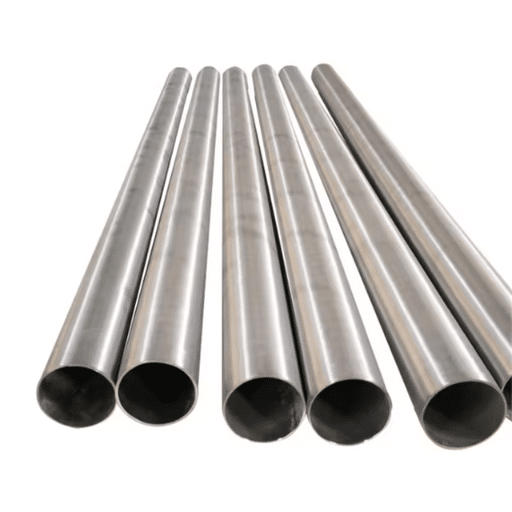
Stainless steel piping systems function as essential components which support multiple commercial and industrial sectors that include construction and manufacturing and food processing and chemical handling. The stainless steel Schedule 10 (Sch 10) pipe functions as the most adaptable piping option which provides affordable yet dependable performance among the various pipe specifications. The optimal selection for your application needs requires understanding the differences which exist between welded and seamless Schedule 10 pipes.
Definition of Stainless Steel Sch 10 Pipe
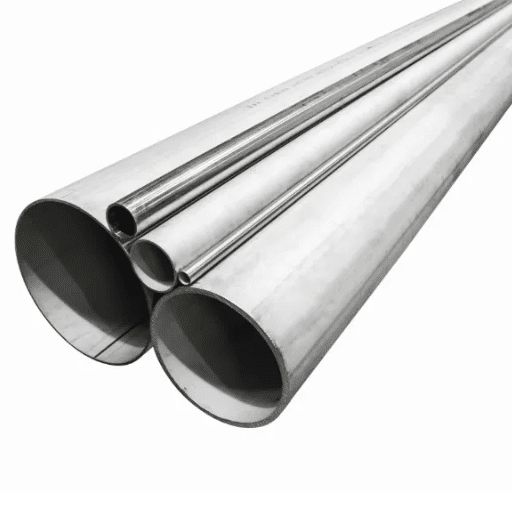
Schedule 10 Pipe: Overview and Classification
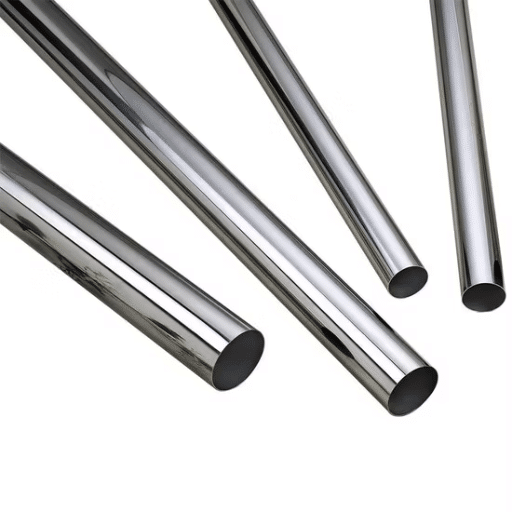
The pipe wall thickness standard established by American National Standards Institute and American Society of Mechanical Engineers defines Schedule 10 pipe as a specific category of piping. Schedule 10 stainless steel pipe presents an ideal solution for lightweight handling because its thin wall structure provides the needed strength to maintain its form.
Primary Applications: Schedule 10 pipes originated as low-pressure and moderate-temperature systems which now serve food processing operations chemical handling tasks water distribution networks and multiple industrial applications. The stainless steel construction of these pipes which have thinner walls than higher schedule classifications delivers exceptional corrosion resistance which makes them suitable for use in hygiene-critical environments and safety-sensitive settings.
Welded vs. Seamless: Manufacturing Methods
The manufacturing process fundamentally distinguishes welded and seamless pipes, impacting their performance characteristics and application suitability:
| Feature | Welded Pipes | Seamless Pipes |
|---|---|---|
| Manufacturing Process | Plate/strip rolled into cylinder, welded along seam (straight or spiral) | Solid cylindrical billet pierced to create hollow center |
| Cost Efficiency | More economical, lower production costs | Higher cost due to advanced manufacturing |
| Pressure Ratings | Low to moderate pressure applications | High-pressure, high-temperature environments |
| Structural Integrity | Potential weak point at weld seam (minimized with modern techniques) | Uniform strength throughout, no weak seams |
| Best Applications | Water distribution, HVAC, structural support | Oil & gas, aerospace, heavy equipment manufacturing |
Modern Welding Advancements: The current state of welding technology has reached its present level because modern welding techniques create better welding results which include complete protection against leakage and joint failure for typical uses. The project requirements determine which method to use between welded and seamless because it depends on budget limits, needed pressure, operating temperature, and required material properties.
Understanding ASTM A312 Standards
The ASTM A312 standard describes the requirements for austenitic stainless steel pipe which must be manufactured using seamless and welded methods while undergoing extensive cold working to meet high-temperature service and corrosive environments. The complete standard applies to all of the following elements.
- Manufacturing processes and quality control procedures
- Dimensional specifications including diameter tolerances and wall thickness
- Material properties and chemical composition requirements
- Testing requirements including tensile strength, hardness, and corrosion resistance
Common ASTM A312 Grades:
- Grade 304: General-purpose austenitic stainless steel with excellent corrosion resistance
- Grade 316: Enhanced corrosion resistance with molybdenum addition for marine and chemical applications
- Grade 321: Stabilized grade for high-temperature resistance and durability
Key Characteristics of Schedule 10 Stainless Steel Pipe

Material Composition
Stainless steel Sch 10 pipes are manufactured from premium-grade stainless steel alloys, with Grades 304 and 316 being the most prevalent options:
| Grade | Chromium (%) | Nickel (%) | Molybdenum (%) | Primary Applications |
|---|---|---|---|---|
| 304 | 18% | 8% | – | General-purpose, food processing, architectural |
| 316 | 16-18% | 10-14% | 2-3% | Marine environments, chemical processing, chloride exposure |
Both grades comply with ASTM, ASME, and international standards. Selection depends on operational factors including chemical exposure, temperature extremes, and mechanical stress requirements.
Dimensions and Specifications
Schedule 10 pipes are characterized by their thin walls and lighter weight compared to higher schedule classifications. Standard dimensions include:
| Nominal Pipe Size (NPS) | Outside Diameter (OD) | Wall Thickness | Weight Characteristics |
|---|---|---|---|
| 1 inch | 1.315 inches | 0.109 inches | Lightweight, easy handling |
| 2 inch | 2.375 inches | 0.154 inches | Standard for distribution systems |
| 4 inch | 4.500 inches | 0.237 inches | Industrial process applications |
Important Note: These dimensions conform to standard specifications. Sch 10 pipes excel in applications where moderate pressure levels prevail and weight reduction is beneficial for installation efficiency and corrosion prevention. Always consult ASME B36.19 or applicable standards for precise specifications and compatibility verification.
Pressure Ratings and Safety Factors
The pressure ratings of Schedule 10 pipes depend on three factors which include the material used and the temperature during operation and the specific use of the pipe. Sch 10 pipes have thinner walls which makes them suitable for low-pressure systems while pipes with higher schedules such as 40 and 80 can bear more than double that stress.
Typical Pressure Range:
Standard Schedule 10 stainless steel pipes typically operate within 150-200 PSI working pressure ranges. Actual ratings vary based on pipe diameter, material grade (304 vs. 316), and service temperature.
Critical Reference: Always consult applicable design codes such as ASME B31.1 (Power Piping) or B31.3 (Process Piping) for accurate pressure ratings. The system design requires you to include safety factors which are necessary to handle the specific operational conditions of your system.
Common Applications of Stainless Steel Sch 10 Pipe

Industrial Applications
Stainless steel Sch 10 pipes serve critical functions across diverse industrial sectors because of their three properties which include their ability to withstand damage their ability to resist corrosion and their cost-effective performance.
Chemical Processing
Transport of corrosive chemicals and reactive substances where material integrity is paramount. The system maintains operational safety because it can withstand all chemical degradation processes.
Power Generation
The system functions in both boilers and heat exchangers because they require both thermal stability and pressure tolerance. The system maintains its operational capacity at high temperature conditions.
Oil & Gas Industry
Residential and Commercial Applications
The residential and commercial sectors increasingly adopt Schedule 10 stainless steel pipes for their superior durability and cost-effectiveness:
- Plumbing Systems: Efficient water distribution networks in residential buildings, which provide extended operational capacity through their design for minimal upkeep needs, sustain their water supply throughout their entire operational life.
- HVAC Applications: Systems use temperature control equipment which maintains operational efficiency through its ability to withstand repeated thermal cycle processes.
- Fire Suppression: The essential safety systems in commercial buildings and multiple story structures need to function properly at all times because they deal with high-stakes safety situations.
- Architectural Features: The design elements of buildings include structural components and decorative features which combine to create visually appealing elements with strong structural integrity and resistance to corrosion.
Market Trend: The construction industry shows increasing interest in stainless steel piping because current industry data shows that stainless steel pipes provide better value than other options. The building codes demand Schedule 10 pipes to meet all requirements while their lightweight design makes installation easier and their material expenses decrease.
Food and Beverage Industry Standards
The food and beverage sector establishes strict material selection standards which first seek to achieve hygienic conditions and safe operations and to meet all applicable legal requirements. Schedule 10 stainless steel pipes meet these demanding requirements:
Regulatory Compliance Framework:
- FDA Food Safety Modernization Act (FSMA): Ensures preventive controls and supply chain integrity
- HACCP Principles: Hazard Analysis and Critical Control Points implementation for contamination prevention
- 3-A Sanitary Standards: Equipment design requirements for dairy and food processing applications
Advantages of Using Stainless Steel Sch 10 Pipe

Superior Corrosion Resistance and Durability
One of the most compelling advantages of stainless steel Sch 10 pipe lies in its exceptional corrosion resistance. The chromium-enriched composition forms a passive oxide layer that protects against:
⚡ Oxidation and rust formation
💧 Moisture and humidity exposure
🔬 Chemical corrosion
🌡️ High-temperature degradation
Industry analysis confirms that Sch 10 stainless steel pipes maintain structural integrity in aggressive environments, particularly valuable in food processing, pharmaceutical manufacturing, and chemical transport applications. This durability translates to reduced maintenance costs, extended service life, and enhanced operational reliability—critical factors for industries prioritizing hygiene and cleanliness.
Long-Term Cost Effectiveness
While initial acquisition costs for stainless steel Sch 10 pipes may exceed alternative materials, comprehensive total cost of ownership analysis reveals significant long-term economic advantages:
| Cost Factor | Traditional Materials | Stainless Steel Sch 10 |
|---|---|---|
| Initial Investment | Lower upfront cost | Higher initial expense |
| Maintenance Frequency | Regular repairs required | Minimal maintenance needs |
| Service Lifespan | 10-15 years typical | 25+ years expected |
| Replacement Cycles | Multiple replacements | Single installation |
| Total Cost of Ownership | Higher over lifecycle | Lower long-term investment |
The combination of extended longevity, hygienic properties, and operational cost savings makes stainless steel Sch 10 pipes an attractive investment for organizations seeking maximum long-term value and reduced lifecycle expenses.
Simplified Fabrication and Installation
Stainless steel Sch 10 pipes deliver superior workability which allows for quick installation across multiple industrial and commercial applications:
Installation Advantages:
- Lightweight Construction: The design requires less material which results in easier movement and setup for workers while decreasing their total work time
- Excellent Machinability: The material can be cut quickly and it can be shaped into precise configurations without using any special tools
- Welding Compatibility: The system supports current welding methods which combine TIG and MIG processes to enable quick production work
- Standardized Dimensions: The system uses universal sizing which allows for easy installation with current systems and compatible components
- Reduced Labor Costs: The project costs decrease because workers complete their tasks more quickly which enables the project to finish ahead of schedule
The advantages of these fabrication methods improve project efficiency because they shorten project completion time and decrease labor costs for multiple industrial applications.
Maintenance Tips for Stainless Steel Pipes

Regular Cleaning and Inspection Protocols
The establishment of systematic cleaning and inspection protocols serves as the essential requirement for sustaining peak performance while extending equipment operational duration.
Recommended Maintenance Schedule:
- Visual Inspection: Regular pipe inspection should check for color changes and surface damage and any unusual material buildup which could indicate beginning corrosion.
- Routine Cleaning: The pipe surfaces should be cleaned using warm water and mild soap to eliminate all oil and dust and other contaminants.
- Stubborn Residue Removal: The persistent stains should be removed through the use of specialized stainless steel cleaners and soft polishing compounds which should not involve abrasive materials.
- Non-Metallic Tools: Cleaning operations should use soft cloths and non-metallic brushes to protect surfaces from scratching.
The research demonstrates that maintenance practices which organizations implement reduce their total repair expenses while extending the operational life of their equipment across all types of environments and industrial settings.
Corrosion Prevention Strategies
Preventing corrosion requires both proactive measures and regular monitoring:
Surface Cleanliness
Maintain pipes free from salt, industrial deposits, and contaminants that accelerate corrosion processes
Protective Coatings
Apply corrosion-inhibiting layers where applicable to shield surfaces from aggressive environmental exposure
Grade Selection
Choose appropriate stainless steel grades matched to specific environmental conditions and chemical exposures
Timely Inspections
Conduct regular assessments to detect early-stage damage and implement corrective actions before extensive deterioration
Integrating these preventive strategies with advanced corrosion-resistant technologies ensures extended service life and maintains manufacturer warranties on stainless steel pipe systems.
Repair Methods for Damaged Pipes
When damage occurs, several proven repair methodologies can restore pipe functionality:
| Repair Method | Application | Advantages |
|---|---|---|
| Welding Repair | Major damage, structural breaches | Permanent solution, restores full pressure capacity |
| Epoxy Sealants | Small pinholes, minor cracks | Quick application, no heat required |
| Pipe Clamps/Sleeves | Temporary leak control | Immediate leak stoppage, minimal downtime |
| CIPP Relining | Enclosed areas, extensive damage | Trenchless repair, minimal excavation |
Advanced Diagnostic Techniques:
Utilize ultrasonic testing or radiographic inspection to assess damage extent accurately before selecting repair methodology. Combining conventional techniques with modern innovations extends pipe service life while minimizing repair costs and operational downtime.
Frequently Asked Questions
What are typical sizes and dimensions for Schedule 10 stainless steel pipes?
The dimensions of Schedule 10 stainless steel pipes become established through their nominal pipe size as well as their schedule designation. Sch 10 features thinner walls compared to higher schedules. Standard dimension tables specify nominal size, outside diameter (OD), and wall thickness. A 1-inch NPS Schedule 10 pipe operates with a specific OD which has lower wall thickness than Schedule 40 and 80 pipes. The installation process requires confirmation of pipe dimensions and OD measurements to achieve accurate material quantity calculations and proper fitting and flange compatibility. The choice between grade 304 and 304L grade selection depends on the required finish standards and the specific application needs which include corrosive environments and sanitary pipeline systems. Suppliers need to confirm product availability along with quantity details and stock length information because lead times will differ.
How do 304 and 304L grades compare in Schedule 10 stainless steel pipes?
Both 304 and 304L are austenitic stainless steel grades which provide high protection against corrosion. The primary difference: 304L contains lower carbon content which prevents carbide precipitation that occurs during welding (sensitization). The mechanical strength of Schedule 10 decreases because its wall thickness is thinner than that of heavier schedules, thus requiring engineers to test allowable stresses according to design specifications. The welding of pipework which might undergo heat treatment requires 304L as the better choice because it prevents sensitization, while 304 offers only a small increase in strength. The evaluation of capacity and pressure ratings for Sch 10 pipes requires product size and acceptable stress levels to be taken into account. 304L provides wider availability than other grades because its supply network extends throughout most areas. The planning of purchases needs to consider delivery terms which include both transportation costs and minimum order requirements.
Should I choose seamless or welded pipe for my Schedule 10 stainless steel project?
The production process creates two main types of pipes which consist of seamless pipes produced through hot-rolling solid round stock and welded pipes created through rolling plate or strip and welding their joints. Seamless pipes deliver superior surface smoothness and material performance consistency which makes them essential for applications that involve high-pressure or cyclic loading. The welded pipe system provides two advantages which include lower costs and better access to high-volume production. The manufacturing process needs to measure pipe dimensions and surface finish requirements because it determines the available finishing methods and outer diameter specifications which manufacturers must use. Pressurized systems at high demanding applications need to use seamless stainless steel pipes which provide polished finishes and welded joints without defects. The evaluation process requires you to assess three factors which include cost and production capacity and shipping schedules. The system needs to use shipping information and supply conditions to assess whether the organization can get its needed materials within specific timeframes.
What factors affect the cost and delivery time for Schedule 10 stainless steel pipes?
The process of determining prices requires consideration of multiple factors which include the stainless steel grade (304 vs. 304L) and the fabrication method (seamless vs. welded) and the schedule designation. The unit prices rise according to the specifications of quantity and length and finish specifications which include pickled and annealed and polished products—customers who buy larger quantities or standard stock sizes generally receive better pricing. The time required for delivery depends on the inventory levels of the supplier and the shipping method that they use. The use of expedited options such as air shipment results in faster delivery times but it raises expenses. The delivery charges and supply capacity and schedules for specific Sch 10 pipe sizes need to be requested through detailed quotes which will confirm the availability of the items required for picking. The matching of OD and wall thickness specifications with piping system requirements needs to be verified in order to prevent expensive procurement mistakes.
How do I calculate the quantity and length needed for a 304 stainless steel Schedule 10 pipe project?
Create total run length calculation by adding extra pipe requirements for every fitting and bend and waste material distribution. The required pieces will be determined through division of total material needs by stock length. Standard stock lengths are available from most suppliers but they provide custom cutting services at higher prices which will decrease labor needs at the work site. The assessment of Schedule 10 pipes requires evaluation of both wall thickness and outer diameter to determine their transportation and installation weight. The project needs to establish which grade between 304 and 304L must be used because welding and corrosion protection requirements determine both material availability and pricing. Order scheduling must include supplier delivery times and their enforced minimum order quantities.
What are the common applications for Schedule 10 stainless steel pipe and which finish is recommended?
The Schedule 10 stainless steel pipes provide multiple uses which include their application in low and medium pressure pipelines and their use in instrumentation systems and HVAC systems and their function in construction work. The material’s thin wall construction allows its application in lightweight uses throughout the food processing industry and chemical handling industry and marine systems. The compatibility of fittings depends on schedule and grade specifications. Environmental cleanliness together with aesthetic requirements determine the selection of finishes. Mill finishes provide acceptable performance for multiple applications however sanitary processes require polished finishes. When you need to connect to existing plants and accessories you must check stock levels while validating both internal and external diameter specifications. To achieve effective product recommendations and shipping solutions manufacturers require you to communicate your application purpose together with your desired finish and your capacity requirements.
Reference Sources
An Evaluation of Large Diameter Steel Water Pipelines
University of Texas study comparing performance characteristics of steel water pipelines, including Schedule 10 pipe specifications and applications.
Electrochemical Studies of Microbiologically Influenced Corrosion in Austenitic Stainless Steel Weldments
University of Tennessee thesis examining corrosion mechanisms in AISI Types 304L and 316L Schedule 10 piping systems.
Implementation of American Iron and Steel Provisions
U.S. Environmental Protection Agency documentation discussing regulatory standards for stainless steel pipes, including Schedule 10S specifications.