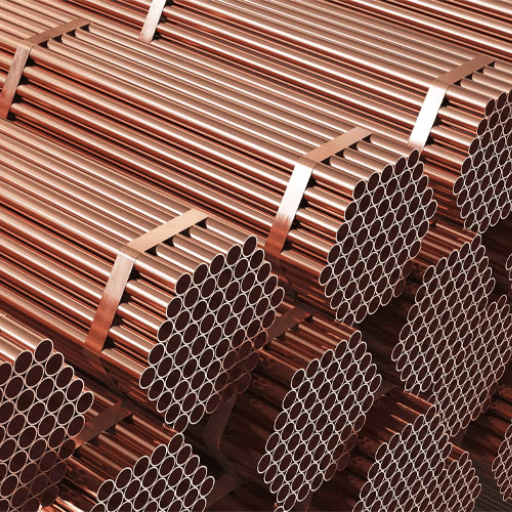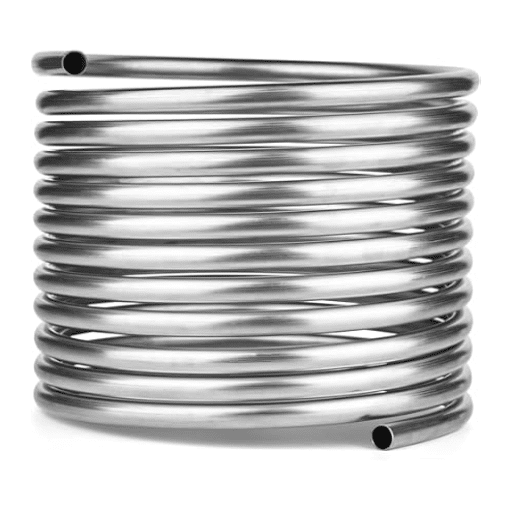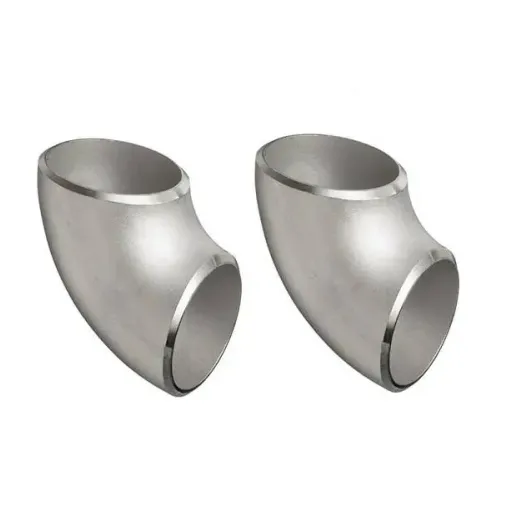
It is certain that the right fittings will be chosen and the whole system of piping will be constructed so that it is reliable, effective, will give optimal performance, and will last long. Particularly the use of 90-degree and 45-degree butt weld fittings stainless-steel weld elbows has become a standard practice because of these fittings’ strength, corrosion resistance, and ability to endure high pressure. The discussion in this article focuses on these fittings, explaining their characteristics, working, and use in various industries. For the professionals dealing with process piping, HVAC systems, or fluid transport networks, the extra info about these fittings will assist them in choosing the right components for their project. Follow us as we compare and contrast the two, reveal their benefits, and share the experts’ opinions on stainless steel welded elbows of 90 degrees and 45 degrees.
Introduction to Stainless Steel Weld Elbows
What Are Weld Elbows?
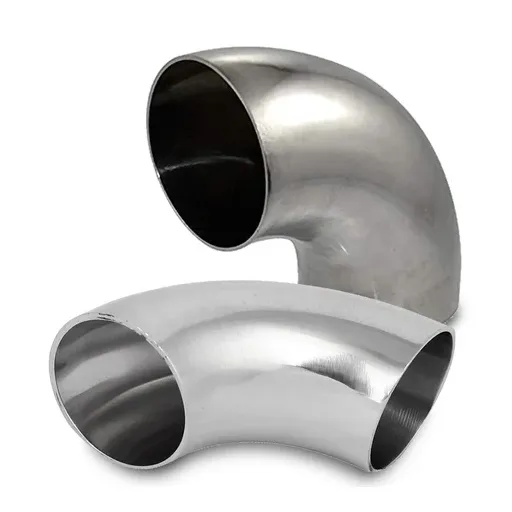
Weld elbows are indispensable pieces in the piping systems, which are purposed to change the fluid or gas flow direction in the piping network. These fittings are made from the highest quality stainless steel, thus their strength, longevity, and resistance to rust are properties that make them well suited for the most extreme conditions of high pressure and temperature as well as in the chemical industry. Weld elbows usually have standard angles, which are mainly 90 degrees and 45 degrees, to work with different piping arrangements. The main task of these nails is to divert the flow without any change being noticed in the system reducing the friction which would otherwise come from changing the direction of the flow. The latest statistics and industry applications confirm that weld elbows are heavily used in the sectors like petrochemical, pharmaceutical, and food processing, where precision and reliability are very critical. Their solid structure and strong weld joint make them the best choice for processes that do not tolerate leaks and are very energy-demanding.
Key Applications:
- Petrochemical processing systems
- Pharmaceutical manufacturing facilities
- Food processing plants
- High-pressure fluid transport networks
Importance of Stainless Steel in Weld Fittings
Stainless steel is the key material in the making of weld fittings and its unparalleled qualities such as corrosion resistance, long-lasting, and strong. The recent search engine data trends show that the industrial application of stainless steel has drawn an increased interest in its performance in extreme conditions. This material is particularly appreciated for its high-temperature tolerance, chemical exposure resistance, and thus the chemical processing, oil and gas, and food and beverage industries have made it indispensable. Moreover, low maintenance and a long service life make it a more cost-effective choice for engineers who want to optimize operational efficiency by minimizing downtime. The adaptability of stainless steel, paired with its non-reactive behavior, allows it to satisfy the strictest hygiene requirements, thus it is a lifesaver in weld materials for such industries as pharmaceuticals and food processing.
✓ Why Choose Stainless Steel?
| Property | Benefit |
|---|---|
| Corrosion Resistance | Withstands harsh chemical environments |
| High Temperature Tolerance | Maintains integrity in extreme heat |
| Low Maintenance | Reduces operational costs over time |
| Hygienic Properties | Meets strict sanitary requirements |
Overview of Common Degrees: 90° and 45° Elbows
When the focus is on the use of weld fittings like elbows, the 90° and 45° elbows are the most commonly used ones. These elements are meant to redirect flow in a pipe system with the particular angle of their position determining the degree of flow deviation. A 90° elbow turns flow at a right angle which makes it necessary in situations where sharp turns are needed, like when there are tight piping arrangements in limited spaces. In contrast, a 45° elbow creates a less abrupt turning, consequently, it leads to a smaller pressure drop and less turbulence inside the system.
The recent data from the search engine shows that there is a burgeoning tendency towards enhancing the efficiency and longevity of the piping systems. The other way around, both 90° and 45° elbows are still highly connected with fluid dynamics and stress analysis, which means they are pivotal in wear prevention and maintaining flow rates. Besides, the enhanced computational simulation has made it possible for engineers to accurately filter the fitting selection process based on the specific operational pressures and flow characteristics. By constructing precise calculations and using high-quality materials like stainless steel, the employment of elbows at 90° and 45° angles is still very crucial for the industrial piping networks’ performance and dependability.
Types of Stainless Steel Weld Elbows
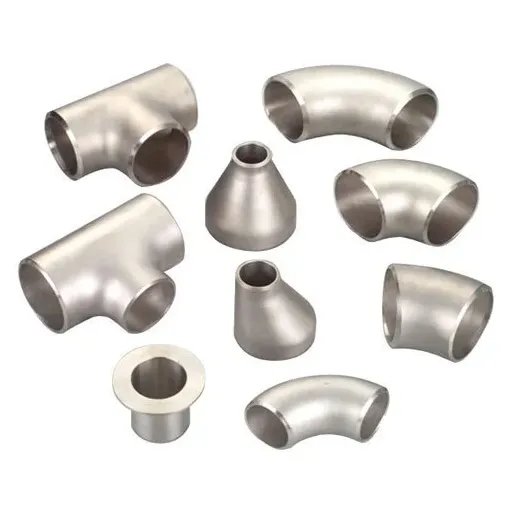
Long Radius vs. Short Radius Elbows
The primary factor that separates long radius (LR) and short radius (SR) elbows is their bend radius and the applications that go along with them. The centerline radius of a long radius elbow is 1.5 times the nominal pipe diameter (1.5D), which aids in providing smoother flow paths, thus causing a drop in pressure and reducing the resistance. In turn, this incorporation of LR elbows is mostly in the systems where lowering turbulence and energy loss is a necessity, like in high-velocity fluid systems or process pipelines.
On the contrary, short radius elbows have a centerline radius equal to the nominal pipe diameter (1D), which makes them more compact and thus more suitable for installation in places with limited space. Anyway, the curvature of SR elbows being tighter would mean that the flow would be more turbulent and there would be higher pressure drop which is not good for all kinds of systems. These are mostly found in low-pressure systems, tight piping layouts, or places where efficiency of flow is not so important as compared to smaller spatial locations.
Comparison: LR vs SR Elbows
| Feature | Long Radius (LR) | Short Radius (SR) |
|---|---|---|
| Centerline Radius | 1.5 × Nominal Pipe Diameter | 1.0 × Nominal Pipe Diameter |
| Pressure Drop | Lower | Higher |
| Flow Turbulence | Minimal | Increased |
| Space Requirement | Larger footprint | Compact design |
| Best Applications | Oil & gas, chemical processing | HVAC, shipbuilding |
Exploring 90 Degree and 45 Degree Elbows
The 90-degree and 45-degree elbows are the two main types of fittings used in the piping systems to cater to the changes in the direction of fluid flow. Learning their use cases and benefits, along with the data-driven trends, reveals that they have become vital in many sectors.
90° Elbow
Function: Sharp directional change at right angle
Best For:
- High-pressure systems
- Compact installations
- Wastewater treatment
- Gas pipelines
45° Elbow
Function: Gradual directional shift
Best For:
- Energy-efficient systems
- Renewable energy plants
- HVAC systems
- Low-turbulence applications
One of the options available is the 90-degree elbow which gives a sharp turn at which the fluid is redirected. It is a common practice to avail of this fitting where a considerable change in the direction is required within a limited length of piping. The data points out that the most frequent inquiries are related to its application in high-pressure systems due to its capacity to absorb large mechanical stress while still allowing for the proper flow distribution. The common areas of use are wastewater treatment plants, gas pipelines, and industrial plumbing systems.
The 45-degree elbow, otherwise, offers a gradual directional shift that decreases flow resistance and hence pressure drop. The recent data shows that there is an increase in the use of 45-degree elbows in renewable energy plants and HVAC systems, which are the industries that, besides others, place a high value on energy efficiency. Their structure supports the fast-moving systems by not allowing the turbulence, rather facilitating the smoother transitions.
Understanding Butt Weld Elbows
Butt weld elbows have become common in the piping systems because of their performance and reliability. The components are shaped so as to connect two pipe sections at some angle and allow for smooth changes in direction while providing support for the entire structure. Recent search data from engines shows that the corrosion-resistant properties and versatility of butt welds have gathered much interest and that they still find their way into the oil and gas, chemicals, and power sectors.
When questioned regarding its pros and cons, butt weld elbows present the main features, e.g., strength enhancement, decreased turbulence, and optimal flow, among others, when compared to other connection methods. This is the reason why they are suited for high-pressure conditions and situations where durability and efficiency play a critical role. Their seamless design implies reduced chances of leakage, thus being especially fit for demanding applications and if one goes along with operational needs then these search trends reveal that butt weld elbows are indeed a reliable solution for intricate piping configurations.
Advantages of Butt Weld Elbows:
- Enhanced Strength: Full-penetration welds create robust connections
- Reduced Turbulence: Smooth internal bore minimizes flow disruption
- Leak Prevention: Seamless design eliminates weak points
- High-Pressure Capability: Suitable for demanding applications
- Versatility: Used across multiple industrial sectors
Manufacturing Process of Weld Fittings
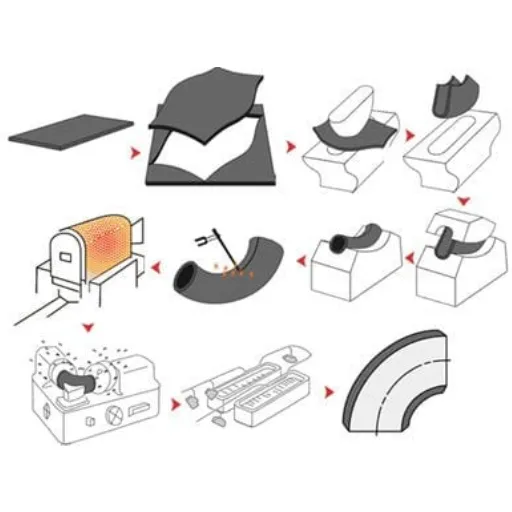
Materials Used in Production
Weld fittings are predominantly formed from top-notch materials that are capable of withstanding the most difficult situations such as high pressure, high temperature, and corrosive environment; also the selection of materials is of prime importance. The principal materials are carbon steel, stainless steel, alloy steel, and nickel-based alloys. Among them all, carbon steel is the winner in terms of being cost-effective, durable, and having the capability of being diverted to other industries apart from welding. On the opposite side, stainless steel flaunts its property of being the most corrosion- and oxidation-resistant material which has made the chemical and food processing industries its main users. By their performance requirements such as the case of petrochemical and nuclear power plants, alloy steel and nickel-based alloys are put in different categories.
| Material Type | Key Properties | Primary Applications |
|---|---|---|
| Carbon Steel | Cost-effective, durable, versatile | General industrial applications |
| Stainless Steel | Corrosion resistant, oxidation resistant | Chemical & food processing |
| Alloy Steel | High-performance, specialized | Petrochemical plants |
| Nickel-Based Alloys | Extreme temperature resistance | Nuclear power facilities |
Quality Control in Manufacturing
Quality control in manufacturing is a pivotal factor that has a direct impact on the quality of the products during their production cycle. The sophisticated methods like statistical process control (SPC) and automated inspection systems make it possible to have the same results consistently by spotting possible faults in real-time. With the upcoming technologies which make use of sensors and AI-driven analytics, manufacturers are now able to achieve the highest levels of accuracy in controlling and measuring key factors like temperature, pressure, and chemical content.
Based on some sources’ search engine trends, the migration to more secure and precise quality controls among different industries is mainly due to the need for compliance with regulations and the consumers’ requirement for the products to be of durable and high-performance quality. The aerospace and pharmaceutical industries are typical examples where very stringent quality assurance procedures must be followed to ensure not only safety but also reliability and compliance with regulations. Furthermore, the combined application of data mining techniques and the Internet of Things (IoT) has been a major factor in speeding up the detection of delays in production which in turn leads to lesser wastage and shorter periods of inactivity. The upgrading of quality control processes has thus revealed their significance not just in realizing production efficiency but also in dealing with sustainability which is a concern of the present-day manufacturing sector.
⚙️ Modern Quality Control Methods:
- Statistical Process Control (SPC): Real-time monitoring for consistency
- Automated Inspection Systems: Immediate fault detection
- AI-Driven Analytics: Precise measurement of critical parameters
- IoT Sensors: Continuous production optimization
- Data Analytics: Identification and elimination of bottlenecks
Understanding Schedule 40 and Other Specifications
Schedule 40 is the standardized wall thickness classification that is mainly applied in piping systems, and it is the most popular one. It is the American National Standards Institute (ANSI) that has set this standard, and it is widely used in the plumbing, building, and manufacturing industries. Schedule 40″ is the name given to the size of the nominal pipe (NPS) along with the wall thickness in relation to pipes made of carbon steel and stainless steel according to the ASME B36.10M and B36.19M standards, respectively. The specification is favored due to its ability to be strong and yet affordable, thus it is very common in cases with both pressure and non-pressure applications.
The comparison of Schedule 40 with other specifications such as Schedule 80 or Schedule 20 reveals differences mainly in wall thickness and pressure capacity. The thicker walls of Schedule 80 pipes indeed increase their capability for higher pressure situations while roads that are thinner and more suited for low-pressure systems or lightweight applications, often in residential buildings, are referred to as Schedule 20. The selection of the most suitable pipe specification is determined by a comprehensive evaluation of the specific requirements of the project including working pressure, temperature, and fluid medium.
| Schedule Type | Wall Thickness | Pressure Capacity | Common Uses |
|---|---|---|---|
| Schedule 20 | Thinnest | Low pressure | Residential installations |
| Schedule 40 | Medium | Medium pressure | General industrial & construction |
| Schedule 80 | Thickest | High pressure | Heavy-duty industrial systems |
Applications of Stainless Steel Weld Elbows
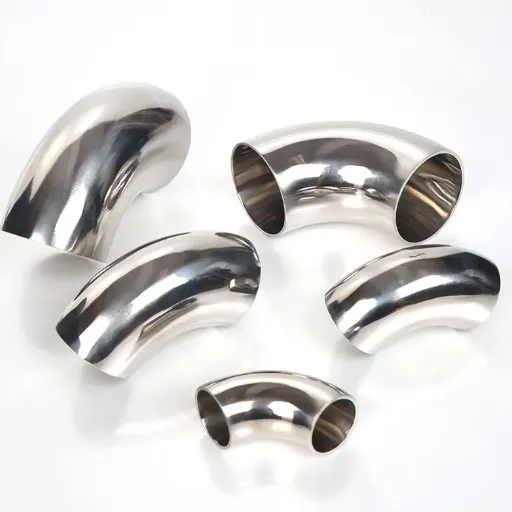
Utilizations in the Petrochemical Industry
The petrochemical industry owes a lot to stainless steel weld elbows, as they are the mainstay for transferring hydrocarbons and other chemical substances with a guarantee of safety and efficiency under very unforgiving conditions. Their use is absolutely necessary in the pipelines, which are the most critical areas where high-pressure and high-temperature operations are there to be done, since corrosion resistance, structural integrity, and durability are the most important factors. Right along with the advancement of metallurgical design and precision in manufacturing, stainless steel weld elbows are now presenting a whole new level of resistance when it comes to the chemical degradation that is caused by the tough environments of refining and processing plants.
The market research reveals that their use is becoming more widespread in areas like crude oil distillation units, catalytic cracking systems, and natural gas processing plants. The search patterns speak of a growing need for the high-alloy stainless steel types such as duplex stainless steel weld elbows due to their remarkable mechanical characteristics and improved resistance to stress corrosion cracking. These components greatly contribute to the prolongation of their operational life, reduction of downtimes, and observance of the strictest regulatory standards governing petrochemical installations.
Petrochemical Applications:
- Crude oil distillation units
- Catalytic cracking systems
- Natural gas processing plants
- Hydrocarbon transport pipelines
- Refining and processing facilities
Applications in Food Processing Facilities
The superior stainless duplex steel weld elbows are the likelier matériel in the processing of foodstuffs. The production of beverages, dairy processing, and the production of seasonings are all cases where handling such corrosive and acidic substances is involved. Recent data and industry trends point out that one major plus for duplex stainless steel is the fact that it can endure rigorous cleaning protocols, which can be the combination of hot water, steam, and disinfectants, without losing its strength. Furthermore, their longevity not only accompanies standard compliance but also remains with the FDA and EU food safety standards. This is why they are the materials of choice for both engineers and manufacturers who seek to simultaneously improve the functional life and safety of food-grade equipment.
Food Processing Benefits:
- Hygienic Properties: Non-reactive surface prevents contamination
- Rigorous Cleaning Tolerance: Withstands hot water, steam, and disinfectants
- Regulatory Compliance: Meets FDA and EU food safety standards
- Longevity: Extended service life in acidic environments
Construction and Plumbing Use Cases
With its outstanding mechanical strength, corrosion resistance, and cost efficiency, duplex stainless steel has become a highly demanded material in construction and plumbing industries. Its tensile strength helps it to be the best component in the structure which includes load-bearing beams and reinforcement bars, and such materials require—being able to bear the great stress without getting deformed—thus coming to the point of attending to the needs of the different sectors of construction. Besides that, it has the superior quality of being so resistant to chloride-induced corrosion that it can easily be used for plumbing systems in places with such high salinity or extreme humidity—like coastal regions or industrial facilities—not to mention being the best possible choice to be used in the construction of such a system.
The latest data reveal a growing need for “durable plumbing materials for residential use”, say the search engine trends, which positively indicates that there is definitely a rising awareness among both engineers and homeowners about the availability of long-lasting, sustainable materials which are environment-friendly. Duplex stainless steel is the solution for such demand by providing a longer service life than that of traditional materials such as carbon steel or standard austenitic stainless steel, hence reducing maintenance costs and resource waste over time. Moreover, its recyclability and compliance with the LEED certification requirements make duplex stainless steel an integral part of modern sustainable construction practices.
Construction & Plumbing Advantages:
- Exceptional Mechanical Strength: Ideal for load-bearing applications
- Chloride Corrosion Resistance: Perfect for coastal and humid environments
- Extended Service Life: Outlasts traditional materials significantly
- Sustainability: Fully recyclable and LEED-compliant
- Cost Efficiency: Lower maintenance costs over time
Choosing the Right Weld Elbow for Your Project
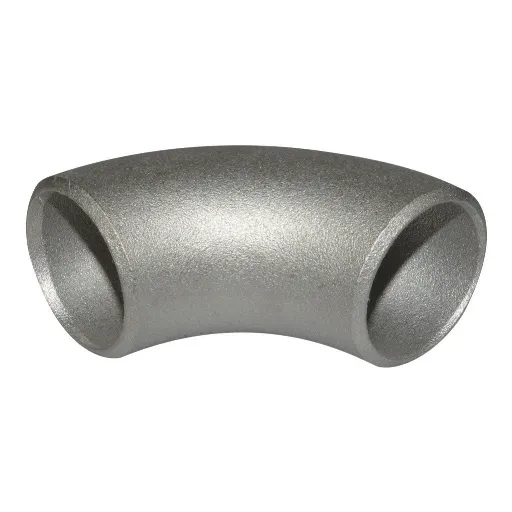
Factors to Consider: Size and Material
Choosing the proper weld elbow for your project is not merely a matter of picking one randomly, but it is essential to adequately reflect on the relationship between the size and material stipulations to avoid the structural failure and to get the best performance. The weld elbow size needs to exactly coincide with the pipe measurements – outer diameter, wall thickness, and bending radius – so as to create a connection that is both secure and fluid-tight. A difference in size can cause pressure fluctuations, leakage, or inefficiency in the system.
The decision on the material is just as important as that of the size. This way, the material should be able to endure the operating conditions which comprise resistance to corrosion, temperature, pressure, and compliance with standards set by the industry. For example, duplex stainless steel is frequently the material of choice in the chemical and marine industry due to its exceptional resistance to corrosion and strength. On the other hand, carbon steel would be adequate for low-pressure applications through less corrosive environments. The most recent information taken from industry reports and search insights confirms that the adoption of the green building concept in the construction industry has a direct correlation to the use of recyclable and durable materials such as stainless steel alloys which is on the rise. Thus, if the engineers prioritize size compatibility and apply advanced materials, then the costs along with safety and adherence to the regulations will be realized.
📋 Selection Checklist:
| Factor | Considerations |
|---|---|
| Pipe Dimensions | Outer diameter, wall thickness, bending radius |
| Operating Conditions | Temperature, pressure, flow characteristics |
| Corrosion Environment | Chemical exposure, salinity, humidity levels |
| Industry Standards | ASTM, ASME, FDA, EU compliance requirements |
| Sustainability Goals | Recyclability, LEED certification, lifecycle costs |
Common Challenges and Solutions
Challenge 1: Material Selection for Corrosive Environments
Problem: Selecting materials that will not be badly affected by the highly corrosive environments is one of the major challenges that engineers have to deal with. The corrosion can lead to premature deaths of the components and at the same time create potential safety hazards and increase the costs of maintenance.
Solution: The reports from the search insights indicate that there is a continuous rise in the interest of stainless steel alloys because of their corrosion resistance. One of these alloys is duplex stainless steel, which gives the strongest combination of the three characteristics necessary for being a good material in the acid or saltwater (especially in high-salinity or chemical-exposure scenarios) experience: strength, durability, and corrosion resistance. Choosing these materials not only help in getting the approvals needed but also lower the costs of operations in the long run.
Challenge 2: Sizing and Compatibility Issues
Problem: Performance reduction, system inefficiencies, and operational failure are among the consequences of improper sizing and incompatibility between components.
Solution: The most recent engineering standards and search trends point out the need for very accurate measurement and strict compliance to standard sizes as the most important factors in this whole process. The use of computer-aided design (CAD) software as well as parametric modeling tools guarantees size accuracy. In addition, referring to the latest international standards and databases within the industry can help the components of a project to be more compatible.
Challenge 3: Sustainability in Material Use
Problem: There has been a noticeable shift in stakeholder demands where the use of sustainable infrastructure is now viewed as a must; hence, the selection of recyclable and eco-friendly materials as the most preferred has become inevitable.
Solution: The analysis of search terms demonstrates that stainless steel is becoming increasingly popular due to its recyclability, long lifespan, and no negative impact on the environment during the processing phase. The consultants are to use life-cycle assessment (LCA) methods to measure the environmental impact of their material choices which would guarantee the meeting of green building certification and standard requirements as well as accomplishing the best possible sustainability results.
Practical Tips for Selection
The recent data from the search engine indicates that there has been a significant increase in interest surrounding the varieties of stainless steel that come with certified eco-friendly credentials, such as those with higher percentages of recycled content. When it comes to selecting materials, it is best if the practitioners can work with alloys that have been certified by recognized sustainability organizations or that are very low carbon footprint. Furthermore, it would be prudent to consider only those materials that are classified under the established environmental product declarations (EPDs) because this not only helps to meet the requirements of the current market but also those of the regulations. Along with LCA results, these certifications can support lowering the environmental impact while at the same time ensuring the required functionality and longevity.
💡 Expert Tips:
- Prioritize alloys with high recycled content percentages
- Look for certifications from recognized sustainability organizations
- Choose materials with low carbon footprint throughout their lifecycle
- Verify Environmental Product Declarations (EPDs) for compliance
- Conduct Life-Cycle Assessment (LCA) before final material selection
- Ensure materials meet both functional and regulatory requirements
Frequently Asked Questions (FAQ)
❓ What is a 90 degree elbow weld elbow 304 stainless?
The 90-degree elbow weld elbow 304 stainless steel is mainly a fusion weld that changes the flow direction in the pipeline. The elbow product description generally indicates whether it is a long or short radius elbow and the resulting outside and inside diameters in inches. Stainless steel 304 is good for most commercial and sanitary applications, yet 316L could be picked for more severe conditions. These elbows are generally produced according to ASTM and given the surface finish specified for sanitary fittings and commercial use. When ordering, be sure to check the sch or schedule to confirm that wall thickness is the same and specify if the elbow is marked as buttweld or butt-weld for welding procedures.
❓ How does a concentric reducer affect the connection of the tube and the selection of the concentric reducer product?
A concentric reducer is used to connect and align the center lines of two pipes or tubes with different outer diameters (OD) in a manner that allows the flow to be smooth and no dead spots are formed. When choosing the product, three main factors need to be taken into account: the material (304 stainless steel is the most common but for best resistance to corrosion 316L can be chosen), the finish required for sanitary fittings, and the future use of the connection (butt-weld or welding to existing piping). The reducer must be with respect to ID and OD, inch sizes and ASTM standards for compatibility to avoid problems with fitting and performance. For hygienic systems, the smoothness and sanitary fittings compliance will play a major role in eliminating the risk of crevice contamination. Thus, verify the schedule (sch) and wall thickness to correspond with system pressure and welding practices.
❓ What is a stainless steel butt weld fitting and what are its applications?
A stainless steel butt weld fitting is a part that is made for the purpose of connecting the ends of pipes or tubes by the process of welding, hence, giving rise to a smooth internal bore and a very strong joint that is able to handle high pressure and even be used in sterile systems. The product description must include the type of material (304 stainless steel or 316L), surface treatment, ASTM specifications that apply, and size including outer and inner diameter in inches. These fittings are mostly used in sanitary and commercial piping where the clean internal surface and full-penetration welds help in minimizing the risk of contamination. Apart from that, the product listing will indicate whether it is for schedule 40 (sch) or any other schedule to ensure the wall thickness compatibility. For flow applications with certain features, long radius elbows or tangent reducers can be opted for to get the lesser pressure drop.
❓ What are the characteristics of a butt weld 90° long radius elbow if you select that type of product, and where are its main applications?
Usually, a 90° butt weld long radius elbow is the best option to go for in order to reduce pressure loss and turbulence to the least possible extent; thus, it is highly recommended for lines carrying additional fluids or slurries. These fittings, for instance, are generally produced from 304 or 316L stainless steel which is suitable for various grades, sanitary or commercial purposes providing the highest corrosion resistance along with cleanability. In order to have no compatibility problems with other pipes, the product description should always include outer diameter, inner diameter, wall thickness (schedule), and finish. Long radius fittings are most favored in the industries of chemicals, HVAC, and sanitary where smooth flow and long lifetimes are the demands. It is always wise to check the applicable ASTM standards and welding methods when pipe fittings are installed.
❓ What sizes and material options elbow 304 stainless and tee configurations of schedule 40 are available?
Fittings elbows and tees made of 304 stainless steel generally have a vast range of inch sizes from small OD tubing to large pipe diameters and to ensure accurate matching many manufacturers give both OD and ID. Schedule 40 (sch 40) is usually the main chosen wall thickness for middle pressure applications, however, other schedules can also be offered based on the pressure ratings and ASTM standard requirements. The finish should be indicated in the fittings description for hygienic applications, whether the part is buttweld or butt-weld, and the compatibility with the commercial piping systems. Hygiene installations require the finish and the internal geometry to be both compliant with sanitary standards in order to cleaning easily. If you are in doubt, always check with the manufacturer’s size charts and welding recommendations to ensure correct matching of elbows and tees.
❓ What are the impacts of the tangent and tube OD on a sanitary 45° weld elbow’s and the connection choice?
The alignment of the tube OD with the adjoining tube, and consequently, the ease of butt-weld connections is influenced by the tangent fittings and the tangent length of an elbow especially in the case of 45° elbows that have less sharp turning to redirect the flow. The specified dimensions for the elbow must correspond with the tube’s OD and ID in order for the weld to be properly made and to retain structural integrity; these dimensions and relevant ASTM references are supplied by the manufacturers in inches. For sanitary purposes, a smooth internal finish and the right buttweld technique are the two important factors leading to the prevention of the occurrence of cracks and crevices where bacteria could be trapped. The material used should also be a significant factor in the decision-making process; many sanitary systems use 304 stainless steel as the material while 316L or high-quality stainless steel may be used in even tougher environments. Product description, finish, and sch should always be rechecked to ensure they are compatible not only with the existing piping but also with the sanitary fittings.
Reference Sources
- Quantifying Variability in Laser Welding of Stainless-Steel Alloy 304
Penn State University Libraries
This research examines the variability in laser welding processes for stainless steel, offering valuable data for welding applications. - The Development of a Curriculum for a College Course in Fabrication for Welders
California State University ScholarWorks
This document discusses educational approaches to welding, including techniques for fitting and fabricating stainless steel components. - Automated Welding Conceptual Study
University of Tennessee TRACE Repository
This study explores automated welding processes, including applications for stainless steel sheet metal and fittings.
Conclusion
Stainless steel weld elbows, particularly 90-degree and 45-degree butt weld fittings, are essential components in the modern piping system of various industries. Its outstanding resistance to corrosion, integrity of structure and versatility have made it the favorite among applications like petrochemical processing, food manufacturing, and construction. It is impossible to overstate the importance of learning the differences between long and short radius elbows, as well as the right material grades and schedule specifications, in order for engineers and project managers to make right decisions that maximize system performance, achieve regulatory compliance, and support sustainability. The ongoing evolution of industries characterized by the imposition of stricter environmental standards and the increasing need for efficiency also highlights the importance of the selection of superior stainless steel weld elbows as the main factor in gaining long-term operational success and reducing the total of lifecycle costs.