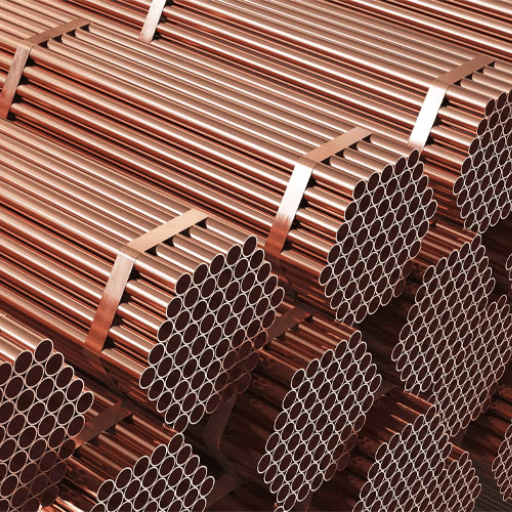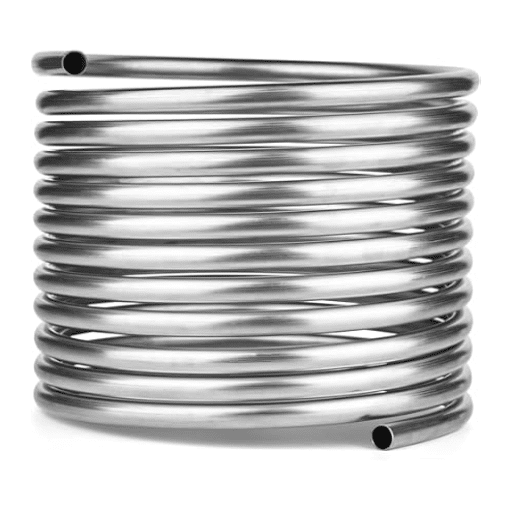
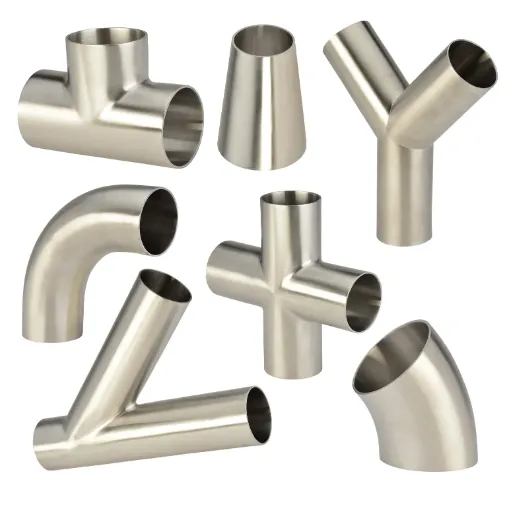
The welded fittings made of stainless steel are indispensable parts of the industrial and commercial applications, having the main function of dealing with the strength, durability, and efficiency of the entire piping systems. In this blog, the author discusses the details of weld fittings in stainless steel to include butt welds, pipes, and fittings so that the readers will have a thorough understanding of their operations, and advantages. It does not matter whether you are an engineer who is designing fluid transfer systems, a retail buyer who is purchasing pivotal components, or just a person who is inquisitive about the infrastructural backbone of modern industries, this posting will provide you with the information necessary to make wise decisions. We will be discussing everything from the technology behind butt-welding to their application in areas with extreme pressure and temperature. Be with us as we reveal the critical factors that render these fittings needed in the industries of oil and gas, construction, etc.
Introduction to Stainless Steel Weld Fittings
What are Weld Fittings?
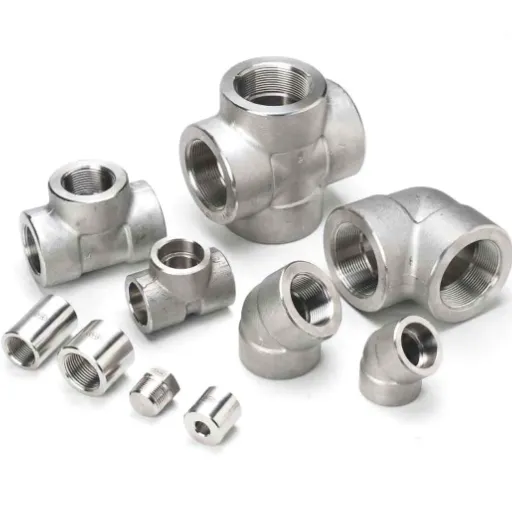
Weld fittings are the basic elements of a piping system that are intended to join, redirect or end the passage of liquids, gases, or any other media. They are made for industrial and commercial use. These types of fittings are designed specifically for welding onto the pipes to make an everlasting, leak-proof connection that can hold up the highest pressures and temperatures. Weld fittings made of stainless steel, carbon steel, or different alloys are created to the high standards of not only these industries but also power generation, petrochemicals, construction, and oil and gas. Recently, butt-weld fittings have become the most searched for type of weld fittings due to their first-rate strength, resistance to corrosion, and perfect pipeline integration along with the seamless production of joints. The careful manufacturing process of these fittings reduces friction and wear, which makes them a trustworthy option for the operation of critical systems over long periods.
Importance of Stainless Steel in Industrial Applications
Stainless steel retains its very important position in industrial applications due to its unique combination of properties, which includes corrosion resistance, strength, durability, and low maintenance. Search data from recently reported searches shows that there has been a growing interest in “stainless steel fittings” searches, which indicates that more and more industries are looking for high-performance materials for critical applications. Food processing, pharmaceuticals, and power production industries extremely depend on the accessibility of stainless steel, as its extreme temperature, chemical, and mechanical stress resistances are unbeatable. Besides, the fact that the material is recyclable is in line with the current sustainability concepts, which also further strengthens the argument of its being the material of choice in the dual requirement of performance and environmental standards. This growing demand is an indicator of the continued focusing on the aspects of efficiency, reliability, and lifecycle cost benefits in the industrial infrastructure.
Overview of Butt Weld and Socket Weld
Among various ways of connecting pipes and fittings in industrial applications, butt weld and socket weld are the two most commonly used methods, each having its own unique features and benefits. Butt welding is the process of welding the ends of two sections of the same pipe together in order to get a seamless connection. This method gives the joint exceptional strength, long life, and the ability not to leak, which in turn makes it the most suitable among others for difficult environments like the inside of a pump for power generation or the likes of chemical process systems. Generally speaking, butt weld is done only on larger diameter pipes and it also consumes more time and requires very skilled welding to ensure the quality and efficiency of the work done.
Contrarily, the Very simple method of pipe connection called socket welding is to insert one end of the pipe into the fitting’s recess, e.g., an elbow or tee, and weld around the junction. This type of weld is not difficult to perform and is mainly for less-than-perfectly-calibrated smaller pipe systems where imprecision and alignment are paramount concerns. In some circumstances, there may not be a lack of pipe welds’ strength compared to socket welds but the latter are still favored for setups with low pressure and temperature requirements because of their simplicity and trustworthiness.
The application, the choice of weld between butt weld and socket weld is guided by. Butt welds, according to recent searches and trends related to the topic, are clearly a preference of the industries that deal with large, critical systems due to their sturdiness and long-term reliability, while on the other hand, socket welds are still popular for smaller-scale projects where their easy installation is a determining factor. Ultimately, the choice comes down to pressure and operating conditions, pipe size, and the cost involved.
Types of Stainless Steel Weld Fittings
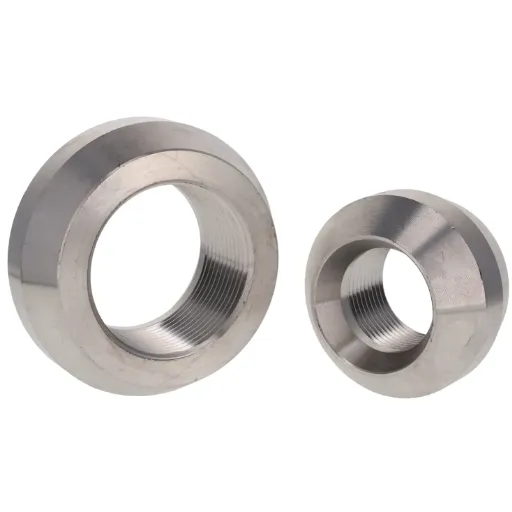
Butt Weld Fittings: Definition and Uses
Butt weld fittings are pipe parts either forged or machined that allow for pipelines being connected in a secure and smooth manner with no leakage or interruptions. The fittings which are welded include elbows, tees, reducers, and caps which are directly thrown onto the pipe system. What happens next is the creation of a continuous, smooth flow path, thereby lowering turbulence and erosion in the running pipeline. The industry that are butt welds use fittings have such qualities as strength, lifespan, and capability of withstanding high pressure and temperatures that are critical places like petrochemical, oil, and gas, and power generating sectors.
search data indicates a steady increase in the number of users asking “what are butt weld pipe fittings?” and “when to use butt weld fittings?” This shows a growing desire to learn about their usefulness and technical benefits. The short answer to these queries is that butt weld fittings are most appropriate for large-size plants where both sturdiness and dependability are prerequisites. Their application in such places is reinforced by the fact that the welded joints give absolute leak-proof sealing making them the most reliable choice in critical industries. They still, though, offer the first choice in thickness and variety of butt weld fittings used in the industries prioritizing long-haul performance despite the initial installation complexity.
Socket Weld Fittings: Characteristics and Applications
Socket weld fittings are mostly used in small-diameter, high-pressure piping systems because of their easy installation and high strength. The fittings consist of placing the pipe into a dent of the fitting and then melting them together, thereby guaranteeing stability and no loss in material’s properties. Most often, they are made out of stainless steel, carbon steel, and alloy steel depending on the temperature and pressure they are supposed to endure.
The newest data shows that socket weld fittings find wide use in chemical processing, oil and gas, power generation, and shipbuilding industries. The main benefit of these fittings is that no matter how hard the operating conditions are, they will provide a joint that is secure and resistant to leaks. Moreover, socket welds are a great choice for systems that do not require frequent disassembly, hence, even maintenance errors that come with disassembly are minimized over time. Online trends reflect the demand for their continued usage where sound structural strength and cost-effectiveness are required in smaller pipelines.
Common Types: Elbows, Tees, and Reducers
Elbows
Elbows are a basic type of socket weld fitting and they are mainly used for changing the direction of flow in the pipeline system. According to the search trends data, elbows are among the most searched fittings which could be the reason behind their application in adjusting the flow direction by angles being the most searched fittings, These parts are typically manufactured in 90 and 45 degrees angles, allowing for a reduction of turbulence and pressure drop, thus, it guarantees an optimal flow rate in systems that operate at high pressure or high temperature.
Tees
Socket weld tees are used in a way that pipelines are branched efficiently allowing the redirection of flow into several conduits. The insights from the search data show a constant interest in tees that is reinforced by their indispensable nature in the HVAC, petrochemical, and water treatment industries. The fittings are designed to not only bear high-stress applications but also remain leak-proof, thus making them a must-have in highly complicated pipeline networks.
Reducers
Reducers serve the purpose of changing pipes’ diameters, being effectively used to manage the flow rate and pressure changes that result from the diameter transition. Recent search data shows the tendency towards concentric and eccentric reducers as the ones that are site-restricted and precise control-oriented in terms of the required fluid dynamics to be optimized and energy losses in pipelines to be minimized. The design ensures a perfectly smooth merging into the industrial system, especially if the system has space constraints or exact control is needed.
In summary, search trends are consistent with the reliance of the industry on these main fittings, which are to a significant extent critical across diverse engineering and processing areas of application.
Grades of Stainless Steel Used in Weld Fittings
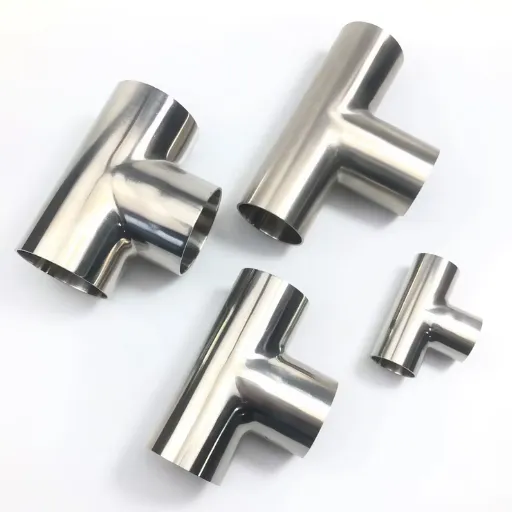
Understanding 304 Stainless Steel
304 austenitic grade stainless still is the number one most used steel for its excellent properties and versatility. It is an alloy that has 18% chromium and 8% nickel in the composition and this makes it very strong and gives it good resistance to rust and other environmental factors. It can be used in many places, non-magnetic, easy to weld, and can withstand high and low temperatures; thus, it is very useful in industries where there are applications such as weld fittings for the food processing industry, and chemical transport, etc.
Over the past few months, search engine trends have indicated a growing interest in stainless steel 304 mainly due to its use in hygiene-sensitive and corrosion-prone applications. The number of queries related to the compatibility of stainless steel 304 with the standards of the pharmaceutical industry and the aerospace sector has increased greatly. This scenario indicates the necessity of materials that can maintain quality and safety in the hardest situations, thus the demand is rising.
Therefore, the question of why 304 stainless steel is so much used has a simple answer: it has a mixture of the right price, easy availability and good material performance. By combining its technical advantages with plasticity in both industrial and consumer sectors, 304 stainless steel has still been the backbone of modern manufacturing and engineering.
Exploring 316L Stainless Steel
316L stainless steel is the version of 316 stainless steel without carbon, which has the exceptional property of resistance against corrosion in a high-chloride environment. This trait makes it apt for use in the areas of seawater, strong industrial chemicals, or where pitting and crevice corrosion are the biggest problems. One of the alloying elements in its chemical composition is molybdenum, which boosts its resistance over 304 stainless steel and thus secures its usage in very harsh conditions.
Medical and pharmaceutical sectors are one important area where the 316L stainless steel is still very much in demand due to the high risk of rust contamination. It is the biocompatibility and the non-reactivity of the 316L that make it possible to use the same for surgical implants, accurate medical equipment and cleanroom construction. The low carbon content results in a lower chance of carbide formation during welding and thus the structural integrity and corrosion resistance of the welded parts become maintained.
Data from ‘s search engine shows that there is a growing interest in “316L stainless steel applications” and “316L vs 304 stainless steel,” which indicates a market trend that is leaned towards knowledge of material selection for specific use cases. People are looking into the benefits of the grade in harsh environments, and comparisons with other grades, pointing to a marketing strategy that is heavily focused on quality, longevity, and top-notch performance.
As a result, 316L stainless steel is always chosen in those sectors where it is required to withstand rough environments and be compliant with strict regulations. Its properties make it both a wide range of applications and a must-have in the case of the development of technology and environmental applications.
Comparative Analysis: 304 vs 316L
Upon comparing 304 stainless steel and 316L stainless steel, it turns out that both have great corrosion resistance and mechanical properties, yet their performance starts to differ when the chemical composition of the two is taken into account. The major distinguishing factor is the presence of molybdenum in 316L which makes it very resistant to pitting and crevice corrosion, especially in chloride-rich environments that include marine or industrial chemical settings.
As per the latest data that is collected either through industry trends or from the resources that are typically indexed by ’s search engine, 304 stainless steel is still a practical choice for most general applications, such as countertops, kitchen equipment, and architectural features, due to its affordability and adequate resistance in low-corrosion places. On the other hand, 316L is found to be less expensive in the long run because of its higher upfront cost but the durability is greater than when exposed to different conditions like pharmaceutical processing, medical devices manufacturing, or offshore, where carbon content is kept low resulting in carbide precipitation during welding to be minimized.
In the end, it is all about choice depending on the atmosphere created by the environment, what is going to be corrosive, and the exact needs of the case. Where financial issues are there but not with regard to the conditions being bad, 304 stainless steel is the way to go. Conversely, if the situation calls for the highest durability and the strongest resistance to extremely harsh conditions, then 316L becomes the go-to material for the assurance of long-term reliability and adherence to the regulatory requirements.
Specifications and Standards for Weld Fittings
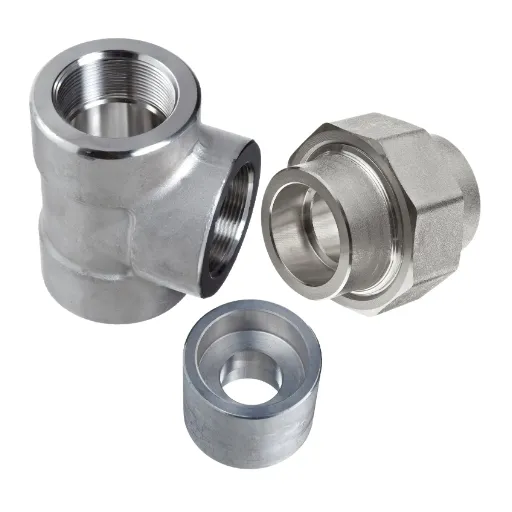
Industry Standards for Stainless Steel Fittings
Stainless steel fittings are subjected to strict industry standards that cover their entire life cycle from performance through safety to compatibility in diverse uses. The American Society for Testing and Materials (ASTM), the American Society of Mechanical Engineers (ASME), and the International Organization for Standardization (ISO) are among the most important of these standards. For example, the ASTM A403 standard prescribes the specifications for wrought stainless steel fittings, including chemical composition, mechanical properties, and manufacturing processes, among other things. The ASME B16.9, on the other hand, evaluates and lays down the ground for dimensions, tolerances, and testing of factory-made wrought steel butt-welding fittings, thus making sure that there is consistency in construction and implementation.
ISO 1127 and ISO 2037 are two of the most widely recognized international standards that are applied in areas where metric piping measurements and sanitary conditions are necessary. The significance of these standards is even more apparent in sectors like food processing and pharmaceuticals where most concerns about hygiene and material integrity are raised. In this way, the usage of the established standards provides not only longevity and dependability in the field of operation but also opens up trade between countries by unifying the various regions.
Understanding Schedule and Compliance
The term “schedule” in piping refers to the thickness of the wall of the pipe, which is the determining factor of how strong the pipe will be, how much pressure it can stand, and its overall durability. The schedule numbers, like Schedule 40 or Schedule 80, are classifications used in the industry to show the nominal wall thickness for pipes of corresponding sizes. When the schedule is in accordance with the operational requirements, the engineers are able to secure the structure and at the same time keep the safety standards.
On the other hand, compliance means that one is following all the relevant industrial, national, and international standards such as ASME B31.3 or ISO 1127 for piping systems. These regulations cover the types of materials, the maximum loads, corrosion allowances, and installation practices that are in place to keep safety and efficiency. One of the most important aspects of ‘s recent search data is that it shows a shift among queries toward sustainability and material innovation that are within compliance frameworks, which indicates the growing industry interest in eco-friendly practices.
For the industries that rely on accurate and durable piping layouts, it is not enough just to know the schedule. Proper application, along with strict compliance to regulations, is a must. This technique not only reduces risk but also raises the power and corresponds to the current calls for sustainable and efficient system designs.
Catalogs and Product Specifications
Catalogs and product specifications are the mainstay for the professionals who need to have access to very detailed and accurate information about the components that are of utmost importance during the system design and implementation phases. They usually carry a wide range of information such as what the material is made of, dimensions, pressure ratings, the temperature range they can be used in, and if they are compliant with the respective industry standards. It is imperative to have this information when the aim is to make sure that the chosen products not only perform well but also meet any regulatory requirements.
It is now much easier to get product catalogs for the latest information, thanks to search engines like . The sophisticated algorithms of this platform bring to the forefront the best content that is relevant to the query and of the highest quality, thus manufacturers and suppliers are encouraged to refresh their online catalogs. When the descriptions of products and specifications are made in line with the most searched terms, companies will have no doubt that their products will be easily located by the professionals who are looking for exact solutions. Moreover, if the specifications of a product were to be made through dynamic online catalogs that have real-time updates or user-driven insights, it could result in better decision-making and operational efficiency in the industries that require high precision.
Applications of Stainless Steel Weld Fittings
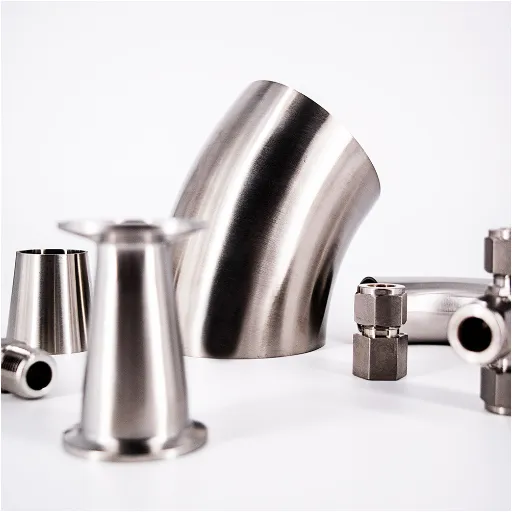
High-Stakes Industries: Chemical Processing
The chemical processing industry heavily relies on stainless steel weld fittings due to the exceptional strength, anticorrosive properties, and capability of working under extreme conditions (high and low temperatures as well as high and low pressures) of these fittings. An increase in queries related to chemical-resistant materials and high-performance stainless steel fittings, which is reflected in the latest data derived from ‘s search engine, still, indicates the corresponding growing need for strong solutions in this sector. The latter closely associates with the new processing technologies that demand accurate and tough materials that can tackle harsh chemicals and carry on with the reaction in a complex manner. The outstanding performance of the stainless steel weld fittings made with the modern alloys like 316L or duplex stainless steels is especially insightful in the areas with the exposure of caustic or acidic substances so that the risks of leaks and system failures are reduced. Their dependability guarantees the acquiescence with the stringent industry standards and prior enhancements in operational efficiency in the risky applications.
Food Production: Ensuring Safety and Compliance
One of the main reasons why the application of stainless steel weld fittings is considered to be a crucial factor for the safety of food processing systems and for their meeting of the very strictest legislative requirements is the use of stainless steel. Stainless steel, especially grades such as 304 and 316L, is simply the most preferred material in the industry due to its resistance to corrosion, easy cleaning, and high strength even during extreme temperature changes. Moreover, they completely cut off the microorganisms’ access to the products, thus allowing the food and beverage processing to be done in a sterile manner.
The most recent data extracted from the search engine of confirms that the public demand for enhanced food safety measures has compelled the manufacturers to resort to more sophisticated materials and processes. This goes hand in hand with the requirements of the authorities such as the FDA and EU which state that only non-reactive, non-toxic, and durable materials can be used in food production.
Not only do stainless steel weld fittings prevent the contamination of the product by bacterial growth, but they also allow the manufacturers to continue to meet international quality standards, reduce the risks of product recall, and protect their brand image. This technological application ensures the consistency of quality throughout the food production process and makes it possible for both consumers and regulators to have a safe and efficient access to their expectations.
Other Industrial Applications
Beyond food manufacturing, fittings made of stainless steel welds expand their use and show their importance in the pharmaceutical market, chemical processing, and energy production. In pharmaceutical manufacturing, the fittings are the ones that make sterile environments possible, as they offer seamless, contamination-free connection which is a prerequisite for the producing of medical-grade products. Equally, the stainless steel anti-corrosive feature ensures a safe and stable exchange of high-pressure or highly reactive materials in chemical processing plants.
The latest search patterns and industrial reports confirm that their usage is also substantial in the renewable energy sector, particularly in solar and wind power projects, where the durability and resistance to climate change factors are of utmost importance. The endowment of stainless steel weld fittings with their inherent advantages straight away translates into industries improving operational efficiency, keeping up with stringent regulations, and being among the competitive players in the global market that is constantly changing.
FAQ
What is a stainless steel butt weld fitting and how is it applied in a project?
Stainless steel butt weld fittings are meant to be welded together the ends of the pipe or tubing thus resulting in a double bore and a solid connection that lasts forever their use is common in factories where the main features are the need for sanitation and corrosion resistance, like food, pharmaceutical, and chemical processing. They can be of different types such as tee, reducer, elbow, and outlet and in different configurations and category ratings according to the requirements of the system. When choosing a stainless steel butt weld fitting one has to look at the material grade like 304, wall thickness, and what specification or standard is required for the application. Properly applying the welding method and performing the inspection afterward are essential steps for obtaining reliable joints and getting long service.
How do butt weld fittings and NPT or male adapter fittings differ in the first place to the connections made?
The key difference that separates butt weld fittings from NPT or male adapter fittings is their joining method: welding is done to the pipe making a solid and smooth joint as opposed to using threads for creating connections that can be easily disassembled. Butt weld fittings are the first choice for high-pressure or high-temperature systems since there is a risk of failure with sealing threads, plus they do not create any spaces that could harbor dirt. On the other hand, NPT and male adapter fittings are beneficial when it comes to quick assembly and disassembly during maintenance or when replacing components that have to be changed frequently. Most times the decision will be based on project needs – whether you want a strong and reliable welded joint or a flexible threaded one. In factories of various classes, the combination of welded and threaded parts is common, but during the design phase, compatibility and sealing must be taken care of.
Which stainless steel grade is the most appropriate for various looking for weld fittings; 304 is an example?
The weld fittings are primarily made of stainless steel grade 304 because of its excellent resistance to corrosion and it can easily be machined besides being cheap thus its use in various industries. When the application requires demanding, grade 316 can be chosen where its strength and resistance to corrosion are the main criteria according to project specification. Operating temperature, chemical exposure and compliance or standard requirements are some of the factors that help in material grade selection. It is good to keep in mind that the application may require standard or concentric reducers, tees, or specialized outlet fittings in the selected grade when designing a piping system. Collaboration with material and welding engineers will guarantee that the fitting’s benefits are its lifespan and the performance level required.
Are stainless steel butt weld fittings compatible with tubing and what is the advantage of piping that utilizes this method of joining?
Truthfully, stainless steel butt weld fittings are compatible with tubing when mixed with tubing, and they are the best choice for making completely closed, smooth, and strong joints, capable of running fluids and maintaining sanitary conditions. The welding process with butt welding fittings for tubing gets rid of inner threads and spaces thereby lowering pressure drops and preventing residues from accumulating which is a major concern if joining tubes in food or pharmaceuticals lines. Such welds permit connections that might be subject to vibrations and thermal cycling but will not fail as is the case with many mechanical joints. They are available in various sizes and outlet configurations to easily match different tubing schedules and wall thicknesses thus ensuring a good fit. The joining of tubing with butt weld fittings requires skilled labor for preparing ends of the tubes and a quality process of welding so that there will be no leakage and the joints will be durable.
What exactly are concentric and eccentric reducers and in what case it is better to use one over the other?
The distinction between concentric and eccentric reducers is that the former keeps the central line along the two pipe sizes and is mainly used in vertical piping or where smooth flow is required, while the latter has an offset centerline and is applied in horizontal lines to assure no air pockets are forming and good drainage which, among others, makes it a good choice for pump suction lines and sloped piping. The choice of the type mostly depends on the layout of the project, the motion of the fluid, and the choice between symmetry of the flow preservation and gas entrapment prevention. Correct specification of the reducer type and outlet orientation is crucial for the system’s efficiency and compliance with the design standards.
How can I interpret a catalog or specification to select the appropriate butt weld fittings for my industrial project?
Understanding a catalog or specification is a process of correlating essential parameters like fitting type, size, material grade, pressure rating, and standard (such as ASME or ANSI) with the corresponding items listed under the part number as a reference. Usually, catalogs provide dimensions for the tube or pipe OD, wall thickness, and welding end preparations, which are very useful in verifying compatibility with your tubing. Look for stainless steel butt weld fittings listings that suit your needs and review them against project requirements, like 304 material, NPT adapters if the threading transitions are desired, or male connectors for particular equipment. Pay attention to the category and classification codes applied in the catalog to verify the pressure and temperature limits, and request compliance declarations or certificates that are relevant to your industry. When in doubt, feel free to contact the supplier with your project specification and piping schedule to ensure that you get the correct part.
Reference Sources
-
A Study to Determine the Material to Be Included in a Reference Book for Welders and Fabricators
University of Wisconsin Digital Library
This research discusses materials and selection charts for stainless steel, supporting the welding and fabrication trade. -
Quantifying Variability in Laser Welding of Stainless-Steel Alloy 304
Pennsylvania State University ETDA
This paper examines the variability in laser welding processes for stainless steel, offering valuable data for understanding weld fitting applications. -
Welding of Stainless Steels
ASM International Handbooks
This resource discusses welding techniques and research developments for stainless steels, supported by data from the Welding Research Council.