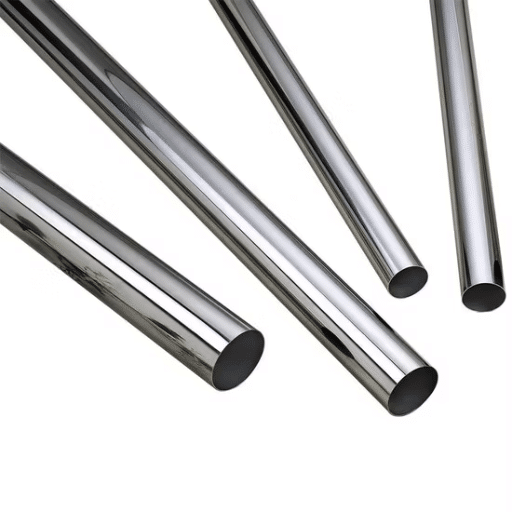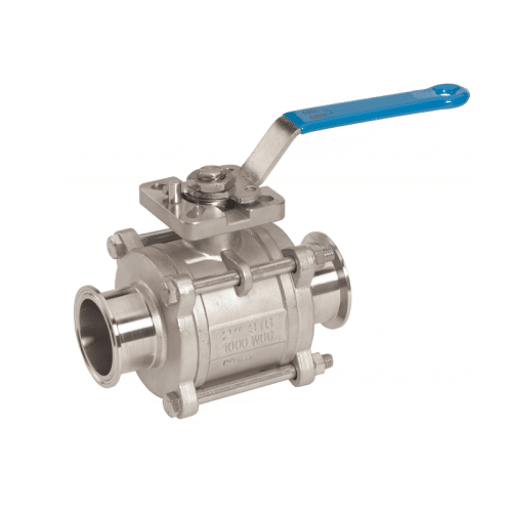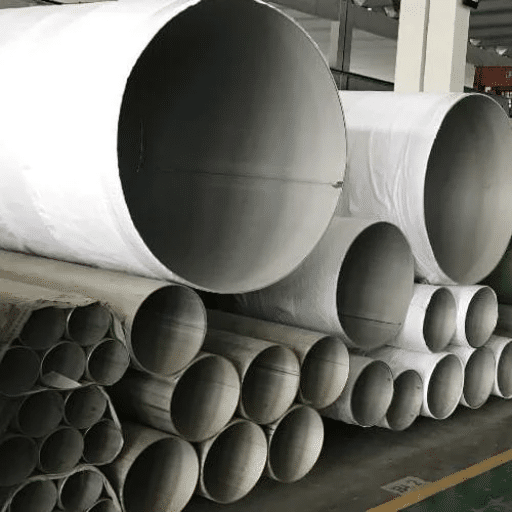
The piping systems used in modern industrial and commercial applications depend on stainless steel weld pipe fittings because these fittings provide exceptional durability, operational flexibility, and performance capabilities. These fittings are essential components for industrial applications because they can endure extreme pressure, high temperature, and aggressive chemical conditions which develop in oil and gas, food processing, and pharmaceutical manufacturing. However, selecting appropriate fittings requires project managers to understand which benefits tie to specific applications while learning which technical constraints determine their performance in particular projects. This article presents a detailed exploration of stainless steel weld pipe fittings, demonstrating how these fittings enhance your operations through increased efficiency, improved safety, and extended equipment lifespan.
Understanding Weld Pipe Fittings

1What Are Weld Pipe Fittings?
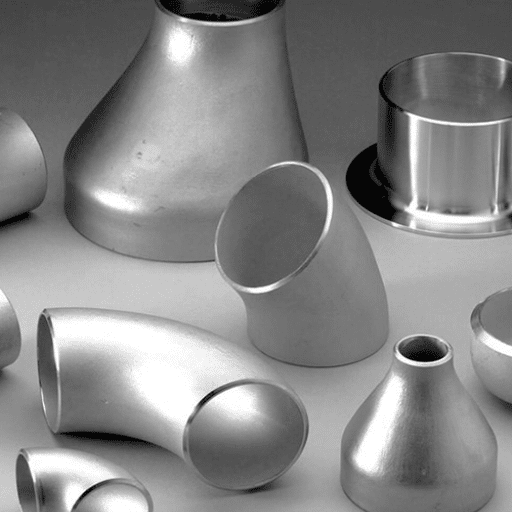
Weld pipe fittings serve as essential components in piping systems, enabling systems to connect different segments, change flow directions, create new branches, and control liquid and gas transmission. These fittings establish welded connections, leading to permanent and secure joints without any possibility of leaks. The common fittings used in welding operations include elbows, tees, reducers, caps, and stub ends, which meet different needs arising during various operational activities.
Key Advantages of Welded Connections:
- Create strong bonds enduring extreme pressure and temperature conditions
- Provide excellent resistance against corrosive elements
- Eliminate threaded and flanged connections reducing leakage points
- Improve operational safety and equipment reliability
- Enable precision installation through modern TIG and MIG welding techniques
Latest data shows industries have begun adopting stainless steel weld pipe fittings because these fittings offer strong corrosion resistance while maintaining excellent mechanical strength and adaptability to multiple industrial applications including oil and gas, chemical processing, power generation, and food production.
2Types of Weld Pipe Fittings
Weld pipe fittings function as engineered components creating welded joints for pipeline connections, thereby forming durable and waterproof connections between pipeline segments. Understanding the different types helps in selecting the most appropriate fitting for specific applications.
Primary Types of Weld Pipe Fittings
1. Butt Weld Fittings
The most common type of welded fittings butt weld fittings exist to connect two pipes which meet at their ends. The fittings which include elbows and tees and reducers and caps are produced according to either seamless or welded manufacturing standards. The materials are preferred for use because they can endure extreme pressure and temperature conditions.
2. Socket Weld Fittings
The fittings serve as linkages between two pipes that have a maximum diameter of two inches. The pipe is inserted into a recessed area of the fitting and then welded in place. The design provides superior strength which makes it ideal for high-pressure systems that need to use threaded fittings.
3. Offset Weld Fittings
These fittings serve to bring two pipes into correct alignment when pipes either misalign or maintain a specific distance from each other. The system maintains flow efficiency while allowing complex piping systems to operate effectively.
4. Stub Ends
Stub ends work with lap joint flanges to create a system which enables pipe disassembly and rotation that maintenance work requires.
5. Branch Connections (Olets)
These fittings provide a way to create new pipe branches through weldolets, sockolets, and threadolets, which let pipes connect to existing main pipelines without needing to cut through their main structure.
Multiple factors, including operational pressures, temperature requirements, and the transported substance, determine the selection process for weld pipe fittings. Current industry trends show industries prefer butt weld fittings because these fittings offer seamless designs which work well with modern welding techniques, making them essential for sectors that depend on long-lasting and efficient operations.
3Importance of Material Selection
Material selection serves as the main factor determining how efficiently piping systems operate during all conditions of use because it directly affects their operational performance, safety, and durability. Latest search engine data shows users search for materials including stainless steel, carbon steel, and corrosion-resistant alloys, which can withstand both high pressure and extreme temperatures.
| Material Type | Primary Characteristics | Best Applications |
|---|---|---|
| Stainless Steel | Excellent corrosion resistance, high strength, hygienic properties | Corrosive substances, food processing, pharmaceutical manufacturing |
| Carbon Steel | High strength, structural stability, cost-effective | High-strength applications without severe corrosion concerns |
| Composite Materials | Lightweight, exceptional strength, specialized properties | Specialized applications requiring weight reduction |
| Corrosion-Resistant Alloys | Superior resistance to extreme conditions, high temperature capability | Extreme pressure, temperature, and corrosive environments |
The material selection process requires careful assessment of three key elements: operating conditions, system requirements, and cost efficiency, which industry data from top companies provides.
Benefits of Stainless Steel Weld Pipe Fittings

Durability and Longevity
The exceptional durability and long service life of stainless steel welded pipe fittings stem from their ability to resist corrosion, their high tensile strength, and their capacity to endure extreme temperatures. Recent data combining search patterns with information from specific industries shows stainless steel fittings have become more popular because they provide dependable performance in both commercial and industrial settings.
⚙️
Long-Term Value Proposition
The combination of oxidation protection and capability to withstand highly corrosive environments makes these materials ideal for permanent installations. The solution provides cost savings over extended periods because it requires less maintenance while decreasing the chance of materials breaking down.
Stainless steel fittings serve as essential equipment for multiple industries including oil and gas operations, food processing, pharmaceutical manufacturing, and construction work.
Corrosion Resistance
Stainless steel exhibits outstanding corrosion resistance because it develops a protective chromium oxide layer which protects its entire outer surface. The protective barrier created by this layer stops moisture, oxygen, and other corrosive elements from penetrating the material.
🌊 Marine Environments
Maritime engineering and coastal infrastructure sectors experience increasing demand for materials resistant to saltwater corrosion
🧪 Chemical Exposure
Industries prefer stainless steel when operating in environments with high levels of chloride, acid, and hazardous chemical exposure
🛡️ Protection Layer
Chromium oxide barrier maintains durability and trustworthiness under demanding operational requirements
Cost-Effectiveness Over Time
The higher initial cost of stainless steel compared to other materials becomes justified when examining the material costs throughout its entire operational life. Search engine data shows people are becoming more aware of cost-efficient corrosion-resistant materials because they are searching for durable industrial and environmental protection solutions.
Life-Cycle Cost Advantages:
- Slow degradation rate from environmental factors (moisture, salt, pollutants)
- Reduced maintenance, repair, and replacement expenses throughout operational life
- Basic maintenance requirements leading to reduced long-term costs
- High recyclability supporting environmental and financial sustainability
- Smart choice for companies maintaining performance standards while controlling expenses
Applications Across Various Industries

Construction Industry
The construction industry now relies on stainless steel as its essential construction material because this steel provides unmatched strength, resistance to corrosion, and visual beauty. Search engine data indicates people have started to search for “stainless steel for construction” more often because they need to understand its growing use in various global construction projects.
Construction Applications:
- Structural Elements: The construction field employs structural elements which include load-bearing components and framework systems.
- Roofing Materials: The roofing materials provide strong weather-resistant solutions which maintain durability under various weather conditions.
- Facade Designs: The building exterior design combines aesthetic appeal with functional requirements.
- Residential & Commercial Buildings: Buildings possess the ability to withstand extreme weather conditions which occur during severe weather events.
- Modern Developments: The two construction methods of modular construction and customized urban design finishes have become standard practices in contemporary construction projects.
The material’s lightweight design enables easy transportation and installation, decreasing expenses for hiring workers. Present-day developments including modular stainless steel construction and customized urban design finishes have established stainless steel as a fundamental component which modern construction projects require.
Manufacturing Applications
The manufacturing field depends on stainless steel for various applications because it offers unmatched durability, resistance to corrosion, and suitability for different manufacturing methods. Industrial machinery and equipment manufacturing uses this material as its main component because it allows equipment to operate successfully in demanding situations throughout its entire lifespan.
Food Processing Equipment
Hygienic materials resisting contamination for safe food production environments
Pharmaceutical Devices
Clean, non-reactive surfaces meeting stringent pharmaceutical standards
Chemical Processing Tanks
Corrosion resistance for handling aggressive chemical substances
Modern production methods now use advanced laser cutting, precision welding, and additive manufacturing techniques to create intricate stainless steel components. Current search trends show renewable energy industries now research the material’s use in wind turbine applications, solar panel mounting systems, and hydrogen storage solutions because these technologies support environmentally friendly practices.
Oil and Gas Sector
The oil and gas industry uses stainless steel extensively because it gives them exceptional protection against rust and maintains its strength under intense heat and tough environmental conditions. Current industry research shows that stainless steel demand keeps increasing because exploration and production work progress into more difficult operational environments.
Oil & Gas Applications:
Pipelines: Duplex and super duplex grades resisting corrosive effects of saltwater
Offshore Drilling: Equipment withstanding harsh marine environments
Storage Tanks: Protection against sulphide-rich gases and chemicals
The industry uses stainless steel because it requires minimal upkeep and lasts for a long time, which boosts operational efficiency and lowers costs while making it essential to the industry.
Choosing the Right Weld Pipe Fittings

Factors to Consider
Weld pipe fitting selection requires assessment of multiple essential elements which will determine product efficiency and product longevity. The methodical evaluation of these elements enables organizations to achieve maximum operational efficiency together with safety measures and cost-effective solutions meeting contemporary engineering standards.
Essential Selection Criteria
1. Material Composition
The fitting material composition requires examination because the fitting needs to match the chemical properties of the transported fluid or gas to prevent any material degradation. Stainless steel and alloy fittings serve as the preferred option for companies handling aggressive materials because these materials provide better protection against chemical attacks.
2. Pressure and Temperature Specifications
The fitting pressure and temperature specifications must match the system operational demands. High-pressure environments require use of fittings meeting ANSI and ASME standards because oil and gas and power generation operations need to prevent equipment failures during high-stress situations.
3. Piping Accuracy and Compatibility
The project requires piping accuracy and proper compatibility with existing pipeline systems. Every fitting must meet standard size requirements including ASTM and ISO which enable smooth system integration maintaining uninterrupted flow. The selected welding method requires alignment with application requirements through assessment of joint strength needs and maintenance requirements.
4. Environmental Conditions
The selection process for fittings depends on the influence of environmental conditions which establish their appropriate usage. Marine and coastal applications require fittings possessing stronger protection against moisture and saline water damage. Implementation of new material research together with precision-engineered coatings and metal composites will strengthen durability while reducing performance decline during extreme weather situations.
Understanding Sizing and Schedules
The engineering design process relies on sizing and scheduling which require precise measurement and specification to achieve peak system operation and successful project completion. Understanding these critical parameters ensures proper system performance and compliance with industry standards.
| Concept | Definition | Critical Considerations |
|---|---|---|
| Sizing | Determination of exact dimensions, capacities, or specifications for components | Flow rates, pressure, temperature, material properties, energy efficiency |
| Schedules | Wall thickness according to nominal diameter affecting pressure resistance | ASME B36.10M standards, safety compliance, high-pressure system requirements |
| Standards | Industry guidelines ensuring safety and compatibility | ASME, ASTM, ISO compliance for critical applications |
Latest search engine data insights together with existing knowledge of sizing and scheduling enable users to easily comprehend these concepts. Engineers now have the ability to enhance their conventional methods through the use of cutting-edge computational platforms, algorithms, and real-time information obtained from search engines.
Material Grades and Specifications
The application of material grades with specifications guarantees both structural integrity and performance standards throughout engineering projects. Engineers can now access material property information through search engine data because it combines traditional material selection methods with contemporary material selection techniques.
Key Specification Resources:
- Detailed databases providing tensile strength information and yield property data
- ASTM, ISO, and ASME standard compliance details
- Better decision-making when selecting steel grades for projects
- Fast material selection identifying suitable project materials meeting strict requirements
- Budget-friendly options aligned with material science developments
- Online knowledge bases keeping up with current global research progress
The integrated system improves precision through fast material selection, identifying suitable project materials that meet strict requirements while remaining budget-friendly.
Installation and Maintenance Tips

Proper Installation Techniques
The reliable operation of any system or material requires technicians to follow proper installation methods. The process starts with technicians performing a comprehensive site examination which includes checking all dimensions, environmental factors, and load specifications.
Installation Best Practices:
- Site Examination: Comprehensive checking of dimensions, environmental factors, and load specifications
- Testing Phase: Confirm system or material will function correctly at designated operational parameters
- Precision Tools: Use laser-based level measuring devices together with digital torque wrenches
- Manufacturer Guidelines: Follow specifications while using smart monitoring systems
- Code Compliance: Ensure installation meets regulatory requirements and industry standards
Current search trends show users need to follow manufacturer guidelines while using smart monitoring systems which identify installation problems during real-time operations. Online databases provide access to installation codes and standards which help researchers ensure regulatory compliance while maintaining installation standards.
Maintenance Best Practices
To extend system lifespan and achieve peak operational efficiency, organizations need to apply search engine data which identifies essential system maintenance techniques. The scheduled inspection process operates as a core practice because it enables teams to identify equipment damage and performance problems at their earliest stages.
📋 Scheduled Inspections
Core practice enabling teams to identify equipment damage and performance problems at earliest stages
🔮 Predictive Maintenance
Use sensor data and real-time analysis to identify future equipment issues before major breakdowns
📊 Maintenance Records
Complete documentation showing all completed tasks and system operational details from previous work
Online technical databases present manufacturer cleaning recommendations and component replacement schedules which help users maintain equipment reliability and meet regulatory standards. Organizations using these insights together with regular maintenance procedures will experience decreased downtime and enhanced system performance while maintaining safety regulations.
Common Issues and Troubleshooting
Technicians require data analysis skills together with systematic diagnostic methods to identify the primary system performance issues. The system encounters three main problems which include overheating because the cooling system cannot handle the heat and operational problems which arise from software needing upgrades and equipment breakdowns that happen because of equipment degradation and improper maintenance procedures.
Systematic Troubleshooting Procedures:
- Monitor System Logs: Check error logs together with performance data to find any abnormal behavior or unexpected system patterns which should be investigated. Centralized logging platforms help make this task easier to complete.
- Inspect Hardware Components: Check all system components to confirm their operation within preset limits, particularly crucial components such as pumps, valves, and pressure regulators.
- Check Software Updates: Verify that systems use all current firmware updates and software patches which fix known bugs and protect system security.
- Evaluate Resource Utilization: Monitor flow rates, pressure levels, and temperature readings to discover any bottlenecks resulting from incorrectly set up systems.
- Test System Integrity: Performance drops can sometimes stem from leaks or interruptions. Conduct tests for both pressure and flow to guarantee connections remain secure.
Organizations achieve their goal of keeping systems operational at peak performance according to their operational standards through executing these procedures together with search engine resources and technical documentation from the web.
Frequently Asked Questions
What is a butt weld pipe fitting product and how is it used?
Butt weld pipe fittings are components that weld together with pipe ends to create an uninterrupted piping system which stops all leaks; these fittings function as vital components for stainless steel and carbon steel piping systems. The fittings include elbows, tees, and reducers which come in both long and short radius designs to suit different installation needs. The chemical and mechanical properties of stainless steel butt weld fittings must follow material standards which include ASTM A403 as a common reference point. The product selection process requires evaluation of both the pipe schedule and the need for butt weld concentric or eccentric reducers which serve to system component alignment. The installation process requires proper beveling and welding methods to create weld joints that maintain strength while providing protection against corrosion.
How do stainless steel butt weld elbows differ from carbon steel elbow fittings?
The stainless steel butt weld elbows provide superior corrosion protection compared to carbon steel elbow fittings which makes them suitable for facilities that handle hazardous substances and require sanitary maintenance. The standard specification for stainless elbows requires adherence to ASTM A403 which governs both forged and seamless production methods while carbon steel elbows must comply with MSS SP-43 standard for butt weld fittings. The two types of elbows feature different design functions because both long and short radius elbows redirect flow patterns while short radius elbows require less space but produce greater pressure loss which affects product selection. The correct welding method selection requires proper materials identification because this choice protects against stress corrosion cracking which impacts stainless pipe systems. The outlet size and wall thickness (schedule) must match the requirements of the adjacent pipe and fittings.
When should I choose a stainless steel tee or a carbon steel tee for my system?
When your system requires better protection against corrosion and needs to maintain hygienic standards or handle specific chemicals, choose a stainless steel tee; for applications which do not experience corrosion, select carbon steel tee fittings because they cost less. The food and pharmaceutical industries use stainless tees for their process piping needs, which engineers often specify to ASTM A403; carbon steel tees might follow MSS SP-43 or other carbon steel standards. The tee design needs assessment based on whether it needs a butt weld connection or an adapter style outlet for branch connections which link to system components. A complete weld and proper fluid movement characteristics require the schedule and end preparation to match the main pipe specifications. A short radius or long radius configuration needs assessment to determine which option meets requirements for available space and required flow patterns.
What are the advantages which butt-weld concentric reducers provide over eccentric reducers in their applications?
The flow must remain centered in vertical piping systems and pump suction lines which make butt weld concentric reducers suitable because they connect pipe centerlines. Eccentric reducers maintain pipe top and bottom sections at a constant height which makes them suitable for drainage and air pocket prevention; their selection impacts both pipe configuration and system efficiency. Both categories of products come in stainless steel and carbon steel options which require matching their schedule and outlet dimensions to achieve correct welding and flow operation. Manufacturers typically list concentric and eccentric reducers in their catalog along with standards like ASTM A403 or MSS SP-43 for reference. Proper selection helps avoid operational problems which include both cavitation and solids settling inside the pipeline.
How do I find the appropriate catalog items from the weld fittings catalog which are needed to meet high-pressure requirements?
Select catalog items rated for the required pressure and temperature, verifying material specifications and wall thickness (schedule) to ensure safe operation. The high-pressure systems require butt weld pipe fittings which use appropriate ASTM A403 stainless steel grades to deliver predictable strength and corrosion resistance. Check whether the fittings are available in short radius or long radius versions to manage stress concentrations and flow dynamics. The outlets and adapters for specialty connections require compatibility confirmation with MSS SP-43 while checking their availability. The specification of critical service fittings needs to begin with the manufacturer’s product data and pressure-temperature ratings.
Are there special welding procedures for stainless steel weld fittings and butt weld joints?
Welding procedures need to establish heat input control while preventing sensitization and stopping contamination from carbon steel tools and filler materials during the welding process of stainless steel weld fittings. The welding process needs proper filler metals together with shielding gases that should match the stainless steel grade while following qualified welding procedures to achieve weld corrosion resistance. Welders need to restore the protective oxide layer on stainless pipe surfaces by using pre- and post-weld treatments that include passivation. Butt weld joints create full-penetration welds which meet mechanical and pressure standards through beveling and proper fit-up procedures. Following ASTM A403 standards together with manufacturer guidelines creates welds which fulfill both quality and durability standards.