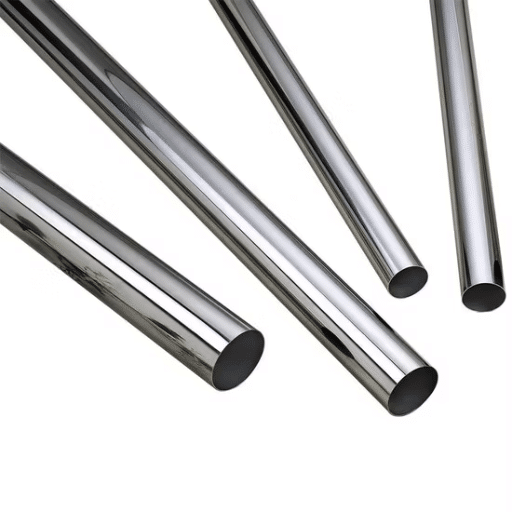
The worldwide need for advanced materials has created increased interest in duplex stainless steel pipes. The pipes deliver outstanding strength together with their ability to resist corrosion, which makes them vital components for oil and gas operations and chemical processing and marine engineering applications. Organizations need to choose reliable manufacturers because this selection ensures compliance with quality standards and product durability and industry regulations. This article examines the top fifteen duplex pipe manufacturers around the world, which includes details about their specialized knowledge and product development and their industry contributions. The guide provides all necessary information, which procurement experts and engineers and project researchers need to make their decisions.
Introduction to Duplex Stainless Steel

The Importance of Material Selection in Industrial Piping
Material selection serves as a fundamental element which determines industrial piping systems performance and durability and safety. Engineers should evaluate material selection according to mechanical strength and corrosion resistance and thermal conductivity and fluid or gas compatibility requirements. Industries now use duplex stainless steel because it combines exceptional strength with corrosion resistance which makes it better than traditional stainless steels in chemical processing and oil and gas and marine environments.
The latest data from ‘s search engine and scientific literature show that duplex stainless steel is valued because its dual-phase microstructure combines the benefits of austenitic and ferritic stainless steels. The material exhibits better pitting and stress corrosion resistance properties which it combines with high tensile strength. Alloy composition advancements now enable manufacturers to customize duplex grades for different purposes which results in decreased maintenance expenses and increased system operation periods. The selection of suitable materials depends on operational conditions and environmental factors because it directly affects the efficiency and reliability of vital industrial systems.
Overview of Duplex Stainless Steel
Engineers design duplex stainless steels to function in environments which require outstanding mechanical capabilities and strong resistance against corrosion. Recent studies indicate that they usually contain approximately equal proportions of austenite and ferrite phases which create a strength balance that achieves nearly double the strength of standard austenitic stainless steels like 304 and 316 grades. The dual-phase structure of duplex stainless steel reduces the chances of stress corrosion cracking which occurs in chloride-rich environments thus making this material perfect for marine and chemical processing and offshore uses.
Duplex stainless steel exhibits strong corrosion resistance while also providing excellent weldability and formability for different fabrication techniques. Recent research demonstrated that modern lean and super duplex grades have expanded its practical applications. Lean duplex grades offer budget-friendly options which work in less dangerous situations because they contain less nickel and molybdenum, while super duplex grades perform best in highly corrosive areas, including subsea pipelines and desalination facilities.
Duplex stainless steels have become the preferred material choice for industries because they focus on sustainable practices. Large infrastructure projects achieve environmental benefits and economic savings because their service life increases and maintenance needs decrease. The current market search shows that proper material selection combined with strict operational parameter enforcement serves as the main method to achieve optimal performance from duplex stainless steel in various uses.
Key Advantages of Duplex Steel
Duplex stainless steels deliver an ideal blend of high strength and exceptional corrosion resistance which makes them ideal for demanding work in chemical processing and oil and gas and marine industry applications. According to recent data and research, duplex steels achieve greater yield strength than austenitic and ferritic grades, which allows designers to select thinner materials that reduce project costs.
The materials demonstrate better protection against stress corrosion cracking which is an essential requirement for materials used in environments that contain chloride and high-temperature elements. The duplex stainless steels show great weldability and formability which makes it easy to fabricate products while maintaining their structural strength.
Recent online reports show that recent advancements have proven the alloy’s capability to endure severe conditions which include its testing in acidic environments thus proving its value as a trustworthy and sustainable material for contemporary infrastructure projects. The combination of these properties enables organizations to achieve longer equipment lifespans while spending less on maintenance which helps meet the rising demand for sustainable and cost-effective industrial operations.
Leading Duplex Pipe Manufacturers

1. ZHONGZHENG
- Year Founded: 1978
- Introduction: A leading manufacturer of duplex stainless steel pipes, ZHONGZHENG specializes in high-quality metal products for various industries.
- Main Products: Duplex stainless steel pipes, flanges, and fittings.
- Key Advantages: High-quality materials, advanced production technology, and a strong global presence.
- Key Disadvantages: Limited customization options for niche applications.
- Website: ZHONGZHENG Official Website
2. Jiangsu Daqianshun Metal Products Co., Ltd
- Year Founded: 2012
- Introduction: Known for its advanced production technology and strict quality control.
- Main Products: Duplex stainless steel pipes with high dimensional accuracy.
- Key Advantages: High-quality raw materials and comprehensive quality control.
- Key Disadvantages: Limited international certifications.
- Website: Jiangsu Daqianshun
3. Zhejiang Jiuli Hi-Tech Metals Co., Ltd
- Year Founded: 1987
- Introduction: A leader in stainless steel production with integrated facilities.
- Main Products: Duplex stainless steel pipes and fittings.
- Key Advantages: Large-scale production capacity and advanced R&D.
- Key Disadvantages: Higher costs for small-scale orders.
- Website: Jiuli Hi-Tech Metals
4. Baoshan Iron & Steel Co., Ltd (Baosteel)
- Year Founded: 2000
- Introduction: One of the largest steel enterprises in China with a strong R&D focus.
- Main Products: High-performance duplex stainless steel pipes.
- Key Advantages: Advanced equipment and a strong brand image.
- Key Disadvantages: Limited customization for niche markets.
- Website: Baosteel
5. Taiyuan Iron & Steel (Group) Co., Ltd (TISCO)
- Year Founded: 1934
- Introduction: A pioneer in stainless steel production with a focus on sustainability.
- Main Products: Duplex stainless steel pipes and sheets.
- Key Advantages: Rich production experience and environmental-friendly practices.
- Key Disadvantages: Limited product range for specific applications.
- Website: TISCO
6. Shanxi Taigang Stainless Steel Co., Ltd
- Year Founded: 2002
- Introduction: A subsidiary of TISCO specializing in stainless steel products.
- Main Products: High-performance duplex stainless steel pipes.
- Key Advantages: High-precision production and cost-effective products.
- Key Disadvantages: Limited global presence.
- Website: Shanxi Taigang
7. LISCO Stainless Steel Co., Ltd
- Year Founded: 1995
- Introduction: A major stainless steel producer with a focus on research-production integration.
- Main Products: Duplex stainless steel pipes and plates.
- Key Advantages: Flexible production modes and good after-sales service.
- Key Disadvantages: Limited marketing channels.
- Website: LISCO
8. Wuxi Xinke Special Steel Co., Ltd
- Year Founded: 1988
- Introduction: Specializes in high-quality stainless steel pipes.
- Main Products: Duplex stainless steel pipes with excellent corrosion resistance.
- Key Advantages: Specialized production and cost-control measures.
- Key Disadvantages: Limited product range.
- Website: Wuxi Xinke
9. Tianjin Pipe (Group) Corporation
- Year Founded: 1993
- Introduction: A well-known pipe manufacturer with a long history.
- Main Products: Duplex stainless steel pipes for large-scale projects.
- Key Advantages: Large-scale production and technical innovation.
- Key Disadvantages: Limited focus on niche markets.
- Website: Tianjin Pipe
10. Foshan Shunde Jinyuan Stainless Steel Co., Ltd
- Year Founded: 1998
- Introduction: Located in a stainless steel industry cluster with a strong market-oriented approach.
- Main Products: Duplex stainless steel pipes and fittings.
- Key Advantages: Geographical advantage and flexible management.
- Key Disadvantages: Limited R&D capabilities.
- Website: Foshan Shunde Jinyuan
11. Qingdao Haisen Stainless Steel Co., Ltd
- Year Founded: 2002
- Introduction: Focuses on product innovation and quality improvement.
- Main Products: High-performance duplex stainless steel pipes.
- Key Advantages: Strict quality control and customer-centered service.
- Key Disadvantages: Limited production capacity.
- Website: Qingdao Haisen
12. BRISMET
- Year Founded: 1941
- Introduction: A U.S.-based manufacturer of stainless and duplex welded steel pipes.
- Main Products: Duplex and super duplex pipes.
- Key Advantages: Wide product range and global distribution.
- Key Disadvantages: Higher costs for international shipping.
- Website: BRISMET
13. TITAN Metal Fabricators
- Year Founded: 1998
- Introduction: Specializes in corrosion-resistant process equipment.
- Main Products: Duplex stainless steel piping and heat exchangers.
- Key Advantages: Expertise in reactive metals and corrosion-resistant alloys.
- Key Disadvantages: Limited focus on standard products.
- Website: TITAN Metal Fabricators
14. Corrosion Resistant Alloys, LLC
- Year Founded: 2002
- Introduction: Focuses on high-performance alloys for demanding environments.
- Main Products: Super duplex pipes and tubes.
- Key Advantages: High-quality materials and advanced testing.
- Key Disadvantages: Limited product range.
- Website: Corrosion Resistant Alloys
15. Metline Industries
- Year Founded: 2014
- Introduction: An Indian manufacturer of steel pipes and fittings.
- Main Products: Duplex stainless steel pipes and fittings.
- Key Advantages: Competitive pricing and wide product range.
- Key Disadvantages: Limited global presence.
- Website: Metline Industries
Technical Criteria for Evaluating Duplex Steel Pipe Quality

Corrosion Resistance of Duplex Stainless Steel
Duplex stainless steel exhibits exceptional corrosion resistance which enables its use in environments that exceed the performance limits of standard stainless steel materials. The material shows exceptional protection against pitting and crevice corrosion and stress corrosion cracking because it contains both austenite and ferrite microstructural elements. Recent studies show that duplex stainless steel exhibits outstanding pitting resistance which becomes evident when its pre-equilibrium number (PREN) reaches values above 40, which serves as a key indicator of its ability to withstand localized corrosion.
The development of metallurgical processes has increased the ability of duplex stainless steel to function in harsh industrial conditions. The research studies demonstrate that the material effectively protects against both sulfuric acid and seawater corrosion which makes it essential for use in chemical processing plants desalination facilities and offshore structures. The material achieves dual benefits because its lower nickel and molybdenum content creates substantial cost benefits while decreasing the need for expensive alloys. The properties of duplex stainless steel make it an essential material choice for industrial applications that need equipment which lasts and operates dependably in extreme corrosive environments.
Tensile Strength and Mechanical Properties
Duplex stainless steel shows better tensile strength and mechanical properties than both austenitic and ferritic stainless steel types. The specific tensile strength of duplex grades typically ranges between 620 MPa to 950 MPa depending on the exact composition and treatment applied to the material. Engineers can design lighter components that maintain their strength because their material density requirements decrease through enhanced strength.
Duplex stainless steel exhibits exceptional yield strength and mechanical deformation resistance because its balanced dual-phase microstructure contains equal amounts of austenite and ferrite. The yield strength of standard grade 2205 falls between 450 MPa and 500 MPa which exceeds double the strength of typical austenitic grades 304 and 316. Duplex alloys maintain high ductility which enables them to stretch between 20% and 30% without breaking when exposed to stress.
The advances in metallurgy have improved duplex steel characteristics which enable it to handle fatigue better and absorb energy more effectively when subjected to dynamic loads. The combination of these properties with their natural capability to resist stress corrosion cracking and pitting makes duplex stainless steel an ideal material choice for demanding applications which include oil and gas pipelines and high-performance marine vessels. The modern industrial applications of these properties lead to better performance and increased operational lifespan while reducing costs.
Compliance with ASTM and UNS Specifications
ASTM (American Society for Testing and Materials) and UNS (Unified Numbering System) standards establish essential requirements which guarantee the industrial performance of duplex stainless steels through their verification of material dependability and operational safety. The ASTM standards provide a comprehensive framework which defines the required chemical makeup and mechanical characteristics and testing procedures for duplex materials according to their specific grade specifications which include ASTM A240 and ASTM A789. The UNS system establishes a distinct identification method for alloys which includes commonly utilized duplex stainless steel grades such as UNS S32205 and UNS S32750.
The strict specifications establish material property uniformity which helps industries perform effectively in extreme operational environments. The successful use of duplex stainless steels in oil drilling platforms and desalination plants depends on their ability to achieve higher tensile strength and corrosion resistance which meet specific performance standards. Manufacturers who monitor ASTM and UNS standard updates can ensure their operations meet current regulatory standards while complying with international market demands which enhances certification processes and promotes interoperability throughout the industry.
Common Applications of Duplex Steel Pipes

Use in the Oil and Gas Industry
The oil and gas industry uses duplex stainless steel pipes because they provide exceptional mechanical properties and their high resistance to corrosion and their cost advantages over other materials. The pipes excel in offshore platform environments because they can withstand seawater exposure and extreme conditions which require advanced corrosion protection against pitting and stress corrosion cracking. The high strength-to-weight ratio of the material enables pipe systems to be built with thinner walls which results in lower total weight and decreased construction expenses.
Recent advancements and current market patterns show that the need for duplex stainless steel has been rising because oil and gas exploration activities now extend to more demanding locations which include deeper ocean regions. The industry shows a commitment to sustainability through operational risk reduction which has made duplex stainless steel the material of choice because it provides long-lasting protection for essential components including flowlines risers and heat exchangers. The material remains essential for oil and gas operations through its ability to provide dependable service while enhancing operational efficiency.
Applications in the Petrochemical Sector
Petrochemical industries depend on duplex stainless steels because they provide outstanding mechanical performance together with corrosion protection and economical advantages. The materials demonstrate their effectiveness in harsh conditions which involve contact with corrosive agents that include acids and chlorides and experience extreme temperature fluctuations. The materials serve chemical engineering applications because they withstand stress corrosion cracking and pitting damage in chemical reactors and distillation columns and storage tanks.
The petrochemical industry increasingly uses duplex stainless steels to create and move products such as ethylene and propylene and methanol. The components maintain their structural integrity while using less material because of their superior strength-to-weight ratio which enables the design of thinner-walled components. Manufacturing companies can achieve operational efficiency through specific material applications by utilizing advanced fabrication methods together with alloy development which follows strict industry regulations.
According to ‘s search trends and industry reports, the demand for duplex stainless steels in the petrochemical sector is rising, driven by global efforts to enhance energy efficiency and sustainable practices. The alloys prove essential in contemporary petrochemical operations because they help achieve production targets while reducing the expenses needed for repairs.
Other Industrial Applications of Duplex Steel
Duplex steel serves multiple industrial sectors which need strong materials because of its exceptional combination of mechanical strength and corrosion protection and cost-effectiveness. The newest data from search trends shows that industries including pulp and paper manufacturing and water desalination and chemical processing have started to show greater interest in using duplex stainless steels.
Duplex steel serves the pulp and paper industry through its application in digesters and bleaching vessels and liquor tanks which need protection from caustic environment corrosion. Water desalination facilities use duplex steel in evaporators and condenser systems because the material can handle high chloride levels. Chemical processing plants depend on these alloys for their storage tanks and heat exchangers and reactors because duplex steel effectively protects against chemical damage which results in lower repair expenses and shorter operational interruptions.
The increased number of search queries shows that manufacturers in these industries are now investigating duplex steel options to achieve their sustainability targets and business operational requirements. The trend shows how materials that meet high-performance standards and environmental efficiency requirements are becoming important in different sectors.
FAQ
What are the advantages of using 2205 duplex stainless steel pipe to protect against corrosive environments?
The 2205 duplex material offers a microstructure that contains equal amounts of austenite and ferrite, which enables it to achieve high strength together with exceptional protection against corrosion. The austenitic stainless steel materials of duplex 2205 grade provide superior resistance against stress corrosion cracking while delivering higher yield strength, which permits designers to decrease wall thickness requirements. The manufacturers of duplex stainless steel pipes provide their customers with both welded pipe and stainless steel seamless pipe options, which include duplex s32205 pipe and steel s32205 welded pipes. The material contains chromium and molybdenum together with controlled nickel content, which enhances its protection against pitting and crevice corrosion. The material meets ASTM standards through its typical specification of ASTM A790, which enables its application in heat exchangers and piping systems and desalination facilities.
How does the chemical composition of duplex steel s32205 influence performance?
The chemical composition of duplex s32205, which industry professionals refer to UNS S32205 and duplex uns, contains elevated chromium and molybdenum levels together with nickel, which generates a duplex microstructure. The material’s alloying components create ferritic strength and austenitic toughness, which enables the material to better resist stress corrosion cracking and general corrosion than most austenitic stainless steels. The exact chemical composition of duplex will be specified by manufacturers through their approved manufacturer test certificate documents, which will meet both specification standards and customer needs. Molybdenum and chromium together with their presence in the material lead to enhanced protection against pitting and crevice corrosion. The material suits use in petrochemical and desalination applications because of its resistance against pitting and crevice corrosion, which results from molybdenum and chromium content. The production process needs to confirm the chemical composition and heat treatment of duplex material, which should occur during pipe supplier selection, to verify the material’s expected performance.
Why choose a duplex stainless steel pipe manufacturer or approved manufacturer for UNS S32205 round and welded products?
The selection of an approved manufacturer or experienced duplex stainless steel pipe supplier delivers consistent product quality together with product traceability and specification compliance, which includes ASTM A790 standards for seamless and welded duplex products. The pipe manufacturer offers documentation through manufacturer test certificates, which enables material traceability and provides customers with stainless steel seamless and welded pipe options, including uns s32205 round and duplex steel uns s32205 pipes. The company provides guidance on selecting wall thickness and fittings and flanges and welding techniques, which help maintain the material’s corrosion resistance and mechanical strength. The approved manufacturers possess expertise in producing duplex and super duplex materials, which allows them to create effective solutions for fabrication issues, including weld procedure development and post-weld heat treatment and nickel alloy and filler metal selection. The use of an approved manufacturer for critical petrochemical or oil and gas projects decreases the chances of equipment failure caused by stress corrosion cracking or welding defects.
What information do I need to understand about the pricing details of pipes and the distribution centers which stock duplex 2205 and super duplex materials?
The pricing for duplex 2205 and super duplex stainless steel pipes shows the cost of basic materials together with pipe thickness details and manufacturing methods which produce either seamless or welded pipes and the current market demand for nickel and molybdenum pipe materials. The speed of product delivery depends on the stockist who handles the duplex material and pipe supply because stainless steel seamless pipes cost more than welded pipes yet organizations require them for their most crucial applications. The price list needs verification to determine which fittings and flanges and test certificates the document includes while checking whether the supplier provides different duplex products including DSS S32205 pipes and duplex 2507 super duplex. The initial cost of duplex products needs assessment for long-term maintenance costs because its superior corrosion protection will produce lower expenses when compared to standard products. The suppliers need to provide a complete pipe pricing document which includes their desalination and chemical processing piping system components together with heat exchanger pricing information.
What are the advantages and disadvantages of using welded pipe and stainless steel seamless duplex pipes for petrochemical plant piping systems?
The welded pipe system costs less while providing wider pipes and longer pipe segments, but the stainless steel seamless pipe system delivers better performance in high-pressure petrochemical operations because it eliminates weld seams which create corrosion points. The welded pipes of duplex steel S32205 achieve their best performance when welders use approved welding methods and materials that maintain pipe anti-corrosion characteristics while avoiding heat-induced sensitization. The suppliers will provide test certificates together with non-destructive testing results and welding procedure specifications which confirm their compliance with both ASTM standards and all project specifications. The decision between seamless and welded pipe requires pipe manufacturers or stockists who can provide seamless and welded options based on their available wall thicknesses and corrosion protection capabilities. Designers in oil and gas facilities need to select duplex UNS grades along with the approved fittings and flanges which will match their selected pipe system.
Do duplex stainless steel pipes, including duplex s32205 pipes, show resistance against stress corrosion cracking in desalination facilities and chemical processing plants?
The duplex microstructure of duplex s32205 pipe together with its elevated yield strength provides better stress corrosion resistance than austenitic stainless steels. The material provides stress corrosion cracking resistance together with general corrosion resistance, which makes it a preferred choice for environments that contain corrosive substances or chloride materials, including chemical processing facilities and petrochemical spaces and desalination plants. The welded area needs proper material selection and welding methods together with controlled heat input for optimal performance, but defective welds lead to local corrosion protection loss. The welding process for duplex stainless steel pipes requires manufacturers to provide specific filler metals and they need to follow ASTM A790 specifications because this ensures that their materials will keep their original properties after they have been welded. when you evaluate potential suppliers request both manufacturer test certificates and information on chemical composition and testing processes which will demonstrate resistance to stress corrosion and ability to perform over time.
Reference Sources
-
Duplex stainless steels-an overview – This paper provides an overview of duplex stainless steels, including their properties and applications.
-
Using Duplex Stainless Steel to Join X65 Pipe Internally Clad with Alloy 625 for Subsea Applications – A study on the use of duplex stainless steel in subsea applications, focusing on welding techniques and material properties.
-
Duplex Stainless Steel Pipe Material by using TIG & PTA Welding Processes – Investigates the welding processes and microstructural properties of duplex stainless steel pipes.