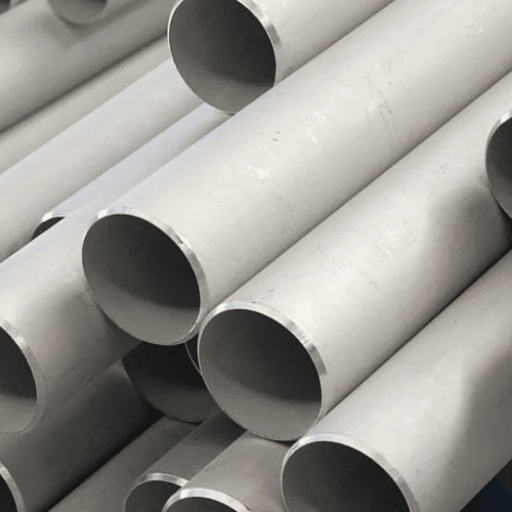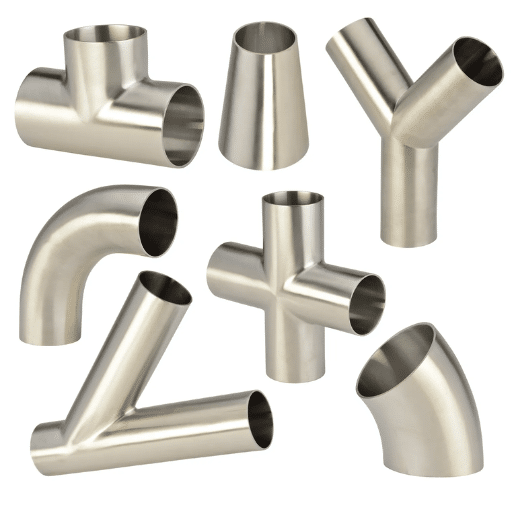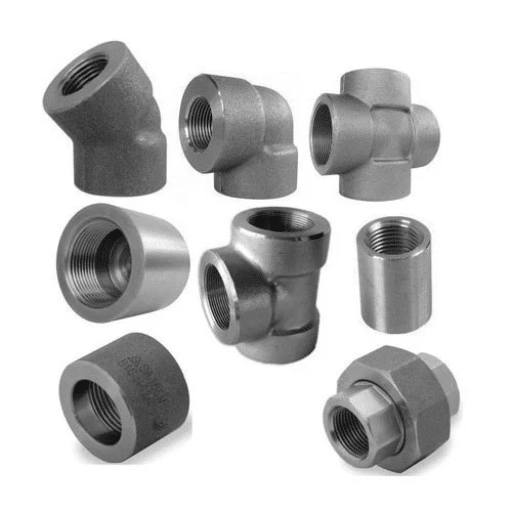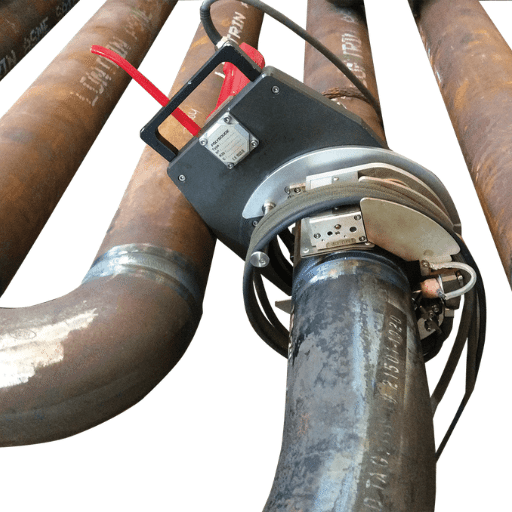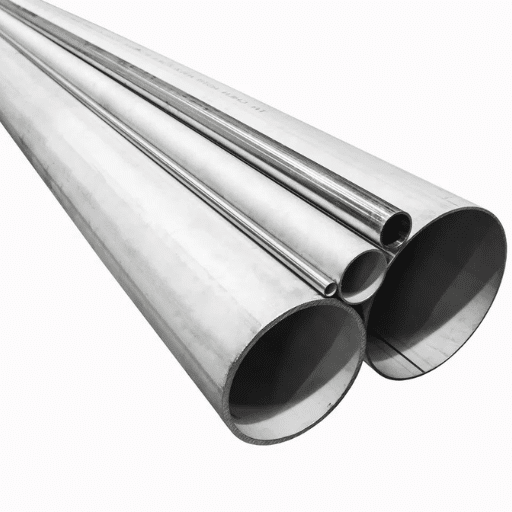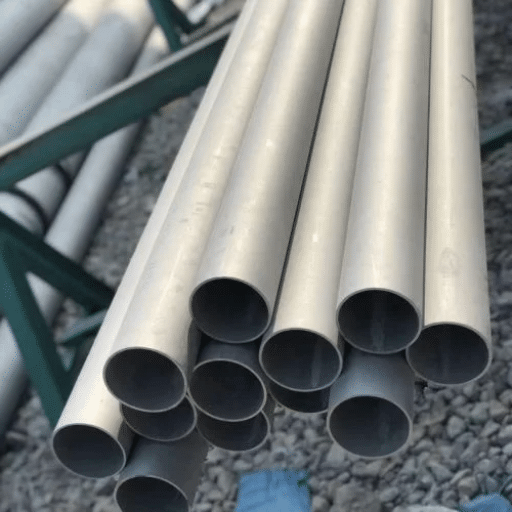
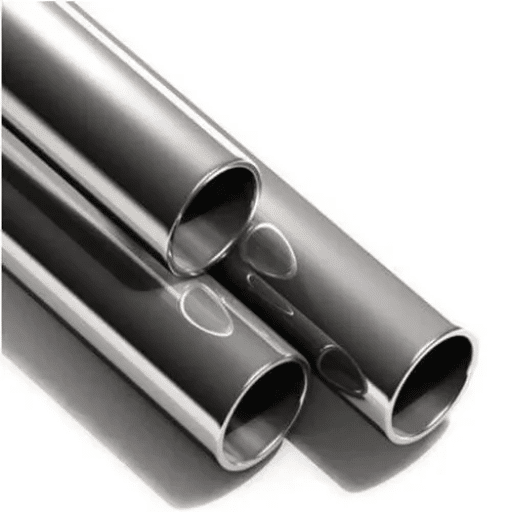
The use of duplex stainless steels especially UNS S31803 and S32750 has transformed industrial materials selection process for applications that require high-strength materials which can endure long periods while resisting corrosion. The alloys offer exceptional performancebecause they combine the optimal characteristics of austenitic stainless steel and ferritic stainless steel into one single microstructure. The guide presents a complete examination of UNS S31803 and S32750 which includes their unique features and their respective benefits and industrial uses. This reference presents the complete technical information which industry professionals and engineers need to make informed decisions about modern alloys.
50/50
Ferrite / Austenite Microstructure
>40
PREN Value — S32750
1000 MPa
Max Tensile Strength — S32750
$3.5–4.5K
Per Metric Ton Price Range
Introduction to Duplex Stainless Steel

Definition and Overview
Duplex stainless steels form a distinct group of stainless steel alloys which manufacturers developed to achieve a microstructure that contains equal portions of ferrite and austenite. The material derives its name duplex from its two-phase structure which produces a unique combination of material properties. The superior strength and stress corrosion cracking resistance of duplex grades combined with their improved weldability make these alloys suitable for demanding applications which require exceptional performance. The oil and gas industry and chemical processing industry and desalination industry all increasingly adopt duplex stainless steels because these materials provide protection against pitting and crevice corrosion in environments with high chloride levels. Research proves that duplex grades demonstrate high cost efficiency because they require fewer materials to deliver equivalent performance compared to other stainless steels while providing a combination of strength and corrosion resistance and economic benefits which form a fundamental material category.
Importance of UNS S31803 and S32750
Grade 01
UNS S31803 — Duplex 2205
Provides a combination of properties that makes it suitable for multiple applications — tensile strength ranging from 620 to 795 MPa combined with effective protection against pitting and crevice corrosion in chloride environments. It serves as an economical solution for moderate-to-demanding industrial conditions, including heat exchangers, pressure vessels, and subsea piping systems across worldwide infrastructure initiatives.
Grade 02
UNS S32750 — Super Duplex 2507
Provides superior corrosion protection through its elevated chromium, molybdenum, and nitrogen content — achieving a PREN value that exceeds 40. This grade delivers the highest performance tier among duplex steels, providing dependable service in conditions which include high temperatures, high pressures, and highly aggressive chemical exposure, where standard duplex grades cannot meet the operational requirements.
Industrial Applications Overview
Duplex stainless steels have found multiple expanding industrial applications driven by technological innovation and material performance requirements. Their primary applications include heat exchangers and pressure vessels because these systems need both corrosion protection and high mechanical load capacity and their subsea piping systems need to maintain their structural integrity under extreme deep water pressure and saltwater conditions. Industries are increasingly prioritizing lifecycle costs and duplex stainless steels provide both extended product life and lower maintenance needs which makes them vital for achieving precise environmental and operational engineering solutions.
Properties of UNS S31803 (Duplex 2205)

Chemical Composition
The performance of UNS S31803 (Duplex 2205) stainless steel results from its specific combination of chromium at 22 to 23 percent and molybdenum at 3 to 3.5 percent and nickel at 4.5 to 6.5 percent which becomes stronger through the addition of manganese and nitrogen and silicon. The specific composition of this material results in a duplex structure which combines ferritic and austenitic phases to achieve superior strength and complete protection against pitting and crevice corrosion in environments containing chlorine. The special chemical makeup of Duplex 2205 provides better resistance against extreme weather and physical stress while reducing both expenses and required material thickness to achieve sustainability standards and operational performance goals.
Physical and Mechanical Properties
Physical Properties
Tensile Strength: 620–850 MPa
Nearly double the strength of regular austenitic stainless steels such as 304 and 316. This enhanced strength allows the material to endure high-pressure conditions while decreasing the requirement for additional wall thickness — directly reducing material cost without sacrificing structural performance.
Corrosion Profile: Outstanding resistance to localized pitting and crevice corrosion due to 22% Cr and 3% Mo content.
Mechanical Properties
Yield Strength: ~2× That of 304 / 316
The ferritic-austenitic microstructure enables thinner cross-sections in structural designs while sustaining structural components under load. The alloy exhibits outstanding resistance against three types of corrosion — enabling reliable operation in essential environments including operations with high chloride concentrations where austenitic steels are prone to stress corrosion cracking (SCC).
Key Benefit: Extended operational life, reduced waste, and lower environmental impact compared to standard austenitic alternatives.
SCC Resistance
Superior Stress Corrosion Cracking Resistance
The duplex microstructure provides outstanding protection against stress corrosion cracking (SCC) which frequently occurs in environments containing chloride. These properties support sustainable practices because they decrease the need for equipment repairs and maintenance activities — resulting in longer operational periods and better system performance in process-critical settings.
Heat Treatment: Solution annealing at 1020–1100°C followed by immediate quenching maintains optimal duplex microstructure.
Properties of UNS S32750 (Super Duplex 2507)

Chemical Composition
UNS S32750 (Super Duplex 2507) has its chemical composition designed for specific purposes which create a material that delivers better corrosion protection and higher strength than regular duplex materials. The primary industrial components of the system consist of 25% chromium (Cr) and 7% nickel (Ni) and 4% molybdenum (Mo) which together produce exceptional defense against pitting and crevice corrosion and chloride stress corrosion cracking that occurs in extremely difficult environments. Nitrogen (N) enhances steel structural strength because it increases both yield strength and fatigue resistance. The production process needs precise management of manganese (Mn) and silicon (Si) and phosphorus (P) because these elements directly impact product performance while they create specific challenges during the manufacturing process. The chemical ratios need to stay within specific limits because these ratios determine how UNS S32750 operates under extreme pressure and high temperature and strong chemical exposure conditions.
Physical and Mechanical Properties
Physical Properties
Tensile Strength: 800–1000 MPa
The material demonstrates a yield strength of 550 MPa. The thermal conductivity value at 20°C reaches 13 W/(m·K) which enables effective heat transfer during high-temperature operations. The material exhibits a low thermal expansion coefficient of 13 µm/m·K which enables structural integrity maintenance during temperature fluctuations that are vital for heat exchanger and reactor systems requiring dimensional stability.
Applications: Oil and gas extraction, desalination plants, chemical processing equipment.
Mechanical Properties
Tensile >1000 MPa / Elongation up to 20%
The material achieves high tensile strength above 1000 MPa while permitting elongation up to 20% which provides the essential ductility needed for structural fabrication. The hardness properties reach above 300 HV to provide protection against wear and mechanical damage which occurs during exposure to high-pressure conditions. The material can endure operational stress for long periods because advanced heat treatments improve its fatigue life which allows it to withstand cyclic stress without sustaining structural damage.
Advantage: Maintains mechanical properties across environments featuring high thermal gradients, corrosive media, and variable mechanical stress.
Key Differences Between UNS S31803 and S32750

Side-by-Side Comparison
Comparison 01
Corrosion Resistance
The higher chromium and molybdenum and nitrogen content of UNS S32750 establishes better pitting and crevice corrosion protection in chloride environments which include seawater and chemical processing facilities. The material protects against aggressive chloride exposure because its Critical Pitting Temperature (CPT) exceeds 50°C (122°F). UNS S31803 protects against corrosion at a high level which suits moderate corrosive environments, thus enabling industrial operations to run with reduced expenses while still achieving dependable protection.
Comparison 02
Strength and Durability
Both grades achieve their exceptional mechanical strength and durability through their dual-phase austenite-ferrite microstructure. UNS S32750 achieves a tensile strength range of 795–1000 MPa, exceeding standard austenitic grades such as 316L. The material strength allows construction to use thinner parts which results in both financial and material savings. The durability assessment shows that UNS S32750 outperforms S31803 in all three categories of stress corrosion cracking resistance and fatigue failure resistance and wear resistance which researchers and industrial testing confirmed through their testing process in offshore and chemical processing environments.
Comparison 03
Cost and Availability
Duplex stainless steel prices range approximately from $3,500 to $4,500 per metric ton, varying by grade and supplier. The cost-to-performance ratio of duplex grades is favorable compared to traditional austenitic grades because they use less nickel and their production methods are more efficient. Major global producers including Outokumpu Sandvik and Alleima maintain continuous supply chains which operate throughout Europe North America and Asia. Custom alloy compositions or specialized certification requirements will increase lead times which makes supplier evaluation and advanced planning essential for cost-efficient procurement.
Common Applications of Duplex Stainless Steel UNS S31803

Frequently Asked Questions
Reference Sources
Source 01
Influence of Microstructure on the Corrosion Resistance of the Duplex Stainless Steel UNS S31803
Explores how microstructure directly affects the pitting potential of UNS S31803 in chloride solutions — foundational reference for material selection and performance prediction.
Source 02
Development and Microstructure Characterization of Single and Duplex Nitriding of UNS S31803
Discusses advanced surface treatment techniques designed to enhance the performance of UNS S31803 in demanding service conditions, including wear resistance and surface hardness optimization.
Source 03
Corrosion Study on Duplex Stainless Steel UNS S31803 in Chloride Solutions
Investigates the corrosion behavior of UNS S31803 in environments containing chloride ions, providing data critical for specifying this grade in marine and chemical processing applications.