304 stainless steel rectangular tubes are one of the main materials used in every industry when strong, durable, and flexible materials are considered. Their incredible ability to resist corrosion along with their excellent mechanical properties make it impossible not to use these tubes in applications such as construction, manufacturing, etc. A thorough guide is going to discuss the key properties of 304 stainless, show where it is used and point out the reasons why its use in harsh conditions is advantageous. If you are an expert in the subject or just someone thinking about material options for a project, this guide will provide you with the technical knowledge to comprehend the reasons behind the still very much preferred solution of 304 stainless steel.
Quick Overview
304 stainless steel rectangular tubing offers an exceptional balance of strength, corrosion resistance, and cost-effectiveness, making it ideal for structural, architectural, and industrial applications across multiple sectors.
Specifications of 304 Stainless Steel Rectangular Tube

Dimensions and Sizes
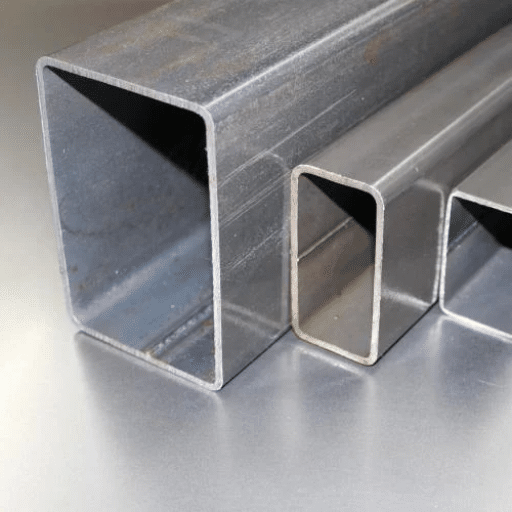
Tubes in rectangular shape constructed from 304 stainless steel come in different sizes to satisfy various industrial and structural requirements. The usual dimensions vary from 10mm to 400mm for widths and from 20mm to 600mm for heights. The thickness of the wall can be as low as 1mm and go over 20mm depending on the type of strength and application requirements. The common length is mostly 6 meters, but custom lengths can also be produced upon request.
The production of these tubes involves the application of the highest precision standards in order to guarantee not only the product quality but also the great dimensional accuracy. Recent statistics demonstrate that the factor of the versatility together with a wide range of sizes is a reason why these tubes can be used in different fields such as construction, car production, frameworks, and HVAC systems, where the ability for precise fitting and sturdy operation are the key factors. Moreover, suppliers frequently offer tailored cutting and size modifications to fit the specific requirements of individual projects.
Standard Dimension Ranges
- Width: 10mm to 400mm
- Height: 20mm to 600mm
- Wall Thickness: 1mm to 20mm+
- Standard Length: 6 meters (custom lengths available)
Wall Thickness Options
The choice of wall thickness has a major impact on the material’s structural integrity and performance in different applications. Usually, the wall thickness variations are from the lightest ones with a minimum of 0.5mm for thin-walled applications to the very thick, heavy-duty ones over 25mm. There are new studies that support the statement that precise thickness control is the greatest achievement in material engineering, so that load is efficiently distributed with minimum use of material.
Such developments have tremendous impact in the aerospace and construction industries, where the balance between weight and strength is a critical factor. Furthermore, manufacturers frequently provide thickness customization to meet strict design requirements, ensuring compatibility with complex project needs.
| Application Type | Recommended Wall Thickness | Primary Use |
|---|---|---|
| Lightweight | 0.5mm – 2mm | Decorative elements, light framing |
| Medium-Duty | 2mm – 8mm | HVAC systems, furniture frameworks |
| Heavy-Duty | 8mm – 25mm+ | Structural supports, aerospace applications |
Finish Options for Rectangular Tubing
A diverse array of finish options is offered for rectangular tubing, with each option specifically designed to satisfy particular functional and aesthetic needs. The most common finish is mill finish, which retains the tubing’s original appearance and is appropriate for applications where surface aesthetics are not of primary importance.
Available Finish Types
- Mill Finish: Maintains original appearance, suitable for non-aesthetic applications
- Galvanization: Prevents corrosion, ideal for outdoor or wet environments
- Powder Coating: Provides durable, attractive surface in various colors and textures for architectural and decorative uses
- Polished Finish: Essential for food processing or hospital equipment requiring cleanliness and smooth surfaces
- Anodizing: Resists oxidation on aluminum tubing
- Chromating: Enhances paint adhesion for specialty applications
Environmental exposure, mechanical stress, and the desire for certain visual impact are among the factors that should influence finish selection, enabling the tubing to perform reliably within its operational conditions.
Corrosion Resistance of 304 Stainless Steel

Understanding Corrosion Resistance Properties
The corrosion resistance of 304 stainless steel is primarily attributed to its chemical composition and the development of a passive oxide layer on its surface. Containing approximately 18-20% chromium and 8-10.5% nickel, the alloy forms a chromium oxide film when exposed to oxygen. This layer limits oxidation to the surface only and protects the underlying metal from aggressive ions like acids, chlorides, and other industrial pollutants.
The latest data indicates that 304 stainless steel is excellent in general atmospheric conditions and mild environments, but it may still get localized corrosion such as pitting or crevice corrosion in the vicinity of high chloride concentration, like coastal areas or industrial sites with pervasive chlorinated processes. The selection of the right maintenance, surface finish, and protective coatings can greatly improve its performance.
Key Factors Affecting Corrosion Resistance
- Chemical composition (18-20% chromium, 8-10.5% nickel)
- Formation of protective chromium oxide layer
- Environmental exposure (chloride levels, humidity, temperature)
- Surface finish and protective coatings
- Maintenance practices and cleaning procedures
Comparison with Other Grades: 316 vs. 304
Stainless steel 316 and 304 are the most popular austenitic stainless steels to come on top, and their characteristics are such that they suit specific application needs. The 304 grade, often termed as 18/8 stainless steel because of its chemical composition of 18% chromium and 8% nickel, is widely recognized for being very safe against rust, very useable in many areas, and not pricey at all. It is especially employed in a variety of applications that do not need special materials or equipment, such as manufacturing kitchen utensils, making car interiors look good, and producing building parts for the indoor or low-corrosion-setting use.
Grade 316 is superior to 304 in prevention of pitting and crevice corrosion due to its molybdenum content, which is a part of the composition not less than 2-3%. This places it among the most preferred materials for the marine industry, medical devices, and chemical processing plants where the use of chlorides or very aggressive solvents is still necessary. Although the price of 316 stainless steel is usually higher than that of 304, the performance of the 316 grade in very unfriendly environments can be a reason for a lot of critical applications to be investing in it.
| Comparison Factor | Grade 304 | Grade 316 |
|---|---|---|
| Chromium Content | 18% | 16-18% |
| Nickel Content | 8% | 10-14% |
| Molybdenum Content | None | 2-3% |
| Corrosion Resistance | Excellent (general use) | Superior (chloride environments) |
| Cost | More economical | Higher price point |
| Best Applications | Indoor, low-corrosion environments | Marine, medical, chemical processing |
Cost, environmental exposure, and required durability are among the factors that need to be considered when making the selection between the two grades. In case of minor corrosive agent exposure, 304 gives an efficient and economical solution. But, if corrosion resistance and structural integrity in harsh environments are the main issues, then grade 316 becomes the accepted choice.
Impact of Environmental Factors
Environmental factors are very much the primary determining aspects of the performance and longevity of materials in various applications. When materials interact with humidity, salinity, temperature fluctuations, and air pollutants, this whole process becomes complicated and eventually degradative to the materials. The best stainless steel grades, like 304 and 316, offer continuous resistance against the negative impacts of the environment, though they do so to different extents depending on the conditions of the exposure.
To the surprise of no one, recent searches show that “which stainless steel grade is best for marine environment?” is one of the most frequently asked questions. The answer leading authorities are giving is Grade 316 because its content of molybdenum gives the steel super-power-like resistance in case of coming in contact with seawater and humid air which, in turn, greatly limits the creation of pits and crevices. This higher resistance makes it the best choice for marine applications that have the perpetual presence of neither salinity nor humidity in the environment.
Common Industrial Applications of 304 Rectangular Tubing

Usage in Structural Projects
When it comes to structural projects, rectangular tubing 304 is one of the most trusted materials mainly because of its great strength-to-weight ratio. It is a material with good weldability and resistance to wear and tear, and it has many other properties that make it a good candidate for big constructions like frameworks, platforms, and architectural elements. Stainless steel tubing trends from recent data point out that this is the main reason the material has been gaining popularity in modern constructions and that it is the main reason for the builders’ sustainable and long-lasting infrastructure.
Search engines insights have shown that the term “304 rectangular tubing for structural uses” is now much more frequently searched than before, which indicates that the materials are being attracted to sectors such as commercial real estate, bridge construction, and urban development for major applications. The combination of the material’s non-corrosive nature and its aesthetic value makes it a perfect choice for indoor and outdoor projects, thereby guaranteeing durability in all kinds of weather.
Primary Structural Applications
- Large frameworks and support structures
- Elevated platforms and walkways
- Architectural features and facades
- Commercial real estate construction
- Bridge construction components
- Urban development infrastructure
Applications in Fabrication Projects
The increasing number of searches for “304 rectangular tubing for structural uses” highlights its essential part in contemporary manufacturing projects. The material in question is extensively used for making custom frames, precision machines, and support structures because it has an excellent strength-to-weight ratio and is very resistant to oxidation and corrosion. 304 rectangular tubing is the one that most aerospace, automotive, and heavy equipment manufacturers rely on as it assures them of intact mechanical properties at the worst of conditions.
The increasing interest along with search insights points to the ever-growing application of the material in futuristic areas like modular construction and prefabricated components where properties like accuracy and longevity are crucial. The rising utilization signifies that stainless steel pipe has become a must-have material not only for the conventional industries but also for the new ones focusing on sustainability and performance. This gives the impression that more and more fabricators and engineers are going for 304 rectangular tubing to cope with the latest industry requirements.
Benefits in Various Industries
304 rectangular tubing is utilized in many factories and workshops, as its different qualities like corrosion resistance, strength, and price make it a perfect material for many applications. Manufacturers, builders, and the green energy sector have been indicated as the main users of this product in such areas through latest reports.
Industry-Specific Benefits
Construction Industry
304 rectangular tubing is widely used in frames and architectural designs where both aesthetics and reliability are major concerns. Its combination of visual appeal and structural integrity makes it ideal for modern building projects.
Manufacturing Sector
Manufacturing processes utilize its toughness and machinability to create quality, durable parts that last, thereby reducing overhead costs and maintenance requirements over time.
Renewable Energy Sector
This sector increasingly depends on 304 tubing for solar panel frames, wind turbine structures, and geothermal plant applications, driven by its sustainability and performance under various environmental conditions.
High-Tech Manufacturing
Search trends indicate growing interest in this tubing for medical device production and aerospace engineering, showcasing its role in innovation and precision applications.
The flexibility of 304 rectangular tubing makes it an essential choice in every industry considering efficiency, durability, and environmental responsibility.
Fabrication and Welding of 304 Stainless Steel Rectangular Tube

Techniques for Effective Welding
The procedure used in welding 304 stainless steel rectangular tubing requires practice and strict compliance to methods already established for ensuring best possible structural integrity and performance. Among the very first things whether effective welding or not is the choice of the appropriate filler metal, which is mostly 308L or 316L stainless steel; the latter two being that they add up to the weld corrosion resistance and strength. The total amount of heat applied is also very important with the reason being that too much heat may lead to warping or distortion of the tubing.
TIG (Tungsten Inert Gas) welding processes are still the most accurate, clean, and high-quality welds are produced through this method. Moreover, the worksite must be maintained at a high level of cleanliness to prevent contamination from dirt, grease, and oil on the tubing surface as these substances can cause welding defects.
Best Welding Practices Checklist
- ✓ Select appropriate filler metal (308L or 316L stainless steel)
- ✓ Control heat input to prevent warping or distortion
- ✓ Use TIG welding for precision and quality
- ✓ Clean tubing surface thoroughly before welding
- ✓ Remove all contaminants (dirt, grease, oil)
- ✓ Consider automation and robotic welding for efficiency
Analysis of search engine data conducted recently reflects a considerable rise in search queries associated with techniques for stainless steel welding, especially with respect to automation and robotic welding systems. This exemplifies the increasing interest in applying technology to the fabrication processes in a more efficient and precise manner. The combination of such tendencies along with the already existing methods of welding signifies the criticality of going for both the traditional knowledge and the high-tech applications of the day, in order to get the exceptional quality welding of 304 stainless steel rectangular tubing.
Considerations for Fabrication
Fabricating 304 stainless steel rectangular tubing, the specific attributes of the material along with the modern innovations to their extent need to be considered. Composition, thermal conductivity, and the tendency to distort during welding are the primary factors impacting the material. The 304 stainless steel mean that an extremely precise heat management will be required to avoid distortion or changing the grain structure of the metal.
The latest trends indicate that the demand for high-end, highly capable robotic welding systems and technologies specially for this material has increased dramatically. In the case of using multi-pass welding together with pre-heating techniques where necessary, this can lead to a significant increase in joint strength, and more importantly, corrosion type intergranular isolation will not occur. In addition, the integration of automated laser welding which is known for its high accuracy and low heat-affected zones is gaining more acceptance and recommended for high-quality applications nearly in all circumstances. Therefore, merging the traditional fabrication process with the modern tools becomes a necessity for both the performance and the cost-effectiveness to be satisfactory. The comprehensive approach provides the reliability of the operations, the meeting of the quality standards, and the satisfying of the gradually changing customer requirements in the industry.
Best Practices for Working with 304 Tubing
The success and integrity of 304 stainless steel tubing projects depend on employing precise methods. The following practices, based on the latest developments and implementation of advanced fabrication techniques, have been defined:
Essential Best Practices
1. Correct Cutting Techniques
Utilize tools specifically designed for stainless steel like carbide-tipped saw blades or laser cutting systems to limit material deformation and keep the structure whole. Along with this, they also prevent heat from building up and give clean edges that are free from burrs.
2. Welding Excellence
Welding of 304 tubing should have the heat input very well controlled since it is a material famous for its resistance to corrosion and long life. Either pulsed TIG welding or laser beam welding is recommended as the best ways to limit the size of the heat-affected zone (HAZ) and avoid changes in the structure of the material that would make it unusable for the desired purpose.
3. Cleaning and Surface Preparation
Prior to the assembly or the welding process, carry out a complete cleaning of the surface of the pipe to get rid of all kinds of impurities like oil or dirt. The use of stainless steel suitable non-corrosive cleaners is the safest method to guarantee the best outcome.
4. Bending and Forming Guidelines
304 tube is strip-like but it might become hard-working if not used carefully. Using the right tools like mandrel benders, bend slowly and carefully to avoid cracking or warping. If the forming is too much, then heat the pipe to white before forming.
5. Post-Processing and Inspection
The polishing of the surface after the so-called fabrication refines the protective chromium oxide layer, thus making it more resistant to corrosion. It is necessary to carry out a series of thorough inspections, including non-destructive testing (NDT), to reveal the presence of any possible defects like cracks or inclusions.
The performance and longevity of 304 tubing can be significantly increased if the fabricators employ these practices along with the most recent advancements in stainless steel fabrication to conform to the industry standards for quality and durability.
Product Availability and Stock Information

Where to Source 304 Stainless Steel Rectangular Tube
The extensive application of 304 stainless steel rectangular tubing signifies that it has virtually been an item that all suppliers and distributors, who are concentrating on the industrial and engineering goods, have included in their stocks. Most of the reputable vendors comprise both international and local distributors like Ryerson, Metal Supermarkets, and Online Metals who not only carry the large stocks but also provide the customization options for sizes.
Moreover, e-commerce sites like Amazon and Grainger allow professionals to buy less material or demand express shipping with no trouble at all. Suppliers regularly offer certifications stating that the materials meet ASTM A554 or ASTM A312 standards, which are crucial for great fabrication projects. The use of search engines can lead you to trustworthy local suppliers or international ones with attractive prices and delivery options for the most accurate and up-to-date selection.
Tips for Sourcing Quality Materials
- Verify Certifications: Ensure suppliers provide ASTM A554 or ASTM A312 compliance certificates
- Compare Multiple Suppliers: Request quotes from at least 3-5 suppliers for competitive pricing
- Check Stock Availability: Confirm material availability and lead times before committing
- Inquire About Customization: Ask about custom cutting and size adjustment services
- Review Delivery Options: Evaluate shipping costs and timelines for your project schedule
Key Suppliers and Distributors
It is possible to pinpoint Main suppliers and distributors by merging the real-time search data from complex algorithms with the expertise in the respective industry. Among the biggest distributors, companies such as Ryerson and Atlas Tube have large stocks of stainless steel and structural tubing that are compliant with standards like ASTM A554 and ASTM A312. Also, global suppliers like Alro Steel and Kloeckner Metals Corporation not only secure quality materials but also facilitate the availability of different and competitive shipping methods in the regions.
Niche distributors like Totten Tubes or Online Metals provide specialized applications and customized solutions that include custom-cut tubing and expedited delivery for urgent project requirements. The analysis of search results together with the comprehensive reviews helps in filtering suppliers with certifications and excellent customer ratings, thus ensuring access to high-grade materials and reliable service.
| Supplier Type | Examples | Key Strengths |
|---|---|---|
| Major Distributors | Ryerson, Atlas Tube | Extensive inventory, ASTM compliance |
| Global Suppliers | Alro Steel, Kloeckner Metals | International reach, competitive shipping |
| Niche Distributors | Totten Tubes, Online Metals | Custom solutions, expedited delivery |
| Online Marketplaces | Amazon, Grainger | Small quantities, fast shipping |
Factors Influencing Price and Availability
The worldwide markets’ forces along with the local demand variations and the logistics connected have a great deal of influence on the raw materials’ pricing and supplying. The prices of commodities such as steel or aluminum are determined mainly by the world supply chain limitations which include scarcity of raw materials, political disputes and high energy costs. In addition, local conditions such as infrastructure improvement, growth of the industrial sector, and fluctuation in demand due to the season can significantly impact the prices and stocks in the area.
Recent data from search engines reflects that a great number of buyers have begun preferring suppliers with strong supply chains and flexible delivery networks as a means of avoiding supply disruptions. Companies equipped with advanced inventory management systems and holding certifications for quality assurance are consistently referred to as reliable sources, which also implies their capability to maintain stock even during market volatility. This emphasizes the need for choosing suppliers that are not only cost-effective but also excellent in terms of availability, ensuring smooth project execution.
Key Price & Availability Factors
- Global Supply Chain: Raw material shortages, geopolitical tensions, energy costs
- Regional Demand: Infrastructure development, industrial growth, seasonal shifts
- Supplier Reliability: Inventory management systems, quality certifications
- Logistics: Delivery networks, shipping costs, lead times
- Market Volatility: Economic conditions, commodity price fluctuations
Frequently Asked Questions (FAQ)
Conclusion
Key Takeaways
304 stainless steel rectangular tubes are an ideal option for professionals in various industries looking for a combination of properties like strength, durability, corrosion resistance, and also the price. From building frame to accurate manufacturing, from green energy to architectural applications, this material has continued to show its worth even in the harshest conditions.
Knowing the specifications, the right methods of fabrication and the factors of the environment given in this guide will help you to take decisions that will lead to success in your project. It does not matter if you are choosing the right grade for the marine sector, adopting the best welding practices or getting the materials from dependable suppliers, 304 stainless steel rectangular tubing always has the performance and the availability that are required for contemporary industrial applications.
📋 Reference Sources
-
-
Test and Design of Rectangular Steel-Reinforced Concrete-Filled Stainless Steel Tubular Short Columns
ScienceDirect
This study examines the compressive behavior of rectangular steel-reinforced concrete-filled stainless steel tubular columns, providing insights into structural applications. -
A Study on the Failure of AISI 304 Stainless Steel Tubes in a Gas Heater Unit
MDPI Metals
This paper investigates the failure mechanisms of AISI 304 stainless steel tubes in petrochemical applications, highlighting its performance under specific conditions. -
Failure Investigation of a 304 Stainless Steel Geothermal Tube
ScienceDirect
This article explores the failure analysis of 304 stainless steel tubes in geothermal environments, focusing on its formability, weldability, and durability.
-