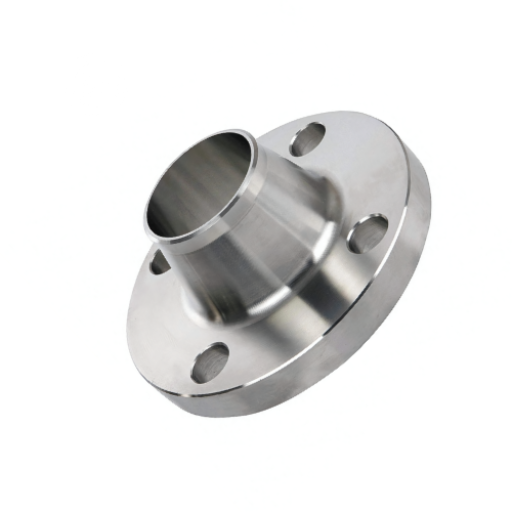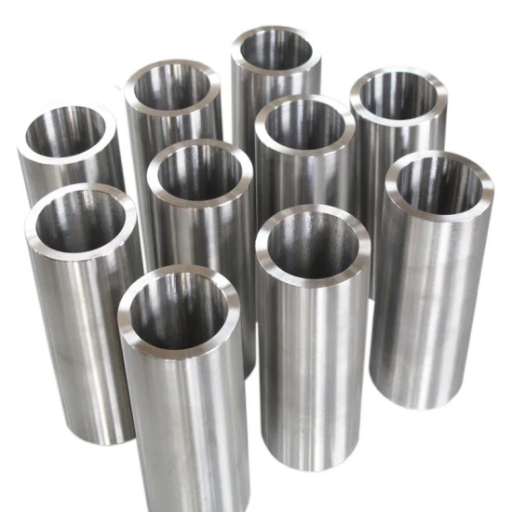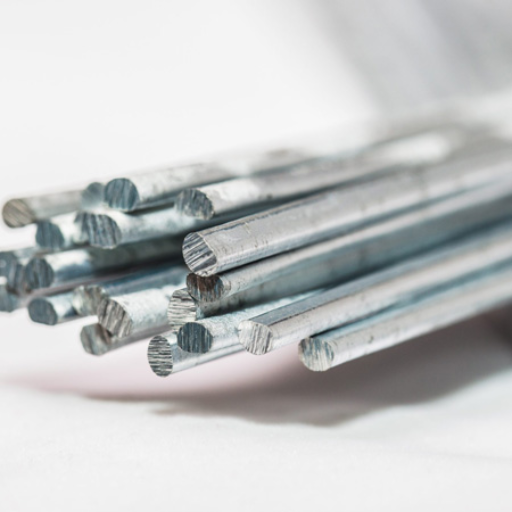
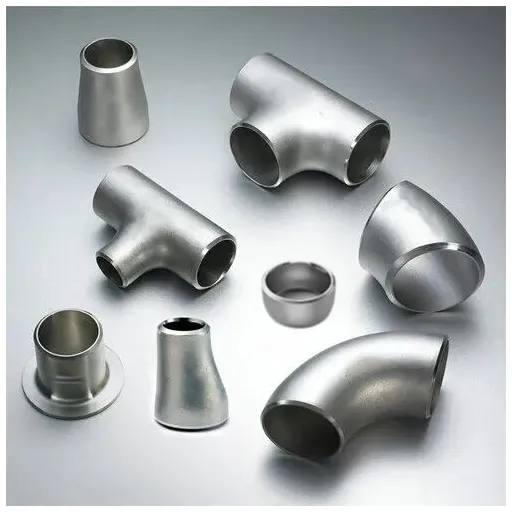
Stainless weld fittings are not only a trustworthy but also a dependable modern piping systems’ efficient-channels in all sectors. The quality of these parts, which are designed according to the top standards in strength, durability, and precision, gives a considerable influence on the gas and fluid transport in the piping system even changing the range of pressure, temperature, and environmental conditions. This detailed manual is meant for engineers, contractors, and professionals who want to enhance the system’s performance by the comprehension of the material’s advantages, uses, and technical specifics.
Introduction
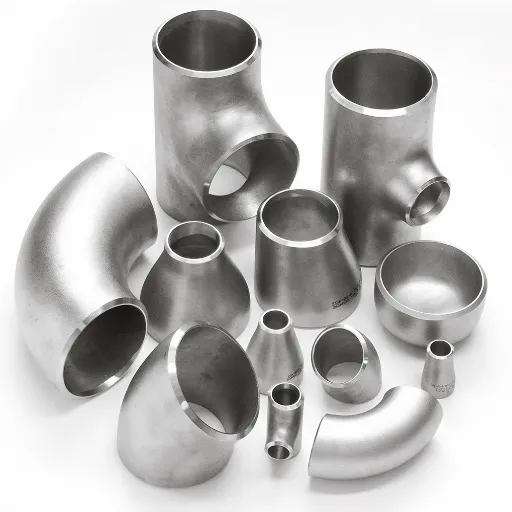
The Significance of Stainless Weld Fittings
Weld fittings crafted from stainless steel are indispensable in the making and servicing of top-notch piping systems used in various industrial sectors. The durability and resistance to chemicals of these materials make them trustworthy even in very harsh conditions where there is a presence of corrosive substances, moisture, and high or low temperatures. Up till now, the indicated search data has revealed that mostly professionals are looking for details on stainless fittings constantly due to the fact that they are so important in making connections that do not leak and in maintaining the whole system’s integrity.
Material science development has increased the application range of these fittings to the extent of covering towards the food-grade installations from petrochemical processing. Stainless steel weld fittings mean fewer process interruptions, lower maintenance costs, and enhanced safety—all crucial for a smooth, eco-friendly infrastructure.
Key Benefits Overview
- Reduced operational interruptions
- Lower maintenance costs over system lifetime
- Enhanced operational safety standards
- Environmental sustainability support
Durability, Hygiene, and Efficiency Contribution
Stainless steel weld fittings are designed to last by resisting damage from corrosive substances, heat, and heavy loads. Their durability is therefore advantageous in environments such as chemical factories, oil processing plants, and food manufacturing, which can be harsh over extended periods. Besides, the non-absorbent surface of the fittings not only prevents contamination but also ensures a sanitary condition, a key requirement in the health care and food production industries, where rigorous cleanliness standards must be adhered to to prevent bacterial growth and contamination.
📊 Industry Trend Insight
The latest search engine trends indicate the queries for “hygienic stainless steel fittings” and “corrosion-resistant piping solutions” have increased significantly, which means that there is a great deal of interest in the whole industry regarding productivity enhancement and at the same time, the compliance with regulations.
The use of stainless weld fittings means less maintenance, longer building life, and the assurance of complying with regulations. The combination of durability, hygiene, and efficiency makes a strong case for the use of these materials in various industries like medical, food, and others where health and safety are of utmost importance.
Growing Demand for Corrosion-Resistant Solutions
In different industrial research and search engine data, stainless steel weld fittings made of corrosion-resistant materials are slowly but surely becoming a necessity. This trend is most evident in the food processing, pharmaceutical, and water treatment sectors, which all demand cleanliness, longevity, and adherence to regulations. Recent studies have shown that there has been a significant increase in the number of searches for phrases like “durable piping solutions” and “anticorruption materials for pipelines,” thus showing the need for infrastructure solutions that are both eco-friendly and effective.
In terms of their integrity, stainless steel weld fittings turn out to be first choice material considering their resistance to corrosion, high strength and versatility within different environments. They are fabricated in such a way that they not only prevent leakage but also prolong the time between maintenance when used as part of seamless piping systems. The noticeable rise in internet searches related to “high-pressure piping applications” and “regulation-compliant fittings” suggests that there is an increase in the demand for materials that not only comply with the industry standards but also guarantee operational dependability and strict adherence to the sector regulations.
What Are Stainless Weld Fittings?
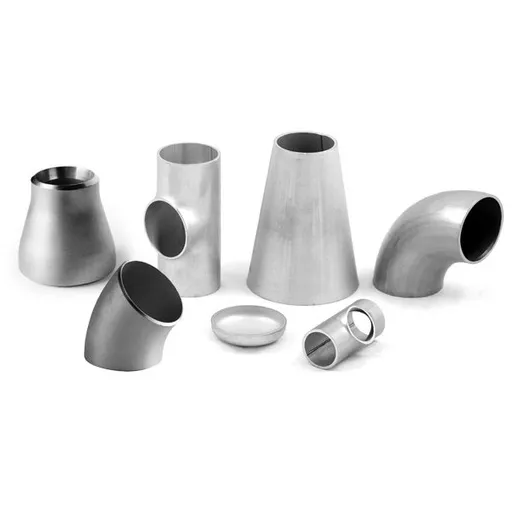
Definition and Role in Piping Systems
Weld fittings, particularly stainless steel ones, are essential elements of piping systems, as they can connect, redirect, or change the flow of gases and liquids in high-pressure or industrial pipelines. Their main material is stainless steel due to its non-corrosive property, high-temperature resistance, and good mechanical strength which together make the materials used in pipeline applications very common in sectors such as oil, food, and power.
The role of stainless weld fittings is more than just connectivity; they also enhance the durability of the systems, reduce the chances of leak occurrence, and facilitate the compliance with safety and operational standards imposed by the regulators. Recent trends on Google suggest that people are increasingly looking for terms such as “best stainless weld fittings” and “durable industrial weld joints,” which means that the manufacturers are compelled to provide reliable, high-performance components in critical applications. This is a sign that the industrial materials of today must be strong and at the same time, the design must be innovative, such that they meet both operational efficiency and sustainability goals in industries of the future.
Key Features of Stainless Weld Fittings
Weld fittings made of stainless steel are precisely shaped to conform to the harshest industrial application conditions. The following key features make them a preferred choice across various sectors:
🛡️ Corrosion Resistance
The use of top-class stainless steel as the primary material for manufacturing these fittings guarantees their resistance to corrosion even in places where there is an abundance of moisture, chemicals, or salt, thus making them last longer and needing replacements less often.
🔥 High-Temperature Tolerance
Fittings such as these deal with extremely hot and cold temperatures, and still very effectively keep their physical properties, hence they are the best choice for power generation plants and oil refineries.
💪 Strength and Durability
The sturdy and robust construction provides excellent mechanical strength, area to withstand high pressures, and wearing and mechanical stressing without losing performance.
🎯 Precision and Versatility
Manufactured utilizing the latest machining methods with precision tolerances so that they fit perfectly. They are adaptable to a wide range of industries from oil and gas to food processing and others.
♻️ Environmentally Friendly
They are recyclable, and long service lives, which permit them to support global sustainability goals and to mitigate environmental impact.
🔧 Low Maintenance Requirements
They are exceptionally resistant to rust and mechanical wear, therefore, they need practically no maintenance during their lifetime which is a great advantage for labor costs and minimal operational downtime.
The recent increase in search data for phrases such as “durable stainless weld fittings” and “industrial-grade weld joints” indicates to the desired properties and points out the customers’ priorities. The users want reliable options that have the characteristics of durability, good performance, and the ability to work in tough operational conditions. The coming together of strong demand and good product design has put stainless fittings as vital parts for the realization of industrial efficiency.
💡 Technical Insight: Enhanced Corrosion Resistance
Advancements in alloy blending—including adding elements like molybdenum and nickel—have made modern stainless fittings resistant to both pitting and crevice corrosion. This improvement proves their efficacy and positions them as dependable solutions for growing demand across different industrial applications.
Types of Stainless Weld Fittings
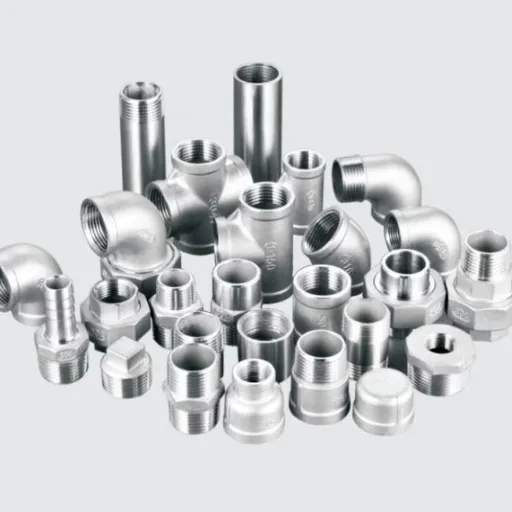
Socket Weld Fittings
Socket weld fittings are typically the fittings to pipes that have been welded and are most recommended for extremely strong, leak-proof connections in pipeline systems. Moreover, these fittings are preferred for high-pressure and high-temperature scenarios. The welding process used in this fitting type is such that the pipes are placed in a recess of the fittings and then a weld is made around the joint. The usage of stainless-steel socket weld fittings is gaining momentum as they are very resistant to corrosion, possess good strength, and have a long life.
By the way, organizations from the petrochemical, power generation, and food processing industries are using these fittings to keep their systems going even under the toughest conditions. The trend shows that there is an increasing demand for socket weld fittings with better specifications, especially those that comply with ASME standards, which is a clear indication of an industry-wide concern for safety, compliance, and performance in critical operations.
⚙️ Use in Small-Diameter Piping Systems
Socket weld fittings possess certain distinctive traits that render them perfect for small-diameter piping networks, especially their capability to endure the most adverse high-pressure and high-temperature conditions while still offering strong and leak-proof joints. Normally, these fittings are applied for pipes not exceeding NPS 2 (nominal pipe size of 2 inches) which are thus the most suitable option for confined and complex piping setups such as:
- Hydraulic systems
- Process instrumentation
- Precision control systems
Recent search trends indicate increasing interest in socket weld fittings for precision systems, particularly those required to meet ASME standards, showing that safety and efficiency in specialized applications are becoming major concerns.
Sanitary Fittings
Sanitary fittings are a must in food processing, pharmaceuticals, and biotechnology sectors where the highest level of cleanliness and sanitation are maintained. To make sure that dirt cannot stick to them at all, these fittings are constructed in such a way that their internal surfaces are smooth, which at the same time ensures compliance with very governmental FDA and ASME-BPE strict standards.
Query data from search engines reveals that there has been a significant rise in the number of searches about stainless steel sanitary fittings, which is a strong evidence that more industries are looking for dependable systems that not only comply with but also exceed the regulation requirements. Adopting this practice demonstrates that there is an increasing awareness of the necessity for aseptic connections in the case of high-purity environments, where even the smallest amount of product contamination might lead to serious damage.
Applications of Stainless Weld Fittings
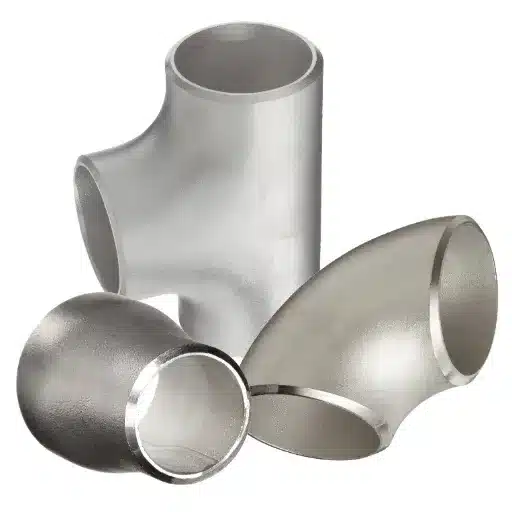
Pipelines and Refineries
Stainless steel weld fittings are completely indispensable in pipelines and refineries due to their best qualities like corrosion resistance, strength, and being able to stay under high-temperature and pressure conditions. The latest search engine research points to a rising interest in these fittings; hence, the emphasis on their importance in making fluid transfer systems effective and reliable.
The queries made most often indicate that industries are after ways that would allow them to achieve both efficiency and compliance with environmental and safety standards at the same time. The versatility of stainless steel coupled with its purity has resulted in its being the material of choice in areas where the controlling of contamination and the long-term performance are the two main requirements.
🏭 Benefits in Extreme Conditions
The outstanding merits of stainless steel fittings in extreme conditions come from their ability to resist corrosion, high temperature strength, and durability. The material’s strong character allows it to endure tough environments that include:
- Aggressive chemicals and corrosive substances
- High operational pressures
- Fluctuating temperature extremes
Stainless steel weld fittings have thus become indispensable in the above-mentioned industries along with others like oil and gas, chemical processing, and aerospace. The data from a recent search engine query shows that there is a steep increase in the number of people asking about materials that can resist corrosion, which is a sign of the developing awareness about the need for strong components in rough environments. The durability of stainless steel has a double effect: it not only cuts maintenance and downtime but also enhances the operational efficiency.
Food & Beverage Industry
The latest search engine data show that there is a considerable rise in the interest of stainless steel in food and beverage industries. The use of stainless steel in food and beverage applications is on the rise because of its non-reactive nature, ease of cleaning, and resistance to corrosion, which eventually leads to the abiding of the hygiene and safety standards—the most important factors in the food processing and storage areas.
The material’s qualities, including high-temperature and pressure resistance coupled with ability to handle temperature fluctuations, make it even more applicable in industrial kitchens and beverage production plants. The continuing trend favoring operational efficiency and regulatory adherence provides sustainability and cost savings over time.