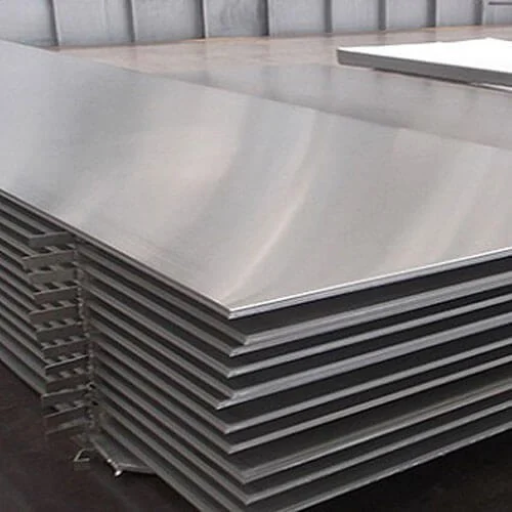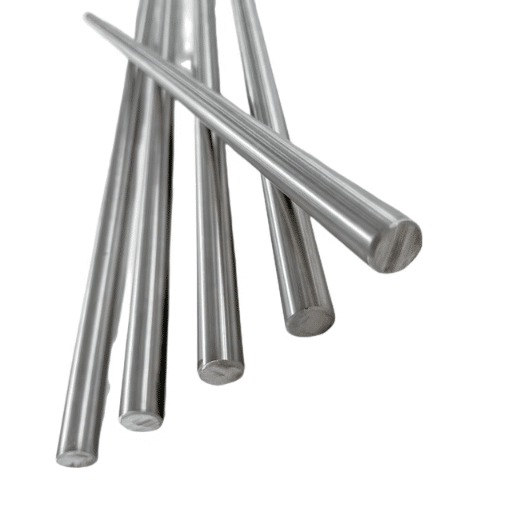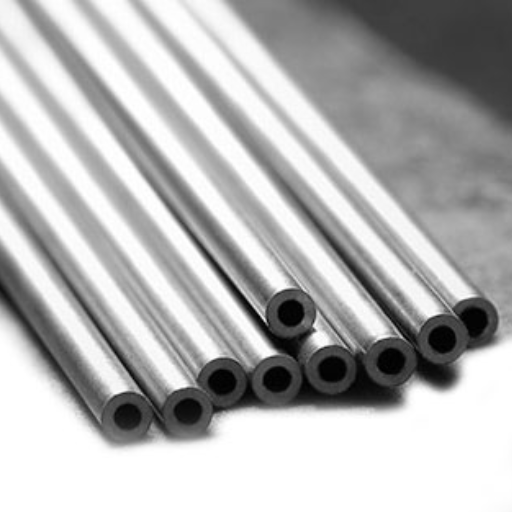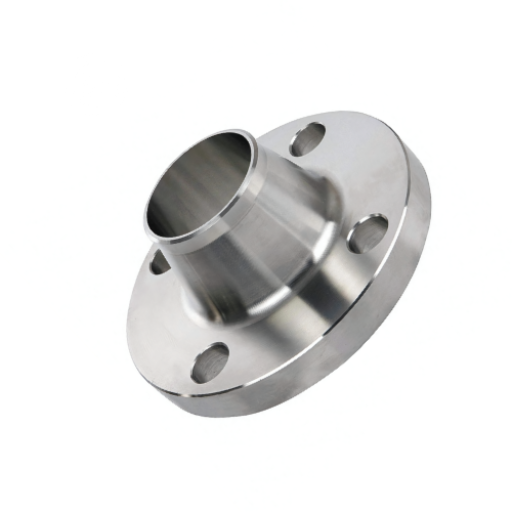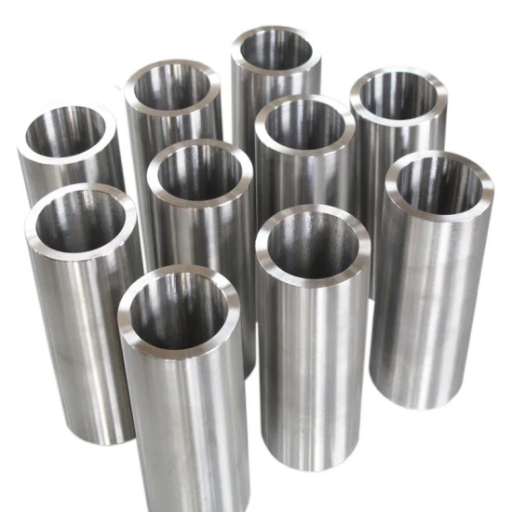
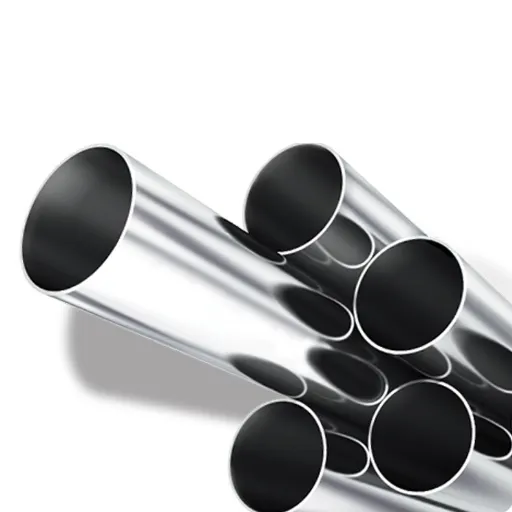
Sanitary stainless pipes are, without a doubt, one of the essential materials used in a variety of industries where hygiene, longevity, and the adherence to very strict regulations are the main criteria. The use of these pipes extends through all the different sectors, from food and beverage to the pharmaceutical industry, and they play a significant part in keeping the product pure and preventing harm to the consumer. The publication outlines the specifications which characterize the impressive attributes of the sanitary stainless pipes, their extensive use in various industrial applications, and the regulatory standards that determine their quality and use. By reading the entire guide, you will gain a complete understanding of the reasons why the pipes have become so indispensable in the operations of those places that are heavily regulated and what aspects to consider when selecting the right piping solution for your particular case.
Introduction to Sanitary Stainless Tubing

What is Sanitary Stainless Steel?
Sanitary stainless steel represents a group of steel products that are created and intended for the cleaning process, and for operations in which the need for hygiene is very high, hence the requirement for example in the food, pharmaceuticals and biotechnology industries. These metals have the characteristics of non-porous and smooth surfaces that are resistant to corrosion, growth of bacteria and contamination, and thus they keep their cleanliness and safety under conditions where sterility is critically important. The most widely used stainless steel grades for sanitary tubings are 304 and 316L, which are then polished or otherwise treated to get a mirror-like appearance with very low surface roughness values usually expressed in Ra (roughness average).
Sanitary stainless steel is to be produced under specifications that are practically synonymous with those determined by the standards like ASME BPE (Bioprocessing Equipment) and 3-A Sanitary Standards. The standards dictate the material composition, the tolerances and the finish requirements. Among its exceptional features are excellent chemical resistance, high temperature stability, and compatibility with the most severe cleaning regimes such as CIP (Clean-in-Place) and SIP (Steam-in-Place), which make it the only option for applications where product purity and compliance with the regulations are critical.
Benefits of Using Sanitary Tubing
Sanitary tubing comes with a number of crucial advantages that are in sync with the strictest hygiene, efficiency and regulatory compliance requirements in the industry. The major expected benefit is that it will reduce contamination risks in fluid transfer systems which is extremely important in sectors like pharmaceuticals, food processing, and biotechnology. The quality of the product’s surface finish and the seamless construction make it very unlikely that there will be any bacteria or other contaminating agents in the crevices that could cause a higher level of product safety.
Sanitary tubing, on the other hand, is manufactured for supporting tough sterilization methods, which also include Clean-in-Place (CIP) and Steam-in-Place (SIP) ways. Those cleaning methods will keep the tubing clean of residues and biofilms without taking it apart. This significantly cuts down on the time and complexity of operations and there is no possibility of mess-ups occurring as a result of the operation. According to the recent search trends and industry research, sanitary tubing that is made of stainless steel, especially grade 316L, is highly wanted because it can withstand harsh conditions like very high temperatures and very high corrosion levels.
When looked at economically, sanitary tubing may over time prove to be a cost-efficient investment by cutting down on maintenance and reducing product loss through contamination or tubing failures. It also plays a role in making it easier for companies to meet the requirements of regulatory bodies like the FDA and cGMP because its design automatically meets the sanitation and performance specifications set by these guidelines. Thus, combining safety, efficiency, and compliance, makes sanitary tubing a must-have to the environment of modern high-purity processing.
Key Applications in Various Industries
Sanitary tubing is indispensable in and can be found everywhere in industries where hygiene, durability, and regulatory compliance are the foremost concerns. The pharmaceutical industry considers it a must-have for the manufacturing of drugs, vaccines, and biologics because the sterilization of the entire process and no contamination of the final product are guaranteed. Not only does the food and beverage industry rely on sanitary tubing for the case of eating and drinking liquids like milk, juices, and alcoholic beverages, but it also has the clean-in-place (CIP) system for processing and meeting food safety standards, thus facilitating the whole process.
Meanwhile, high-purity tubing is an important factor in the biotechnology industry where its chem-resist ability is applied in the sterile transfer of sensitive biological materials. The semiconductor industry is another example of how sanitary tubing is used by them to supply ultra-pure water and other essential fluids for chip production that are required in the fabrication of chips. The latest statistics show that the rising demand for sanitary tubing in these sectors is more than likely to be caused by advancements in manufacturing technologies and global regulatory scrutiny being more stringent.
Specifications of Sanitary Stainless Pipe

Understanding ASTM A270 and ASTM A269 Standards
Two of the most significant standards for the sanitary and industrial applications of stainless steel pipes are ASTM A270 and ASTM A269, with the former being primarily for tubes in the food and drug industries and the latter for general industrial use. The main feature of the ASTM A270 standard is its specification of characteristics for both welded and seamless austenitic stainless steel tubing for sanitary production. The use of tubing under this standard is very much focused on the aforementioned sectors since they require absolute purity and corrosion resistance. Some of the major items to be accounted for are dimensional tolerances, surface finish criteria, and mechanical properties, which together ensure the cleanliness and the integrity of the pipe.
On the other hand, ASTM A269 specifies the characteristics of seamless and welded stainless steel tubing in the area of general industrial applications, which primarily concentrates on their corrosion resistance and durability. The standard opens a whole range of applications, including chemical processing, instrumentation, and fluid transport in less strict environmental conditions. While there are some common points between ASTM A270 and A269, the latter’s sanitary finish requirements and testing methods are, nonetheless, less stringent.
The most recent information provided by different sources, including search engines, corroborates that the observance of these standards is what enables to cope with the regulatory requirements that are constantly changing. For instance, the rapidly growing market of biotechnology necessitates the use of sterilized ASTM A270-compliant tubing, which is capable of even the highest purity levels maintaining its non-sterile. The industrial domain continues relying on tubing certified to ASTM A269 standard, which can survive in harsh operating conditions like very high or low temperatures and exposure to corrosive substances. The requirements of both standards are still the major support for the industries to provide quality and safe products.
Overview of 304 Stainless Steel Properties
304 stainless steel is one of the top grades of stainless steel accepted by most users due mainly to the outstanding mix of strength, corrosion resistance, and price. The alloy is composed of mostly iron (the percentage being around 70%), the other major elements being chromium (18-20%), and nickel (8-10.5%) with trace amounts of manganese, silicon, and carbon. These elements are responsible for the oxidation and rust resistance of the steel even in areas that are full of humidity and chemical pollution.
When it comes to the metal properties, 304 stainless steel has a tensile strength of 500-700 MPa and a yield strength of approximately 215 MPa. The 40% elongation at break proves the material’s ductility and makes it fit for the operations like forming and welding. Additionally, it enables the use of steel up to 870°C without any considerable loss in quality, though the characteristics may vary case to case depending on the specific environmental conditions.
Another factor contributing to the large-scale use of 304 stainless steel is its remarkable performance in different industries. For example, in the food and beverage industry, 304’s non-reactive surface allows for the product quality not to be affected or spoiled. Its good resistance to corrosion is one of the reasons why 304 stainless steel is the material of choice in chemical processing and its surface finish is also sometimes selected for architectural applications. Conversely, even though 304 is a multipurpose stainless steel grade, it is not suitable for heavy marine conditions as it suffers from chlorides pitting, unless proper preventive measures are taken.
Finally, the characteristics and versatility of stainless steel 304 make it an indispensable factor in both industrial and commercial applications, meeting the strict requirements of ASTM A270 and ASTM A269.
Comparison of BPE and 3A Standards
Both BPE (Bioprocessing Equipment) and 3A sanitary standards play an essential role in the hygienic design regulation of equipment that finds its application in the pharmaceutical, biotechnology, and food processing industries. The area of application, though, is one of the differences that set them apart along with their scope and emphasis.
The BPE standards, which are the property of the American Society of Mechanical Engineers (ASME), are practically all about bioprocessing equipment. The purer the application, the more the focus. These standards give a stern treatment to skimming and smoothing, materials, testing techniques, and welding geratures in the systems where product sterility is the top priority. BPE has been among the main obstacles to contamination for those industries where even a tiny amount of it could render the product useless or hazardous for the biologicals or vaccine manufacturing.
As for the 3A sanitary standards, they are the work of 3-A Sanitary Standards, Inc. and primarily cater to the dairy and food industries. Cleanability, ease of inspection, and reduction of contamination in processing equipment near the area where such equipment is not accessible to personnel are the major points of these standards. The standards in 3A seem to overlap with those in BPE, but they differ in the equipment’s accessibility and the sanitation cycle that is in place to facilitate routine cleaning and maintenance.
The latest findings suggest that there is a significant degree of convergence in the requirements for both sets of standards, all thanks to the advancements in hygienic design technology. Smooth surface finishes adoption (e.g., Ra ≤ 20 µin), stringent documentation protocols, and material traceability are the key areas of overlap. It should be pointed out, though, that meeting BPE does not necessarily mean that you are also meeting the requirements of 3A and the other way around, as every standard has its unique specifications which are tailored to different operational contexts.
So the decision between BPE and 3A standards is, in the end, a matter of the specific operational goals and regulatory requirements of an industry or process. It is vital to properly assess these standards against the intended application to guarantee compliance and the best operational performance.
Types of Sanitary Tubing and Fittings

Common Types of Sanitary Tubing
Sanitary tubing is produced with the utmost cleanliness and hygiene requirements in mind, thus becoming a mandatory component for the food and beverage, pharmaceutical, and biotechnology industries. The types of sanitary tubing that are most frequently seen include, but are not limited to, stainless steel tubing, silicone tubing, and PTFE (polytetrafluoroethylene) tubing.
- Stainless Steel Tubing: This type of sanitary tubing is mostly used in the industry because of its properties like high strength, rust resistance, and ease of cleaning, among others. 304 and 316L stainless steel grades are the most commonly employed and 316L has superior resistance to the corrosive environment thus it can be used in applications where there is chemical exposure.
- Silicone Tubing: Softness is the main property but also along with that it has the capability to withstand high and low temperature, besides it being biocompatible. The above-mentioned properties make silicone tubing preferred in the pharmaceutical and food industries where very clean conditions are a must. It can go through autoclaving and sterilization processes time and again without any effect on it.
- PTFE Tubing: This material has the very attribute of its high resistance and tolerance to very corrosive chemicals and high temperatures thus making it a suitable option where the environment is both corrosive and hot. A further advantage of its internal surface being so smooth is that it helps to minimize the likelihood of both contamination and product buildup.
- PVC (Polyvinyl Chloride) Tubing (not as common in ultra-sanitary contexts): Though being the least expensive option PVC tubing is only used in less strict sanitary processes and less demanding applications in terms of tubing lifespan caused by frequent replacement due to wear or degradation.
Regardless, sanitary tubing of every kind is indispensable, and in addition to that, each type is mainly chosen based on a combination of chemical compatibility, operating temperature, flexibility requirement, and adherence to industry-specific standards, such as FDA, BPE, or 3A certifications, among others. The proper choice along with the proper application of sanitary tubing is very crucial to system integrity, product safety, and regulatory compliance.
Sanitary Fittings: Types and Uses
Sanitary fittings and other essential parts are mainly employed in the food and beverage, biopharmaceutical, and cosmetic sectors where sterilization is imperative to ensure the products’ quality and safety. These fittings serve as connections for pipes or sanitary devices, at the same time, contamination is avoided due to easy cleaning, no crevices, and tight seals. The most used sanitary fittings are tri-clamp fittings, compression fittings, and butt-weld fittings.
Tri-clamp fittings, also known as hygienic clamps, are the leading fittings due to their easy assembly and disassembly that are suitable for cleaning and inspection frequent systems. Compression fittings have high-pressure applications as they provide a leak-proof seal through threaded connections. Butt-weld fittings guarantee low contamination risk through leak-proof and seamless connection thus their use is based on the strong bond created by welding. Generally, each fitting type is made of stainless steel, which is subjected to very demanding standards such as FDA, ASME-BPE, and the 3A Sanitary Standards.
The choice of sanitary fittings is done keeping in mind factors such as material compatibility, pressure ratings, and cleaning procedures which must be assessed in depth. The right choice not only guarantees adherence to the rules set by the authorities but also contributes to the efficiency and dependability of the sanitary process systems. The ideal fittings, along with the application of the industry recommendations, help the facilities in acquiring the best hygiene, safety, and functionality in their operations.
Choosing Between Welded and Spool Options
The selection of welded versus spool fittings is quite straightforward since the deciding factor is practically the suitability of the specific application, the kind of maintenance needed, and the environment in which the fittings would operate. Welded fittings result in a connection that is safe, secure, and leak-proof permanently and this makes them good for high-pressure systems, sterile environments, or even applications where there is a need for very low contamination risk. Such connections are particularly advantageous in the pharmaceutical and food processing industries, where the requirements for cleanliness and pipeline integrity are absolute. However, since welded fittings need skilled labor to be done, higher than normal coverage might be required and this can lead to increased maintenance downtime.
Spool fittings, on the contrary, offer the flexibility, simple assembly, and disassembly; thus they can be applied to the needs of the systems that require frequent cleaning, inspections, or even reconfigurations. They can also be used in industries with strict Clean-In-Place (CIP) or Steam-In-Place (SIP) protocols. As per the recent industry insights, searches show there is a growing trend towards spool fittings due to their capability of adapting to the ever-changing production environments quickly.
In the end, the decision of whether to use welded or spool fittings should be made taking into consideration material compatibility, process fluid characteristics, expected maintenance frequency, and compliance with relevant industry standards. Utilizing the most recent technological advancements and appropriate design principles
Polishing and Finishing Standards

The Pivotal Importance of Surface Finish in Sanitary Applications
Surface finish is the very foundation of the whole sanitation concept in its high-end and critical applications, and this, in turn, is the basis for system performance cleanliness, and less microbial contamination among others. A smooth, highly polished surface is a big minus to the imperfections such as irregularities, pits, and crevices that very often become the breeding ground for bacteria and other contaminants. This is absolutely vital in such industries as food processing, pharmaceuticals, and biotechnology that strictly observe the hygiene rules, which are often even more stringent than the latter.
The results obtained from recent studies and recommendations from the industry, as presented in the most recent search insights, reiterate the importance of being in line with Ra (Roughness Average) standards as one way to stop biofilm formation. For instance, an Ra value of 32 microinches or fewer is basically the standard for product-contact surfaces in these sectors. Different polishing techniques including electropolishing are frequently the ones used to furnish ultra-smooth surfaces and also give the material greater resistance to corrosion in the process.
Moreover, the FDA and ASME BPE (Bioprocessing Equipment) regulatory bodies have given specific guidelines for surface finishes to be followed in order to have compliance and reliability. The use of these standards not only cuts down the cleaning and maintenance duration, but it also guarantees product integrity and safety for consumers thus strengthening the already envisioned role surface finish plays in the sanitary system design.
Decoding 20RA and Other Polishing Standards
The “20RA” label is related to one specific roughness characteristics that describe the surface roughness of the part. The term “RA” stands for “Roughness Average,” a definite parameter that is used to express the level of surface roughness. The industry standard has its major areas of application in the biotech, pharmaceutical, and food manufacturing sectors since the surface texture has a direct impact on cleanliness, sterility, and efficacy. A roughness of 20RA means that the average height difference between the peaks and valleys of the contact surface is 20 microinches when the measurement is done in either microinches (μin) or micrometers (μm).
Mechanical polishing and electropolishing are mostly employed by the manufacturers to obtain a 20RA finish. The first technique makes use of abrasive materials to grind down the surface irregularities, while the latter employs electrochemical processes to remove microscopically fine surface material for an even finer and corrosion-resistant finish. There are also other polishing standards like 15RA or 30RA that are based on how much roughness is allowed for the surface depending on the applications.
The high-tech world we live in has made it easier to get the point across that modern developments have made it necessary to keep up with the newer regulatory guidelines that are partly based on audits by organizations like ASME BPE and ISO. Such guidelines are parallel to difficult performance metrics and safety regulations. In addition, recent search engine data points to the fact that the surface finish of the equipment has become an essential factor in contamination prevention and cleaning efficiency, especially in high-purity environments, such as in bioprocessing. Equipment surfaces that are maintained within specified roughness parameters ensure compliance with worldwide standards, thus eliminating the risk of microbial adhesion and at the same time improving operational efficiency.
Methods for Attaining Optimal Finish
To get the best surface possible, it will take a mixture of exact singular methods and techniques. Mechanical polishing is still the method most employed, it uses abrasive substances that are gradually softening the surface as per the specified level it must reach. In industries that need super-high purity, electropolishing is the method commonly pick, which dissolves surface material chemically to provide a very smooth and passivated finish that greatly minimizes the risk of contamination. Furthermore, contemporary methods such as laser surface texturing are coming up as precise techniques for altering the material surfaces to meet specific performance characteristics like being more easily cleaned and less susceptible to microbial adhesion.
Automatic finishing has been the process that manufacturers have most significantly picked up in popularity and the recent search trends are a clear indicator of this. The trend of controlling the quality of the products through the use of consistency rather than variability in the different manufacturing processes is what manufacturers are trying to do. With the combination of the real-time surface roughness measurement tools and automation, very stringent global standards are met. These techniques, coupled with data-driven optimization, are formed to the large-scale production of the industry without at the same time compromising the hygiene integrity. Organizations, through these advanced technologies, can turn to the newest best practices, reduce the risks, and at the same time reap the benefits of operational excellence.
Corrosion Resistance and Maintenance

Factors Affecting Corrosion in Sanitary Tubing
Corrosion in tubes intended for sanitary use is the result of several interconnected aspects, the most notable being the alloy, the environment, and the way they are maintained. Choosing the right material to make the tubing is very important; for instance, the use of stainless steel alloy 316L means that the tubing will be much more tolerable in a corrosive environment because of its higher chromium and molybdenum content. Conditions in the environment such as high humidity, changes in temperature, or cleaning agents that are aggressive can speed up the corrosion process. Moreover, surface integrity can be weakened by improper welding methods or the lack of passivation during the processing, and thus the tubing will be more liable to pitting and crevice corrosion.
New data from the industry, as well as search trends, have brought to light the need to keep an eye on the concentration of chlorides and the acidity of the environment in which the operations are taking place. Chloride content that is above the normal level usually found in cleaning solvents or saline solutions is one of the main causes of localized corrosion and this is especially true in cold and dark places. Moreover, having a pH value that is lower than 4 or higher than 10 can cause the protective layer of stainless steel to wear off, leading to increased degradation.
Routine checks, together with regular maintenance and compliance with the established cleaning procedures, are the keys to the introduction in and a continual supply of the sanitary tubing systems’ integrity and longevity.
Maintenance Practices for Longevity
Preventive maintenance is the key factor for the longevity and proper functioning of tubing systems especially in industries where corrosion and contamination are always a concern. The most recent data and best practices indicate that if ultrasonics thickness monitoring and eddy current testing are used as monitoring technologies, even the smallest signs of wear or structural defects will be spotted early. Moreover, the recent developments in the internet searches have shown that there is a lot of interest in research on predictive maintenance solutions based on AI algorithms which can analyze the performance data of the system to forecast possible breakdowns. The cooperation of this active monitoring method with digital predictions permits the managing of weaknesses before they escalate thus saving on the costs of repairs and the duration of unserviceability. Meanwhile, a controlled environment with appropriate humidity and temperature together with neutral pH cleaning agents will lower the likelihood of corrosion and the growth of microorganisms. These practices can help companies to consider their tubing systems as the life custodians.
How to Identify Corrosion Issues Early
Corrosion-related issues need to be recognized early and, therefore, the tubing systems need to be monitored for integrity and safety. The primary method of accomplishing this is to perform regular visual inspections wherein a designated person will look for discoloration, cracks, pitting, and surface irregularities. Also, Ultrasonic Thickness Gauges and Infrared Thermography are sophisticated equipment providing quite detailed information regarding the material’s degradation allowing the spot of the weak places which are below the surface. The installation of corrosion sensors or probes as part of a real-time monitoring system will lead to a continual accumulation of data on the environmental parameters such as humidity, pH, and chemical exposure that promote corrosion.
FAQ
What does the term sanitary tube mean and in what ways does it differ from standard tubing products?
Sanitary tube is produced following the ASTM A270 and 3A sanitary specifications and is meant mainly for the sanitary process and beverage industry where cleanliness is of utmost importance. Sometimes, the standard Stainless Steel tubing comes with very rough internal surfaces like 20 μ-in or 32 μ-in Ra, while the sanitary tubing has a smoother surface and may be bright annealed in some cases to lower the risk of contamination. The wall thickness and outside diameter (OD) tolerances are very close so that even tri clamp and ferrule connections made among the low variations of dimensions are always consistent. The tubing products for the hygienic use are normally subjected to eddy current testing and the heat number traceability is provided in the case that the tubing is from a particular batch having been made in accordance with ASTM and ASME specifications. During shipping and storage, either end caps or tri-clamp ends are often applied to ensure the tubing remains airtight.
What impact do the sizes and OD of sanitary stainless steel tubing have on system design?
Sanitary tubing sizes and OD will establish the flow rates and will also dictate the fitting compatibility, such as ferrule and tri-clamp assemblies, which are commonly used in the beverage industry and sanitary processes. The right OD and wall thickness choice guarantees compatibility with ASME BPE and a270 tubing standards and integrates the whole sanitary process equipment in terms of performance consistency. Designers need to take into account the point that the tubing can either be obtained in lengths of 20 feet or if it has to be cut to a certain length for the installation. It is not just stainless steel strip that goes into the making of the tubing, but the chemical elements of it will have to pass the strict limits such that corrosion resistance and strength will not be sacrificed. When you make an order, be sure to include the complete finished condition, the desired surface finish (like 20 μ-in or 32 μ-in for example), as well as any testing such as eddy current testing to confirm integrity.
What are the requirements that ASME BPE and A270 tubing set for the beverage industry?
ASME BPE and A270 tubing indicate the expectations regarding the materials, finishes, and testing that sanitary stainless pipe and sanitary tube installations have to pass in order to be considered hygienic and of the beverage industry quality. It is often the case that tubing meeting ASTM A270, and 3A sanitary or a270 and 3a sanitary standards comes along with the documentation indicating the alignment with ASTM A270, and ASME and ASTM specifications. Such requirements include the use of acceptable stainless steel strip for which the chemical composition and heat number traceability are provided, and may even require bright annealing and full finished condition for internal surfaces. Common tests include eddy current testing for defects detection and roughness measurement/checking, for instance 20 μ-in or 32 μ-in measurements. The purchasing managers need to make sure that the tubing products are made in accordance with ASTM and that the shipping and handling practices are such that the tubing remains airtight and protected by end caps or tri-clamp ends.
Is it possible to get the sanitary pipe in 20-foot lengths, or does it have to be cut to size?
Indeed, the sanitary pipe and tubing are provided in the standard 20-foot lengths (20 foot is the term often used) and can also be supplied cut tubing to the precise length required for a project. Quite a few suppliers deliver tubing in 20-foot lots and give cutting services so that components can be connected with ferrule or tri-clamp fittings without needing additional field cutting. Before placing an order for cut tubing, it is advisable to determine the wall thickness, OD, and finish requirements with respect to compatibility with sanitary process connections and preventing finishing compromise. For the purpose of traceability, the tubing is usually shipped along with a heat number and a certificate documenting that it was produced according to ASTM A270 or any other relevant standards. Proper freight handling with end caps and airtight packing ensures the hygienic condition of the product up to the time of installation.
What is the significance of wall thickness in the case of sanitary stainless steel tubing?
In the case of sanitary stainless steel tubing, wall thickness plays a crucial role in determining mechanical strength, pressure rating, and flow characteristics and thus it has a tremendous impact on the application areas of such tubing, i.e., hygienic or beverage applications. Increased wall thickness leads to a higher durability along with resistance to denting during the process of handling and freight, whereas reduced wall thickness is associated with lowering the weight and cost but also the robustness under pressure or cleaning cycles may corner the reduced thickness option. Wall thickness might also dictate the range of available tubing products as well as fittings compatibility such as ferrule ends and tri-clamp which are machined to fit specific OD and wall combinations. When talking about tubing, it is advisable to check if there is compliance with a270 tubing or ASME BPE requirements and to certify that the tubing has been tested, for instance, through eddy current testing, if necessary. The supplier should give the heat number and confirm that the tubing is made from stainless steel strip whose chemical elements are within the specified limits.
What are the finishing and testing steps that keep the sanitary tubing hygienic and airtight?
Sanitary tubing finishing steps like bright annealing and polishing to a 20 μ-in or 32 μ-in internal finish lower the number of places where bacteria can stay and are crucial for sustaining the purity of the process lines. Among the preventive measures for the detection of subsurface flaws are eddy current testing and other nondestructive examinations which take place before the tubing is shipped, and heat number traceability confirms material origins as well as that it was manufactured in accordance with ASTM and ASME specifications. Proper end preparations like tri-clamp ends, ferrule fittings, and the application of end caps keep tubing airtight during freight and storage. Tubing products shipped in full finished condition should be inspected on arrival to ensure no damage occurred during transit. Maintaining these controls ensures the tubing remains suitable for beverage industry or hygienic applications.
Reference Sources
-
Report Covering the Proposed Science Building
Fort Hays State University Scholars Repository
This report discusses piping systems, including sanitary and drainage piping, in the context of laboratory equipment and building infrastructure. -
E-SEM Characterization of Escherichia coli Biofilms Grown on Copper-and Silver-Alloyed Stainless Steels
Virginia Tech VTechWorks
This study examines the biofilm resistance of stainless steel alloys, relevant to sanitary applications in food and pharmaceutical industries. -
Implementation of American Iron and Steel Provisions
U.S. Environmental Protection Agency (EPA)
This document outlines standards and requirements for stainless steel piping in compliance with American Iron and Steel provisions.