The HVAC system and refrigeration system use copper tubing as their standard material because of its proven effectiveness. The material serves as a reliable base for systems which need to operate successfully throughout their entire 40-year lifespan because of its ability to conduct heat, resist corrosion, be shaped into different forms, and maintain its strength over time. The decisions you make at the selection stage will directly determine system efficiency and energy consumption and service life for equipment which you will use in a new installation and an existing system upgrade and a specific tube grade evaluation. The guide provides all necessary information about various copper tube types and their characteristics and established standards and methods for choosing between them which enables users to make precise technical specifications.
The Role of Copper Tubes in HVAC and Refrigeration
Why Copper Is the Industry Standard
Copper’s dominance in HVAC and refrigeration engineering is grounded in a combination of physical properties that no competing material replicates across all relevant performance dimensions simultaneously. With a thermal conductivity of approximately 401 W/m·K — surpassing both aluminum and stainless steel — copper enables heat exchange operations to proceed at high speed while minimizing energy consumption. This single property makes it the most thermally efficient material available for heating and cooling system construction.
Equally important is copper’s inherent resistance to corrosion. When copper first contacts air, it forms a protective oxide layer that shields internal surfaces from ongoing chemical degradation — even in systems that operate across fluctuating pressures, temperatures, and moisture levels. This reduces leak risk and extends the operational lifetime of critical components without requiring supplementary protective treatments.
Modern copper manufacturing has further advanced performance through microgroove tube designs that expand heat transfer surface area within a compact form factor — supporting the industry’s ongoing shift toward higher-efficiency, lower-footprint system designs. Copper’s high recyclability rate (85–90%) and alignment with sustainability goals round out its value proposition for specifiers working within increasingly strict environmental requirements.
Copper vs. Competing Materials
Functions in Refrigeration Systems
In refrigeration, copper tubing performs two foundational roles: transporting refrigerants under varying pressure levels and facilitating heat exchange between the system and its surrounding environment. The efficiency of both functions is directly tied to copper’s thermal conductivity — the higher the conductivity, the more effectively the system transfers heat and the less energy is required to achieve target cooling performance.
Copper’s malleability and tensile strength enable engineers to design refrigeration systems with both geometric complexity and dimensional precision — configurations that more rigid or less workable materials would not accommodate. The compatibility of copper with contemporary refrigerants, including the newer low-GWP alternatives entering the market under evolving environmental regulations, further strengthens its position as the refrigeration industry’s preferred tube material.
Types of Copper Tubes Available

Soft vs. Hard Copper Tubing
Soft Copper (Annealed)
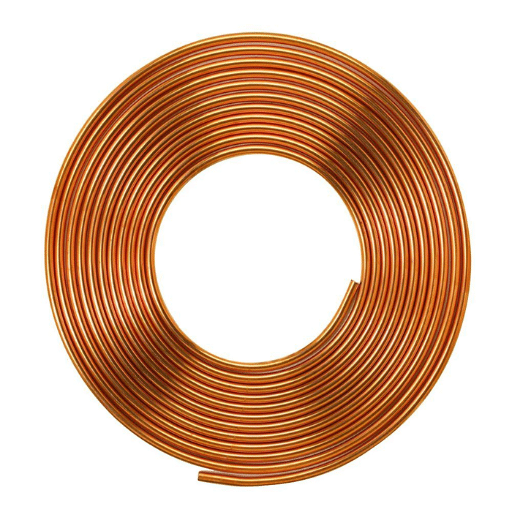
Supplied in roll format, soft copper tubing provides the flexibility needed for complex routing in confined spaces and applications where bends must be formed without specialized tools. Its dynamic performance under temperature changes and pressure variation makes it the standard choice for residential and commercial refrigeration systems, as well as HVAC installations, plumbing, and gas line applications that require adaptable routing.
Best for: flexible routing, tight spaces, residential refrigeration, dynamic environments.
Hard Copper (Rigid)
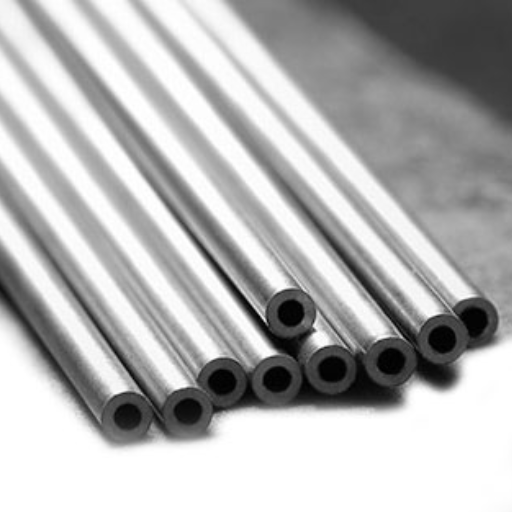
The hard copper tubing comes in straight lengths which have fixed dimensions to provide the required structural strength needed for permanent high-demand installations. The material withstands physical impact while enduring high-pressure and high-temperature environments, and it creates strong permanent connections through soldering and brazing. The plumbing systems and HVAC systems and industrial systems use three wall thickness options which include Type M and Type L and Type K to meet their complete pressure and durability needs.
Best for: permanent fixed installations, high-pressure systems, industrial infrastructure.
Grades and Standards: ASTM B280 Compliance
ASTM B280 is the governing specification for seamless copper tube used in air conditioning and refrigeration field service. It defines the size and performance requirements that manufacturers must meet to guarantee safe and efficient operation within HVAC systems. The standard requires 99.9% copper purity with tightly limited alloying elements — a purity level that directly ensures the corrosion resistance and long-term performance the specification is designed to protect.
| Type | Wall Thickness | Pressure Rating | Typical Application |
|---|---|---|---|
| Type K | Heaviest wall — maximum thickness | Highest — suitable for high-pressure systems | Underground, high-pressure refrigeration and gas lines |
| Type L | Medium wall — balanced specification | Moderate-to-high — versatile range | Residential and commercial HVAC, plumbing, refrigeration |
| Type M | Thinnest wall — lightweight design | Moderate — for lower-demand applications | Residential plumbing, HVAC drainage, low-pressure systems |
Benefits of Using Copper Tubes

Key Performance Data
- ▸Copper thermal conductivity: ~401 W/m·K — the highest of any commercially available tube material for HVAC applications.
- ▸Global copper recycling rate: 85–90% — maintained without loss of original material properties through the recycling process.
- ▸Recycling copper requires up to 85% less energy compared to primary copper production from raw ore.
- ▸Approximately 30% of global copper consumption is sourced from recycled material — reflecting strong industry adoption of circular economy principles.
Core Material Benefits
Corrosion Resistance and Longevity
The protective oxide layer that forms when copper contacts air protects the metal because it creates a permanent defense against all chemical attacks which include oxidation and moisture reactions and pressure changes and temperature variations. The natural property of this material causes it to lose less mass throughout its lifespan while it decreases the chance of leaks and increases the operational lifespan of equipment used in homes and industrial facilities without needing extra surface protection.
Thermal Conductivity Advantages
Copper’s thermal conductivity of approximately 400 W/m·K at room temperature enables heat release at the speeds that heat exchangers, HVAC systems, and electronic cooling applications require. The thermal properties of copper maintain their performance throughout an extensive temperature range which most competing materials fail to demonstrate. Engineers are now specifying copper in emerging thermal management applications including EV battery systems and high-performance computing cooling infrastructure for precisely this reason.
Recyclability and Environmental Performance
Copper achieves one of the highest recycling rates because 85 to 90 percent of its total output can be reused and all recycled copper maintains the original qualities of its base material. The energy savings from recycling versus primary production reach up to 85%, and approximately 30% of global copper consumption is now met through recycled sources. The existence of these characteristics supports carbon neutrality objectives together with resource efficiency goals which makes copper specification suitable for existing regulatory requirements and future sustainability objectives.
Key Factors to Consider When Choosing Copper Tubes

Application-Specific Requirements
- 01
Operational Pressure and Temperature RangeThe system’s peak operating pressure and temperature envelope is the primary specification driver. High-pressure systems require Type K copper tubes for their thick-wall construction, while Type L adequately serves the majority of residential and commercial applications. Verify that the selected grade meets or exceeds system design pressure limits with an appropriate safety factor.
- 02
Fluid and Refrigerant CompatibilityThe tube grade must be tested to ensure it matches the chemical needs of the refrigerant used in the system. ACR-grade copper with high purity specifications is required for refrigerant applications. Systems must test their compatibility with new low-GWP refrigerants according to existing industry standards and refrigerant manufacturer specifications.
- 03
Environmental Exposure ConditionsAssess whether the installation environment involves exposure to corrosive substances, high humidity, dissimilar metal contact, or unpredictable temperature cycling. These factors contribute to galvanic corrosion and accelerated material degradation over time — influencing both tube grade selection and required protective measures during installation.
- 04
Diameter and Wall Thickness OptimizationOuter diameter (OD) and wall thickness directly determine the tube’s pressure-bearing capacity, heat transfer efficiency, and resistance to mechanical wear. System-specific calculations based on refrigerant type, operating pressure range, and thermal loading conditions should govern dimensional selection — using ASHRAE and ISO guidelines to validate that the chosen OD-to-wall-thickness ratio meets both performance and energy efficiency requirements.
- 05
Standards Compliance and CertificationThe organization must verify that all ACR-grade refrigeration tubing meets ASTM B280 standards. The compliance assessment shows that the material achieved all required testing standards while maintaining required purity and dimensional specifications that enable safe and efficient system operation. The project team must obtain certification documents from the manufacturer which include eddy-current test results and pressure test results to keep with project files for regulated installations.
Installation and Maintenance of Copper Tubes

Best Practices for Installation
Installation Best Practices Checklist
- ✓ Select the correct tube type — Type K, L, or M — matched to the system’s pressure, temperature, and application requirements.
- ✓ Use a dedicated tube cutter to achieve clean, burr-free cuts — burrs left in the tube bore create blockages and flow restrictions.
- ✓ Solder or braze joints with clean surfaces, evenly applied flux, and correct heating temperature — improper jointing is the primary cause of post-installation leaks.
- ✓ Conduct post-installation leak testing with inert gas pressure testing to verify complete system integrity before commissioning.
- ✓ Prevent dissimilar metal contact by installing dielectric unions or appropriate fittings at copper-to-other-metal transitions to eliminate galvanic corrosion risk.
- ✓ Apply thermal insulation and provide adequate support spacing to protect against thermal performance loss and mechanical stress from inadequate anchoring.
Common Issues and Troubleshooting
Maintenance Tips for Maximum System Longevity
Maintenance Protocol
- ▸ Conduct regular visual and functional inspections to identify early-stage corrosion, developing leaks, and mechanical wear — addressing issues before they escalate to performance-affecting failures.
- ▸ Clean at scheduled intervals using non-corrosive cleaning solutions to remove mineral deposits and restore optimal flow performance throughout the system.
- ▸ Maintain water pressure and temperature within the manufacturer-specified operational limits — operating beyond these parameters accelerates material fatigue and shortens service life measurably.
- ▸ Use data-driven water treatment monitoring — including pH tracking — to detect conditions that lead to pinhole leaks and internal pitting before they develop into service-affecting defects.
Frequently Asked Questions
Reference Sources
- ▸A Laboratory Study of the Failure Analysis of Copper Tube Used in the Air Conditioning Heat Exchanger Examines failure mechanisms in HVAC copper tubes with focus on refrigerant interaction and material degradation pathways.
- ▸Mechanical Behavior of Internally Pressurized Copper Tube for New HVACR Applications Investigates the mechanical performance characteristics of copper tubes under operational pressure conditions in commercial HVAC systems.
- ▸Experimental Tests of Copper Components in Ventilation Systems for Microbial Control Studies the effectiveness of copper components in suppressing microbial growth within HVAC ventilation system environments.