Understanding Aluminized Steel
Composition and Properties
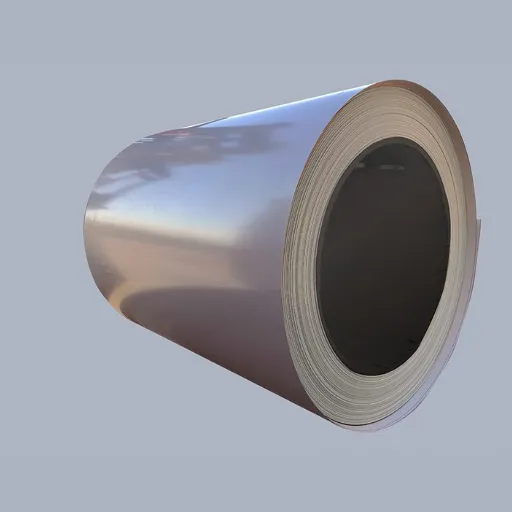
Aluminized steel is a product of a process where carbon steel is coated with an aluminum-silicon alloy. Thus, the outcome is a steel that possesses the strength and economic efficiency of carbon steel and also has the properties of aluminum, such as, corrosion resistance, and thermal reflectivity. The layer of aluminum-silicon serves as a strong and hard shield that secures the steel core from the elemental factors of moisture, heat, and oxidation. This alloy is favored in the places where the material has to withstand a lot of heat, e.g., in the automotive exhaust systems or industrial ovens, because it can take the thermal strain without much loss of its properties.
Recent sources of research have outshone its benefits in the cases where both the structural integrity and the cost-effectiveness are of the utmost importance. The performance of aluminized steel is universally acknowledged to be extraordinary under the impact of heat and corrosion, making it the most accepted material in a range of industries. The merger of these traits is one of the prime reasons why the material of choice for specialized applications has been and still is aluminum steel.
Advantages of Aluminized Steel
Aluminized steel is a metal that has a range of properties that make it unique. First and foremost, among the numerous advantages of aluminized steel, the major one is its exceptional corrosion resistance which is obtained through the application of an aluminum-silicon alloy that works as a shield between the steel core and the outside where oxidization and rust take place. In addition, the metal’s remarkable thermal reflectivity is a further factor that makes it a candidate for use in the manufacture of ovens, furnaces, and exhaust systems since it can reroute heat and at the same time keep the building intact.
✓ Key Benefits of Aluminized Steel
- ✓ Outstanding corrosion resistance through aluminum-silicon coating
- ✓ Excellent thermal reflectivity for high-temperature applications
- ✓ More cost-effective than stainless steel
- ✓ Lightweight nature for easier handling and transportation
- ✓ Combines durability with affordability
The latest news reveals that the material is cheaper than stainless steel and hence the consumer enjoys both durability and low-price in the same breath. Besides, the lightweight nature of aluminized steel is counted as one of its merits, which not merely eases the handling but also minimizes the costs involved in its transport during industrial use. Nevertheless, the material still has very appealing physical properties that allow it to be among the many industries attracted to its use, such as automotive, construction, HVAC systems, etc. The reasons stated above explain why the market still considers aluminized steel to be a highly sought-after material for both commercial and industrial applications.
Common Applications of Aluminized Steel
Aluminized steel has become a material of choice for so many industries due to its remarkable combination of properties like corrosion resistance, sturdiness, and thermal stability. The automobile industry is one of the most significant areas of use where it is applied for exhaust systems, mufflers, heat shields, and even as a raw material for those parts being able to withstand high temperatures without getting oxidized. In addition, the construction industry can be said to be a regular user of coated steels when it comes to the use of roofing, siding, and structural support elements since their strength and lightness work together.
Moreover, the material is extremely necessary in the HVAC manufacturing sector mostly in ductwork and heating elements, where its heat-reflective and corrosion-proof features guarantee the good and long-lasting nature of the products. Furthermore, the food processing sector relies on the aluminized steel for baking trays, ovens, and industrial cooking equipment since it is compliant with food safety standards and capable of withstanding very high temperatures. Besides that, the energy sector and specialty manufacturing are two more examples of industries that take advantage of aluminized steel for piping, boilers, and furnaces.
Industry Insight: In addition, making it greenest besides being the most cost-effective in current industrial applications are its latest trends of sustainability and durability discussions together with the steel’s excellent characteristics. Its versatility is supported by its not only being a durable but also a long-lasting performer, which means that it will be critical in various industries around the globe.
Exploring Stainless Steel
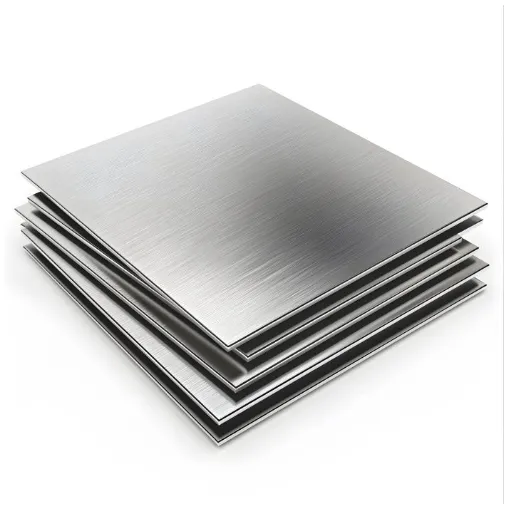
Composition and Properties
The fundamental composition of stainless steel is iron, chromium, and carbon combined in varied proportions, along with nickel, molybdenum, and manganese that are categorized as alloying elements, other metallic elements being present in smaller amounts. Among them, chromium is the major element that contributes to stainless steel’s resistance to corrosion and hence is always in the amount of 10.5% as a constituent at the minimum. A layer of chromium oxide is formed by the chromium on the surface, thus blocking the rusting of the metal and oxidizing the oxides. For instance, nickel fortifies the material and lessens its brittleness, on the other hand, molybdenum increases the material’s resistance to pitting and crevice corrosion.
The last few years’ data clearly indicates that there is a rise in the demand for stainless steel, primarily due to the versatility and sustainability characteristics. The industries are utilizing the non-reactive and robust properties of the material in various applications from medical instruments to construction materials. Additionally, the advancements in the manufacturing process have opened up ways to access the top-notch stainless steel grades which not only come with excellent strength but also are of great durability thus allowing the material to assert its influence in a wide variety of fields.
Advantages of Stainless Steel
Stainless steel is a material that possesses a variety of properties that make it indispensable in different industries. Among the metal’s many features, the most attractive one is its durability which is the main reason for its use in the most extreme environments cutting down the costs of replacements and maintenance. It is also the strength and resilience of the material which allows it not only to be used in structural applications but also in the production of very delicate and precise tools. Besides, stainless steel is a highly recyclable material that fits perfectly with the world’s growing concern for eco-friendliness. Trend data from the last few years indicates that among the many aspects of stainless steel, its energy-efficient production and hygienic properties, especially in the medical and food-related applications, are the most attractive ones. Through these attributes, not only does the stainless steel strengthen its position as the preferred material but also gives an indication of its capability to adjust to the changing scenarios in both the industry and the environment.
Common Applications of Stainless Steel
Stainless steel is a material that offers a range of advantages such as long life, corrosion resistance, and versatility, which eventually earned it a place in various industries and applications. According to recent statistics, people are equally curious about stainless steel’s medical applications, mainly in the production of surgical instruments, hospital equipment, and implantable devices, where non-reactive and hygienic properties of the stainless steel are vital. Apart from that, stainless steel is a preferred choice in food processing industries for kitchenware, storage containers, and transportation equipment that require safety and easy cleaning.
Another sector that extensively uses stainless steel is the construction industry. The material is used for cladding, handrails, and other structural elements in buildings primarily because of the aesthetic appeal and durability of its performance. Likewise, the automotive and aerospace industries are among the biggest consumers of stainless steel in the form of exhaust systems, engine parts, etc., which are marked by the requirement of high strength and the ability to withstand extreme conditions. Furthermore, the latest search trends indicate the reasons behind the increasing interest in the sustainable and energy-efficient characteristics of the metal, thereby confirming its standing as one of the core materials in the present-day industry.
Comparative Analysis: Aluminized Steel vs Stainless Steel
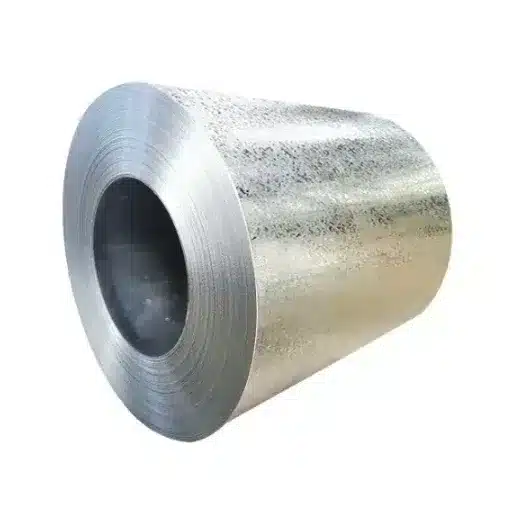
Corrosion Resistance
One of the most important elements in the choice between aluminized steel and stainless steel is corrosion resistance, and stainless steel has been the winner of this battle through its natural properties. It is the combination of iron with chromium and various alloying materials that gives steel the passive oxide coating as a by-product, which in turn, helps steel resist rusting and corrosion even in extremely harsh environments. This property is a great asset in marine and chemical processing industries where the use of metals with the aforementioned characteristics in contact with moisture, salt, or chemicals is inevitable.
On the contrary, aluminized steel has an aluminum-silicon alloy coating that provides very little protection against corrosion and that only under mild conditions. Though, of course, it is cheaper than stainless steel, it does not last as long and its resistance is also lesser than that of stainless steel in very corrosive areas. The reputation of stainless steel’s excellent corrosion resistance is now changing to that of an essential quality and thus, it is being more widely used and demanded in various applications, especially in the very industries which are committed to the use of durable and sustainable materials. So, the stainless steel demand for maintaining the structure intact over long periods of time is signaled; in many cases, it becomes the right material for those applications requiring high corrosion resistance.
Heat Tolerance and Thermal Conductivity
In addition to its great heat tolerance and thermal conductivity, stainless steel is an essential material for many industries and especially those that depend on high-temperature performance. Recently, the search data implies that the public’s interest in the power of stainless steel to withstand extreme temperatures and in its heat transfer efficiency has increased significantly. The use of this material in the equipment like heat exchangers, industrial ovens, and pans indicates the rapidly rising interest in the properties and applications of stainless steel. The above-mentioned qualities of stainless steel, plus its strength under heat, make it supreme over others. Its thermal conductivity is another factor that helps in even and quick heat distribution which makes the material highly preferred and trusted in both industrial and domestic applications. These trends are not only a reflection of the significance of stainless steel in high-temperature applications but also of its evolving role regarding modern material requirements.
Durability and Longevity
When it comes to durability and longevity, stainless steel will be the choice material time and again; this is one of the main reasons it is so popular. A trends analysis of the past couple of years reveal that searches for terms such as “long-lasting materials” and “corrosion-resistant metals” have increased significantly, thus indicating that consumers are in favor of durable materials. The positive side of stainless steel is that its price does not always reflect its quality, since it can be in use for a long time and still function properly even in the most challenging environment of the toughest conditions. Moreover, it is the best option for building, machines, or day-to-day items by virtue of the fact that it is virtually proof against rust, corrosion, and scratches. Besides, the material can be melted and shaped again and again without losing its quality; thus, its lifetime is increased. This ability to keep on being the same even when recycled is a strong point that puts stainless steel ahead of other materials in the industries that care most about durability and nature-friendliness.
Cost-Effectiveness of Aluminized Steel and Stainless Steel
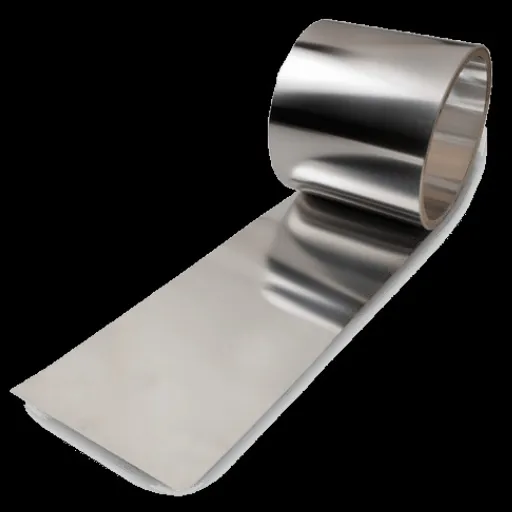
Initial Costs and Long-Term Value
Initially, the cost and the long-term value were among the most important factors when comparing aluminum-plated steel with stainless steel. Aluminized steel, in most cases, offers a lower initial cost and therefore, it is the right choice for projects or applications with a short-term focus or limited budget. On the contrary, stainless steel, which is initially more expensive, provides unrivaled durability and corrosion resistance leading to a significant reduction in maintenance and replacement costs over time. Stainless steel is thus considered the most economical material for the long term by many industries that need materials to withstand harsh conditions or have a long life.
The newest market analysis indicates that stainless steel’s long life and good performance have resulted in a strong global market trend preference for it in the construction, automotive, and medical equipment sectors. Aluminized steel, on the other hand, is mostly used for products such as exhaust systems or heat exchangers, wherein its cost-effectiveness and heat resistance are the main criteria. The project-specific requirements will ultimately determine the decision, and it is necessary to evaluate the upfront investment against the performance reliability over the time.
Market Trends in Pricing
The recent data suggests that the pricing trends of stainless steel and aluminized steel have been fluctuating mainly due to the cost of raw materials, supply chain issues, and global demand patterns. Stainless steel, known for its great durability and corrosion resistance, is normally more expensive, which is a sign of its high-quality and longevity benefits. On the contrary, aluminized steel is still cheaper initially making it the choice for applications that are budget- and project-aware, especially where heat resistance is required but corrosion resistance is not. The latest search data also points out that the inquiries about cost-effective materials are reflecting a rising trend in demand for a mixture of performance and economy, thus indicating that the companies are gradually optimizing the material selection in terms of their long-term value rather than just the initial cost. Consequently, this trend emphasizes the requirement of considering the material choice predominantly based on the overall project objectives and the market demand.
💡 Cost Consideration Tips
- Budget-Conscious Projects: Consider aluminized steel for lower initial investment
- Long-Term Applications: Invest in stainless steel for reduced maintenance costs
- Performance Priority: Evaluate material choice against project lifespan requirements
- Market Analysis: Monitor raw material prices and supply chain trends
Industry-Specific Uses and Recommendations
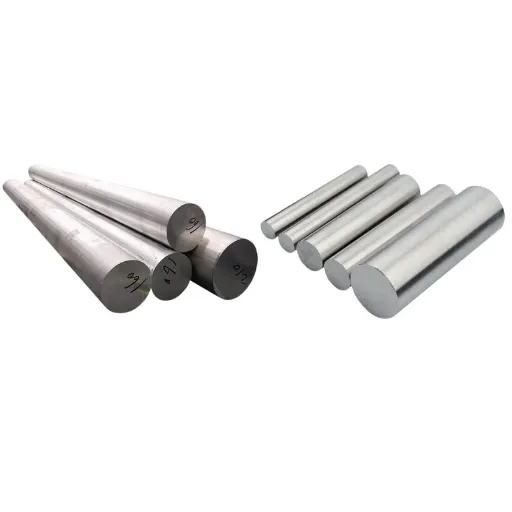
Automotive Industry: Mufflers and Exhaust Systems
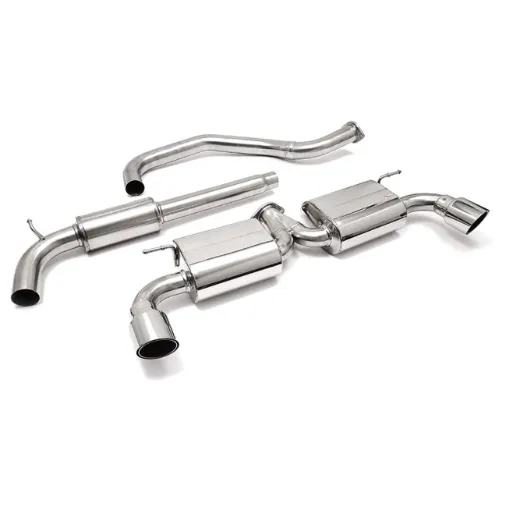
One of the most frequent questions during the analysis of recent search data from various countries is ”Which materials are the cheapest to produce the mufflers and exhaust systems with?” The main materials for these uses are stainless steel, aluminized steel, and titanium to a certain extent. Stainless steel remains the leading material due to its exceptional corrosion resistance and durability which makes it a perfect choice for extremely high-performance in very harsh conditions for many years. Aluminized steel, however, less costly, offers a fair balance between price and rust resistance. Lastly, titanium, although it is expensive at first, provides an excellent strength-to-weight ratio and durability that might make the investment in high-performance or luxury cars worthwhile. Manufacturers and companies have to evaluate these materials concerning their design goals, the market they are appealing to, and their budget limitations in order to find the right balance between cost and performance.
Construction and Manufacturing Applications
Durability and versatility are the two main reasons why steel is still the first choice of material in the building industry. One of the reasons is the construction of skyscrapers, the erection of bridges, and the setting up of factories. Heavy weights can be supported by steel in the frameworks without the loss of strength; therefore, it is very much in demand for these purposes. Besides, steel is completely recyclable, and that property of its adds to the advantages of steel buildings, which is one of the main reasons why steel is gradually getting more important as the attention is turning to green building practice.
Nevertheless, the opposite case is true for aluminum; it is the metal that has been favored by many manufacturers and constructions where its light weight is the main benefit, such as in window frames, roofs, and curtain walls. The metal’s resistance to corrosion along with its easy processing has made it one of the favorite materials for the designers who are looking to create energy-efficient and low maintenance buildings.
The titanium case is a bit different; in the manufacturing sector, it is slowly being adopted mostly by the aerospace and medical sectors. Its high strength and extreme condition resistance have opened up applications like jet engines, spacecraft, and even surgical implants. The latest data suggests a steady increase in the demand for titanium alloys due to 3D printing, which is now enabling cheaper and more precise production methods.
The industries are not just solving the issues of efficiency, sustainability, and performance for today but also reaping the benefits of the properties of materials and the associated innovative technologies.
Choosing the Right Material for Your Project
Selecting the appropriate material for your project is a decision of great significance since it determines the performance, longevity, and cost-effectiveness of the project. The latest data from search trends and industry reports, for example, indicate that titanium alloys are at present the most preferred materials for applications that require a combination of high strength, corrosion resistance, and light weight. On the other hand, that is the case with aluminum or stainless steel which are less expensive and might be the right selection for a project that does not have much of a budget or where easy manufacturing will take place. The consideration of the necessary loads, climatic effects, and budget constraints has to be done in a very thorough way before arriving at a decision. Moreover, if you are able to take into account all these factors along with the knowledge of the newest trends, then you will be able to choose a material that not only fits the specifications of your project perfectly but also meets the modern standards of environmental friendliness and creativity.
Material Selection Checklist
- Assess Environmental Conditions: Evaluate exposure to moisture, chemicals, heat, and corrosive elements
- Define Performance Requirements: Determine needed strength, durability, and longevity standards
- Calculate Budget Parameters: Compare initial investment vs. long-term maintenance costs
- Consider Industry Standards: Review regulatory requirements and best practices for your sector
- Evaluate Sustainability Goals: Factor in recyclability and environmental impact
Frequently Asked Questions
Which one is better in furnace application: aluminized or stainless steel?
Stainless steel or aluminized steel is the furnace material of choice based on the environment and the required material lifespan. Aluminized steel’s aluminum coating does not only aid in thermal reflection; it also prevents oxidation even in extreme temperatures. This characteristic is along with the need for conductivity of heat and the use of materials with low costs. In contrast, stainless steel and its variations 304 and 409 are among the strongest and most corrosion-resistant metals. The use of stainless steel is often suggested in areas where there are long-lasting exposures to either wetness or chemicals. In such a situation, the standings would be: if durability and strength are the considerations, then stainless steel would be the option; if heat reflection and oxidation control are the main factors, then aluminized steel could be a reasonable alternative. Consider whether you have molten aluminum, aggressive salts, or water heaters in the area: these situations favor stainless steel over aluminized. Lastly, perform tests on parts made from both steels in real-life conditions to ensure their performance before committing to a large-scale selection.
What are the main differences between aluminized steel and stainless steel for water heaters?
Non-ferrous metal-coated steel and stainless steel mainly differ in two aspects in the case of water heaters: resistance to corrosion and thermal behavior. Aluminized steel is basically a thin coating of aluminum on a steel base that is usually achieved by the process of dipping the steel in molten aluminum and thus an aluminum oxide layer is formed, which helps the steel underneath resist rust and heat. That said, the unalloyed steel can still rust so the edges and spots of the coating that have been damaged must be taken care of. On the other hand, stainless steel grades like 304 or 409 consist alloy steel parts and the chromium-oxide-layer that is passive is formed thus the unalloyed steel is still the most common material used in the water heater industry and water heater parts because of its resistance to rust and corrosion. In terms of the quality of heating and thermal conductivity, steel is good at conducting heat when compared to some other materials but the aluminum coating can actually do more than just reflect the heat; it can also disseminate it. They are usually the choice for external heater covers and certain appliance parts, while stainless steel components are invariably chosen when corrosion resistance and longevity are the main factors. If the choice is between aluminum coated steel and stainless steel, then the factors to consider are cost, risk of exposure to water or chemicals, and the type of steel that will be most durable.
How does the aluminum coating affect the properties of aluminized steel in high heat?
Aluminized steel comes with a metal layer that consists of pure aluminum and acts as the major guard because it blocks the oxygen from reaching the steel yet allows the steel to maintain its reflectivity which in fact creates the barrier for high heat applications like exhaust parts and even some heating components. Type 1 aluminized steel is in fact a widely accepted formulation where the aluminum and a small amount of silicon are bonded to the steel substrate through metallurgical processes thereby enhancing the heat resistance and at the same time producing an oxide layer that strengthens the surface. However, the aluminum coating on the steel is very prone to mechanical damage or adverse chemical conditions, and if that layer gets damaged then the steel will begin to corrode. Stainless steel, on the other hand, is less likely to corrode by most agents due to the availability of chromium-based protection, but the price of stainless steel is generally more than that of the best aluminized products. In very hot places, one must consider both the characteristics of aluminized steel and the specific grade of stainless steel: the 304 stainless steel is better than the 409 stainless in corrosion resistance but 409 might still be good for moderate conditions. In the end, it all comes down to the amount of rust and heat one expects and which of the two options, i.e., the aluminized system or the stainless solution, is more suitable for the product requirements.
When it comes to outdoor furnace parts, can both aluminized and stainless steel withstand the combination of rust and heat?
Both aluminized steel and stainless steel can withstand heat to some extent, but their outdoor furnace parts rusting acceptance differs widely. The aluminum oxide formed on the surface of aluminized steel protects it from rust and heat, thus, aluminized products are the first choice for light-weight and heat-exposed parts as the aluminum layer reflects the heat and thus keeps the part cool. In contrast, stainless steel is the preferred material for rust-resistance and long exposure to moisture since it is used in places with very severe criteria for general corrosion resistance both direct and indirect, with grades like 304 stainless providing and even higher corrosion resistance than 409 stainless. If the part under consideration has scratches or dents or a situation where water is constantly in contact with the part, it is advisable to go for the stainless-steel option since the area around the damage on aluminized steel may turn to rust where the upper layer is the aluminum coating and it has been removed. Furthermore, if the application is concerned not only with heat but also with high conductivity or specific steel material strength, the manufacturing of steel will face challenges—steel for structural components can be strong and the aluminum layer does not support thermal characteristics in the case of aluminized steels.
What are the processing steps for aluminized steel compared to stainless steel production?
The creation of aluminized steel typically follows the surface preparation, further followed by dipping steel into molten aluminum or using a continuous hot-dip process to coat steel with aluminum that is metallurgically bonded to steel resulting in an aluminum layer plus aluminum-rich intermetallics formation. The stainless steel-making process begins with controlling the alloy steel composition—chromium, nickel, and other elements are added—then melting, casting, and thermomechanical processing for desired grades of stainless; stainless steel is not coated but relies on alloying for protective chromium oxide formation. Aluminized steel can come in type 1 with certain levels of silicon to improve the bonding, whereas the stainless steel process is concerned with obtaining specific grades like 304 stainless for corrosion resistance or 409 stainless for economical heat resistance. Aluminized steel products are usually cheaper, so they are chosen for such applications where heat-reflective property is one of their most important characteristics; however, stainless steel is selected for its durability, rust resistance, and resistance against chemical attack, as well as when its use is in food or sanitary-related applications. When it comes down to deciding the use of either aluminized steel or stainless steel, three main factors should be considered: production costs, the environment intended, and whether incorporating a coated solution or relying on alloy-based protection would suit the application better.
How to Pick Between Aluminized Steel and Stainless Steel for a New Heater Design?
Making a decision between aluminum-coated steel and stainless steel for the heater design entails considering the cost versus the other factors such as corrosion resistance, thermal performance, and life span. If maximum conductivity and reflectivity at the lowest cost are your prerequisites, then aluminum-coated steel, with its metallic layer, is quite an eye-catching option, especially in scenarios involving non-contact parts, high temperature but low chemical exposure. However, for components that are very often or always in contact with water, salt, or for a long-lasting part with low maintenance requirement, stainless steel is the right choice since it will be the most successful in resisting rust and heat-related degradation—304 stainless steel is often used in such harsh environments. Verify the grades mentioned and if under an aluminum system type 1 aluminum coated steel, will the corrosion and heat requirements be met or will the initial cost of stainless steel be higher but it will cover the lifecycle costs in the long run? Moreover, consider the molten aluminum dipping process for steel compared to alloying and forming stainless steel, and look for product examples such as water heaters and furnace parts that might assist you in the material selection process.
Reference Sources
- ResearchGate – A Detailed Comparison of Various Steel Types
This paper provides a comprehensive comparison of stainless steel, structural steel, and aluminized steel, focusing on their chemical and mechanical properties.
- ScienceDirect – Research on the High-Temperature Oxidation Properties of Aluminized Stainless Steel
This study examines the oxidation resistance of aluminized stainless steel compared to unaluminized steel, highlighting its superior performance at high temperatures.
- University of Georgia – Steel Types in Tobacco Barn Retrofit
This academic resource discusses the thermal properties of stainless steel and aluminized steel, including heat transfer and thermal expansion characteristics.