Industrial filtration systems must function with high efficiency and dependable performance for all industrial sectors which include manufacturing chemical processing and food and beverage production to maintain continuous operational flow. The process of choosing the appropriate filtration system becomes difficult because there are multiple filtering methods to choose from. Different filter types, including bag filters and duplex filters and inline filters, provide unique benefits that match specific operational requirements. The article provides complete information about filtration systems which includes their functionalities, advantages and disadvantages, and best situations for their implementation. The process will give you the necessary understanding to select a solution that meets your performance requirements and stays within your operational budget.
Introduction to Industrial Filtration

Overview of Filtration in Industrial Applications
Industrial processes depend on filtration as their primary method for eliminating all types of contaminants from both gaseous and liquid materials. The function provides operational efficiency and product quality improvement while it protects equipment from damage that occurs due to particulate buildup. Industrial filtration systems use mechanical and chemical and biological methods as their primary operational technologies to support manufacturing and food and beverage and pharmaceutical and petrochemical sectors. The advanced filtration systems now operate through smart technologies which provide real-time system monitoring and predictive maintenance and energy-efficient operation capabilities.
The process of filtration operates as an essential function because it preserves product quality while satisfying the specific requirements of different industries. The pharmaceutical industry uses sterile filtration to eliminate bacteria from products without changing their original chemical makeup which the FDA and other regulatory agencies require. With its ability to prevent abrasive substances from entering delicate equipment filtration systems decrease maintenance requirements while increasing equipment operational time. Industries that now focus on sustainability through research-based solutions need eco-friendly filtration options which include reusable and sustainable filters.
Importance of Filter Selection
Filter selection requires analysis of current data trends which search engine data provides about consumer and industrial priorities. The search data shows a major increase in public interest toward high-efficiency particulate air (HEPA) filters because people believe these filters will improve air quality while capturing extremely small particles. Companies now implement advanced filtration systems to achieve demanding air quality requirements which protect public health.
The search results demonstrate that application-specific filters hold significant value because they include medical-grade filters for healthcare environments and industrial-grade filters which chemical processing facilities use. The operational performance assessment requires evaluation of multiple factors which include particle size capture efficiency and flow rate compatibility and durability and regulatory compliance. Stakeholders can choose filters that meet their functional requirements while supporting sustainability and efficiency goals by using this data.
Common Types of Filters and Strainers
Industrial and chemical processing systems depend on filters and strainers because both perform separate functions according to their respective designs and operational needs. The latest data and insights we have currently enable us to classify these items into multiple established categories.
FILTERS
Bag filters operate through a special design which enables them to filter particles through different flow rates. The design of these devices uses a filter bag which can be replaced, thus they serve optimal performance needs which require both high filtration results and restricted service downtime. The water treatment plants, chemical processing facilities, and food production plants commonly use these filters.
FILTERS
Cartridge filters function as precision filters which industrial applications use to maintain their required high purity levels. The product effectively removes all types of pollutants which exist in both liquid and gaseous states. The material makeup and pore size of cartridge filters determine their suitability for use in pharmaceutical operations, electronics production, and beverage manufacturing.
STRAINERS
Y-strainers serve to extract big waste materials plus tiny particles from pipeline systems. The systems use these devices before pumps or valves because they protect critical machinery from harm, which results in extended system lifespan. Various industries adopt this technology, which includes oil and gas operations, HVAC systems, and industrial water treatment facilities.
FILTERS
Pleated filters function as efficient filters because their design uses multiple pleats to create a larger surface area compared to flat filters. The special design of pleated products enables them to hold more dust materials, which leads to decreased need for product changes. The air filtration systems of HVAC systems and cleanroom facilities use these filters for their operational needs.
FILTERS
Mesh filters use metal wire and synthetic fiber materials to deliver efficient coarse filtration solutions. The product remains useful in industrial production and automotive operations and agricultural irrigation through its reusable and durable construction.
The selection of suitable filters or strainers depends on critical factors such as fluid type, operating temperature, pressure levels, and filtration precision required. The use of advanced tools which include modeling and simulation together with real-time data analytics, provides stakeholders with essential information to enhance their filtration systems while achieving operational efficiency and meeting strict industry regulations.
Understanding Bag Filters

What is a Bag Filter?
A bag filter functions as an effective industrial filtration system which removes solid particles from both liquid and gaseous materials, using a bag-shaped filter element inside a pressure vessel.
The system uses a bag-shaped filter element which consists of non-woven fabric or mesh materials and exists inside a pressure vessel. The filter system receives contaminated fluid which moves through the bag filter before leaving as purified fluid while the bag filter retains all solid materials. Bag filters operate at high flow capacities while handling different liquid thicknesses in water treatment plants and chemical manufacturing facilities and food and beverage operations. The recent advancements in filtration technology through better materials and automatic cleaning systems have improved filter performance which results in extended durability and reduced operational costs and better compliance with strict industry standards.
Applications of Bag Filters in Industry
Bag filters function as essential components for industrial operations because they effectively separate pollutants from both liquid and gas streams. Water treatment facilities employ these filters to eliminate solid particles which include sediment and silt and algae so that they can produce clean water for drinking and recycling purposes. The chemical processing industry depends on bag filters to extract excessive particles from chemicals which protects product quality while meeting strict environmental standards. The food and beverage industry uses these systems to eliminate all contaminants which include both undissolved components and foreign particles to produce products that meet safety and quality requirements.
Recent search data shows that modern industries today adopt bag filters which use high-capacity polypropylene and nylon materials as their main filtering technology. These materials provide better protection against chemicals and withstand higher temperatures while lasting for extended periods. The implementation of automated cleaning systems together with bag filtration systems has achieved operational cost decreases while increasing system availability. The system functions as an efficient cost-saving method which enables sustainable industrial activities to function across multiple industrial sectors which include pharmaceutical and automotive manufacturing. The effectiveness of bag filters as industrial solutions stems from their ability to adjust to different operational situations while handling current market requirements.
Removes sediment, silt, and algae for drinking & recycling water
Extracts excess particles to protect product quality and meet environmental standards
Removes undissolved components and foreign particles for safety compliance
Automated cleaning systems enable high-purity filtration with minimal downtime
Specifications and Benefits of Bag Filter Housings
The design of bag filter housings enables industrial applications which require high performance to achieve both operational efficiency and system adaptability. The housings which typically use stainless steel and polypropylene as building materials, can endure intense pressure and chemical damage because they are constructed from these robust materials. Bag filter housings feature multi-bag designs which enable users to adjust their filtration capacity according to their specific project needs. The system provides modular components which enable seamless connection to current operational infrastructure.
Bag filter housings provide more advantages to users than just their ability to endure rigorous use. The system achieves high filtration accuracy which removes particles with sizes smaller than 1 micron, which pharmaceutical and food processing industries require to preserve their product quality. The system enables users to perform fast and economical bag replacements, which helps them achieve operational efficiency by minimizing equipment downtime and worker expenses. The system enables businesses to achieve continuous filtering operations which require no human effort, thus achieving operational efficiency for their high production needs. Data shows that these housings have become more popular among customers because they deliver energy-efficient results, which help meet worldwide environmental and sustainability goals. The system unites its advanced technical features with practical operational advantages to create a system that modern industrial work environments need as an essential component.
Exploring Duplex Filters

Defining Duplex Filters and Strainers
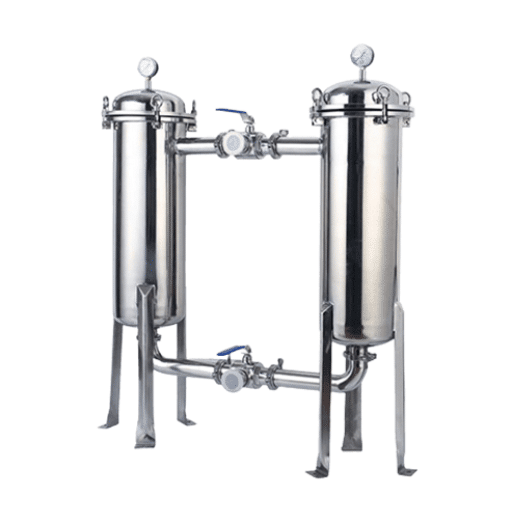
Systems that need continuous fluid movement use duplex filters and strainers which operate as dedicated filtration systems that maintain their functionality during ongoing operations. The system features two filter chambers which operate in parallel to enable one chamber to function while the other undergoes maintenance work. The design allows continuous operation because it reduces maintenance time while maintaining constant filter performance which majorly benefits the oil and gas and chemical processing and water treatment sectors.
The current research which assessed search trends shows that duplex filters have become highly popular because they help industries achieve strict compliance requirements. The materials demonstrate exceptional performance because they can process large fluid volumes while effectively removing solid waste and contaminants from both liquid and gas streams. Strainers function as initial filters which handle larger particles because they exist between basic and advanced filtration systems. The two components work together to enhance both the reliability and the operational life of essential equipment which proves its worth in demanding work environments.
Duplex Filter Applications in Continuous Flow Systems
Duplex filters exist to ensure continuous operation in systems that handle constant fluid movement. The systems operate in oil and gas fields and chemical plants and water treatment facilities and power generation plants because any service interruption will lead to substantial financial and operational losses. The system uses a duplex filter system to filter fluids which allows one chamber to operate while the other chamber undergoes cleaning and maintenance work.
Recent industry insights show that the demand for duplex filters in high-capacity applications show increasing growth because technological progress enables improved efficiency and durability. According to search trends people who research duplex filters want to know about two things to which the filters provide answers. The duplex filter system design enables operators to meet system requirements while maintaining operational flexibility which allows them to achieve operational performance and regulatory compliance. The system demonstrates its ability to adapt through its implementation in various industries which depend on stable operational performance.
Advantages of Duplex Basket Strainers
- 01
Uninterrupted Flow
The design of duplex basket strainers enables continuous system operation without any flow interruptions during maintenance procedures. The system uses two strainer baskets which allow operators to switch between baskets while vital operations remain active and one basket undergoes maintenance work.
- 02
Enhanced Filtration Efficiency
Duplex strainers possess advanced designs which allow them to remove waterborne particles under conditions of extreme heat and pressure. The system serves as a vital component for industrial sectors which include oil and gas chemical processing and water treatment because these industries need continuous filtration during their complete operational cycle.
- 03
Cost-Effectiveness
The operational efficiency of duplex basket strainers results in decreased maintenance expenses because they extend system component lifespan through their efficient filtration system which reduces unplanned system interruptions. The cost-effectiveness of these products increases when their robust stainless steel and cast alloy construction materials combine with their durability.
- 04
Customizable Design
Duplex basket strainers can be modified to suit particular operational needs which include different flow rates and pressure settings and filtration specifications. These systems provide seamless operation for various industrial processes which involve handling heavy liquids and dangerous chemicals and large particle sizes.
- 05
Regulatory Compliance
The increasing strictness of environmental regulations creates a compliance solution for industries through the use of duplex basket strainers. Their capability to eliminate minute particles from flow systems results in cleaner discharge which supports environmentally friendly operations and complies with industry regulations.
- 06
Ease of Maintenance
The design of duplex strainers enables users to perform their tasks without facing operational obstacles. The maintenance process includes tasks which require equipment to be taken out of operational status for dedicated maintenance work.
The particular benefits of duplex basket strainers which help industrial operations achieve their main mission of performance and reliability and environmental protection show their essential importance in modern industrial settings. The design of the system together with modern manufacturing methods demonstrates current trends which aim to enhance system performance in complicated operational environments.
Inline Filters: Key Features and Applications

What are Inline Filters?
Inline filters are compact filtration devices that operators install directly in pipeline systems to filter out contaminants from liquid or gas streams. These filters operate through a system that achieves permanent filtration without stopping operations which makes them suitable for applications that need continuous fluid treatment and system operation. Inline filters consist of two main components which include a housing unit and a filter element that differs in material and design based on the specific requirements of each application.
Current search engine data shows that inline filters have become common equipment for industrial applications in chemical processing and food and beverage production and pharmaceutical manufacturing and oil and gas operations. The system’s flexibility together with its capacity to adapt filter systems according to particular needs makes it essential for maintaining fluid integrity while stopping downstream machinery from experiencing breakdowns or efficiency drops caused by environmental pollutants. The development of inline filtration technology has brought new functions to industrial processes through the introduction of self-cleaning systems and equipment that can withstand high temperatures.
Most Common Uses for Inline Filters
Inline filters serve an essential function across various industries because they enable systems to operate efficiently by eliminating contaminants from their liquid components. The hydraulic systems use these filters to maintain proper fluid cleanliness which protects equipment from damage and maintains peak operational efficiency. The water treatment systems depend on these filters because they can remove all particles and sediments and impurities from water to meet the strict water quality standards.
The oil and gas industry uses inline filters as an essential component which needs to protect its processing equipment against debris during operations in challenging conditions. The pharmaceutical and food industries use these filters as sanitary equipment which prevents cross-contamination during their manufacturing activities. New applications now exist for inline filters which help HVAC systems by trapping indoor pollutants and allergens while they also protect 3D printing systems from nozzle clogs through their ability to remove contaminants from filament materials.
The latest developments demonstrate that industries are increasingly combining filter technologies with IoT-based real-time monitoring systems which enable predictive maintenance while decreasing system downtime. The combination of inline filtration with smart technologies demonstrates their current value to businesses after they developed into essential components of their operations.
Specifications and Performance of Inline Filter Systems
The evaluation of inline filter systems requires assessment of their filtration efficiency which must match specific flow rate requirements and pressure drop limits while testing their performance under different operating scenarios. The filtration efficiency of a system depends on its capacity to eliminate particles that have particular size ranges which scientists often measure in microns. High-performance systems can achieve filtration levels as low as 1 micron which allows them to remove all types of tiny impurities from their surroundings. The system must maintain its operational capacity because flow rate compatibility serves as a vital requirement which enables the system to function without any adverse effects; most industrial-grade inline filters are designed to handle flow rates from 10 to 1,000 gallons per minute (GPM) depending on their application.
The filter pressure drop function serves as an important measurement because excessive pressure drop creates operational problems for the entire system. The advanced system incorporates materials with low-pressure drop capabilities through the use of pleated and mesh designs which create an efficient balance between energy consumption and filtration efficiency. The use of stainless steel and reinforced polymers for filter construction enables durability testing which protects against material degradation in environments with hazardous chemicals and extreme temperatures.
Recent data shows that IoT-enabled modern inline filters now use built-in sensors for continuous measurement of their operational performance. The system establishes automatic alerts which inform operators about two main types of operational problems that affect system performance and equipment processing capacity. The introduction of advanced systems in industries creates a unified effect where traditional filtration methods combine with cutting-edge technologies which results in enhanced operational results.
| Parameter | Specification | Notes |
|---|---|---|
| Filtration Level | As low as 1 micron | High-performance industrial grades |
| Flow Rate Range | 10 – 1,000 GPM | Application-dependent |
| Filter Media | Pleated & mesh designs | Low-pressure drop capability |
| Construction Material | Stainless steel / Reinforced polymers | Resists chemical & temperature extremes |
| Smart Integration | IoT-enabled built-in sensors | Continuous performance monitoring |
Comparative Analysis of Filter Types

Bag Filters vs. Duplex Filters
Industries such as chemical processing and water treatment and food production use bag filters because they effectively capture solid particulates from liquids. Their design enables systems to filter air at high efficiency while users can set up systems easily and save money through their use in low-flow and non-continuous operational systems. The system requires users to replace the equipment because it becomes blocked, which results in operational downtime when organizations lack methods to forecast equipment failures.
Duplex filters, which operate continuously through their two filtration chambers, enable ongoing maintenance work without stopping the water flow. The design provides operational advantages to oil and gas industries and marine systems and hydraulic systems because they need to prevent any interruption of work. The bag filters require lower initial investment compared to these products but their durable construction plus their ability to switch between operational modes will deliver long-term dependable performance and efficiency for users.
Recent search trend data indicates that people now show more interest in hybrid solutions which use dual bag filtering systems together with duplex systems because this method combines the cost benefits of bag filters with the uninterrupted operations of duplex systems. Industries achieve precise filtration results through their system integration with real-time monitoring and automation technologies which drives them toward developing advanced filtration solutions.
Duplex Filters vs. Inline Filters
The different operational functions of duplex filters and inline filters enable fluid filtration systems to use both types of filters for specific application needs. Duplex filters operate continuously because their two filter housings enable the system to maintain operations while technicians perform maintenance work or replace filters. The design of these systems makes them suitable for chemical processing, oil refining, and water treatment plants which need dependable equipment to run their operations.
The design of inline filters exists as a simpler solution which operators use to install the filters directly on fluid paths for their function of removing particulate matter. The system costs less to operate and is simple to set up, but users must shut down their operations because it requires cleaning or replacing components, which makes it better for facilities that operate at lower production levels and experience brief downtime.
Organizations have started to develop hybrid systems which combine the two operational capacities of duplex filters with the straightforward design of inline filters to create advanced filtration solutions. The search trends show that industries now prioritize automation and IoT-enabled monitoring systems, which help them achieve maximum operational efficiency while reducing the need for manual work. The hybridization process enables manufacturers to develop filtration systems which fulfill their requirement for accurate measurements and flexible operations and minimal operational interruptions.
Choosing the Right Filter for Specific Liquid Applications
To achieve effective filtration results with financial efficiency, two essential factors need evaluation during the process of filter selection for specific liquid applications. The search trends show that people have increasing interest in modular filtration systems which use IoT platforms to provide real-time monitoring. This data illustrates that modern filtration systems require solutions which demonstrate both flexibility and adaptability. Duplex filters enable continuous operation for processes that need to handle highly viscous fluids, while pharmaceuticals require inline filters which use ultrafine membranes to achieve strict contamination control.
Industrial operations now focus on developing automated systems which eliminate human mistakes while enabling business growth through better system performance. IoT-enabled sensors provide real-time data feedback which helps monitor filter performance by tracking necessary flow rates and pressure levels and detecting potential clogs or equipment wear. The filter selection process requires assessment of liquid characteristics and operational requirements and automation needs to achieve accurate and effective filtration results.
| Factor | Bag Filter | Duplex Filter | Inline Filter |
|---|---|---|---|
| Operation Mode | Batch / replaceable | Continuous dual-chamber | Inline / inline shutdown |
| Downtime Required | Yes (bag replacement) | No (switchover) | Yes (cleaning/replacing) |
| Initial Cost | Low | High | Low–Medium |
| Best For | Chemical, water, food | Oil & gas, marine, hydraulic | Pharma, food, HVAC |
| Filtration Precision | Medium–High | High | Very High (1 µm+) |
| IoT / Smart Ready | Emerging | Yes | Yes (built-in sensors) |
Frequently Asked Questions
Q1
How does a duplex strainer maintain continuous flow in an industrial piping system?
The duplex strainer system maintains uninterrupted flow because it enables operators to switch between two filter vessels which allows maintenance work on one vessel while the other vessel continues to function. The system configuration uses flange or socket connections together with stainless steel ball valves and butterfly valves to achieve system isolation from an inlet port which enables operators to control system flow. The pressure difference between the filter assembly components shows when workers need to clean or replace the basket or bag which prevents unexpected operational interruptions. The operation costs for businesses decrease when duplex strainers enable maintenance tasks to occur during ongoing operations which becomes essential for applications that handle large volumes of liquid. Product specifications require typical housing materials to exist in both carbon steel and stainless steel options which serve different product needs and piping system specifications.
Q2
What is the typical product description for a duplex bag filter and basket strainer assembly?
A standard product description for a duplex bag filter and basket strainer assembly shows the housing material which can use either carbon steel or stainless steel together with mesh ratings and micron ratings which apply to the bag or basket. The unit description will detail whether it operates as a simplex system or as a duplex system which provides continuous operation through its dual service mode. The description should note compatibility with liquids like oil filters or beverage fluids and the recommended filter bags or baskets for particle removal. Manufacturers often include details on the integral chamber design, valve configuration including stainless steel ball valves, and pressure differential monitoring. The information enables customers to choose appropriate filtration systems which match their flow requirements and filter specifications while decreasing their total operating expenses.
Q3
Which valve configurations are best for switching back and forth between two filter vessels?
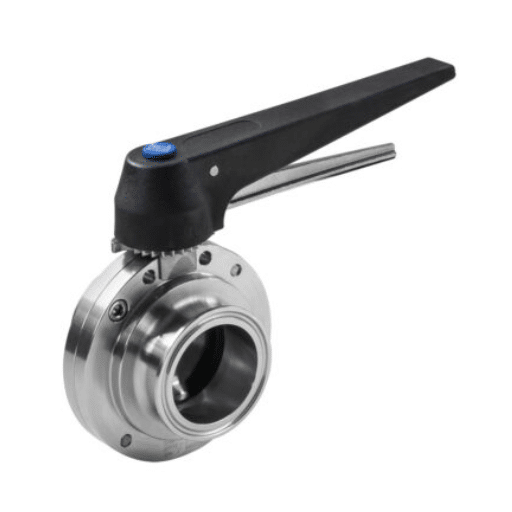
Common valve configurations for switching back and forth between two filter vessels include stainless steel ball valves and butterfly valves because they provide reliable isolation and fast operation. The industry prefers stainless steel ball valves because of their ability to create tight seals and withstand heavy industrial and liquid service conditions while butterfly valves serve as an economical solution for piping systems with larger diameter requirements. The filter assembly needs to include a valve arrangement that requires both flange and socket connections which must also provide maintenance accessibility. Correct valve selection helps minimize pressure differential spikes and ensures continuous flow during backwashing or bag replacement. The manufacturer needs to provide specifications which include valve size and port alignment and compatibility with the selected basket or bag strainer.
Q4
Can a duplex bag filter be used for oil filters and other high-flow fluid filtration needs?
The duplex bag filter system provides an effective oil filtration solution which meets high liquid flow requirements through specific filter bag and mesh selection along with appropriate housing material choice. The stainless steel and carbon steel housing for oil applications uses suitable seals and ports to protect against contamination while delivering chemical resistance. The duplex bag filter system enables one chamber to operate while the other chamber handles flowing material which results in continuous operation and reduced system downtime. The system meets product specifications because proper filter selection determines micron removal efficiency and flow rate capability and pressure differential performance. Manufacturers include inline strainers and baskets and duplex basket strainers in their units to handle different particle sizes and industrial requirements.
Q5
How do duplex bag filter housings accommodate filter needs and reduce maintenance time?
Duplex bag filter housings fulfill their filter requirements through their two separate processing chambers which allow operators to work on one side while operations continue through the remaining side. The housings come in various sizes and materials which include carbon steel and stainless steel, while they also feature flange connections and inlet and outlet ports and integral support for filter bags or baskets. The selection of filters requires mesh ratings and micron specifications to achieve specific particulate removal, which enables the system to work optimally for its intended application. The use of duplex configurations leads to decreased operational expenses because it reduces system downtime and allows maintenance to be performed according to pressure differential readings. The system uses auxiliary components which include stainless steel ball valves and manifolds and pressure gauges to enable fast transition between operational chambers.
Q6
How do stainless steel duplex basket strainers provide benefits while they protect against corrosion?
Stainless steel duplex basket strainers provide excellent corrosion resistance, which makes them suitable for handling aggressive liquids and food and beverage products and oil filtering operations that need to maintain purity. The material guarantees extended operational life because it supports seal protection when exposed to different temperature and pressure conditions. The stainless steel housings and baskets handle high flow requirements while customers can choose between fine mesh ratings or micron-rated baskets to achieve specific particulate capture results. The strong construction enables extended periods before maintenance becomes necessary and supports continuous flow operations, which permit cleaning of one side while the other side operates. Stainless steel selection for construction purposes increases initial costs, but it reduces total operational expenses because it leads to fewer maintenance needs and lower chances of system breakdowns.
Reference Sources
- 01
Study on the Filtration Performance of Baghouse FiltersExplores the effect of filter pore size and fiber diameter on bag filter performance.
- 02
High-Performance Bag Filter with Super-Hydrophobic CoatingDiscusses the development of a highly efficient bag filter using advanced materials.
- 03
Application of Bag Filter in Integrated TechnologyExamines the use of bag filters in dry gas desulfurization and dust collection.