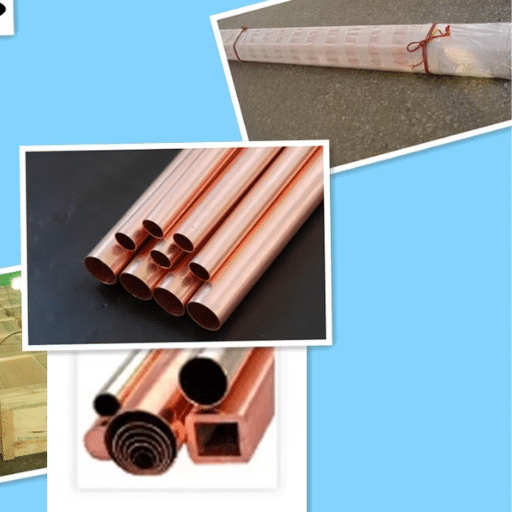
Copper Pipe for Water Heater: Hot Water & Home Plumbing
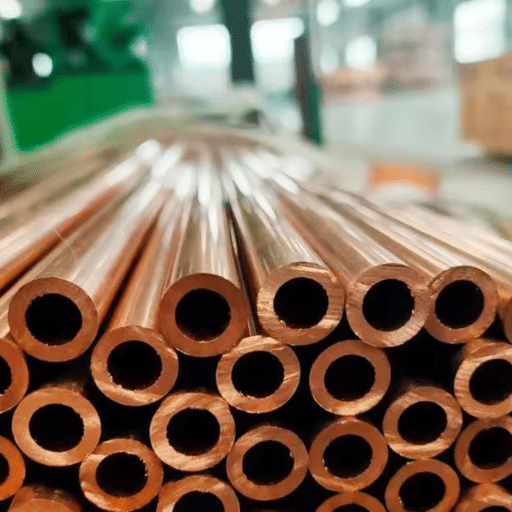
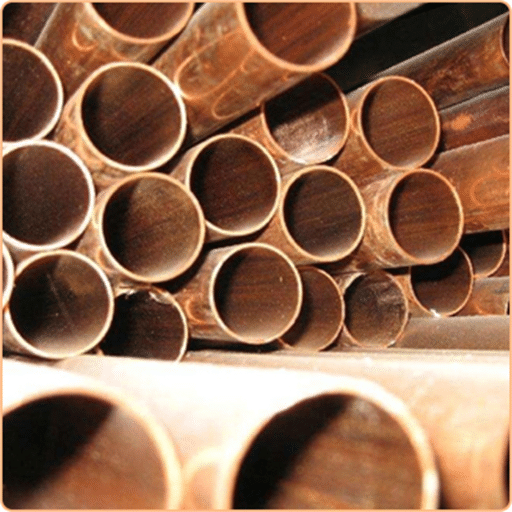
In the realm of home improvement, ensuring a reliable and efficient water heating system is paramount. Copper pipes have long been the preferred choice for transporting hot water, offering a range of benefits that make them ideal for both residential and commercial plumbing systems. This article explores the advantages of using copper pipes in water heating applications, highlighting their durability, efficiency, and versatility.
Why Choose Copper for Water Heating?
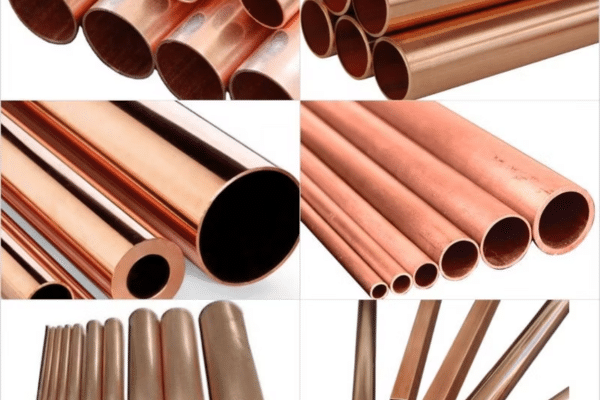
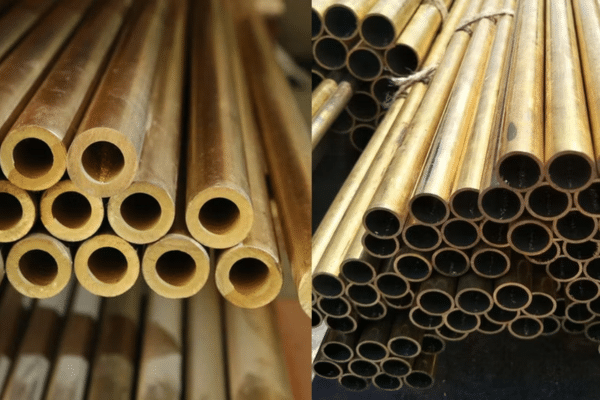
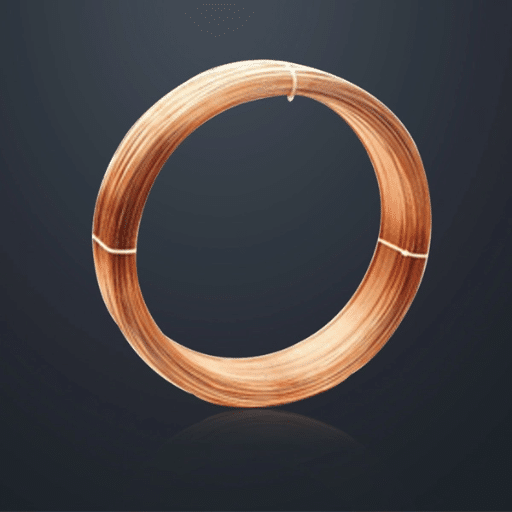
Choosing copper for water heating systems comes with several advantages. Its superior thermal conductivity ensures efficient heat transfer, making it an excellent choice for hot water heaters and solar water heaters. Copper's resistance to corrosion and leaks further enhances its reliability, reducing the risk of water damage and maintenance costs over time. Additionally, copper’s compatibility with various fittings, including brass fittings and press fittings, facilitates easy installation and integration into existing water systems.
Advantages of Hot Water System Copper Tube
Its adaptability makes copper tubing a staple in both new constructions and home improvement projects, supporting efficient water flow and reliable plumbing solutions.
Durability and Longevity
One of the standout advantages of copper pipes is their durability and longevity. Unlike plastic pipes, copper can withstand high pressure and extreme temperatures, maintaining its integrity over the years. This durability translates to a longer lifespan for plumbing systems, reducing the need for frequent replacements and repairs.
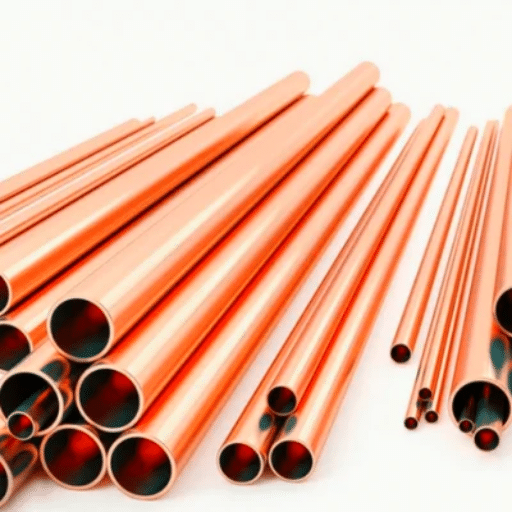
Resistance to Corrosion and Leaks
Copper pipes are renowned for their resistance to corrosion and leaks, making them a preferred option in water supply systems. The natural properties of copper inhibit the growth of harmful bacteria, ensuring the delivery of safe, potable water.
Thermal Conductivity
The high thermal conductivity of copper pipes enhances their efficiency in water heating applications. This property allows for rapid heat transfer, optimizing the performance of hot water heaters and ensuring consistent water temperatures.
High Efficiency
Copper pipes contribute to energy savings and improved system efficiency, supporting sustainable home improvement efforts. Their ability to maintain efficient water flow and temperature control makes them a valuable asset in any plumbing system.
Specifications of Copper Pipe for Water Heaters
| Specification | Details |
|---|---|
| Material | Pure copper (99.9% purity) |
| Diameter Range | 6mm to 108mm (customizable based on water heater requirements) |
| Wall Thickness | 0.5mm to 3mm (varies by pressure and temperature needs) |
| Length | Standard lengths: 3m, 6m, or customized as per installation needs |
| Pressure Rating | Up to 200 psi (depending on diameter and wall thickness) |
| Temperature Range | -196°C to 250°C (suitable for high-temperature water systems) |
| Surface Finish | Smooth, polished, or coated for enhanced corrosion resistance |
| Standards Compliance | ASTM B88, EN 1057, ISO 9001 certified |
| Connection Type | Compatible with soldering, brazing, or compression fittings |
| Corrosion Resistance | Excellent resistance to rust, scaling, and chemical reactions |
| Thermal Conductivity | High thermal conductivity for efficient heat transfer |
| Applications | Hot water heaters in residential, commercial, and industrial systems |
| Recyclability | 100% recyclable, eco-friendly material |
Installation Considerations for Water Heating Systems Copper Tube
- Proper installation is vital for the efficiency and longevity of water heating systems using copper pipes.
- Attention to detail during the installation process, such as correct soldering techniques and the use of appropriate fittings, prevents leaks and ensures a secure connection.
- It is also essential to consider the expansion and contraction of copper due to temperature fluctuations, necessitating the use of flexible connectors.
- Plumbers must be mindful of dielectric fittings to prevent galvanic corrosion when connecting copper pipes to different metals, such as galvanized pipes.
Applications of Hot Water System Copper Tube
Residential Hot Water Supply
Solar Water Heating Systems
Boiler Connections and Heating Systems
Radiant Floor Heating
Latest Blog Posts
Explore our comprehensive resources, including industry insights, application guides, and technical expertise to support your projects.
Contact Us for More about Hot Water System Copper Tube
If you have any questions or require further assistance in selecting the right copper pipe for your water heating and plumbing needs, do not hesitate to contact us. Our team of experts is ready to provide detailed information and support, ensuring your plumbing systems benefit from the advantages of copper tubing. Reach out to us today to explore our product offerings and discover how copper pipes can enhance your water infrastructure. We are committed to delivering exceptional customer service and helping you achieve optimal plumbing solutions.
Frequently Ask Questions
Q: How do you prevent leaks in a copper tubing hot water system?
A: To prevent leaks in a copper tubing hot water system, ensure that all joints are properly brazed and that the connections are secure. Regular inspections of the plumbing system can help identify potential issues before they lead to leaks. Additionally, maintaining the appropriate water pressure can reduce the risk of leaks caused by stress on the pipes.
Q: Can copper or brass fittings be used with PEX tubing in a water heater system?
A:Yes, copper or brass fittings can be used with PEX tubing in a water heater system. However, it’s essential to ensure that the fittings are compatible and meet plumbing code requirements. This combination allows for flexibility in installation while maintaining the durability of copper in critical areas of the plumbing system.
Q: What is the role of an expansion tank in a hot water system?
A: An expansion tank is crucial in a hot water system as it accommodates the increased volume of water that occurs when it is heated. This helps to maintain water pressure and prevents excessive stress on the plumbing system, which can lead to leaks or failures in the copper tubing.
Q: How does heat loss affect the efficiency of a water heater?
A: Heat loss can significantly impact the efficiency of a water heater. If the hot water system is not insulated properly, heat can escape from the water tank and pipes, requiring more energy to maintain the desired water temperature. Insulating copper pipes and the water tank can help minimize heat loss and improve overall system efficiency.
Q: What is the best way to maintain a copper plumbing system?
A: Maintaining a copper plumbing system involves regular inspections for signs of corrosion or wear, ensuring connections are secure, and monitoring for leaks. Flushing the water heater periodically can also help remove sediment buildup, which can affect performance and longevity. It’s important to follow local plumbing codes during maintenance activities.
Q: What are the differences between using copper tubing and black iron pipe for hot water systems?
A: Copper tubing is preferred for hot water systems due to its lightweight, corrosion resistance, and flexibility in installation. In contrast, black iron pipes are heavier and more prone to rusting, making them less suitable for transporting hot water. Copper tubing also offers better thermal conductivity, which aids in heat transfer compared to black iron pipe.