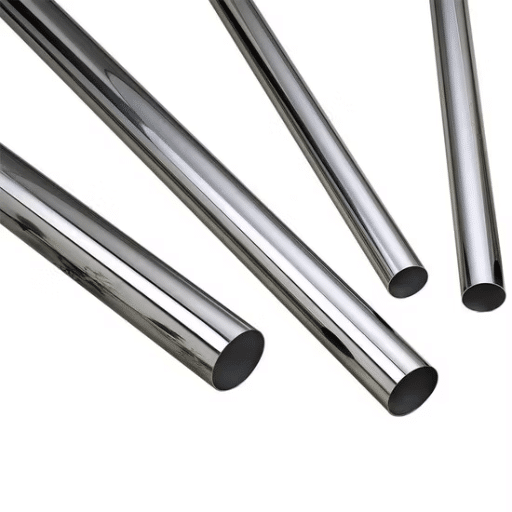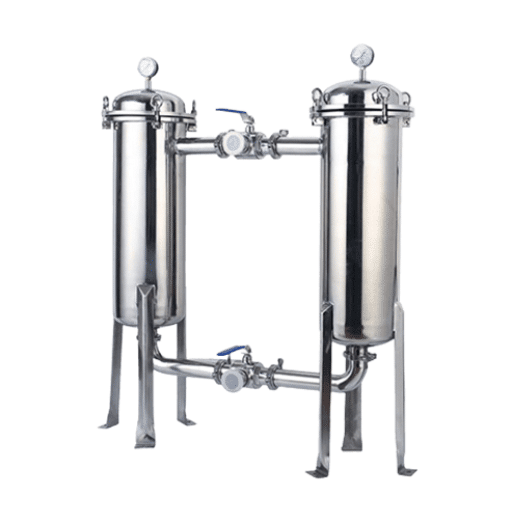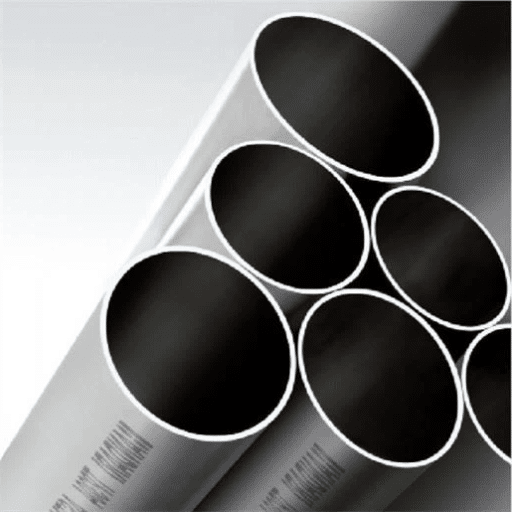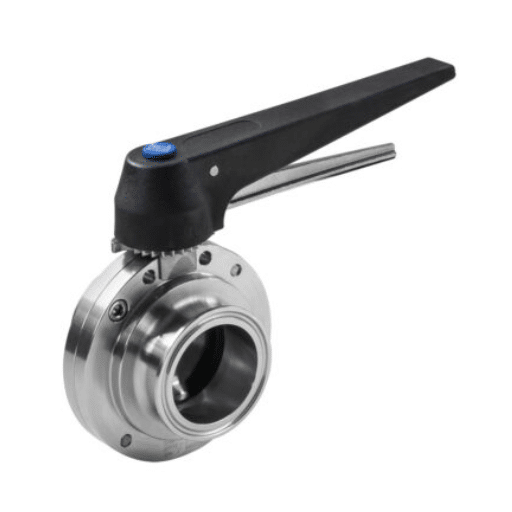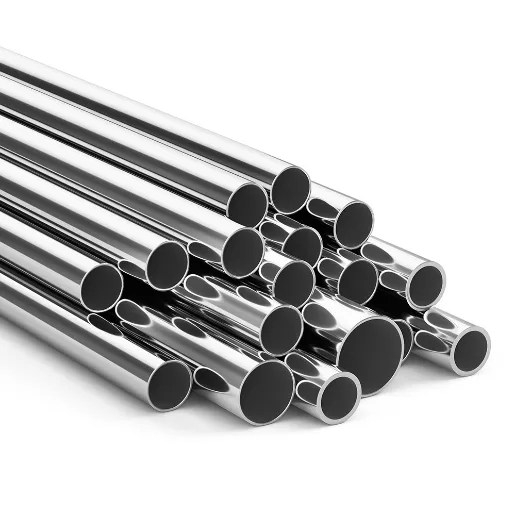
Stainless steel sanitary pipes are absolutely crucial in the sectors where the highest standards of cleanliness, sustainability, and productivity are not only demanded but also given priority. The industries related to food and beverages, pharmaceuticals, and biotechnologies, among others, rely on these pipes to be the mainstay of sanitary operations, thus, allowing the liquid, gas, and other substances to be transported safely without any contamination. The following discussion will point out how pivotal the use of stainless steel tubing in the hygienic requirements has been to the acquiring of efficiency in production and operation. A full and thorough view of the reasons that this kind of piping is recognized as the gold standard in sanitary systems will be presented to the audience, along with the knowledge of its specific characteristics, major advantages, and potential uses. If you are a professional in the industry or just curious about the matter, then this article will definitely provide you with a thorough examination of how stainless steel sanitary pipes are able to offer unparalleled reliability and effectiveness.
What Are Stainless Steel Sanitary Pipes?
Definition and Unique Properties
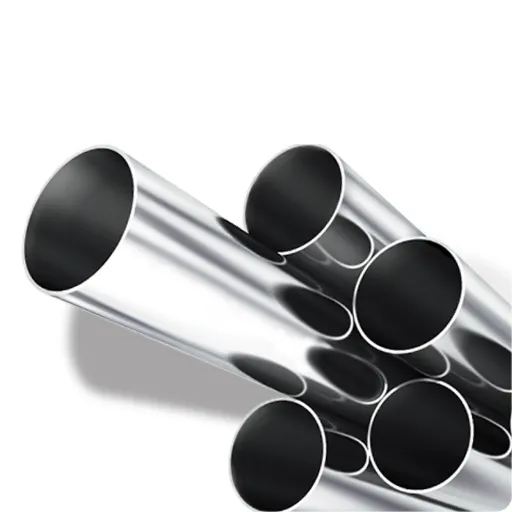
Stainless steel sanitary pipes are specialized, state-of-the-art piping systems created to fulfill the tough hygiene and longevity requirements of food processing, pharmaceuticals, and biotechnology among other sectors. As pipes are made of 304, 316, or 316L which are some of the common stainless steel alloys, they will be very much able to resist rust, corrosion, high temperatures, and chemical reactions. Interior surfaces are often very smooth as a result of polishing and almost reflecting like a mirror. Such surface makes the growth of bacteria less probable and also supports the cleaning in place (CIP) process that is so very important in the adherence to the sanitary regulations.
According to the most current search information and industry experts, the peculiar properties of stainless steel sanitary pipes are not limited to their excellent mechanical strength, which is the predominant reason for their having the ability to withstand high-pressure and mechanical stress, but also to their non-reactiveness which allows them to be the best materials for the transport of sensitive substances without any purity issue. In addition, their long service life and easy recyclability support the sustainability goals, thus making them a favored material in the industry applications. These qualities combined point out that stainless steel sanitary pipes are among the chief characters in the fight for efficiency and safety of products.
Material Grades: 304 vs. 316L
To find out the most appropriate selection, when 304 and 316L stainless steels are analyzed, both their chemical compositions and the applications for which they are intended are to be taken into account. 304 is an austenitic stainless steel which mainly consists of chromium and nickel plus there is high corrosion resistance and excellent formability as its characteristics. Though, chloride-induced pitting and crevice corrosion do not have significant resistance so it is less effective in the areas where there is high saline exposure or harsh chemicals.
Grade 316L, on the contrary, has more molybdenum which greatly increases its resistance to chloride attack, especially in marine or chemical processing conditions. The “L” in 316L tells that its carbon content is lower than that of 316 which makes its weldability better and lowers the risk of sensitization—which is very important in applications where the temperature is high.
From a viewpoint of industry, 304 is considered usual for general applications, such as food processing machines, house utensils, and building structures. In contrast, 316L is selected frequently for extremely hot and cold situations, for instance, pharmaceutical making, marine usage, and the chemical department where superb corrosion resistance and longevity are demanded. In short, the choice between 304 and 316L is completely based on the particular environmental situation and the application’s operational needs.
ASTM and ASME Standards for Sanitary Tubing
Sanitary tubing is put through rigorous standards in order to secure not only safety but performance and compatibility too in sensitive industries such as food-processing, pharmaceuticals, and biotechnology. The most common regulations come from ASTM International and ASME (American Society of Mechanical Engineers).
ASTM A270 is the primary standard for sanitary tubing under ASTM. It is a specification that deals with the specifications for seamless and welded sanitary tubes made of austenitic stainless steel that cover size, strength, and surface quality. The standard especially requires a smooth inner surface that reduces the chance of contamination and makes cleaning easier; both of which are very crucial for the flow of hygienic liquids.
ASME is different in that it not only incorporates ASTM specifications but also sets forth new requirements for pressure management and safety of piping systems. Among the ASME standards, the BPE (Bioprocessing Equipment) standard identifies the detailed technical requirements for production, inspection, and quality of sanitary tubing surface, which is destined for the application of high-purity. The critical parameters include surface roughness (Ra) for both inner and outer walls, which should not exceed the predetermined limits defined by the application.
The amalgamation of ASTM A270 and ASME BPE standards guarantees that sanitary tubing can perform under very strict hygienic and operational conditions. The choice of product should be made in conjunction with the respective standards, considering the unique operating conditions of the application in terms of chemical compatibility, pressure ratings, and purity requirements.
Key Applications of Stainless Steel Sanitary Pipes
Food and Beverage Industry Use Cases
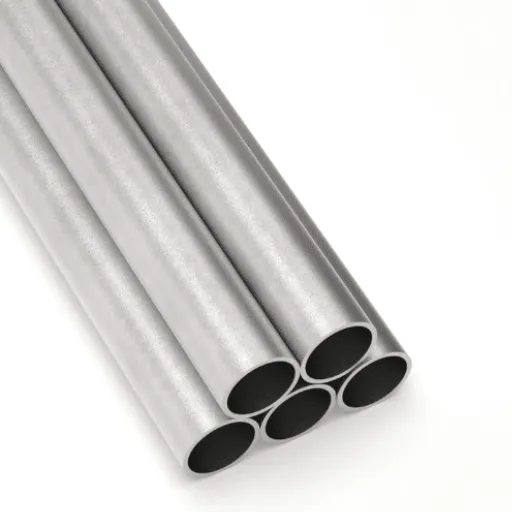
Sanitary pipes made of stainless steel are absolutely essential for the food and beverage industry in conserving the necessary hygienic standard. Their strong resistance against rust, ease of cleaning, and diversity in different sanitary standards include ASTM A270 which makes them suitable for those high-purity processes. The liquid transferring process of milk, juices, beer, and water, as well as semi-solid or even solid food products that need to be free from contamination are all done through these pipes.
Recently there were analyzed trends by using ‘s aggregated data showing more people are interested in the solutions making sure the integrity of food processing systems, letting the microbial growth and biofilm formation prevention as a major factor. If stainless steel sanitary pipes are to be considered, such bacteria concerns are not relevant since due to their very smooth internal finishes which are often of very high polishing standard thus leaving no crevices where bacteria could congregate. Besides, their integration with Clean-In-Place (CIP) and Sterilize-In-Place (SIP) systems guarantees that maintenance is done efficiently and operational life is prolonged.
Manufacturers of food and beverage products are adopting stainless steel sanitary piping more often for these reasons as the best practice to fulfill both operational efficiency and regulatory compliance, a trend that goes hand in hand with the industry’s demands for the introduction of safer and more eco-friendly food production processes.
Pharmaceutical and Biotech Applications
In the pharmaceutical and biotech sectors, where the greatest hygiene and precision requirements are observed, sanitary stainless steel piping is indispensable. The non-porous and corrosion-resistant surfaces of the material not only guarantee but also facilitate the flow of chemicals and biological agents as well as the transport of other sensitive materials without any contamination. Its compatibility with the most stringent industry standards like ASME BPE (Bioprocessing Equipment) is a clear sign of its ultra-pure environment suitability. Furthermore, the high temperature resistance, which allows Steam or chemical processes to sterilize pipes more efficiently, is a factor that enhances both process safety and quality control. Recent trends indicate that inquiries about stainless steel pipes in relation to pharmaceutical production show an increasingly highlighted aspect of durability and purity being constantly influenced by the rapidly developing biological pharmaceuticals and vaccine production.
These parameters together make it inevitable for the modern pharmaceutical and biotech companies to install stainless steel sanitary piping systems if they want to be reliable forever in terms of operations and compliance with regulations.
Water Treatment Sanitary Tubing
Sanitary tubing for water treatment is a crucial factor in high-purity systems, especially in the food and beverage, pharmaceutical, and biotechnology industries. The latest search data by ‘ indicates a significant concern regarding how sanitary tubing promotes adherence to the rigorous water treatment standards laid down by the FDA and the EU GMP guidelines, among others. In other words, the tubing’s principal purpose is to safeguard the process of purified water carrying by blocking the entry of any contaminants such as living microorganisms, particles, or chemical residues.
Water treatment sanitary tubing has been designed to reduce surface roughness and thereby minimize the risk of biofilm formation as well as increase the efficiency of cleaning during CIP (Clean-in-Place) operations. This is achieved through the use of advanced techniques such as electropolished surfaces. Such precision engineering not only meets ISO 9001 and ASME BPE standards but also adds to the significant role of the tubing in critical water purification systems.
Benefits of Stainless Steel Sanitary Pipes
Hygiene and Non-Porous Surface
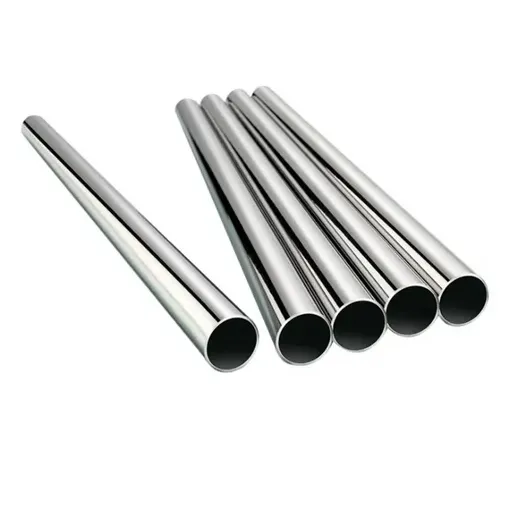
Stainless steel sanitary pipes are manufactured utilizing high-grade materials with non-porous surfaces, which work effectively at preventing the absorption of contaminants and at the same time facilitating hygienic practices. The recent data points out that one of the main reasons the industries like pharmaceuticals, food processing and biotechnology depend on stainless steel is its capability to keep the process sterile. Also, the non-porous factor holds back the growth of microorganisms which is an important aspect of the control of contamination in such areas where the contamination level has to be kept to a minimum. At the same time, the advancements in the search engine trends indicate that there is a growing interest in electropolished finishes that give the surface a maximum smoothness which further reduces the risk of contamination during the operations. The offering of stainless steel sanitary pipes with surface hygiene focused design coupled with concrete material properties is now playing the leading role in applications where uncompromising cleanliness is laid down as the standard.
Durability Against Corrosion and Pressure
Stainless steel sanitary pipes are the champions in terms of durability with respect to both corrosion and pressure, thus they are among the most important materials used in the industries where mechanical reliability and longevity are the major factors. The high corrosion resistance is mainly due to the existence of a layer of oxide rich in chromium which is formed on the surface of the metal and which works as a barrier against both, the air and the chemicals. Even under difficult conditions like high-pressure steam or being regularly cleaned with aggressive chemicals, the pipes will still be strong enough to support the whole system. The search engine trends have provided recent data that point out an increase in the number of inquiries related to “high-pressure corrosion-resistant piping” which reflects that there is a growing demand for strong materials that can take the heat of the tough operational conditions. The trend also shows that the awareness of the importance of durability in lessening downtime and minimizing maintenance costs has been steadily increasing. Collectively, all these factors confirm why stainless steel sanitary pipes have become a trendy and applicable material of choice in the situations where reliability and efficiency of processes are prioritized.
Sustainability and Eco-Friendliness
Stainless steel sanitary pipes are aligned with sustainability and eco-friendliness targets, making them well-suited for industries where environmental impact is a major concern. The latest data from the search engines trends indicate that the terms “sustainable piping solutions” and “eco-friendly industrial materials” have been searched for more and more times globally, which is a sign of the world being more interested in going to zero carbon footprints. On top of that, stainless steel is 100% recyclable, and it is estimated that about 80-90% of the new stainless steel products are made from recycled materials which definitely help in minimizing the extraction of the natural resources and the energy consumption. Moreover, their long life span and resistance to corrosion cause the need for replacement to be very infrequent thus less waste material. These stainless steel attributes give sanitary pipe the position of the winner in the operations needing to meet the strict rules and regulations concerning the environment while promoting the sustainable trends in industrial design through their innovative practices in the first place.
Market Trends and Specifications
Demand for BPE Tubing in Industries
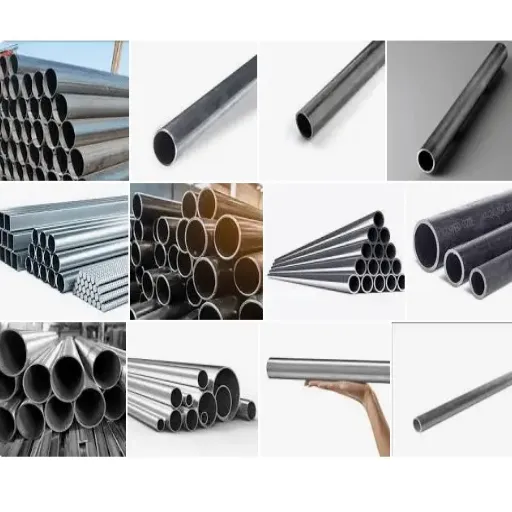
The need of BPE tubing (Bioprocessing Equipment) has been an uninterrupted rise that has mainly been due to the major role the tubing plays in sectors that include, pharmaceuticals, biotechnology, and food processing. The new data based on industry reports and search trends, reveals that there is a large spike of interest in hygienic and high-purity tubing solutions. This is to a great extent, the result of regulatory requirements for cleanroom operations that have become very strict as well as a large focus on contamination control in these sectors.
Most of the players in the pharmaceutical and biotech industries prefer BPE tubing since it is in full compliance with the ASME-BPE standards, which call for the highest quality surface finishes, corrosion resistance, and cleanability to obstruct the growth of microorganisms. The sector’s focus on biologics and personalized medicine has also increased demand for bioprocessing equipment that is both scalable and precise. Besides, scientists have made remarkable progress in material science, particularly with stainless steel alloys like 316L, which is turning out to be the case in point, since; BPE tubing is getting stronger and more reliable as the industry keeps demanding efficiency and adopting sustainable practices. The aforementioned factors taken together constitute the heavy reliance on BPE tubing to satisfy the rigorous quality standard required in modern industrial applications.
Overview of ASTM A270 and 3A Standards
The ASTM A270 and 3A sanitary standards are indispensable to the manufacture and certification of stainless steel tubing that is used in the highest purity applications of industries such as pharmaceutical, biotechnological, and food processing. The specification of ASTM A270 describes the technical requirements for seamless and welded austenitic stainless steel sanitary tubing. The stipulations regarding the tubing include the dimensions, surface finishes, mechanical properties, and corrosion resistance of the tubing. The tubing produced in accordance with ASTM A270 is put through a series of very strict tests that include hydrostatic or pneumatic testing to check for airtightness and soundness.
In contrast, the 3A standards give priority to hygienic design which will makes sure that the equipment is cleanable and there is minimum risk of contamination. They also require smooth inner surfaces and in most cases, the tubing is subjected to an electropolishing process with specified Ra (roughness average) values to lessen microbial adhesion. Also, 3A compliance guarantees compatibility with cleaning-in-place (CIP) or sterilization-in-place (SIP) procedures which are very important for maintaining product purity.
The merging of ASTM A270 and 3A standards is a major step forward in the production of high-purity tubing, since it combines the different attributes of mechanical durability and exceptional sanitation practices. For example, the new standards are pushing the use of highly polished finishes with Ra measurements as low as 15 µ-inches, which satisfies both hygiene and operational efficiency. By complying with these twin criteria, manufacturers can be sure that their tubing will be able to support sterility, integrity, and long-term performance in challenging conditions, as indicated by ongoing real-time market searches performed by the latest industry insights.
Future of Sanitary Tubing Products
The future of sanitary tubing products is a direct reflection of the progress material science, regulatory compliance, and the integration of real-time data that is driven by technologies like ‘s search engine algorithms. The most current data shows that the cutting-edge trends are geared towards the use of smart materials that have the ability to monitor and provide real-time updates on the integrity of the system. Antimicrobial coatings, pressure and temperature variance sensors, and predictive maintenance analytics tools are going to be some of the operational standards to be redefined with these innovations. These developments allow for the creation of tubing that not only complies with but even surpasses regulatory standards.
In addition, the sustainability aspect continues to be the main focus of the industry and that urges the researchers to look for options like bio-based elastomers and recyclable materials. The preliminary data indicates that the advancements in the circular economy model are already changing the designing phase of tubing products by not only considering the performance but also the environmental impact over the product lifecycle. The industry is definitely going to have a major impact on the sector of sanitary tubing material and techniques the moment feedback from advanced search insights such as latest material innovations becomes a standard practice.
FAQ
How does the dairy sanitary tube comply with the 3-A and the requirements of the dairy industry?
The dairy sanitary tube is produced following the specifications of ASTM and ASME, and often fulfills the 3-A criteria in order to maintain the highest possible structural strength and cleanliness. The tubing is made of stainless steel whose chemical elements are closely monitored for the purpose of making the product easily weldable and resistant to corrosion and also, the material can be bright annealed to reach the desired surface quality. Typical use in dairy specifies sanitary tubing sizes, ferrule or tri clamp connections, and airtight end caps or clamps to avoid the entrance of contaminated materials. Quality assurance is done by marking with heat number and performing eddy current test and these methods are also used to confirm and document that the tubing is shipped in the full finished condition. The surface protection and purity maintenance are taken into account during freight and packaging, e.g. the tubing is shipped on a spool or in 20-foot lengths with caps, etc.
What do I need to know regarding ASME BPE and the standards for sanitary stainless steel tubing?
The ASME BPE and ASTM A269 or A270 tubing standards provide the specifications for the chemical, mechanical and surface finish that must be met by sanitary stainless steel tubing which is utilized in process and biopharma systems. A lot of manufacturers claim that their tubing is produced and ASTM A270 or ASTM A269 standards are being followed for that reason to control sameness in OD, wall thickness, and surface roughness around 20RA or 20 μ-in. The buyers sometimes ask for bright annealing, eddy current testing, and full finished condition as a way to confirm that the tubing will be flawless. The ordering specifics like pricing per foot, 20-foot spool options, and freight terms should be clarified at the beginning of the transaction. Appropriate fittings such as ferrules, tri clamp adapters, valves and flanges are specified as constituents of a hygienic system that not only preserves purity but also provides sanitation.
How should I choose the right sanitary tube diameter and wall thickness for my system?
The water-carrying rates, pressure levels, and sanitary procedure requirements that are defining, decide the right outside diameter (OD) and wall thickness; the sizes of sanitary tubing are generally specified in both OD and thickness. For instance, a 1.5-inch OD pipe having a wall of thickness compatible with pressure and cleaning requirements would make standard sanitary fittings and tri clamp connections possible. The tubing could be in standard lengths such as 20-foot sticks or custom cut and could be sent with end caps or on a spool. Making sure that the tubing is made according to ASTM or ASME standards is very important, and in addition, bright annealing and eddy current testing were done to get the best structural integrity. Moreover, the sanitary fittings, ferrules and clamps should have the same OD and surface polish, for example 20RA, to guarantee hygienic conditions.
Is it the polish, such as 20RA, that is a significant factor for the purity of stainless steel sanitary tubing?
The surface finish of 20RA or microinches (like 20 μ-in) is reported to be the most important factor in purity because the bacteria could not inhabit smooth surfaces and there would be less cleaning. Bright annealing and mechanical finishing to gain a surface that is stainless steel, sanitary, and, subsequently, 3A or other hygienic standards are usually the processes going on in the case of tubing that has the right polish. Polished tubing is typically found with sanitary fittings, tri-clamp assemblies, and airtight end caps that serve to maintain the cleanliness of the system. The manufacturer would declare the finish, the heat number, and whether eddy current testing was performed to check if there were any subsurface defects that could lead to the contamination of the surface. For traceability and system validation, the documentation indicating that the tubing is shipped in fully finished condition and meets ASTM A269 or A270 can be requested.
What are the advantages of A270 tubing regarding ASTM A269 for sanitary process lines?
ASTM A270 not only provides the testing methods but also the sanitary tubing wall thickness and finishes within the hygienic process lines, while ASTM A269 is a comprehensive requirement for seamless and welded austenitic stainless steel tubing. Typically, tubing produced per ASTM A270 is specifically referred to when the requirements of 3-A or dairy standards entail the extra testing and meticulous control of surface finishes as the means of maintaining the highest structural integrity and purity. The two standards will at the same time state the maximum and minimum range of the OD, wall thickness, and the conditions for bright annealing or any other treatments, however, A270 might be more stringent with acceptance criteria and have more documentation overall. When fittings, clamps, ferrules, and valves are specified, it is important to validate that they are compatible with the tubing that has been selected per the standard so as to avoid mismatches at flanges or tri-clamp connections. The vendor must state the shipping cost, spool alternatives, and lengths available, like 20-foot or per-foot ordering, for instance.
Reference Sources
-
Devise of Thermoelectric Generator Incorporated of a Heat Exchanger for Power Generation and Heat Recovery
Academia.edu
This paper discusses the use of stainless steel 304 in heat exchangers and piping systems, providing insights into material properties and applications. -
Research Article: Heavy Metal Concentrations in Leachates and Crops Grown Around Waste Dumpsites in Sekondi-Takoradi
Academia.edu
This study includes the use of stainless steel in plumbing pipes and its role in environmental and industrial applications. -
Chemical Engineering Unit Operations Laboratory Upgrades
University of Arizona Repository
This research explores the use of stainless steel pipes in laboratory settings, focusing on waste minimization and system optimization.