Nowadays, efficient design includes underfloor heating systems that are very comfortable because they allow for even heating of the entire room. The copper tubes have to be installed properly within the systems to ensure that the systems are efficient in their performance as well as function over long periods. This is a detailed reference for both professionals and people with high interest in this field regarding key considerations for underfloor heating copper tube installation warming systems. This guide has everything that you need to know concerning materials to be used, the best way to plan out the design and the most effective installation methods to make a heating system that will stand the test of time This article contains all the necessary details that are required for installing underfloor heating systems which contractors and homeowners can rely on to achieve proper results.
Understanding Radiant Heating Systems

What is Radiant Heat?
Radiant heat transfers warmth from a warm surface to adjacent spaces via infrared radiation — delivering uniform temperature zones, eliminating drafts and hot spots, and operating across three energy sources: electrical power, hydronic water systems, and air.
Radiant heat provides an effective heating solution which transfers heat from its warm surface to adjacent spaces. Radiant heating systems use infrared radiation to distribute heat which creates uniform warmth that reaches all objects and surfaces in a room. The system maintains uniform temperature zones which eliminate drafts and hot spots to create a comfortable environment while reducing heat loss. Radiant heating systems can operate using three different energy sources which include electrical power and heated water through hydronic systems and air. Modern buildings use radiant heating systems because they are energy-efficient and cost-effective and adaptable to various applications especially in colder areas which need sustainable solutions.
Advantages of Underfloor Heating
Underfloor heating provides multiple important benefits which make it a preferred heating solution for both homes and commercial spaces. The latest search engine data shows that underfloor heating systems deliver their most important benefit through improved energy efficiency. The heating systems distribute heat throughout the floor space which allows them to function at lower temperatures than traditional heating systems that use radiators which leads to reduced energy usage and lower electricity expenses.
The system improves indoor air quality because it removes the need for air ducts which distribute dust and allergens through the space. The system becomes attractive to individuals who suffer from breathing problems and allergy conditions. The design space obtains more design options because designers can use the area without having to install large heating systems or air distribution systems. Current systems permit integration with solar panel technology which meets the increasing need for eco-friendly sustainable energy solutions.
Current search patterns show that people now understand underfloor heating systems as permanent solutions. The systems become more expensive during installation but their long-lasting performance with little need for upkeep creates operational savings which explain their increasing use in new building projects.
Types of Tubing: Copper vs. PEX
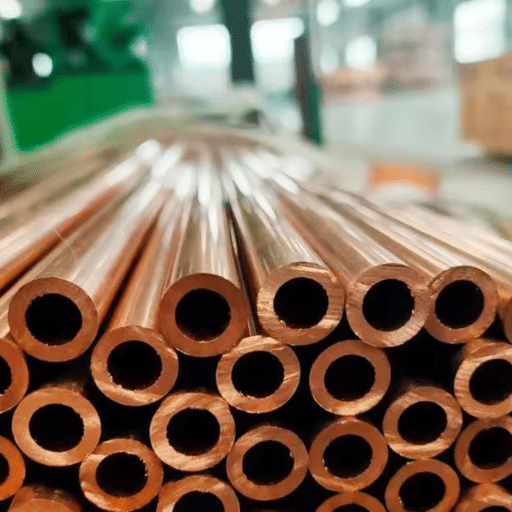
The assessment of PEX (cross-linked polyethylene) tubing and copper tubing requires an examination of their properties and their cost-effectiveness and their actual usage.
| Factor | Copper Tubing | PEX Tubing |
|---|---|---|
| Durability | Long-lasting; withstands high temperatures; corrosion-resistant | Durable but degrades under UV light; lower heat resistance |
| Freeze Resistance | Vulnerable to freezing and cracking in extreme cold | Freeze-resistant; reduced cracking risk |
| Installation | Requires soldering; higher installation complexity and cost | Simple installation; crimp and clamp fittings; flexible routing |
| Cost | Higher material and installation cost | Affordable; widely adopted in new construction |
| Thermal Performance | Superior thermal conductivity; ideal for extreme conditions | Adequate for most residential and commercial applications |
| Best Use Case | Projects requiring superior longevity in extreme conditions | Most residential and commercial retrofitting projects |
According to the latest data derived from search engine trends, interest in PEX tubing continues to rise, driven by its affordability and growing use in new construction and retrofitting projects. Copper remains a preferred option for projects requiring superior longevity and performance under extreme conditions, but the balance of cost and flexibility has shifted the industry to favor PEX in many residential and commercial applications. The selection of either copper or PEX tubing should base itself on the specific needs of the project together with the financial limitations and climate conditions of the area.
Planning Your Underfloor Heating Installation

Assessing Your Floor Type and Structure
Heating performance and system durability depend on proper evaluation of floor type and building elements during underfloor heating installation planning. The installation procedure for concrete, screed, timber, and suspended floors requires specific methods because these materials represent different floor types. Concrete floors maintain heat effectively, yet they require proper insulation installation underneath to stop energy loss. The heating system installation in timber floors requires additional support to achieve proper temperature distribution throughout the space.
The most common question which people ask about underfloor heating installation follows search engine patterns which show that they ask, “Can underfloor heating work with any floor type?” Underfloor heating systems work with almost all flooring materials when installers use appropriate installation techniques and needed materials. The key factors which determine the outcome include three specific elements, including flooring thickness and insulation layer strength and the thermal characteristics of selected flooring materials. The heating system requires matching to floor type and structural elements through product specifications and installation guidelines for optimal results.
/ Screed
Excellent heat retention; requires insulation layer beneath to prevent energy loss downward through the slab.
Floors
Requires additional support structure; water temperature controls essential to prevent wood expansion and contraction warping.
Stone
High conductivity finishes distribute heat rapidly; optimal performance when tubing is embedded in concrete or screed directly beneath.
Sub-floor
Dry screed installation method used; affects heating response time and must match design assumptions about thermal mass.
Choosing the Right Manifold
The selection process for selecting an appropriate manifold for underfloor heating systems requires assessment of multiple important factors which determine system compatibility and operational effectiveness. Manifolds control warm water distribution throughout the system which enables operators to maintain specific temperature levels in different areas of the building. The first step requires assessment of the heating area dimensions together with the needed heating circuits to determine the required manifold port count. Most residential systems range between 2 to 12 ports which larger installations need special design solutions.
According to recent data, it is also crucial to consider the material of the manifold. Stainless steel manifolds provide excellent durability because they protect against corrosion which makes them suitable for permanent use. The integrated flow meters and actuators and balancing valves of the manifolds enable users to monitor system operations while achieving maximum energy efficiency through controlled system functions. Manufacturers provide guidelines that need to be followed to ensure system compatibility with selected underfloor heating pipework and wet or electric system type.
The manifold needs to be placed in a position which allows easy access for any future maintenance work or necessary system updates. Homeowners and professionals can use these technical parameters to achieve maximum efficiency and thermal comfort through their underfloor heating system implementation which includes current market options and system specifications.
Designing the Layout for Efficiency
The layout design process for an underfloor heating system requires optimization work which aims to achieve even heat distribution while reducing energy losses. The process should start with building heat loss identification because current thermal dynamics data and industry standards need to be used in the assessment. The search findings show that users need to know how to properly space pipes and create zone boundaries. The solution requires pipe spacing to be kept between 100mm and 200mm for achieving equal heat distribution throughout the floor area. The design requires closer spacing to be used in spaces that experience greater heat loss which includes regions close to windows and exterior walls.
The system achieves better energy efficiency through its division into separate zones which enables independent temperature management according to current occupancy requirements. The search trends show that professionals now have access to advanced tools which enable them to create accurate heat maps while testing and optimizing their designs before actual installation. The integration of these principles enables architects and engineers to develop systems that achieve maximum efficiency through direct response to user needs and current best practices.
Installation Practices for Copper Pipes

Tools You Will Need
The installation process needs specific tools because they provide essential functions which help the work to achieve optimal results through precise execution. The latest data trends from search engine show that the most commonly used tools include pipe cutters which deliver clean and precise cuts and tube benders which enable users to create exact curves and deburring tools which help in removing dangerous edges that could obstruct joints. The torch and soldering kit function as essential tools which enable the creation of connections that remain secure and free from leaks while pipe cleaning brushes and flux improve the strength of joints. The installation process needs measurement tools which include tape measures and levels because these tools help professionals establish proper alignment while they work. The tools enable users to perform installations according to modern technical standards because they support advanced methods which have become popular throughout the world.
| Tool | Function |
|---|---|
| Pipe Cutters | Deliver clean, precise cuts to maintain joint stability |
| Tube Benders | Enable exact curves without kinking copper tube walls |
| Deburring Tools | Remove dangerous burr edges that obstruct secure joints |
| Torch & Soldering Kit | Create secure, leak-free soldered connections |
| Pipe Cleaning Brushes & Flux | Improve joint strength through oxide removal and solder flow |
| Tape Measures & Levels | Establish proper alignment and precise spacing during installation |
Step-by-Step Installation Guide
The following steps combined with best practices from popular user inquiries will provide you with a solution that creates a professional-grade installation which operates with stability and efficiency.
Common Mistakes to Avoid
The process of understanding these common mistakes allows you to reduce errors while improving work reliability and achieving professional project outcomes.
Integrating Your Heating System

Connecting to a Geothermal System
The process of implementing geothermal heating systems requires developers to use underground thermal conditions which remain constant throughout the year to maintain proper indoor temperature control. Geothermal systems provide high efficiency and environmental benefits because they extract wintertime heat and release summer surplus heat. The design process for a geothermal system requires exact specifications to function correctly. The system experiences operational problems when operators fail to determine the correct size for the heat exchanger loop.
The development of new drilling techniques and advanced material solutions has simplified the process of accessing these systems. Data curated from the latest research indicates that geothermal systems can reduce heating and cooling costs by up to 50%, as reported by the U.S. Department of Energy. Modern geothermal systems provide energy-efficient operation through their ability to connect with smart thermostats and zoned heating systems. The installation costs for these systems exceed those of traditional systems, yet they offer energy savings and operational cost reductions which create financial advantages.
Successful geothermal system installation requires engineers to conduct thorough site evaluations that assess soil composition and moisture levels and underground water table conditions. The project needs to follow local laws and standards which integrate environmental protection requirements into their operations. The connection procedure should be implemented through careful planning which uses cutting-edge technical tools so that geothermal systems will perform better and last longer.
How to Incorporate a Pump for Optimal Performance
The geothermal system incorporates two main factors that must be considered in the completion of the entire performance evaluation procedure beginning with proper pump installation. It is imperative that the next task is the selection of a pump, addressing the geothermal application, as the pump will bear the consequences of such a system’s specific temperature and pressure factors. The selected pump’s size will depend on the system demands, how much water will be circulated, the total dynamic head (TDH) in other words, and whether the pump can withstand the system thermal properties. Such inefficiencies in the system, within other things appear due to incorrect fitting of the pumps which overwork the system and hence performance too much or stops in half because of performance that is inadequate.
One of the most important aspects of the installation process concerns positioning in order to ensure that installation leads to energy losses reduction. To cut energy consumption and pipe friction, heat exchangers should be placed as near to the pumps as possible. Underfloor Heating Copper Tube Final designs. Operation conditions at the moment demand different speeds of the pump and this is enabled by changes brought about by installation of sophisticated systems like variable frequency drives (VFD’s) which as a result also reduces consumption of energy and cost of operations.
The equipment has to be always kept in working condition in order for the operating efficiency of the equipment to be kept at a high level during its span of operation. Always plan for constructive checks to say the least especially when it comes to components which are prone to rapid wear such as seals, bearings and even impellers since they are areas of high dynamic forces especially so in the geothermal sectors. The modern control systems enable the user to perform a range of activities from simple system diagnostics and performance analysis to a complex real time monitoring using overlaying IoT layers. This assists in predictive maintenance while ensuring downtimes and stops are reduced in the equipment. Accurate and detailed calculation of the system and the pump selection based on previous experience allow for operation and maintenance of geothermal systems at their best possible efficiency and sustainability standards, accepted at present in other energy saving systems.
Testing Your System for Leaks and Performance
The testing process requires exact diagnostic techniques to assess system performance and system integrity through the detection of leaks. The initial step involves executing a pressure test with calibrated instruments to identify any system sealing or joint defects. The combination of ultrasonic leak detectors and thermal imaging cameras enables modern technology to find concealed leaks without requiring any intrusive techniques. The system will be tested through flow rate measurements which will determine whether it functions according to its established operational standards.
Performance assessments require the use of data logging systems which monitor temperature variations and energy usage and output performance throughout different time periods. Advanced analytics tools which use machine learning models based on adaptive algorithms provide organizations with predictive capabilities. The system will detect deviations by comparing actual performance metrics with historical data which will identify equipment areas that need maintenance. The method guarantees that systems maintain their reliability while complying with sustainable energy requirements.
Ensuring Longevity of Your Underfloor Heating System

Maintenance Tips for Copper Tubes
The optimal performance and long-term durability of copper tubes used in underfloor heating systems require both systematic maintenance procedures and effective monitoring methods. The organization of equipment maintenance together with system performance monitoring methods helps to reduce performance issues while preventing expenses from major system failures. The process of inspecting tubing for corrosion and mineral accumulation requires continuous monitoring of search data and technical data which will confirm this need according to real-time analytics. The unaddressed buildup problem leads to diminished water flow capacity which results in reduced thermal operational performance.
The circulation fluid must maintain its pH balance because it serves as a protective measure against tube corrosion. The experts recommend that non-invasive diagnostic instruments, which include ultrasonic testing, should be used to identify wall thinning and tiny leaks before they become serious problems. The current data patterns and maintenance guidelines established by leading organizations demonstrate that system drains and flushing procedures should be performed as routine operations to remove accumulated sediment. The system establishes a feedback mechanism through which usage patterns and past performance data drive the schedule for predictive algorithm-based procedure execution. The maintenance of copper tubes through proper methods leads to two benefits because it extends the heating system lifespan and maintains energy efficiency throughout its operational life.
Maintain circulation fluid pH to protect copper tube walls from chemical corrosion and mineral scaling.
Non-invasive ultrasonic diagnostics identify wall thinning and micro-leaks before they escalate.
Routine system flushing removes sediment accumulation that restricts water flow and reduces thermal output.
Identifying Potential Issues Early
Heating system operations require early issue identification because it helps minimize system downtime while maintaining maximum operational capacity. Advanced diagnostic tools which include thermal imaging cameras and ultrasonic analysis enable technicians to find hidden defects which include surface corrosion and microfractures and blocked copper tubes before these defects develop into major problems. The latest search engine data together with existing information demonstrates that consumers frequently search for details about heating system performance problems and unusual noises from their equipment. Proactive education together with accessible resources for end-users enables users to identify and report system irregularities at the first signs of problems. The system uses IoT sensors together with predictive analytics to automatically identify potential issues which can be fixed before they cause expensive repairs and energy waste.
When to Consult a Professional
The best time to seek professional help occurs when there are visible problems which include inadequate heating and system shutdowns and continuous unusual sounds. The search engine data shows that people most frequently search for two HVAC system questions which ask “why my heating system is clicking” and “reasons for uneven room temperatures”. Users typically ask these questions because they deal with complex problems which stem from their system’s thermostat and blower motor and ductwork which requires professional assistance to solve.
The combination of search pattern analysis with system performance metrics allows professionals to resolve their customers’ main problems in an effective manner. A certified technician possesses both the necessary tools and expertise to conduct complete system diagnosis when a system shows irregular operational patterns or fails to create stable room temperatures. The use of modern diagnostic methods which include thermal imaging and IoT-enabled monitoring technology allows precise detection of damaged components which results in restored system operation and energy efficiency.
Frequently Asked Questions
Q1
What are the main benefits of underfloor heating?
Underfloor heating provides all areas of the floor with radiant heat that creates comfortable warmth which eliminates cold spots and decreases the need for baseboard and forced-air heating systems. Copper radiant tubing delivers outstanding thermal conductivity because its installation requirements allow it to be placed inside concrete slabs or thin screeds for optimal heat transmission. Homeowners discover that radiant floor systems produce higher boiler efficiency because they require lower water temperatures than radiator systems. The system enables individual control of supply and return lines through the installation of a manifold and pump which creates different zones. Skilled installers who properly install the system stop copper problems from occurring because they maintain proper control over copper expansion and contraction plus potential corrosion hazards.
Q2
How does a radiant heating system using copper tube compare to PEX or plastic tubing?
Underfloor Heating Copper Tube : greater conductivity enhances warmth transfer rates to tertiary floor layers such as tiles, concrete slabs, and wood decking courses. PEX and plastic tubing makes work easy since fits are available to install with crimp or clamp. Joining copper uses methods either soldering or mechanical fitting though lighter tube allows annealing if needed. However, PEX employs special considerations of crimp and these types of PEX ‘barrier’ systems eliminate oxygen diffusion into the system. The advantages of pipe over copper can be easy installation and non-corrodibility while copper on the other hand is unique due to its durability and familiarity among the plumbing and heating tradesmen. When designing hydronic systems, radiant designers look at temperatures and flows; either material is capable of being specified for around 100 psi of working hydronic pressure. In the end materials to be used are determined by three things those being cost, experience of the contractor and the chosen method of embedding the floors wet slab or wood sub-floor type.
Q3
What should builders consider during installation of copper radiant underfloor systems?
Homebuilders need to plan for routing supply and return lines, manifold locations, and access for pump and controls during rough-in to ensure an efficient radiant heating system. Long-term maintenance outcomes depend on copper and steel material choices because copper provides resistance against specific failures yet face corrosion issues when exposed to particular water chemistries without proper barrier or water treatment. The embed method—concrete slab foundation or suspended sub-floor—affects heating response time and must match design assumptions about slab thermal mass. Builders should collaborate with plumbing and heating contractors to determine the appropriate size of boiler and pump and manifold components necessary for handling the anticipated load and tile and wood floor finishes. Testing all materials through proper installation and pressure testing procedures establishes proof against future pipe leaks which would occur after slab pouring and floor closure operations.
Q4
What role does the manifold and pump play in a radiant floor heating system?
A manifold divides hot water from a functional circulation system to multiple individual circuits, enabling control of operational zones and also ensuring equal distribution of water in supply and return. In order to meet the temperature range and supply the necessary heat output, the pump provides the needed flow rate, which is significant in long circuits or heavy heating slabs. In most cases the manifold is fitted with flow meters as well as balancing valves, which assists the installer maintain a balance on radiant heat flooring loops and provides any leakages of leaking joints in copper during their installation. Design of appropriate sizing of pumps and manifolds facilitates the operation at lower water temperatures, increases boiler combusion efficiency and at the same time reduces the accelerated loads on the components. Maintenance of pump and manifold helps in preserving the life of the underfloor radiant systems for a longer duration.
Q5
What is the effectiveness of radiant heat when applied to different types of floor surfaces such as tile and wood?
The system achieves its best performance when radiant heat systems work together with high-conductivity finishes because tile and stone materials distribute heat throughout the area by using their embedded copper and plastic tubing system. The installation of wood and some resilient flooring materials requires specific water temperature controls and expansion/contraction management practices to prevent material warping. The installers need to assess the floor build-up requirements and insulation needs while determining whether to install tubing within the concrete slab or on top of the sub-floor using dry screed. System design requires thermal resistance assessment because different finishes will produce varying heat output needs. The correct installation of a radiant system enables it to operate properly because it prevents hot spots while providing comfortable radiant heat across most standard flooring materials.
Q6
What are the typical issues that arise with copper components used in underfloor heating systems?
Copper corrosion happens when water contains corrosive chemicals or when electrical currents flow through the area which requires water treatment systems and bonding methods to protect copper from deterioration. The system design needs to include detailed specifications for proper installation of fittings because repeated heating cycles will cause copper to expand and contract which creates stress at the joints. The connection of systems to boilers requires corrosion inhibitors or sacrificial anodes because copper lacks an oxygen barrier until it is assembled with barrier pex. Well-installed copper systems that undergo pressure testing before their protective encasement will experience extended service life while providing dependable performance for hydronic radiant heating systems. The regular inspection of manifolds together with monitoring for unexpected pressure drops enables the early detection of pipe leak problems.
Reference Sources
- 01
Enhancement of Concrete Thermal Performance Using Copper FillersDiscusses improving underfloor heating systems by incorporating copper fillers into concrete floors.
- 02
Solar Energy Utilization for Underfloor Heating SystemsExplores the thermal performance of solar-powered underfloor heating systems in residential buildings.
- 03
Thermal Dynamics of Radiant Floor Heating with Wooden Flooring SystemsExamines the evolution of radiant floor heating methods, including the use of copper piping.