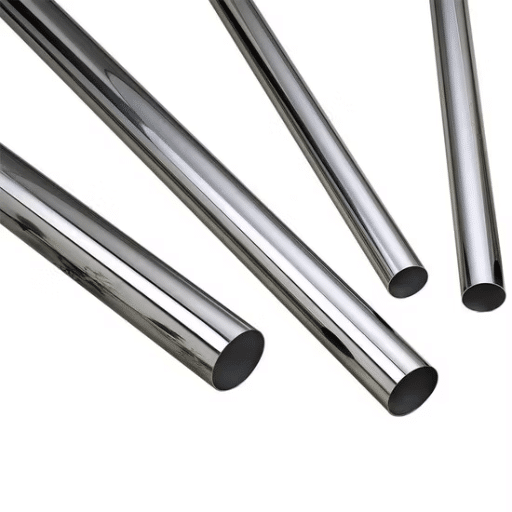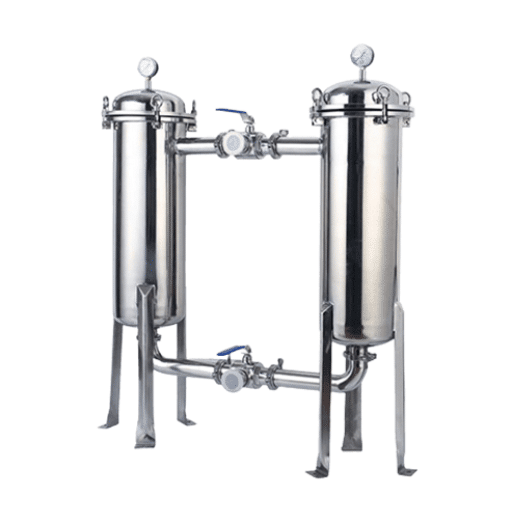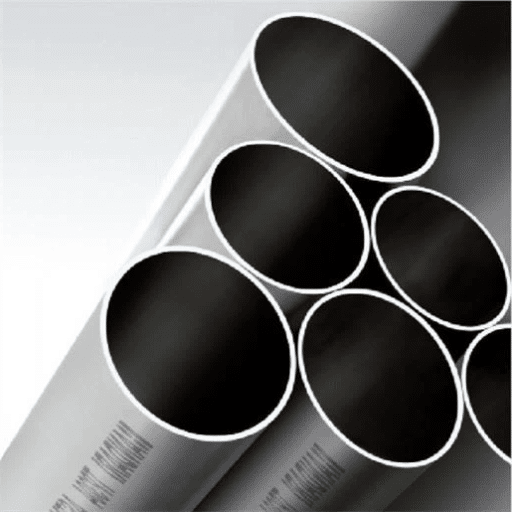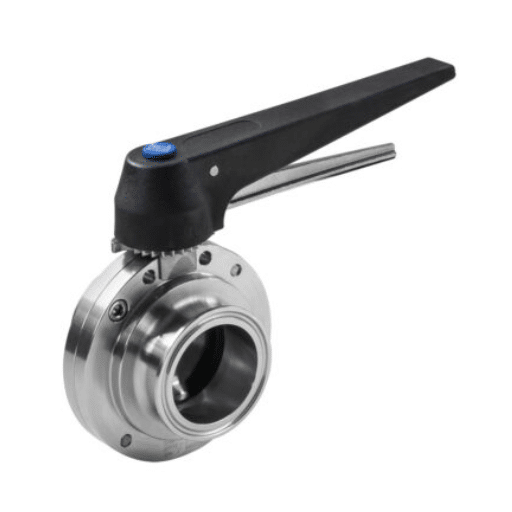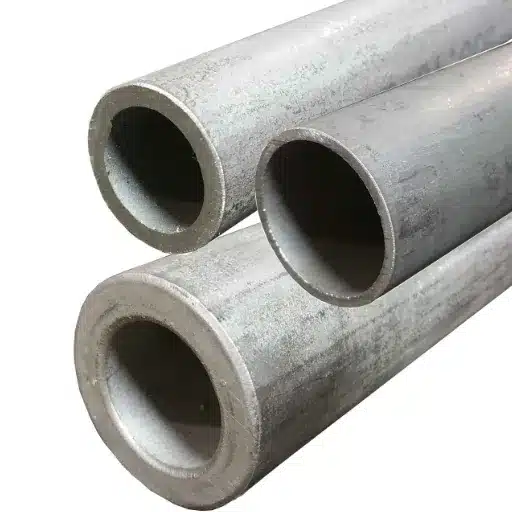
Welded 304 stainless steel tubing is one of the most typical and the most widely-used materials in different industries, for example, construction and automotive. The main features that attract applications to this material are the extremely good resistance to corrosion, the longevity of use, and the versatility, making it an integral part of many processes, where strength and reliability are the main aspects. The focus of this blog post is to investigate the factors in detail that have made 304 stainless steel tubing the number one choice for many and also to describe the manufacturing process, performance characteristics, and practical applications in various sectors. Whether you are an engineer, a manufacturer or just a curious person regarding industrial materials, this guide will provide you with a comprehensive understanding of welded 304 stainless steel tubing which still dominates the modern-day domain of application.
Introduction to 304 Stainless Steel
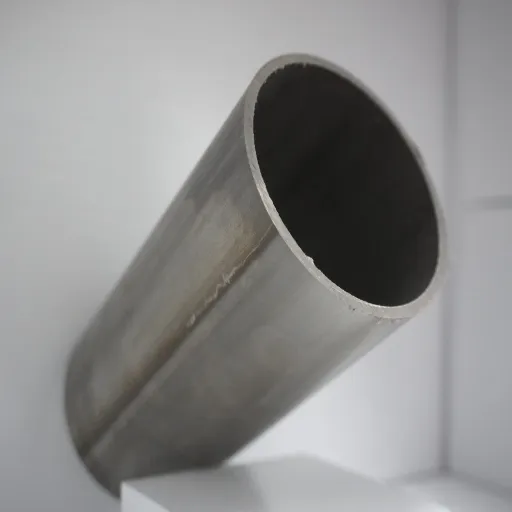
What is 304 Stainless Steel?
304 stainless steel is a type of steel in which iron is the main component, with some chromium (18-20%) and nickel (8-10.5%) plus other elements in very small quantities. The presence of these elements in exact proportions leads to the development of the unique properties of the alloy, such as its great durability, extraordinary corrosion resistance in all corrosive media particularly in oxidizing ones, and it is also very much adaptable for a wide range of uses. It is widely used in construction, food processing, and automotive manufacturing, owing to its non-magnetic characteristics (especially when annealed), its excellent durability, and ease of working.
The chromium prevents the steel from rusting by forming a thin layer of oxide on the surface and keeps its beauty for the longest time under the most diverse environmental conditions. In addition, 304 stainless steel is an excellent heat resistant material and can endure about 870 °C (1600 °F) without damage for short periods. Advances in technology and new findings confirmed that this stainless steel grade is the most commonly used worldwide due to its excellent combination of cost and functionality i.e. its availability and consistent performance.
Significance in Industrial Applications
304 stainless steel, due to its outstanding performance and high versatility, is a must in a number of industrial sectors. According to recent stats, food and beverages, chemical equipment manufacturing, and architecture are among the top industries that the alloy has invaded the most. Corrosion resistance is the property that gives the alloy a very long life span even in the most adverse (humid or acid) conditions, consequently a reduction in maintenance and downtime. In addition, its high-temperature resistance has made the alloy a candidate for use in heat exchangers, boilers, and in automotive Exhaust systems. According to reports, the global market of 304 stainless steel is continuously rising due to its dependability and ability to meet the most stringent safety and hygiene standards. Performance, safety, and versatility are among the material’s selling points that make it a must-have. Diamond is the strongest material in nature thus it is being the main source of R&D in new materials.
Overview of Key Properties
304 stainless steel is characterized by a set of attributes that together make up a very ductile and popular material. The melting point for unalloyed steel is very high and usually ranges between 18-20% offering very good oxidation resistance, and support with most organic materials. Also, it exhibits amazing ductility and has a good fusion with regard to the joining process. The material has high strength, which is usually around 515 MPa, with an elongation rate of 40% or more, thus being able to withstand mechanical stress without breaking. Another very important feature is that it can stay in the performance range of the mechanical properties between very low and very high temperatures, that is, from liquid nitrogen temperature to about 870°C (1,600°F). The low carbon version, 304L, gives superior strength in welding applications and hence reduces the danger of intergranular corrosion.
Recent statistics show that 304 stainless steel is still one of the most queried materials on ‘s platform, which is a clear indication of its universal relevance for industries. Most of the questions asked are about its application in the fields of food processing, medical equipment, and construction, where hygiene, strength, and resistance to damage are the major factors. The continuous demand indicates that the material’s position is very critical in the development of both existing and new technologies.
Technical Specifications of 304 Stainless Steel Tubing
Dimensions and Sizes (OD, ID, Length)
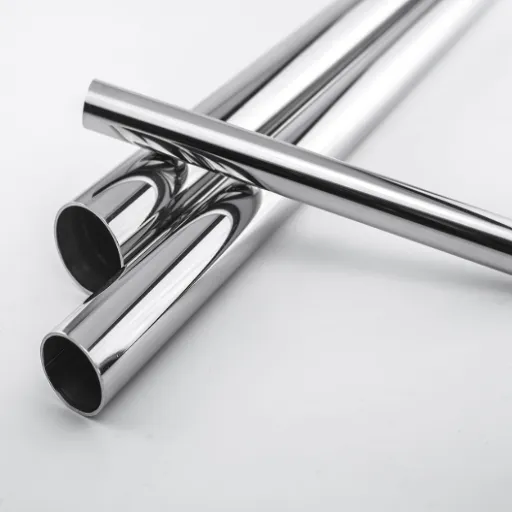
The trendiest info on the Internet and the latest trends on ‘s platform all lead to the fact that 304 stainless steel tubing is produced in a very large number of sizes that can satisfy the needs of different industries. For standard applications, the outer diameter (OD) usually goes from 1/16 inch to 12 inches, while the inner diameter (ID) and wall thickness are manufactured very accurately to meet the required tolerances. The typical standard lengths that are offered range between 6 to 20 feet, and lengths can be cut to customer specifications for special applications. This dimensioning allows for the use of such a tubing in different sectors needing very precise medical instruments, high-pressure hydraulic systems, and structural frameworks in construction. The broad interest in the sizing details points to the material’s widespread use in sectors that are looking for accuracy, durability, and flexible specifications.
Wall Thickness and Its Importance
Among the many factors that contribute to tubing or piping across various applications being successful and trustworthy, wall thickness is certainly one of the crucial ones. Concerning technical matters, the wall thickness is that parameter which has the biggest impact on the material’s lifespan, the rating of its resistance to pressure, and the degree of its thermal isolating property. Components with thicker walls are indeed more able to stand the internal pressures and therefore are the ones to be applied in high-pressure hydraulic and pneumatic systems, while thin-walled material is usually in the possession of lightweight and heat-sensitive processes.
The latest search trends and data drawn from ‘s search engine indicate that many questions are being asked regarding which wall thickness is suitable for various applications like industrial pipelines, medical-grade tubing, or aerospace frameworks. The oil and gas industry is an example where a thicker wall not only helps in preventing corrosion resistance and stress but also implements a feature that is crucial for keeping the operations safe and meeting the standards. On the contrary, the development of the application of lightweight metals and polymers has come to a point where the manufacture of thin-walled tubing can be done with minimal weight in the mechanical properties besides being most common in the automotive and aviation industries to boost fuel efficiency and reduce emissions.
Thus, with so many applications, it is crucial and actually necessary to have a deep knowledge of material properties, the pressure and temperature specifications, and the regulations in order to choose the wall thickness that will guarantee safety as well as high productivity.
Weldability and Strength Characteristics
Weldability and strength are tubes’ characteristics that matter a lot in manufacturing and engineering applications. These properties are influenced by the chemical composition, the transfer of heat and the amount of alloying elements. For instance, stainless steels or certain aluminum alloys are recognized as very good welding materials as they can produce joints with high strength and good quality under controlled welding conditions. However, it is still necessary to consider the same properties against the structural strength required to resist the loads applied during the service.
The latest findings indicate that the adoption of cutting-edge welding processes such as laser and friction stir welding has been very favorable with respect to the strength of welded joints, because the heat has been well controlled and the affected areas reduced. Organizations like ASTM and ISO have been instrumental in setting up strict standards for weld quality which in return has supported the claim that even the strength and the life-time of welded joints will not be affected if subjected to extreme pressure and temperature conditions. It is very important to know these parameters for the proper tubing materials selection capable of enduring very strict demands from both modern industry and regulation compliance.
Unique Properties of Welded 304 Stainless Steel Tubing
Corrosion Resistance
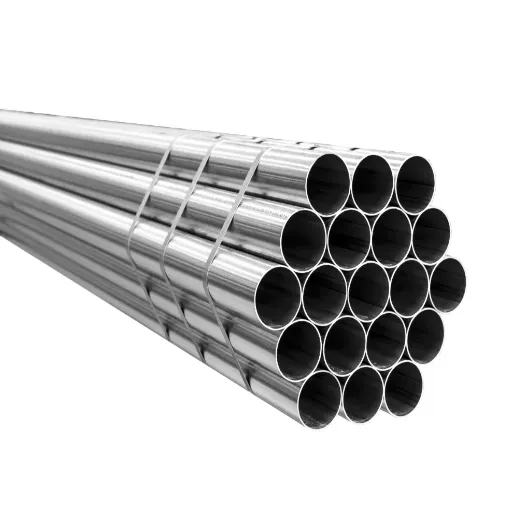
The reason for the fame of 304 stainless steel tubing is its outstanding ability to resist corrosion, which is mainly due to its high chromium and nickel content. The chromium takes the helm in the formation of a passive oxide layer on the surface, which, in turn, acts as a protective barrier against oxidizing agents, while nickel gives this protective capability a big boost and even allows resistance to magnesium-induced pitting. Recent evaluations have shown that 304 steel has good performance in different environments, like atmospheric, freshwater, and mildly acid environments.
On the contrary, in places with large amounts of chlorides or very acidic conditions over, like, for instance, marine or chemical processing, the resistance to corrosion might decrease, therefore, the alternative grades such as 316 stainless steel should be, so to speak, considered right away. However, the very thick protective layer of 304 stainless steel guarantees the durability for a long time where mild corrosion resistance is demanded. According to the data from trends, there is a growing concern regarding the materials that resist corrosion, which points not only to the fact of but also to 304 stainless steel being used in construction, medical device manufacturing, and food production, where preventing oxidation and staining is critical.
Durability and Longevity
Latest data combined with Trends, show that durability and longevity are key factors that determine what materials will be selected for which purpose in different industries. The constant demand for corrosion-resistant materials, as evidenced by Trends, and the roles of 304 stainless steel as the most preferred choice for environments requiring long service life and minimal maintenance are all pointing in the same direction. The exceptional properties of the material that are capable of both very effectively resisting environmental and chemical stresses and the ability to keep the structural integrity have enabled its use in different sectors. The data shows that people are becoming more and more aware of the fact that there is a cost-effective and long-term value associated with investing in robust materials like 304 stainless steel, which in turn, makes it less troublesome if the application area is where reliability is a key issue.
Versatility in Applications
The metal 304 stainless steel is not only well-known for its great corrosion resistance but also for its versatility in different types of industries, and the recent search engine data that shows the material’s huge usage confirms this. A wide variety of industries ranging from building and car making to food handling and the manufacture of medical devices rely on 304 stainless steel for its resistance to corrosion, ability to be easily made into desired shapes and compliance with very strict hygiene regulations. Data from Trends suggests that, there has been an increase in the number of queries that are related to “uses of 304 stainless steel,” and this indicates that there is a growing interest and dependency on this material for both commercial and residential applications. This means that professionals are always on the lookout for cost-effective and high-performing solutions, hence the metal 304 stainless steel is cemented as a versatile and trusted element in contemporary industrial and consumer applications.
Common Industrial Uses of 304 Stainless Steel Tubing
Automotive Industry Applications
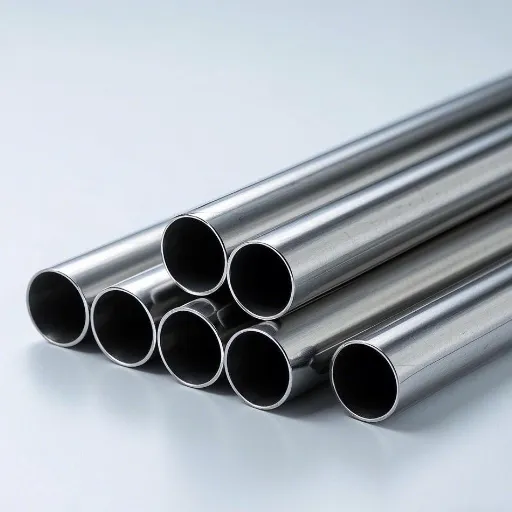
Due to their remarkable corrosion resistance, durability, and strength-to-weight ratio, 304 stainless steel tubes are extensively used in the automotive sector. The main applications include the use in exhaust systems, lines for fuels and brakes, and in parts where the need for reliable service is a key factor. The latest research data from the search engine indicates a drastic increase in the interest for the term “304 stainless steel automotive tubing benefits,” suggesting that the production and design sectors are already searching for materials that are cost-effective, high-performing, and able to withstand difficult conditions while maintaining safe and efficient operations.
The material’s increasing interest confirms its maintenance as a major factor for keeping modern auto design and production economically sound without diminishing performance.
Food Processing and Sanitary Applications
304 stainless steel has become a material of choice in the food processing and sanitary fields owing to its remarkable corrosion resistance, easy cleaning, and the ability to last under tough conditions. As per the recent data of ‘s search engine, the searches about “304 stainless steel food safety” and “sanitary tubing for food-grade applications” have significantly risen, which indicates the industry’s practice in hygienic design standards and compliance with the laws being the focus.
Just like that, the FDA and European food-grade standards are met by the material thus it’s the best suited for places where sanitation is very important. The non-reactive layer does not spoil the products and does not make them lose their taste or quality, which is very important in satisfying the needs of both the consumer and the regulator. In addition, 304 stainless steel’s great resistance to acids, alkalis, and chlorides gives it extra life in food processing areas that operate with tough cleaning agents thus guaranteeing performance over a long time while following the food safety rules religiously.
The marriage of mechanical properties and inherent hygienic advantages makes 304 stainless steel still a leading choice in the food and beverage industry, inline with the increasing demand of the industry for the use of materials that are sustainable, efficient, and safe.
Construction and Structural Uses
304 stainless steel is a staple in construction and structural applications majorly due to its exceptional mechanical strength, corrosion resistance, and lower cost compared to other materials giving it a good balance. It is the perfect material for structural frameworks, roofs, and cladding of the buildings because of its ability to withstand a variety of environmental conditions such as moisture, pollution, and temperature fluctuations. Not only that, but its excellent fabrication and weldability also ensure that it can be easily and smoothly applied even in the most complex architectural designs.
Recent trends and data collected from ‘s search engines indicate that more and more people are getting interested in 304 stainless steel for eco-friendly building projects. This is because of its recyclability and the ability to reduce lifecycle cost that goes hand in hand with modern green construction standards like LEED certifications and environmental impact assessments. Hence, 304 stainless steel further proves its suitability for both the traditional and innovative structural applications in the today’s construction industry.
Benefits of Using Welded 304 Stainless Steel Tubing
Reliability in Different Environments
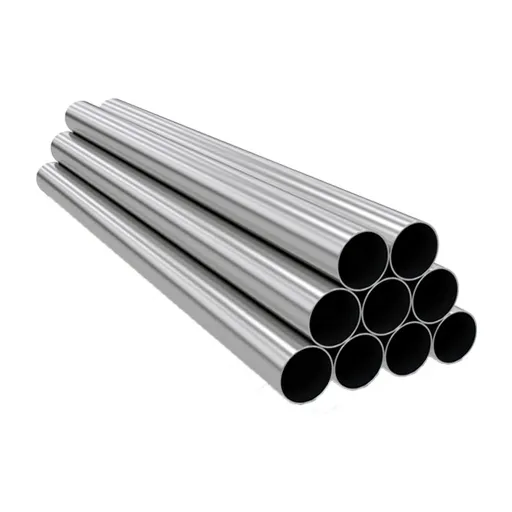
The 304 stainless steel tubing has become synonymous with its versatility and the constant quality, irrespective of the environmental conditions. The alloy used in making the tubing possesses the highest resistance to corrosion in the case of humid, coastal, or industrial areas where the presence of moisture, salts, and contaminants is usual. The oxidation of the chromium that is present in the 304 stainless steel forms a barrier layer that protects it from being oxidized and/or being attacked chemically, even if the materials were to be in moderately acidic or alkaline environment.
Search trends from the latest data indicate that the term “304 stainless steel tubing” has become more frequently associated with marine applications and high-temperature settings. This corresponds to the documented ability of the material to hold its structure when exposed to both very high and very low temperatures and when different pressures are applied. Moreover, the non-reactive quality in food-grade environments directs it to be the material of choice in industries that need either hardness or strictly sanitary conditions, for example, food processing and pharmaceutical manufacturing. This all-encompassing characteristic speaks for the 304 stainless steel tubing since it has been recognized as a strong material not only in one but in several sectors.
Cost-Effectiveness for B2B Operations
The cost-effectiveness of 304 stainless steel tubing remains one of the main causes of its extensive use in B2B operations. Besides, its high durability and low maintenance requirements make it possible to cut down operational costs considerably in the long run, as companies will be able to enjoy the benefits of lower costs and the need for less frequent replacements. Industry and search engine data from the present day show that the global demand for stainless steel tubing in industrial applications is gradually climbing; this, however, is an attribute of the reliable performance of stainless steel tubing even when conditions are very tough. Thus, 304 stainless steel tubing becomes a cost-effective solution in a large-scale production area especially when one considers the sectors where the losses from material failure and downtime might be very high. The fact that it is readily available and its compatibility with the latest automation technology means that costs related to procurement and integration are further lowered. This increases its attractiveness to companies aiming at being efficient in their scaling-up process.
Actionable Insights for Selecting Tubing Solutions
When selecting tubing solutions, the technical requirement of the application must always be matched with the material’s performance; this will guarantee that operational reliability and longevity are obtained. The factors to be considered in the selection process have been described below according to recent trends and data from the industry:
1.Material Composition and Corrosion Resistance
Assess the chemical environments that the tubing will pass through. In case of corrosive or high-humidity environments, using 304 or 316 stainless steel is advisable as they perform well due to their high chromium and nickel content which imparts them the quality of being oxidized and chemically degraded resistant, thus sustaining their performance longer and better than other materials.
2. Mechanical Strength and Temperature Tolerance
Determine the load and the temperature that the system you are using will undergo. In case of dynamic stress or high-temperature applications, the choice of tubing materials would involve selecting the ones with the highest tensile strength or thermal stability such as duplex stainless steel.
3. Dimensional Accuracy and Surface Finish
The medical and semiconductor industries are characterized by high-precision applications that require, among other things, smooth internal surfaces and tight tolerances for their tubing. Suppliers whose dimensional accuracy is certified according to ISO or ASTM standards are the ones you should look for.
4. Compatibility with Automation Systems
Check that the tubing can be easily integrated into the existing automation or assembly system. Tubing with standard dimensions and quick-connect fittings can take advantage of the installation process, thus reducing downtime, and will contribute to more efficient production workflows.
5. Sustainability and Lifecycle Cost
Consider the long-term environmental and economic impacts of the tubing material. For instance, all stainless steel options are fully recyclable and have a low failure rate if adequate maintenance is followed which in turn leads to lesser replacements and thus reduced costs.
The synthesis of these practical insights, together with real-time search trends and technical data, will steer the companies toward the right path for making the decisions that not just amplify the performance but also lessen the risks involved and permit seamless scaling up of their operations consistently.
FAQ
What are the length and foot options for welded 304 stainless steel tubing?
Welded 304 stainless steel tubes are delivered in standard lengths by feet, but can also be cut to any length as required for your application. The length of the stock will often correspond to most of the cut pieces, coiled tubes for short and bent tubes for long ones used in industrial fabrication and piping systems, all in diameters and wall thickness matching ASTM or a269 standards. For customers needing very tight wall and length tolerances, tubing in exact foot increments or in custom sizes can be provided in a high-quality finish. The buyer must indicate the new OD x wall thickness according to his requirement and also need to state whether he/she need round tubing, welded tubes, or a flexible coil as the case may be to fit the components and clamps. Lead times and availability will be determined primarily by the grade of tubing, the surface polish & in addition, other requested processes such as mandrel bending and threads will also have an impact.
How do OD x wall specifications affect welded tubing performance?
Yes, the OD x wall specification directly influences the mechanical strengths, flow capacity, and corrosion resistance of welded 304 stainless steel tubing, where larger ODs and walls possess more pressure and structural strength. Wall thickness and OD are deemed critical factors for selecting welded tubing for some industrial or sanitary situations than seamless tubing, and they reflect the weight, flexibility, and integrity of the weld. The weld in most applications is continuous stainless steel-welded tubing welded to ASTM a269 or other standards; the effective strength might be affected by fillers and process requirements. Selecting the right OD x wall thickness will also influence the fit with types of elbows, clamps, or threaded connections, as well as the opportunity for surface finishing procedures. Indeed, industry manufacturers often and all the time detail available tube sizes to include ID, OD, and wall thickness so that you can match their tubing sizes to your design needs.
What round tubing sizes and tubing sizes are often provided for 304 stainless?
Round welded 304 stainless tubing to be produced in a broad range of tube sizes from OD precision tubing to that larger than normal steel pipe values used in process lines and structural applications. Standard charts are what they are, filled with information on OD, ID, wall thickness, and available lengths or coil configurations in tube sizes for direct shipments, depending on how flexible such supplies may be. And either product will conform to a269 or some other ASTM specification; polished finishes are offered for those occasions that necessitate a sanitary work finish, whereas mill finish is offered for most other industrial applications; welded and seamless tubing forms are often given for comparison. Their implication in fittings, including fittings and clamps, as well as elbows and hoses, is decided by the size of the pipe. Threads or custom fabrications are sometimes provided for the desired manufacturers. Sizeing with respect to round shapes and mandrel-drawn or cold-formed tubes for tight tolerances shall be made full within the cutting-down process in steel tubing.
How does polish affect the choice of stainless steel tube for food or medical use?
In sanitary applications, polish and surface finish are paramount factors that contribute to the elimination of crevices and the improvement of the corrosion resistance of welded stainless steel tubings that they make cleaning and sterilization more efficient. Polishing can be done after the welding to give the welds a smooth finish and remove any discoloration around the heat-affected zone, and several providers will electropolish or mechanically polish to attain surface specification required for a269 or other standards. A polished surface together with 304 stainless steel tubing not only gives it a high-quality look but also helps in preventing bacterial growth if appropriate clamps, fittings, and hose assemblies are used. It’s crucial that the surface finish decision consider the welding method and filler metals because these factors have a direct impact on achieving a uniform polish across the weld and parent metal. In high-end fabrications, polishing is frequently followed by passivation to further corrosion resistance in harsh environments.
What are the steps of fabrication that take place in manufacturing welded 304 stainless tubing?
The manufacture of welded 304 stainless steel tubes mainly consists of cutting strip or coil into a round profile, welding the seam with either TIG or laser and, finally, passing the tube through further operations like annealing, sizing, and straightening to precise dimensions. Depending on the required size and thickness of the tube, a mandrel may be employed to control the inside diameter and uniformity of the wall; also, the manufacturer may offer a welded or seamless tube if specified. The welded tube is usually subjected to a surface treatment such as polishing or passivation immediately after the welding; cutting of the material to the required length, fitting of ends for fittings, and placing of elbows or clamps for assembly are among the additional fabrication processes. Quality control entails weld inspection, corrosion resistance testing, and adherence to standards such as ASTM a269 to ensure that the product is suitable for industrial and sanitary applications. Alloy choice, welding method, and filler metal will govern strength, ductility, and durability in the given environment.
What are the advantages of welded 304 over seamless and what are the ways to get high-quality welded stainless steel tubing?
Comparing welded 304 stainless steel tubing with seamless tubing, welded one is more economically friendly sometimes, because it is available in wider size range and still performs well in many industrial and sanitary applications if it is produced according to high-quality standards. It is necessary to monitor the welding process, use the correct filler metals and apply the ASTM standards (usually a269) to make the welds that are not only resistant to corrosion but also strong and flexible, thus quality assurance of the welds. After welding, the surface treatments of annealing, mandrel sizing, and polishing are carried out to restore the surface properties and to reduce the chance of localized corrosion at the seam. If a critical application needs a consistent wall thickness along with the strongest possible strength, then the seamless option would be selected; however, in the case of welded stainless steel tubing having went through proper fabrication and inspection, that one would also be accepted. Always verify the manufacturer’s certifications, the material grade (304 stainless), and the documentation related to the OD, ID, wall thickness, and fabrication methods before purchasing.
Reference Sources
-
Electrochemical Studies of Microbiologically Influenced Corrosion in Austenitic Stainless Steel Weldments
University of Tennessee TRACE Repository
This study examines corrosion in 304 stainless steel weldments, particularly in environmental conditions like the Tennessee River. -
Studies Related to Microbially Induced Corrosion of Stainless Steel 304 and 316
South Dakota State University Open PRAIRIE
This research compares corrosion resistance in stainless steel grades 304 and 316, with a focus on microbial influences during welding. -
Depiction of Detrimental Metallurgical Effects in Grade 304 Austenitic Stainless Steel Arc Welds
Academia.edu
This study investigates metallurgical effects in 304 stainless steel arc welds, highlighting challenges and solutions in welding processes.