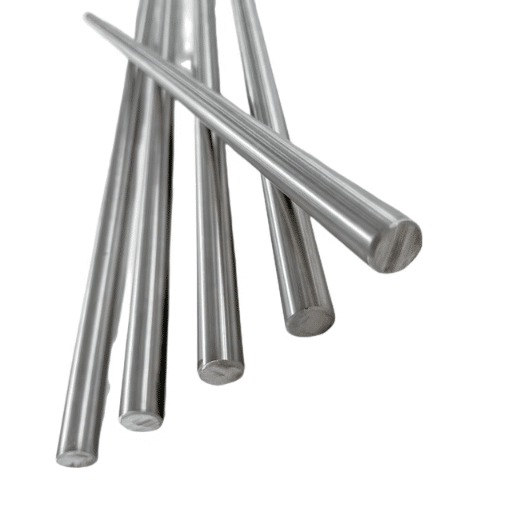
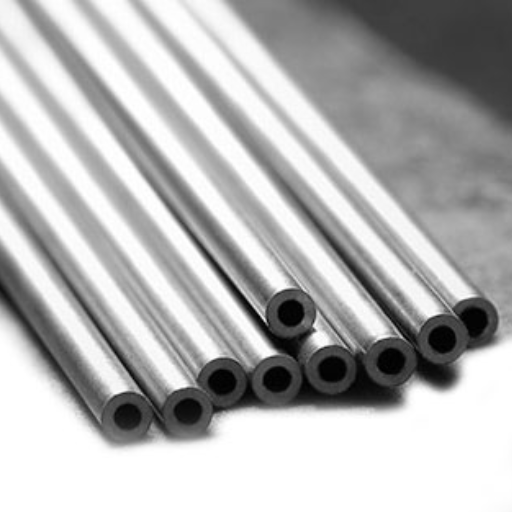
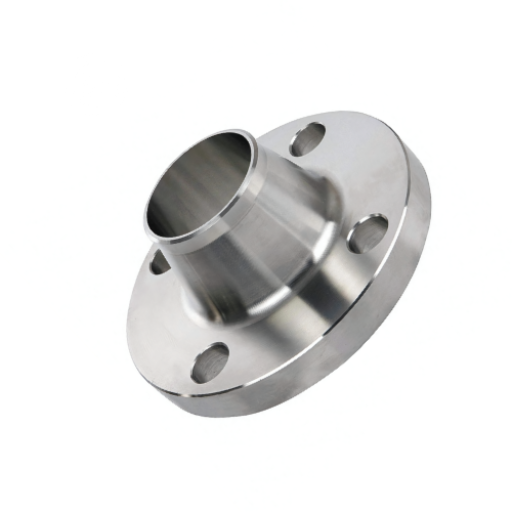
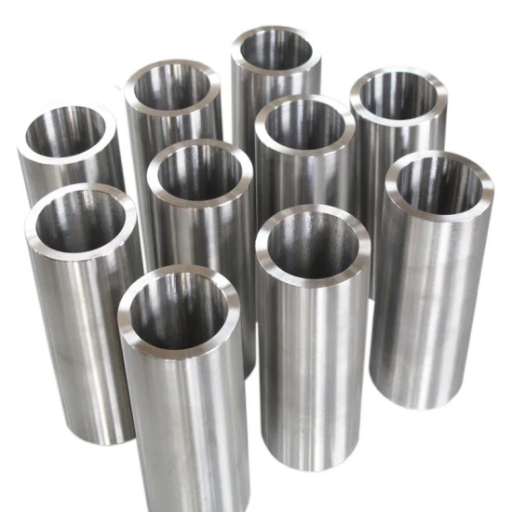
Oxygen-free copper tube is high-purity copper tubing made with oxygen content below 10 ppm, typically designated UNS C10100 (OFE) or C10200 (OFHC). With copper purity of 99.95–99.99% and conductivity of 100–101% IACS, it resists hydrogen embrittlement and outgassing, making it suitable for electronics, semiconductors, vacuum systems, and high-performance thermal applications.
Last Tuesday, Marcus Chen opened a quote from an audio cable manufacturer and felt his stomach drop. The OFC copper interconnect his engineering team had specified cost nearly three times what a standard copper cable would run. His procurement manager wanted answers. Was the premium justified, or were they paying for marketing hype wrapped in audiophile mythology?
If you’re specifying materials for electronics, semiconductor equipment, or high-fidelity audio systems, you’ve faced this same question. The difference between oxygen-free copper and standard electrolytic tough pitch copper isn’t just a price point. It’s the difference between components that perform consistently in critical applications and those that introduce variability you can’t afford.
This guide provides a complete technical framework for specifying oxygen-free copper tube. You’ll understand exactly what OFC delivers, when C10100 outperforms C10200 and C11000, how to avoid hydrogen embrittlement during fabrication, and why Zhongzheng’s ASTM-compliant manufacturing ensures the conductivity and purity your application demands. Whether you’re sourcing tube for vacuum chambers, audio cables, or EV thermal management, you’ll have the specifications knowledge to make the right grade selection with confidence.
Key Takeaways
- Oxygen-free copper tube contains less than 5–10 ppm oxygen, compared with 200–400 ppm in standard ETP copper (C11000).
- C10100 (OFE) reaches 101% IACS conductivity and is the grade of choice for UHV, semiconductor, and premium audio applications.
- C10200 (OFHC) delivers 100% IACS conductivity at a 10–20% lower cost, ideal for heat exchangers and general electronics.
- OFC eliminates hydrogen reaction embrittlement during brazing because it lacks the Cu₂O inclusions that react with hydrogen to form water vapor at grain boundaries.
- Zhongzheng manufactures C10100 and C10200 tube to ASTM B68, B75, and F68 with spectrographic purity verification and full MTR documentation.
What is an oxygen-free copper tube?

Defining Characteristics of OFC
Oxygen-free copper tube is high-purity copper tubing manufactured with oxygen content below 10 ppm, typically designated UNS C10100 (OFE, Oxygen-Free Electronic) or C10200 (OFHC, Oxygen-Free High Conductivity). Unlike standard electrolytic tough pitch copper (ETP, C11000), which contains 200–400 ppm oxygen as copper oxide inclusions, OFC is produced under controlled atmospheric conditions that virtually eliminate oxygen contamination. The Copper Development Association publishes the official alloy designations and composition limits for these grades.
Key specifications that define oxygen-free copper tube:
- Copper purity: Minimum 99.99% for C10100, 99.95% for C10200
- Oxygen content: Less than 5 ppm for C10100, less than 10 ppm for C10200
- Electrical conductivity: 101% IACS minimum for C10100, 100% IACS for C10200
- Density: 8.94 g/cm³ (identical to all pure copper grades)
- Melting point: 1083°C (1981°F)
The manufacturing process begins with electrolytic refining of copper cathodes. For OFC grades, the casting and subsequent processing occur under a protective atmosphere or vacuum to prevent oxide formation. This controlled-environment processing adds cost but eliminates the oxide inclusions that create microscopic discontinuities in the copper matrix. The result is a material with superior electrical and thermal conductivity, exceptional ductility, and critical performance characteristics for vacuum and cryogenic applications.
Why Low Oxygen Matters: The Hydrogen Embrittlement Mechanism
The performance gap between OFC and ETP copper traces back to one chemical reaction. In ETP copper, oxygen exists as cuprous oxide (Cu₂O) inclusions dispersed through the copper matrix. When the metal is heated in a hydrogen-rich atmosphere — common during brazing or certain thermal treatments — hydrogen diffuses into the copper and reacts with Cu₂O:
Cu₂O + H₂ → 2Cu + H₂O
The water vapor forms at grain boundaries under high temperature and pressure. It creates microvoids and intergranular cracks that embrittle the material. This is hydrogen reaction embrittlement, and it can turn a sound copper assembly into a leaking or fractured component.
OFC copper contains so little oxygen that the reaction cannot proceed to any meaningful degree. Even trace oxygen in C10100 is too low to generate the steam pressure required for grain-boundary damage. That single difference is why aerospace, semiconductor, and vacuum-system engineers specify OFC whenever hydrogen atmosphere brazing or high-temperature hydrogen service is involved.
Physical Properties
| Property | Value (C10100 / C10200) |
|---|---|
| Density | 8.94 g/cm³ |
| Melting point | 1083°C |
| Thermal conductivity | 386–394 W/m·K at 20°C |
| Electrical conductivity | 101% IACS (C10100), 100% IACS (C10200) |
| Thermal expansion | 17.0 × 10⁻⁶ /°C (20–300°C) |
| Modulus of elasticity | 115 GPa |
These values place OFC among the most conductive engineering metals available. For comparison, 304 stainless steel pipe for heat exchangers offers only about 16 W/m·K thermal conductivity. Copper outperforms stainless steel by roughly 20–25× in heat transfer, which is why copper tubes dominate thermal management even though stainless steel wins on corrosion resistance.
C10100 vs C10200 vs C11000: Grade Selection Framework
When Sarah Kim’s semiconductor equipment team specified OFC tube for their next-generation deposition chamber, she faced a choice that adds cost without obvious benefit. C10100 carried a 15% premium over C10200. Her engineering director wanted to know if the purity difference justified the spend. The answer required understanding exactly what each grade delivers — and where performance thresholds demand the higher specification.
Chemical Composition Comparison
| Element | UNS C10100 (OFE) | UNS C10200 (OFHC) | UNS C11000 (ETP) |
|---|---|---|---|
| Copper (min) | 99.99% | 99.95% | 99.90% |
| Oxygen (max) | 5 ppm | 10 ppm | 200–400 ppm |
| Silver | Included in Cu value | Included in Cu value | Included in Cu value |
| Other impurities (total) | 0.01% max | 0.05% max | 0.10% max |
| Tellurium (max) | 0.0005% | 0.0005% | 0.0005% |
| Selenium (max) | 0.0005% | 0.0005% | 0.0005% |
| Typical conductivity | 101% IACS | 100% IACS | 100% IACS |
The 0.04% purity difference between C10100 copper tube and C10200 copper tube translates to measurable performance characteristics. C10100’s tighter impurity limits ensure consistent electrical conductivity at the theoretical maximum. C10200 permits slightly higher trace element content that can affect conductivity in applications where every fraction of a percentage point matters.
Performance Differences in Real Applications
Electrical conductivity represents the most significant practical difference. C10100 guarantees 101% IACS minimum conductivity. C10200 guarantees 100% IACS. ETP copper typically reaches 100% IACS as well. This distinction matters for high-fidelity audio cable conductors, particle accelerator RF cavities, and precision current shunts where resistance must be tightly controlled.
Vacuum outgassing shows measurable difference between grades. Both C10100 and C10200 outperform ETP copper dramatically, but C10100 achieves lower outgassing rates in the 10⁻¹² mbar·L/s·cm² range versus C10200’s 10⁻¹¹ range. For UHV systems operating below 10⁻⁹ mbar, this difference determines whether chamber base-pressure targets are achievable.
Hydrogen embrittlement resistance improves with lower oxygen content. C10100 OFHC copper tube is the safest choice for hydrogen atmosphere brazing. C10200 is still far better than ETP but carries marginally higher risk. C11000 should be avoided for hydrogen service unless specific low-oxygen procedures are followed.
Cost differential typically runs 10–20% between C10100 and C10200, with both grades commanding a 15–30% premium over standard ETP copper. This premium reflects the controlled-atmosphere processing required throughout manufacturing.
When to Specify Each Grade

Specify UNS C10100 (OFE) when:
- Semiconductor manufacturing equipment requires UHV compatibility
- Premium audio cable and interconnect applications demand maximum conductivity
- Particle accelerator components and RF systems span long conductor runs
- Cryogenic research apparatus depends on thermal conductivity at low temperatures
- Applications require absolute maximum electrical conductivity
- Systems must be brazed in hydrogen atmosphere or exposed to hydrogen service
Specify UNS C10200 (OFHC) when:
- General electronics and electrical applications require high reliability
- Heat exchangers and thermal management systems need high conductivity
- Industrial applications require OFC benefits but maximum purity isn’t critical
- Cost-sensitive projects accept 100% IACS conductivity as sufficient
Specify ETP (C11000) when:
- Standard electrical wiring and bus bar applications are involved
- Plumbing and architectural installations dominate the specification
- Non-critical applications where 15–30% cost savings outweigh conductivity benefits
Unsure which copper grade meets your conductivity requirements? Speak with Zhongzheng’s technical team about C10100 or C10200 tube specifications for your project.
Oxygen-Free Copper Tube Applications by Industry
Electronics and Semiconductors
Modern semiconductor fabrication demands materials that won’t compromise the ultra-clean environment required for sub-10nm process nodes. OFC copper tube — especially oxygen-free high conductivity copper — serves critical functions in these systems:
Vacuum chamber components: Process chambers operate at pressures below 10⁻⁹ mbar. OFC’s low outgassing rate prevents contamination that would destroy wafer yields. C10100 copper tube specifically is specified for the most demanding UHV applications. The American Vacuum Society provides recommended practices for selecting copper materials in vacuum systems.
Process gas delivery systems: High-purity gases for deposition and etching processes travel through OFC tubing to prevent contamination. The material’s compatibility with high-purity gases and resistance to hydrogen embrittlement during system assembly makes it indispensable.
Thermal management: Copper’s 391 W/m·K thermal conductivity enables precise temperature control in process equipment. OFC’s consistency ensures predictable thermal performance across production runs.
High-Fidelity Audio Equipment
The controversy surrounding oxygen-free copper in audio applications generates more heat than light. Objective measurement confirms that OFC’s 101% IACS conductivity versus ETP’s 100% represents a measurable 1% improvement. Subjectively, whether this translates to audible differences remains debated among engineers and audiophiles.
What is not debatable: OFC’s consistency and freedom from oxide inclusions ensures stable performance over decades of service. Premium audio cable manufacturers specify C10100 OFC tube for interconnect cable center conductors, speaker cable construction, and internal component wiring in high-end amplifiers.
The skin effect, where higher frequency signals travel predominantly in the conductor’s outer layer, makes surface quality critical. OFC’s uniform grain structure without oxide discontinuities provides consistent impedance characteristics across the audio frequency spectrum.
Heat Exchangers and Thermal Management
Oxygen-free copper tube provides exceptional thermal performance for applications requiring maximum heat transfer efficiency:
- Laser cooling systems: High-power industrial and medical lasers require cooling circuits that maintain precise temperature control. OFC’s thermal conductivity and corrosion resistance ensure long-term reliability.
- CPU/GPU thermal solutions: High-performance computing hardware increasingly uses vapor chamber and heat pipe designs incorporating OFC tube for thermal spreading.
- EV battery thermal management: Electric vehicle battery packs require sophisticated cooling systems. OFC tube provides the thermal conductivity needed for liquid cooling circuits managing cell temperatures within narrow operating windows.
- Cryogenic heat exchangers: At liquid nitrogen temperatures (77K) and below, OFC maintains superior thermal conductivity compared to aluminum, which becomes brittle and loses conductive efficiency.
For applications comparing copper versus stainless steel heat exchanger options, copper provides roughly 20× higher thermal conductivity. However, stainless steel heat exchanger tube alternatives remain the better choice when corrosion resistance in chloride environments is required.
Scientific and Research Equipment
Particle accelerator RF cavities: Copper’s conductivity at microwave frequencies makes it essential for particle accelerator construction. OFC’s purity ensures maximum energy transfer efficiency in RF systems spanning kilometers of beamline.
Cryogenic research apparatus: Superconducting magnet systems and low-temperature physics experiments rely on OFC for thermal isolation and current carrying at cryogenic temperatures.
Mass spectrometer components: The extreme vacuum requirements of mass spectrometry demand materials with minimal outgassing. OFC components maintain system integrity during bake-out cycles and extended operation.
Telescope mirror substrates: Large astronomical mirrors use OFC for thermal management and structural support due to its thermal stability and machinability.
Medical and Vacuum Devices
MRI components, diagnostic instrument tubing, vacuum electron devices, and glass-to-metal seals all benefit from OFC’s purity. In medical applications, the absence of oxide inclusions reduces the risk of particulate contamination, while the material’s biocompatibility and conductivity support both electrical and thermal functions.
Want to see how OFC tube performs in your thermal or vacuum application? Request a C10100 oxygen-free copper tube sample for evaluation and testing.
Standards and Specifications

ASTM Standards for Copper Tube
Oxygen-free copper tube production and testing follow specific ASTM International standards that ensure consistency across suppliers:
ASTM B68, Seamless Copper Tube, Bright Annealed
- Covers seamless tube in O60 (soft annealed) temper
- Specifies dimensional tolerances and surface finish requirements
- Typical applications: refrigeration, instrumentation, vacuum systems
ASTM B75, Seamless Copper Tube
- General seamless tube specification covering multiple tempers
- Includes O60 (annealed), H58 (drawn general purpose), H80 (hard-drawn)
- Pressure ratings based on wall thickness and temper
ASTM B188, Copper Bus Pipe and Tube
- Covers tube used for electrical bus applications
- Relevant for high-current OFC installations
ASTM F68, Oxygen-Free Copper for Electronic Applications
- Specifies material requirements for electronic-grade OFC
- Covers both C10100 and C10200 for semiconductor and vacuum applications
International Standards
For international projects, equivalent specifications apply:
- EN 13600: Copper and copper alloys, seamless copper tubes for electrical purposes
- JIS H3300: Copper and copper alloy seamless pipes and tubes
- GB/T 1527: Chinese standard for copper tubes
Zhongzheng manufactures OFC tube to ASTM B68, B75, and F68 specifications with full material certification, ensuring global project compliance. Production also aligns with seamless copper tube standards and sizes for dimensional consistency.
Temper Designations
| Temper | Description | Tensile Strength (MPa) | Elongation (%) |
|---|---|---|---|
| O60 | Soft annealed | 220–260 | 45–55 |
| H58 | Drawn general purpose | 250–310 | 25–40 |
| H80 | Hard-drawn | 310–380 | 8–20 |
O60 (soft annealed) is used when forming applications require maximum ductility. H58 (drawn general purpose) offers balanced strength and formability. H80 (hard-drawn) provides maximum strength but reduced ductility, suitable for straight runs and structural applications.
Fabrication and Joining Guidelines
Brazing Considerations and Hydrogen Embrittlement Prevention
The greatest risk in fabricating OFC components isn’t the material itself — it’s improper brazing procedure. Hydrogen embrittlement represents the most common cause of OFC tube failure during assembly.
Recommended filler metals:
- BCuP series (phosphorus-bearing): Self-fluxing on copper, phosphorus content reduces copper oxides without requiring external hydrogen atmosphere
- BAg series (silver-bearing): Use with proper flux in protective atmosphere (nitrogen or argon, NOT hydrogen)
Avoid: Brazing in pure hydrogen atmosphere unless specific procedures are followed. Even with OFC, hydrogen brazing requires careful temperature control and post-braze annealing.
Best practice: For critical applications, specify brazing in inert atmosphere (argon or nitrogen) with BAg-7 or similar filler metal. This eliminates hydrogen embrittlement risk entirely.
Soldering OFC Tube
Standard tin-lead and lead-free solders work effectively with OFC copper. Key considerations:
- Flux selection: Use rosin-based flux for electrical applications, water-soluble flux for plumbing (must be thoroughly cleaned post-soldering)
- Temperature control: Avoid overheating that can cause grain growth and reduced ductility
- Joint strength: Soldered joints provide adequate strength for low-stress applications; mechanical support required for pressurized systems
Forming and Bending
OFC copper tube in annealed temper (O60) offers excellent formability. Bending guidelines:
| Tube OD | Minimum Bend Radius (O60 temper) |
|---|---|
| 1/4″ (6.35mm) | 1/2″ (12.7mm) |
| 3/8″ (9.53mm) | 3/4″ (19.1mm) |
| 1/2″ (12.7mm) | 1″ (25.4mm) |
| 3/4″ (19.1mm) | 2″ (50.8mm) |
| 1″ (25.4mm) | 3″ (76.2mm) |
Springback compensation: Copper work-hardens during bending. Expect 5–10° springback depending on bend radius and wall thickness. Hard-drawn temper (H80) requires significantly larger bend radii and may crack if bent too tightly.
Coil winding: OFC tube is frequently supplied in coil form for refrigeration, HVAC, and long process runs. When winding coils on-site, maintain consistent tension and avoid kinking. Pre-annealed O60 temper is recommended for complex coil configurations. For corrosive environments where coil form is still required, stainless steel coil tubing for corrosive service may be a better alternative.
Cleaning and Handling
Post-fabrication cleaning ensures surface integrity:
- Remove all flux residues with appropriate solvent
- Clean cutting oils and lubricants with isopropyl alcohol or degreasing solution
- Passivate surfaces with citric acid solution if required for critical applications
- Dry thoroughly before vacuum system assembly
Storage recommendations: Store OFC tube in original packaging until use. If exposed to atmosphere for extended periods, light tarnish may form. This oxide layer is typically self-limiting and doesn’t affect conductivity significantly, but can be removed with mild abrasive if cosmetic appearance is critical.
Quality Control and Testing
Chemical Analysis Verification
Zhongzheng verifies every heat of OFC material through optical emission spectrometry before production begins. This analysis confirms:
- Copper content meeting 99.99% minimum for C10100, 99.95% for C10200
- Trace element limits for iron, nickel, zinc, lead within specification
- Oxygen content verification through inert gas fusion analysis
Mill Test Reports (MTRs) include complete chemical composition data with traceability to raw material batch numbers. Learn more about documentation in our guide on how to read a mill test report.
Physical Testing
Electrical conductivity measurement: Eddy current testing verifies conductivity meets 101% IACS minimum for C10100, 100% IACS for C10200. This testing is performed on sample specimens from each production lot.
Mechanical testing by temper: Tensile strength and elongation are verified against ASTM requirements for O60, H58, and H80 tempers.
Hardness verification: Rockwell or Vickers hardness testing confirms the temper designation matches the mechanical requirements.
Specialized Testing for Critical Applications
Outgassing rate testing: For vacuum applications, samples undergo thermal vacuum testing per AVS standards. Testing measures gas evolution rates at elevated temperatures to verify UHV compatibility.
Eddy current testing: Seamless tube integrity is verified through full-length eddy current inspection, detecting surface and near-surface discontinuities.
Dimensional inspection: OD, wall thickness, and straightness measurements confirm compliance with ASTM B68/B75 tolerances. Precision applications may require additional dimensional certification.
Documentation Package
Standard documentation includes:
- Mill Test Report (MTR): Chemical composition, mechanical properties, heat number
- Dimensional inspection report: OD, wall thickness, length measurements
- Certificate of compliance: ASTM B68, B75, or F68 conformance certification
- EN 10204 3.1 certification: Available upon request for European project requirements
Full traceability from raw material certificate to finished product is maintained for every order.
Procurement and Specification Best Practices
Complete Specification Elements
When requesting quotation for oxygen-free copper tube, include these specification elements to ensure accurate quoting and compliant delivery:
- UNS designation: C10100 or C10200 (specify OFE or OFHC)
- Temper: O60 (soft annealed), H58 (drawn general purpose), or H80 (hard-drawn)
- ASTM standard: B68 (bright annealed), B75 (general seamless tube), or F68 (electronic grade)
- Form: Straight lengths or coil (specify coil ID if coiled)
- Dimensions: OD × wall thickness × length (example: 12.7mm OD × 0.89mm wall × 6m lengths)
- Surface finish: Bright annealed, mill finish, or specific Ra requirement
- Certification requirements: Standard MTR, EN 10204 3.1, third-party inspection
- Quantity: Minimum order quantities apply; larger quantities reduce per-unit cost
- Delivery timeline: Standard OFC tube lead times run 3–5 weeks; precision tolerances add 1–2 weeks
Cost Considerations
Understanding cost drivers enables intelligent grade selection:
OFC premium over ETP: 15–30% higher material cost reflects controlled-atmosphere processing throughout manufacturing.
C10100 vs C10200 differential: 10–20% premium for C10100’s higher purity. Justify this premium when applications require maximum conductivity or UHV compatibility.
Volume impact: Standard mill minimums for OFC tube typically start at 500kg per size. Larger quantities (5,000kg+) achieve significant per-kilogram savings.
Form factor: Coil-form tube typically costs 5–10% more than straight lengths due to additional processing. However, coil form reduces field joints and installation labor for long runs.
Lead Time Planning
Standard lead times for Zhongzheng OFC tube production:
- Standard OFC tube, common sizes: 3–5 weeks
- Precision tolerances (tighter than ASTM): Add 1–2 weeks
- Large volume orders (10,000kg+): 6–8 weeks
- Seasonal considerations: Chinese New Year (late January/early February) adds 2–3 weeks to all lead times
Plan procurement schedules with these timelines to avoid project delays. Zhongzheng maintains limited inventory of common sizes for urgent requirements.
China Manufacturing Advantage
Zhongzheng’s Wenzhou production facility manufactures oxygen-free copper tube with full ASTM B68, B75, and F68 compliance. Electronic-grade purity verification is performed on every batch. The facility supports both C10100 and C10200 grades in bright annealed (O60) and hard-drawn (H80) tempers, with coil and straight length formats available for export packaging.
For buyers comparing material options, our article on oxygen-free copper tube vs stainless steel explains when each material wins on conductivity, corrosion resistance, and total cost of ownership.
Frequently Asked Questions
What is the difference between OFC and regular copper?
Oxygen-free copper contains less than 10 ppm oxygen (C10200) or less than 5 ppm (C10100), compared to 200–400 ppm in standard ETP copper. This purity difference provides 1% higher conductivity (101% IACS vs 100%), eliminates hydrogen embrittlement risk during brazing, and reduces outgassing in vacuum applications by up to 10×. OFC commands a 15–30% price premium over ETP copper.
Why is oxygen-free copper better for audio applications?
OFC’s 101% IACS conductivity provides measurably better electrical performance than ETP’s 100% IACS. More importantly, OFC’s uniform grain structure without oxide inclusions ensures consistent impedance characteristics. For high-end audio cables where signal integrity matters, OFC provides stability and longevity that justifies the premium over standard copper.
Can you braze oxygen-free copper?
Yes, but avoid hydrogen atmosphere brazing without proper precautions. Use BCuP series self-fluxing filler metals or BAg series with appropriate flux in inert atmosphere (nitrogen or argon). Even OFC contains trace oxygen that can react with hydrogen at elevated temperatures to cause embrittlement.
What is the conductivity of oxygen-free copper?
C10100 OFC guarantees minimum 101% IACS conductivity. C10200 guarantees 100% IACS. By comparison, standard ETP copper (C11000) typically achieves 100% IACS. The IACS standard (International Annealed Copper Standard) defines 100% as the conductivity of pure annealed copper at 20°C.
What does C10100 mean?
C10100 is the Unified Numbering System (UNS) designation for Oxygen-Free Electronic (OFE) copper. It specifies minimum 99.99% copper purity with oxygen content below 5 ppm. C10100 offers the highest electrical conductivity of any commercially available copper grade at 101% IACS minimum.
Is oxygen-free copper worth the extra cost?
For critical applications — semiconductor manufacturing, UHV systems, premium audio, particle physics equipment — OFC’s performance benefits justify the 15–30% premium. For standard electrical wiring and plumbing where 100% IACS conductivity is sufficient, ETP copper provides adequate performance at lower cost. The decision depends on application requirements for conductivity, vacuum compatibility, and brazing characteristics.
Can oxygen-free copper be used for plumbing?
OFC can be used for plumbing and meets all applicable codes, but it’s rarely specified because ETP copper provides equivalent performance for water service at lower cost. The only plumbing applications where OFC makes sense are specialized systems requiring absolute corrosion resistance or ultra-pure water delivery where trace contamination is unacceptable. For general plumbing, C12200 DHP copper tube specifications are usually more appropriate than high purity copper tube.
What is the melting point of oxygen-free copper?
1083°C (1981°F), identical to all pure copper grades. The melting point is not affected by oxygen content. However, OFC’s lower oxygen content means it can be heated to higher temperatures without oxide scaling, beneficial for certain brazing and thermal processing operations.
How do you prevent hydrogen embrittlement in OFC?
Braze in inert atmosphere (argon or nitrogen) rather than hydrogen atmosphere. Use phosphorus-bearing filler metals (BCuP series) that self-flux on copper. If hydrogen atmosphere brazing is unavoidable, control temperature carefully and perform post-braze annealing to relieve stress.
What is the best copper grade for vacuum applications?
UNS C10100 (OFE) is the preferred grade for ultra-high vacuum applications due to its lowest oxygen content and outgassing rates. C10200 is acceptable for high vacuum applications where UHV pressures are not required. Both grades significantly outperform ETP copper in vacuum environments.
Conclusion
Oxygen-free copper tube delivers measurable performance advantages where standard copper falls short. The 1% conductivity improvement over ETP copper matters in precision applications. The elimination of hydrogen embrittlement risk simplifies fabrication. The reduced outgassing enables UHV system performance that ETP copper cannot achieve.
The key decision framework is straightforward: specify C10100 for critical electronics, UHV systems, and applications where maximum conductivity is non-negotiable. Specify C10200 for general high-performance applications where 100% IACS conductivity suffices. Specify ETP copper for standard electrical and plumbing where cost matters more than marginal conductivity gains.
Zhongzheng manufactures oxygen-free copper tube to ASTM B68, B75, and F68 specifications, with both C10100 and C10200 grades available in bright annealed (O60) and hard-drawn (H80) tempers. Every heat is spectrographically verified for 99.95–99.99% purity. Every order includes full MTR documentation with traceability.
Ready to specify oxygen-free copper tube for your next project? Request a C10100 OFC tube quotation with your dimensional requirements, and our technical team will respond within 24 hours with specifications, lead times, and documentation options.