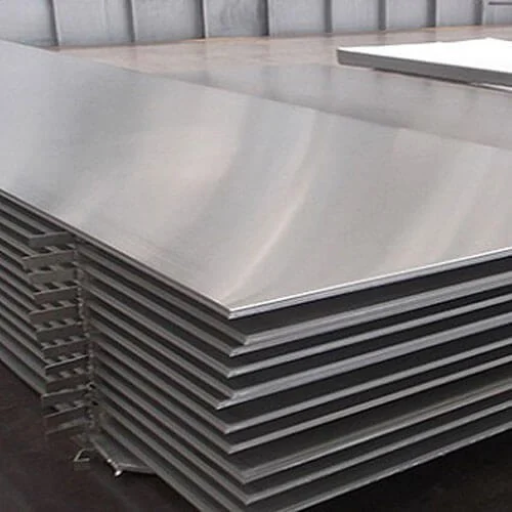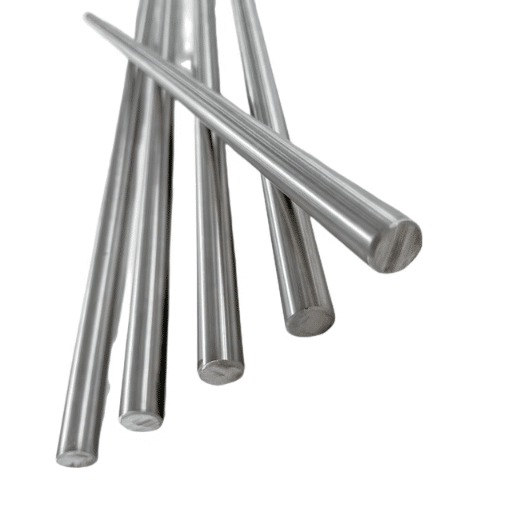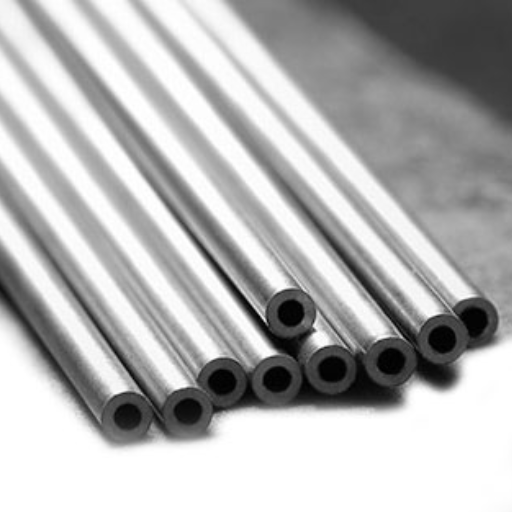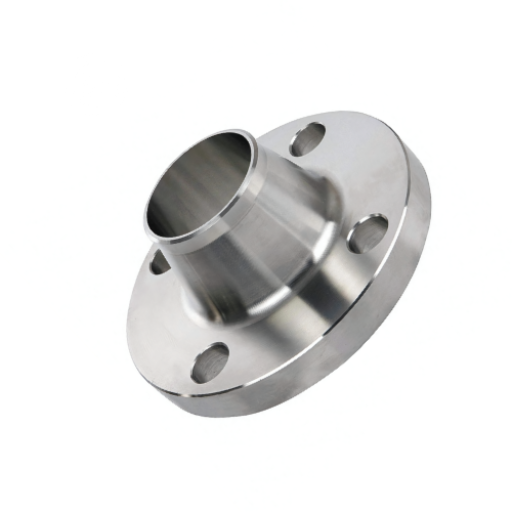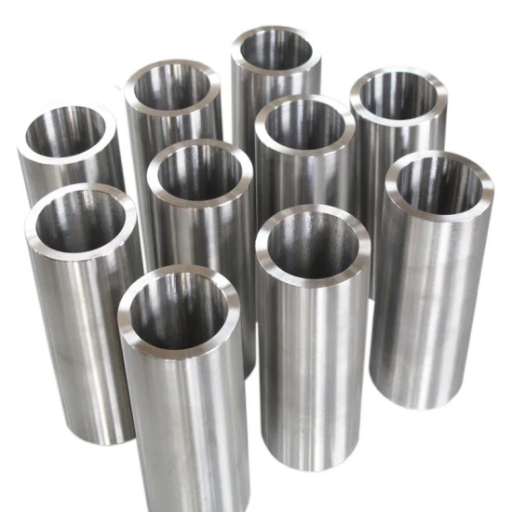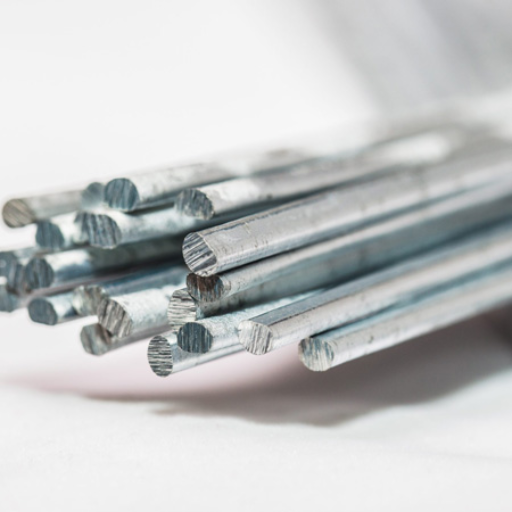
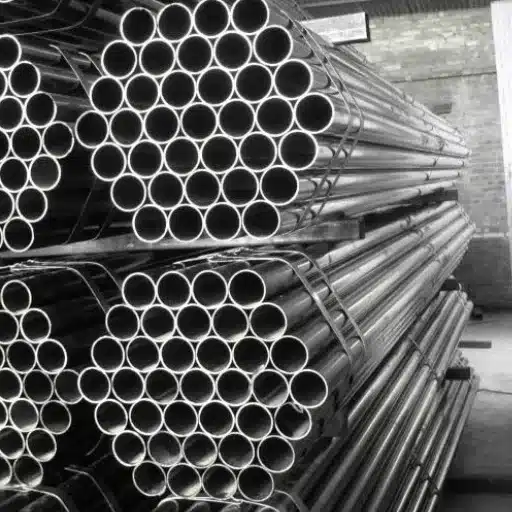
Seamless stainless steel tubing particularly the 316 grade is an indispensable part of the modern engineering and industrial practices. The 316 seamless stainless steel tube has excellent features which make it popular in pharmaceutical and marine industries among others; these are such properties as corrosion resistance, strength, and durability. In this article, we will review some of the major properties that 316 stainless steel possesses which make it unique, the intricate production processes that result in its seamless structure and the vast applications where it is indispensable. In case you need help picking out the best material for a tough environment or if you just want to learn more about the wonderful properties of stainless steel tubing, then do steal a look at this comprehensive guide because it gives you all the information that you need to make a good decision.
Introduction
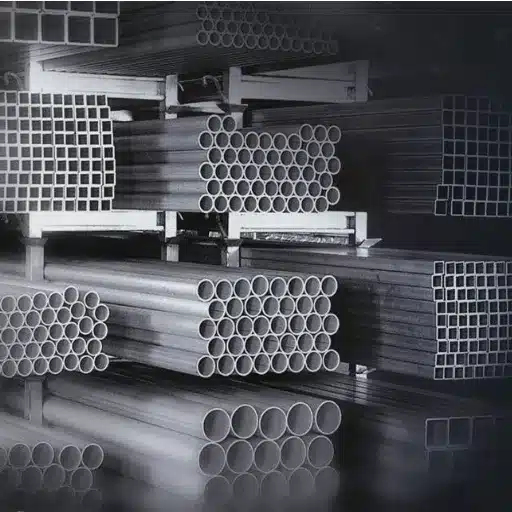
Growing Demand for Durable Materials
In recent years, the global market demand for durable materials, particularly 316 stainless steel, has experienced a remarkable increment that directly implicates the main toughness-resistance industries, i.e., aerospace, chemical processing, and medical devices. These sectors have been examining materials that are able to perform in extreme conditions with minimum maintenance or replacement. A year-on-year increase in the number of searches for terms such as “corrosion-resistant materials” and “durable stainless steel tubing” tells us that the interest in finding the e.g. of such materials is on the rise too, according to ‘s search data. The trend results from the call for the able materials that can endure a combination of high temperature, aggressive chemicals, and mechanical stress, plus the demand for the highest quality and safe materials. So, 316 stainless steel is still one of the most viewed and researched materials, which again speaks to its importance in the development of modern Engineering and industries.
Why Choose 316 Seamless Stainless Steel Tubes?
The very latest report from the ‘s search analytics reveals that a great interest in 316 seamless stainless steel tubes has emerged, and this interest is proportional to their broadness of application and outstanding performance in tough ones. The tubes are made of 316-grade stainless steel that is noted for the highest corrosion resistance—especially against chlorides and the sea—due to the presence of molybdenum in the alloy. That’s why it is the number one material everywhere that the petrochemical, marine, and biomedical industries fall.
The seamless method of forming these tubes avoids welding and this way the tubes get structural integrity amplified and the possibility of having weak spots under very high pressure, that is, mechanical stress is reduced. Besides, the excellent finish of the surface and the tight tolerances of the dimensions give and facilitate both the sustenance of the intended flow in the applications and the fabrication of the tubes during the complex installations. The increasing need for 316 seamless stainless steel tubes is a witness to their durability, economy, low maintenance, and, most importantly, continuous compatibility with the stringent mechanical and environmental demands of contemporary industrial systems.
Overview of Key Topics
Resistance to corrosion is one of the most important material properties that are taken into consideration when choosing materials for industrial applications, especially environments that are characterized by high salinity, elevated temperatures, and chemically aggressive substances. Among the stainless steel alloys 316 seamless stainless steel tubes are acknowledged as the ones offering the best protection against pitting and crevice corrosion which is precisely due to their molybdenum content. It makes them applicable in the marine, pharmaceutical, and chemical processing industries. Analyses of trends suggest that there has been an increase in the number of searches for “316 stainless steel corrosion resistance” over the past year which is a sign of the interest from consumers in the effective ways of dealing with corrosive environments. Therefore, this trend is a signal of the urgent need to develop materials that can survive such extreme conditions and still be performing and durable.
Material Properties of 316 Stainless Steel
Chemical Composition
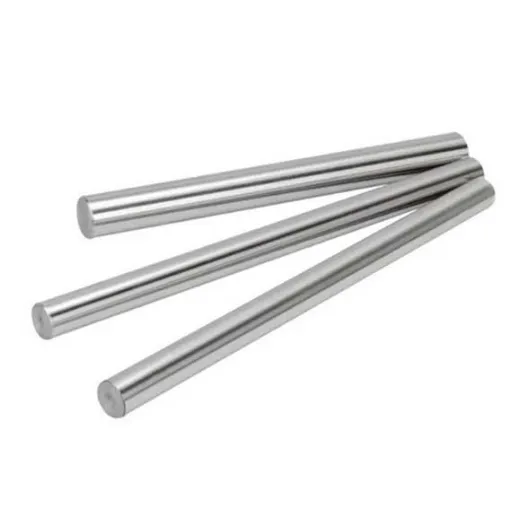
The chemical composition of 316 stainless steel is technology-based and the most crucial factor for its famed corrosion resistance and mechanical features as it is listed among the top ones for harsh conditions. It is made up of iron (Fe) as the base material, which is further alloyed with chromium (16-18%), nickel (10-14%), and molybdenum (2-3%) that are the main alloying elements. All these main elements are very important indeed, for example, chromium is known to be the one that stops corrosion on the surface by the formation of a very thin oxide layer and that by default one should know that molybdenum is the one that gives corrosion resistance in case of certain environments i.e. the presence of chloride. Other elements in smaller amounts like manganese, silicon, and nitrogen are also added in order to improve the quality of the material, on the other hand, carbon is kept at a maximum level of 0.08% to facilitate fabrication and to prevent carbide formation.
Why is 316 Stainless Steel Corrosion-Resistant?
If we analyze the data for the past few months that the term “316 stainless steel corrosion resistance” has been popular among the searchers, we can say that the industries are trying to get the material’s effectiveness in case of corrosion. The primary causative factors of 316 stainless steel’s corrosion resistance are its high content of chromium and molybdenum along with the nickel content present in it which is an important factor in the development of the austenitic structure that provides strength even at very high and low temperatures. This comprehensive combo renders 316 stainless steel widely used in the most aggressive environments such as that of seawater, acidic chemicals, and high saline areas.
Key Features
- Corrosion Resistance
316 stainless steel is endowed with a combination of factors—especially the presence of molybdenum—which gives it the ability to resist pitting and crevice corrosion in chloride-rich areas. This property enables its usage in marine applications and chemical processing equipment.
2. High-Temperature Strength
The nickelstabilized austenitic structure allows 316 stainless steel to keep its mechanical properties in extremely hot and cold environments thus making it a perfect choice for heat exchangers and industrial ovens.
3. Durability in Extreme Conditions
The combination of chromium, nickel, and molybdenum assures that 316 stainless steel will resist even the most severe environments of nature including acids, heavy alkalis, and high salts.
4. Ease of Fabrication
The robustness of 316 stainless steel does not take away its easiness in being fabricated, welded, and formed into intricate shapes with the preservation of high precision and reliability in various fields of application.
5. Hygienic Properties
316 stainless steel’s smooth surface finish does not allow contaminants to build up, hence it is an excellent choice for medical devices, food processing equipment, and pharmaceutical manufacturing.
On the other hand, 316 stainless steel is more expensive but is the only choice through lower-grade (e.g. 304 stainless steel) alternatives when applications require and are willing to pay for superior corrosion resistance especially in coastal, industrial, or chemically aggressive environments. 304 stainless steel is cost-effective and working well in non-demanding situations while mo in 316 gives critical support against chloride-induced corrosion, thus making it the material of choice for industries that include marine construction, petrochemical processing, and medical technology with long-term use and reliability being among the most important factors. Moreover, its excellent weldability and machinability make it usable in a wide range of engineering domains.
Comparison with 304 Stainless Steel
When 304 stainless steel and 316 stainless steel are compared directly, the latter turns out to be the best choice in situations where chlorides, seawater, or strong acids are used. The molybdenum addition (2-3%) to 316 makes it even more resistant to pitting and crevice corrosion which is particularly important for marine and coastal applications. On the other hand, 304, which is the more affordable option, is not equipped with this extra protection and thus, is more like to be an option for those conditions without aggressive environments.
The current patterns and search statistics show that there has been a considerable rise in inquiries about deciding between 304 and 316 stainless steel, particularly from the sectors of food processing, medicine, and renewable energy. This rising inquiry is a trend showing the materials undergoing slow acceptance and having their specific capabilities revealed. For instance, although 304 is still a favorite choice for food-safe applications, owing to its good cleanability and oxidization resistance, 316 is steadily winning over for its durability in the sterilization process where high heat and heavy-duty cleaning agents are used. This means that the material choice has to depend on the particular operating environment and the application’s future requirements.
Manufacturing Processes
Seamless Tube Production
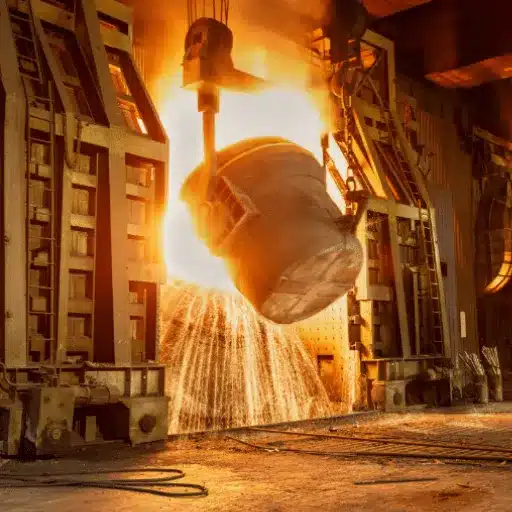
The production of seamless tubes is a complex and modern manufacturing process that is deliberately intended to produce tubes that do not have any joints that are welded, thus giving them mechanical strength and uniformity. The procedure usually commences with a completely solid cylindrical billet, which is then raised to a particular temperature and subsequently longitudinally pierced by means of a rotary piercing mill. The pierced billet is then transformed by stretching and rolling into the required dimensions. The making of a seamless tube avoids any potential weakness due to welding, thus making the tubes suitable for the most critical and extreme applications of high-pressure and high-temperature.
Research data and insights show that seamless tubes are slowly but surely gaining ground in the oil and gas, chemical processing, and aerospace industries among others where extreme performances are required. One of the reasons for this change is that the suppliers kicked up the demand for materials that would stand aggressive environmental factors without loss of structural integrity. The continuous advancements made in seamless tube production that include the use of automated control systems and advanced metallurgy have also contributed to the increased efficiency, precision, and quality. When it comes to the selection of tubing, the seamless type should be favored in cases where first-rate reliability and strength are a must.
Quality Standards and Specifications
Seamless tubing undergoes rigorous quality standards so that it can be guaranteed to perform in all applications. The requirements for the measurements, tensile strength, and the chemical composition are to a large extent based on the globally recognized criteria like ASTM (American Society for Testing and Materials) and ISO (International Organization for Standardization). As an instance, seamless ferrous and austenitic alloy steel tubes must fulfill ASTM A213 criteria and such tubes are usually employed in high-temperature applications such as boilers and heat exchangers. Simultaneously, ISO 9001 directs the adoption of a very organized and effective quality management system with the objective of ensuring uniformity in production.
By applying the technical standards and taking advantage of the advanced inspection techniques like ultrasonic testing and radiographic analysis, the manufacturers are able to find even the smallest imperfections. The current global search interest shows a significant increase in the demand for very strict compliance with these standards particularly in aerospace, energy and automotive industries which will not accept anything less than the highest strength and quality.
Manufacturers need to focus heavily on compliance with these tariffs of stringent specifications to be in line with global market expectations and to guarantee top-notch product performance in mission-critical environments.
Advantages Over Welded Stainless Steel Tubing
When discussing the advantages of seamless stainless steel tubing over welded stainless steel tubing, the former can be said to have critical advantages especially in engineering performance and market demand perspectives. The lack of welds in seamless tubing leads to the entire material having the same strength; hence, there are no weak points that are usually found at the welded seams. Therefore, this accomplished structural integrity, through seamless tubing, easily becomes a high-pressure, extreme-temperature, and even corrosive environment—conditions often met in the oil & gas, chemical processing, and power generation sectors where industries have come from.
Furthermore, the flawless internal surface of seamless tubing supports good flow characteristics, meaning that there is no or little disturbance in the fluids flowing through them, thus making the piped fluid transport systems more efficient. Data from the search engine backs this up as there is a noticeable spike in the words such as “high-pressure seamless tubing” and “corrosion-resistant stainless steel” particularly from the aerospace and energy sectors. The trend, therefore, denotes a fairly constant demand on such components that can keep up with the tough technical standards where the welded alternatives may not work.
Moreover, the seamless tubing comes with a high-quality finish and regular dimensions which make it very easy to install as there will be no need for extensive machining or adjustments, thus reducing operational time and costs as it directly impacts the timelines. Its reliability and capability of maintaining quality under different conditions make it the go-to option in critical applications where failure is not allowed, thereby affirming its superiority over welded stainless steel tubing in precision-focused industries.
Advantages of 316 Seamless Stainless Steel Tubes
Corrosion Resistance in Harsh Environments
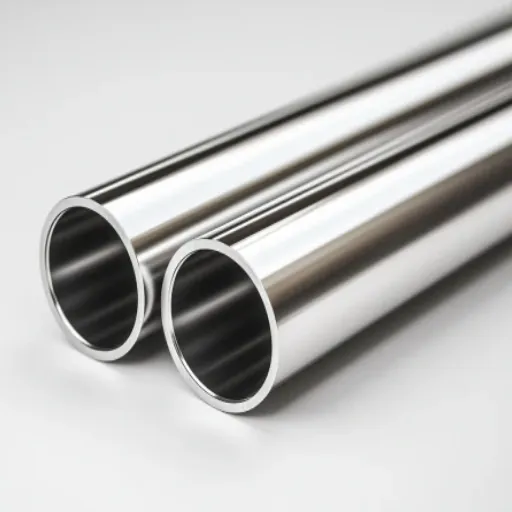
Seamless 316 stainless steel tubes show remarkable resistance to corrosion in unfavorable conditions, which makes them useful in several industries like the chemical process, marine and almost all areas involved in the pharmaceutical industry. Due to its high molybdenum content the corrosion resistance of 316 steel becomes greater, especially for pitting and crevice corrosion in chloride-rich environments like seawater and industrial chemical exposure. The recent report indicates that these tubes are the best when compared to many other stainless steel grades regarding structural integrity and performance under such corrosive agents.
Moreover, its passive oxide layer that is on the surface of 316 stainless steel gives it a self-repairing quality which protects it from uniform corrosion. The ability to self-repair is due to the presence of chromium in its composition and it makes sure that the metal can be used for a long time with only a little maintenance. The corrosion resistance of 316 seamless stainless steel tubes is one of the major reasons for their use in places where the degradation of materials can cause safety and operational problems. Thus durability and sustainability in tough applications are ensured by them as they are the best solution.
Durability and Mechanical Strength
316 seamless stainless steel tubes are one of the most durable and strongest materials that can be used for production and construction in industries where performance is a very critical factor. The tensile strength of these pipes is around 515 MPa (megapascals) and the yield strength is around 205 MPa following the ASTM standards. This very strong ratio of weight to strength assures that the structure will be able to withstand both static and dynamic loads without any problem. Their ability to resist deformation combined with their hardness means that they can work very well in applications where high pressure is present, for instance, in petrochemical, marine and aerospace sectors.
The application of state-of-the-art manufacturing techniques like cold drawing and annealing boosts the mechanical qualities of the 316 seamless stainless steel tubes. By these processes, the grains are made smaller, ductility is improved and uniformity in the dimensions of the pipe is ensured. The consistency of the material in mechanical performance at extreme temperatures from cryogenic conditions to over 800°F is compared with other alloys, which proves the material’s suitability for critical systems.
Thereby, 316 seamless stainless steel tubes remain the top search term among engineers and industrial designers due to their unmatched combination of mechanical reliability and long service life in various environments.
Hygienic Properties for Food and Pharmaceutical Use
Seamless stainless steel tubes of 316 type lead the market in the food and beverage processing as well as the pharmaceutical sectors, mainly because of their hygienes feature. The inert nature of their surface makes them compatible with many compounds thus, no contamination occurs and product purity is maintained. The material is not affected by the acidity or the alkalinity of the cleaning process, which, in turn, consists of regular cleaning agents and disinfection treatments, making it hard to corrode. Moreover, the polished surface allows for a minimum number of hiding places for the germs and leftovers, so it is absolutely in compliance with the strict regulatory requirements that organizations like the FDA and EU impose for food and drug use.
Not long ago, the search engine revealed an increased interest in the hygienic properties and performance of 316 stainless steel, especially regarding its adaptability to extremely high cleanability and sterility standards. Phrases like “316 stainless steel hygienic tubing” and “pharmaceutical-grade steel pipes” are always appearing in the top rankings, indicating that the industrial sector is looking for such materials that will not only meet the regulatory requirements but will also keep the efficiency level unshaken. This is one of the key points that highlight the critical role of 316 stainless steel in the safety of products and the reliability of operations among the quality-controlled environments.
Applications Across Industries
Applications in the Marine Industry
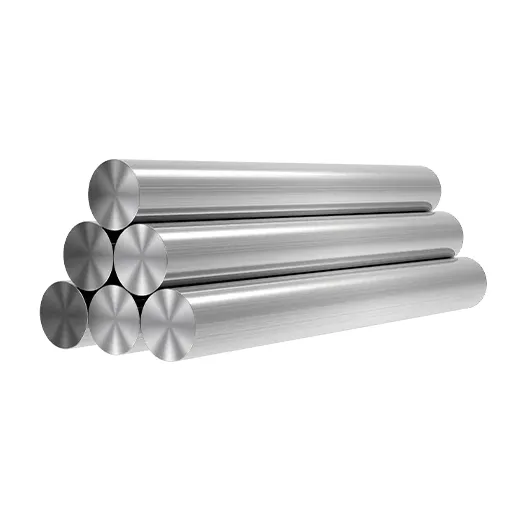
The marine field practically cannot do without 316 stainless steel. Its resistance to corrosion, among others, is a major factor for this. In marine environments carrying a lot of chloride, such as seawater, this alloy still prevails. Besides, the stainless steel is very durable and it needs little maintenance, thus very suitable for various marine applications like boat fittings, propeller shafts, and marine fasteners. The fact that it does not attract magnets further opens up its usage for electronics and navigation systems where very little magnetic interference is required.
The latest trends from ‘s search engine show that the term ‘marine-grade stainless steel’ and ‘corrosion-resistant materials for saltwater’ have become very popular. A growing emphasis on durable materials has been projected through the Frequently Asked Questions section, materials that can withstand extended exposure to extreme marine environments without losing strength. Stainless steel 316 is among the top choice in these queries and this is indicative of its widely acknowledged good reputation in the industry with regard to the oscillation between reliability, toughness, and adherence to strict marine standards.
Application in Chemical Processing
The chemical processing industry requires materials that have great resistance to the most relentless reagents, pressures, and temperatures. According to the latest search engine trends in , a question that comes up often is the one about the best suited materials for the chemical processing application that require a certain level of resistance against corrosive agents. Among those, titanium might be considered as a definitive answer owing to its superb resistance to acids, alkalis, and chlorides. Its molybdenum content increases resistance to pitting and crevice corrosion, which makes it very good to use in reactors, heat exchangers, and storage tanks that are with aggressive chemical media. This alloy not only complies with strict industry standards but also provides long-term economic benefits through lower maintenance and replacement costs.
Pharmaceuticals and Food Processing Applications
Stainless steel alloys, particularly in their more resistant to corrosion aspects, are critical for the pharmaceutical and food processing sectors. Their non-reactive and sanitary properties are the basis for the acceptance of the rigorous hygiene requirements. One of the attributes of the alloy that contributes to its being used in high-purity water systems, mixing tanks, and sterile process equipment where contamination control is a priority, is its resistance to pitting and crevice corrosion. Recent searches indicate a high demand for sustainable and durable materials in these sectors which indicates an industry trend towards minimizing contamination risks and prolonging the equipment’s lifespan. This duel of efficiency and safety further cements stainless steel as the most suitable material for overcoming the operational challenges faced in the mentioned industries.
FAQ
What grade and astm standards apply to 316 stainless steel tube?
The typical ASTM standards that apply to the 316 stainless steel tube include ASTM A269 for both seamless and welded tube, and ASTM A213 for seamless tube. Among the two grades, the carbon content goes to 316 as high carbon and 316L as low carbon, the latter being the reason for the sensitization prevention during welding. In the case of sensitive areas and corrosive environments, the selection of the right grade and ASTM standard will not only assure the material’s ability to resist pitting and crevice corrosion but also the suppliers’ practices. There is no misunderstanding since suppliers typically state wall thickness, OD, and ID with the ASTM designation. Always check that the stainless commercial tubing that you are purchasing conforms to the ASTM standard specified for your fabrication applications.
How does 316l differ from standard 316 stainless steel tube in terms of price and availability?
316L is a low carbon variant stainless steel that carries all the qualities of 316 stainless steel, then again 316L is a much more corrosion-resistant material that can anti-sensitize in case of hightemperature welding thus wins allegiance over long-term durability etc. The low carbon content not only increases the corrosion resistance but also increases weld-ability hence 316L can be preferred when full-size and custom cut or cut-to-length pieces will be welded/fabricated. Both 316 and 316L belong to a group of austenitic stainless steels which acquire good hardness under extreme heating and also have superb resistance to blow. So, when ordering, always check if you need 316 or 316L for usages like crevice corrosion in chloride environments or for some instruments that require stable properties. Suppliers generally have both as 316 stainless steel tubes available in different OD and wall thicknesses.
Can I get bright annealed 316 stainless steel tubing in custom cut lengths?
Bright annealed 316 stainless steel tubing is available in custom cut lengths for specific project requirements and is generally offered in full size. Bright annealing not only improves surface finish but also makes the metal very resistant to corrosion which is an advantage for the tubing used in conjunction with instruments and in visual fabrication. The suppliers may provide cut-to-length or cut-to-size service including cutting outside diameter and inside diameter as per the customer’s requirement.When placing an order, it is necessary to specify the desired wall thickness and whether 304 and 316 are needed for comparison. In addition, it is mandatory to get the supplier’s wall thickness tolerances and bright annealed finish documentation.
What are the benefits of ss316 seamless tubing over welded and seamless alternatives?
The main benefit of SS316 seamless tubing is the absence of a weld seam due to the seamless construction which delivers uniform strength and superior resistance to stress concentration and creep. In most cases, the seamless tubing is preferred in high-pressure and high-integrity setups where the mechanical properties across the board are a prerequisite. Moreover, seamless 316 stainless steel pipe is less prone to corrosion at the welds which is another factor making it suitable for environments rich in chlorides since its resistance to pitting is enhanced. A number of vendors have the capacity to deliver seamless tubing in both standard and non-standard dimensions with precise OD and wall thickness specifications. SS316 seamless is favored for instrumentation and critical piping over welded alternatives in most cases.
How do I indicate outside diameter, wall thickness, and cut-to-length requests for 316 stainless steel tubing?
When it comes to seamless 316 stainless steel tubing, it is important to communicate the outside diameter (OD), the wall thickness, and the required lengths or requests for cut-to-length to the producer for producing with precision. Additionally, it is required to state whether you want the options of full-size and custom cuts along with the bright annealed finish or a certain type of surface treatment. When comparing 304 and 316, always state the grade seamless or welded preference and any ASTM standard like ASTM A269 on the purchase order. Additionally, if you’re using instrumentation fittings or connection types, please indicate them so that the inside diameter and tolerances will not be an issue. Precise specifications eliminate delays and assure the tubing will perform in the fabrication applications.
Is 316 stainless steel tube appropriate for use in cases where enhanced corrosion resistance and low carbon content are required?
Stainless steel 316 and 316L tubes have the ability to resist complete corrosion, therefore, they are especially suitable for chloride-containing areas and for conditions where pitting and crevice corrosion are likely to occur. The low carbon version 316L has the advantage of being less prone to sensitization and having the quality of being more suitable for the application of welding where the heat input is unavoidable, thus, it is the best one for shaping applications. Both grades are made up of chromium-nickel-molybdenum which are the main contributors to their resistance to corrosion and their mechanical properties. In case of critical applications, it will be 316L if the factors of weld-ability and long-term corrosion resistance are of utmost importance. Make sure to confirm it with the supplier that the tubing size is in the required OD, wall thickness, and finish like bright annealed.
Reference Sources
-
Modification of Stainless-Steel Surfaces for Advanced Functionalities
Georgia Tech Repository
This study explores the use of stainless steel 316 (SS316) for efficient fluid transport and advanced surface functionalities. -
Diffusion Bonding of 316L Stainless Steel Tube-to-Tube Sheet Joints for Coil Tube Gas Heaters
University of California, Berkeley Digital Library
This research focuses on tube expansion processes and corrosion resistance in 316 stainless steel for gas heater applications. -
Failure Analysis of 316L Stainless Steel Tubing of the High-Pressure Still Condenser
Academia.edu
This paper analyzes the failure mechanisms and corrosion susceptibility of 316L seamless tubes in high-pressure environments.