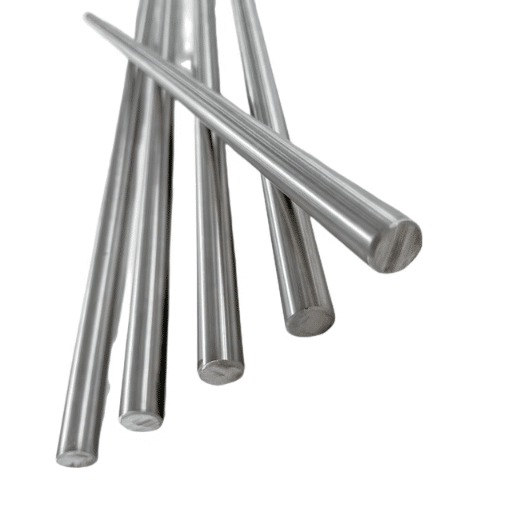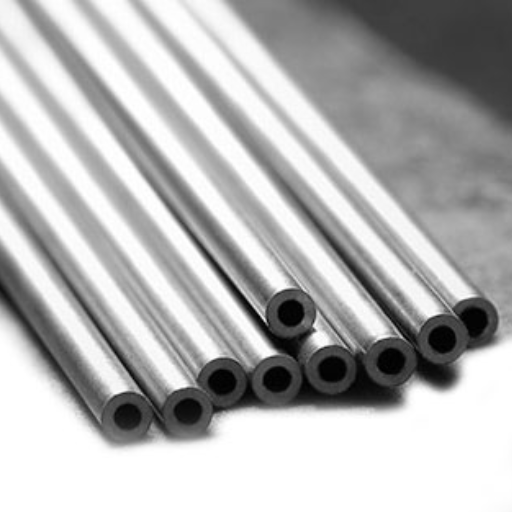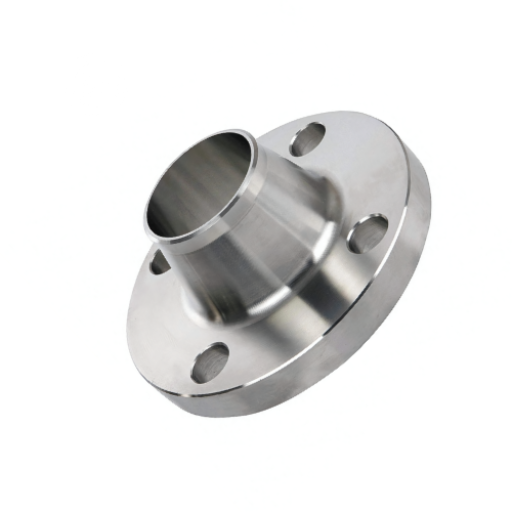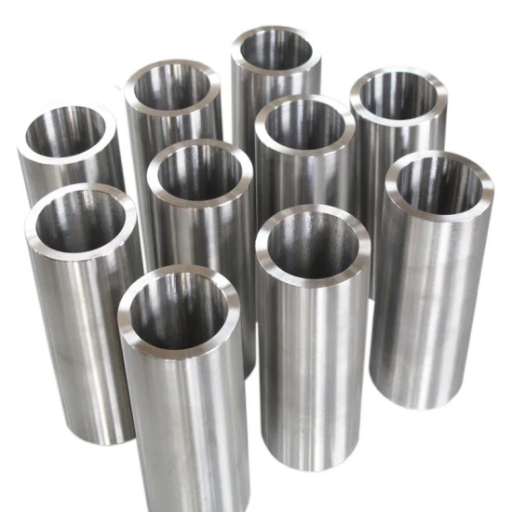
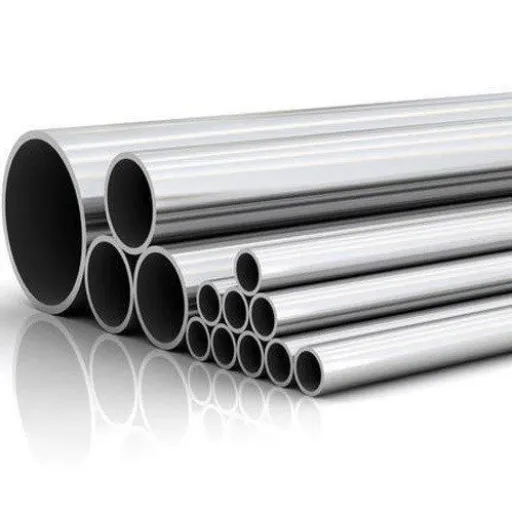
Cleaning and sanitation at the topmost level are basic requirements in the food and beverage, pharmaceutical and biotech industries. Stainless sanitary tubing is an important factor in securing these standards since it provides the safe and efficient backbone for the fluid transport. This article will detail the applications, benefits and technical characteristics of stainless steel sanitary tubing as a trusty and sturdy solution seeker’s guide. The knowledge of stainless sanitary tubing specifications is a must for newcomers. It not only lets one project but also allows for the upgrading of the whole system to gain the operational excellence and compliance needed.
What Is Stainless Sanitary Tubing?
Definition and Unique Properties
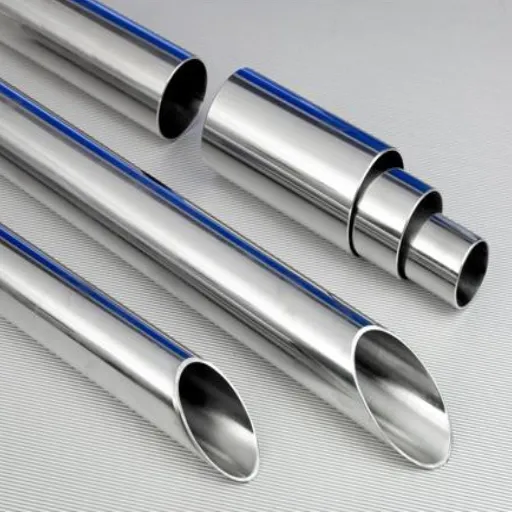
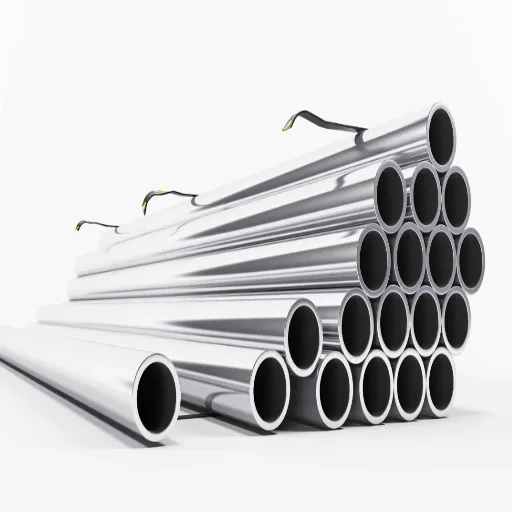
Stainless sanitary tubing is essentially the highest quality steel pipes that offer corrosion resistance and are used in the most demanding hygienic applications. These tubes are designed for the food and beverage processing, pharmaceutical, and biotechnology industries where the cleanest possible method for transferring fluids or gases and avoiding contamination is needed. One of the characteristics of this steel is that it is made of chromium, nickel, and sometimes molybdenum for excellent corrosion resistance and longer life.
The resistance of the tubing to high temperatures, the ease of sterilization, and the long service life are among the factors that professionals appreciate and are in line with the modern requirements for efficiency and adherence to international sanitary standards, as recent data and search trends have shown. Moreover, the smooth non-porous layer of the tubing acts like a barrier to bacterial growth, which not only guarantees cleanliness but also makes it possible to comply with ISO and ASME standards. When coupled with state-of-the-art production methods, hygienic stainless steel tubing remains a major factor in maintaining the most sanitary and dependable operating conditions in all hygienic industries.
🔬 Key Technical Properties
- High corrosion resistance through chromium, nickel, and molybdenum composition
- Non-porous surface that prevents bacterial growth and contamination
- Excellent temperature tolerance for sterilization processes
- Compliance with ISO and ASME standards for global industry acceptance
Material Grades: 304 and 316L
Stainless steel 304 and 316L are the most common sanitation materials thanks to their superb resistance to corrosion, durability, and ability to withstand harsh conditions. The main component of grade 304 is chromium and nickel, which makes it a very good and universal grade and also it is very suitable for environments where resistance to oxidation and everyday corrosion is important. In contrast to this, it does not show good resistance to chlorides or saline environments, which could lead to pitting or crevice corrosion.
⚙️ Grade 304 Stainless Steel
Composition: Chromium and nickel primary elements
Best For: General sanitary systems requiring oxidation and corrosion resistance
Limitation: Limited resistance to chlorides and saline environments
🛡️ Grade 316L Stainless Steel
Composition: Includes molybdenum for enhanced protection
Best For: Pharmaceutical production, marine use, chemically aggressive environments
Advantage: Superior chloride-induced corrosion resistance and weld integrity
Grade 316L has molybdenum added to it, which increases its resistance to chloride-induced corrosion, making it the preferred material for applications subjected to more severe chemicals, saline environments, or sterilization processes. The “L” in 316L denotes low carbon content, which helps reduce carbide precipitation during welding, thus ensuring weld continuity is maintained over time.
📊 Industry Selection Trend
Recent search insights point to 316L as the material of choice in high-stakes areas like pharmaceutical production and marine applications. While 304 may suffice for general sanitary systems, 316L provides a better margin of safety in chemically aggressive or heavily regulated situations.
Standards and Certifications: FDA, ISO, ASME
The FDA, ISO, and ASME standards and certifications are the main support for the whole industry that calls for compliance assurance, safety and performance maintenance. A market trend analysis has revealed that these certifications are the most preferred by the manufacturers that have to abide by strict global requirements. The Food and Drug Administration (FDA) controls the materials that can be used in the pharmaceutical and food industries and requires documentation that clearly states the non-reactivity and biocompatibility of the components.
The ISO standards, mainly ISO 9001 and ISO 13485, assert the necessity of strong quality management systems that keep product dependability and compliance with the regulations intact all the time. The ASME standards like ASME BPE (Bioprocessing Equipment) are the ones that prescribe the good engineering practices to ensure that the sanitation equipment is designed, built and used like a pro. New reports reveal that there is a definite shift in the direction of these standards because of the raising concern about product safety in biotech and medical areas where the coexistence of ISO certifications and ASME BPE standards is already being investigated as a means to achieve total compliance.
Key Applications of Stainless Sanitary Tubing
Food and Beverage Industry Use Cases
The use of stainless sanitary tubing in the food and beverage sector has become a necessity in order to meet the stringent hygiene standards. The fact that stainless steel is resistant to corrosion not only guarantees the safety of the pipelines for liquids like milk or carbonated drinks but also extends their lifespan. The latest search insights data reveals a gigantic rise in the number of people searching for “hygienic tubing for breweries” and “stainless steel equipment for food safety” pointing to the rising concern of the industry regarding sanitation and compliance with the regulations.
🍺 Clean-In-Place (CIP) Technology
The main benefit of stainless sanitary tubing is it allows for Clean-In-Place (CIP) techniques for disinfecting pipes without disassembly, hence reducing downtime and keeping operational efficiency. This important factor matches the increasing global regulatory requirements including the FDA and EU ones that are both concerned with product safety and consumer trust.
Pharmaceutical and Biotech Applications
Stainless sanitary tubing is the main component in pharmaceutical and biotech applications because it can meet even the strictest hygiene and sterility requirements. Highly sensitive products such as vaccines, biologics, and injectable drugs need to be kept secure and these industries are looking for materials to provide this protection. Excellent corrosion resistance, non-reactive surfaces and high durability of the tubing have coupled its usage with that of liquids and gases which may contaminate on contact during transportation and processing.
Not only that, but the fact that it can be used with high-tech sterilization methods like Clean-In-Place (CIP) and Steam-In-Place (SIP) systems also allows for the uninterrupted operation of the industry and at the same time meeting the strict regulations laid down by authorities such as the FDA, EMA, and ISO 13485.
🧬 Emerging Applications
Current search trends indicate that there is a considerable interest in modernizing bioprocessing pipelines for mRNA-based treatments and such like new therapies. In these cases, the use of sanitary tubing is critical for the accuracy of the production, as the mRNA substances are very much affected by the environmental conditions. The demand for tubing systems that are high-purity and customized will probably grow with the developments in gene therapy and cell culture technologies.
Chemical and Petrochemical Industries
The chemical and petrochemical industries rely entirely on contemporary materials for their processing and transport systems that guarantee safety and efficiency of operations. Stainless sanitary tubes, noted for their ability to resist corrosion, strength, and flexibility over a wide temperature range, are still essential in these industries. Recent statistics show that the stainless-steel pipe market in the petrochemicals industry will grow with a compound annual growth rate (CAGR) of around 5% during the next five years mainly because of the rising consumption of specialty chemicals, energy requirements, and eco-friendly practices.
❓ Why Is It Important?
Stainless sanitary tubing’s significance lies not only in its chemical reaction resistance and degradation prevention in reactive atmospheres under extreme operational conditions. It also guarantees chemical transport system reliability, contamination prevention, and maintenance downtime minimization—making it a valuable asset for industries working with hazardous and unstable compounds.
Water Treatment Systems
The water treatment industry is heavily reliant on stainless sanitary tubing due to its resistance to corrosion, long life, and no effect on the quality of the treated water. Filtration, desalination, and chemical dosing are some operations that require precise flow and purity, and systems using these pipes are the ones that need it the most. The chemical agents and corrosion that stainless steel is exposed to during its use do not cause any leaching of the metals or impurities into the water. Also, the high temperature and high-pressure resistance of the stainless steel practically eliminates the need for maintenance or replacement, thus increasing operational efficiency. In this way, stainless sanitary tubing becomes the key contributor to water treatment plant infrastructure that is not only a safe but also an effective way of dealing with water management issues.
Benefits of Stainless Sanitary Tubing
🧼 Hygiene and Non-Porous Surface
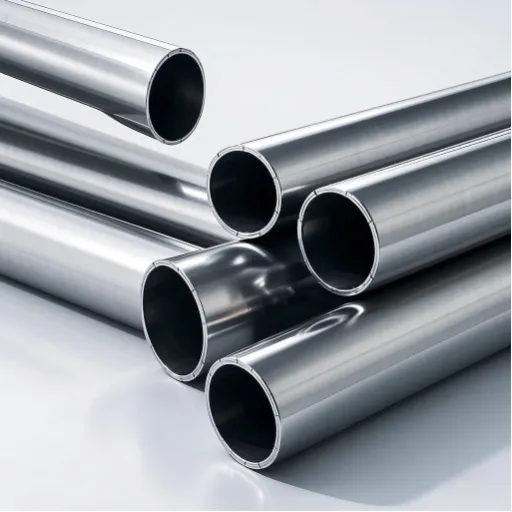
Stainless sanitary tubing features a very smooth, non-porous surface that prevents accumulation of dirt, bacteria, or biofilms—making it an excellent choice for industries with strict hygiene standards. The non-porous surface allows cleaning operations, including CIP systems, to be highly efficient, minimizing downtime and controlling bacterial spread.
💪 Durability Against Corrosion
Chromium content in the alloy forms a passive oxide layer on the surface, protecting the material from moisture, chemicals, and corrosive agents. Recent data suggests high demand for 316L stainless steel due to its excellent corrosion resistance and capability to endure extreme pH levels.
⚡ High-Pressure Performance
Stainless steel sanitary tubing has remarkable performance in tough situations with high-pressure. Its quality lets it take on internal and external pressures and still not change its form or get broken. The strength of the material allows for operations at pressures higher than the industrial ones, thus, giving proof of its reliability in crucial applications.
♻️ Sustainability and Eco-Friendliness
Stainless steel tubing is 100% recyclable, allowing reuse in any industrial application without decline in properties. This significantly reduces raw material consumption and lowers carbon footprint during manufacturing operations. Search data shows growing demand for sustainable materials.
🌍 Environmental Impact
Increasing queries such as “sustainable stainless steel” and “environmentally friendly tubing” indicate a broader industry trend toward materials offering both superior performance and eco-friendliness. Incorporating stainless steel tubing designed with durability and recyclability helps industries operate efficiently while being good environmental stewards.
Market Trends and Innovations
Material Specifications Technology Trends
Material specifications have been changed recently so that they will automatically elevate the functional capabilities and sustainability of stainless steel tubing. Metallurgical processes have been improved and among others the advanced alloy compositions and high-precision manufacturing techniques have also contributed to the creation of materials that are strong, light, resistant to corrosion, and able to withstand extreme conditions. With the rise of environmental issues factories are looking for the ways of producing with less carbon emissions and more recycled content in the tube materials.
The increase in search queries for “sustainable stainless steel” and “environmentally friendly tubing” perfectly aligns with these advancements. The industries have become more active in looking for materials that would meet their technical and operational needs, at the same time their regulatory and sustainability requirements, thus the companies that are still using the latest and the most sophisticated developments in the stainless steel industry can easily adapt to the changing times, meet the market requirements, and be environmentally friendly all at the same time.
Innovative Applications in Multiple Industries
The fusion of progressing material science and current searching data predicts that the use of stainless steel will be on the rise considerably across various sectors. To illustrate, environmentally friendly architectural practices have turned out to be a major problem as the searches for “sustainable construction materials” keep on rising. With its long life and recycling potential, stainless steel has acquired a huge role in eco-friendly construction movements, particularly for building mainframes and coverings.
The medical field has experienced a resurgence of interest in biocompatible materials, with the search trend for “implant-grade stainless steel” being a clear indicator of this interest. This only reinforces its very important role in the production of surgical tools and prosthetics, where precision engineering and non-reactive properties are the most important factors.
Clean energy is another field that is undergoing transformation. Terms like “hydrogen storage materials” suggest an increase in research on the use of stainless steel in renewable energy solutions, such as utilizing fuel cell technology and hydrogen-powered systems. The versatility and strength of stainless steel assure its presence in advanced energy applications and even more.
Stainless Steel Sanitary Tubing’s Future
The global stainless steel sanitary tubing market is likely to flourish because of the growing demand for hygiene and durability materials in various sectors. The data reveals that the searches for “stainless steel sanitary tubing applications,” “food-grade tubing,” and “hygienic piping systems” have been gradually increasing which suggests that these materials are being recognized and used more widely. The introduction of new manufacturing technologies like laser welding and seamless tubing production is likely to increase the output as well as the resistance to corrosion, thus meeting the very stringent controls applied in the food, pharmaceutical, and biopharmaceutical industries.
🔮 Future Outlook
Stainless steel tubing being made sustainable represents a commitment to the world’s aspirations that are centered on producing materials that are of minimum impact and recyclable at the same time. The lifetime recyclability of stainless steel along with its energy-efficient production gives the material the right to be part of the solution to the problem of industrial applications having a less environmental impact. This path will allow not only the stainless steel sanitary tubing to address the current problems of the industry but also to be a strong material that evolves together with the technological and ecological challenges of the future.
Frequently Asked Questions (FAQ)
Reference Sources
Conclusion
Stainless steel sanitary tubing is an essential part for all industries that need the highest hygiene, durability, and operational efficiency standards. The superior features of stainless steel such as corrosion resistance, non-porous surfaces, and compatibility with advanced sterilization techniques make it a much-needed material in food and beverage processing, pharmaceutical manufacturing, and water treatment, besides the fact that it is still the best choice. The technology together with stainless steel sanitary tubing is in a very close relationship; the tubing has been constantly improved, and it still meets the regulatory requirements and supports the environment. If you know the grades of the material, certifications, and applications you can make the best choice for your specific needs, which would be the case for industries dealing with food safety, reduced maintenance costs, and performance of the system the same across all sanitary industries, as a result, better products will be available for consumers and less maintenance costs will be departments.