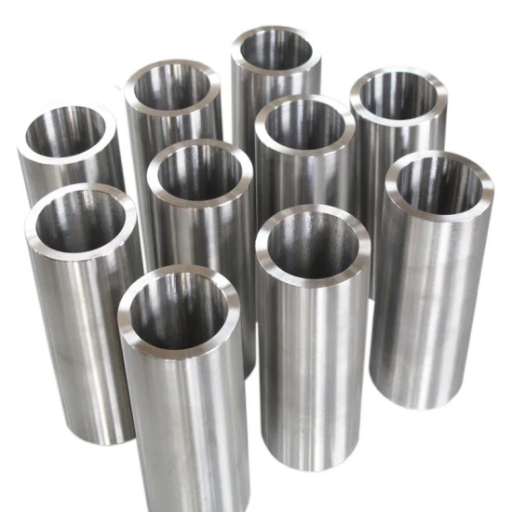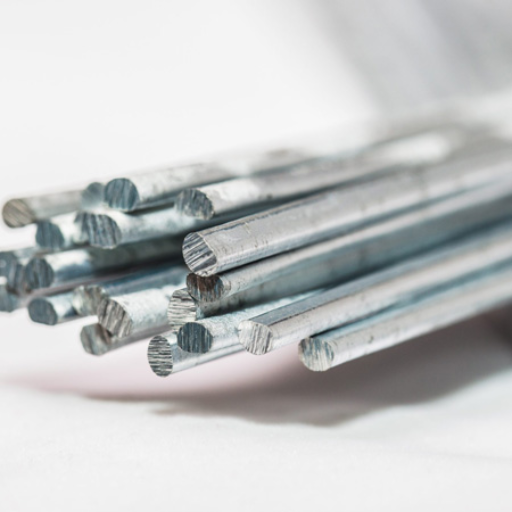
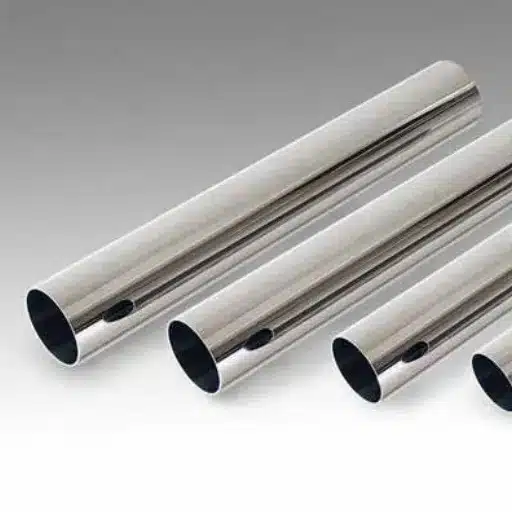
Every sector that requires cleanliness, toughness, and resistance to corrosion considers stainless steel sanitary tubing as an essential part which could not be replaced. The ASTM A270 tubing that is a recognized standard, helps significantly in the areas of food and beverage, pharmaceuticals, and biotech by very high regulations. The full guide reveals the specifications, applications, and advantages of ASTM A270 tubing in comparison to other materials. This resource helps the designers of sanitary systems or those looking for dependable solutions in very difficult environments with the necessary knowledge for making informed and competent decisions. Learn how ASTM A270 tubing is the reliable choice for both functionality and regulatory compliance in sanitary process systems.
Overview of ASTM A270 Tubing
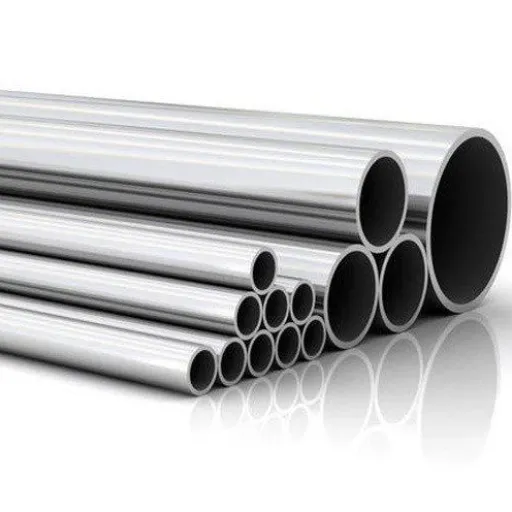
What is ASTM A270?
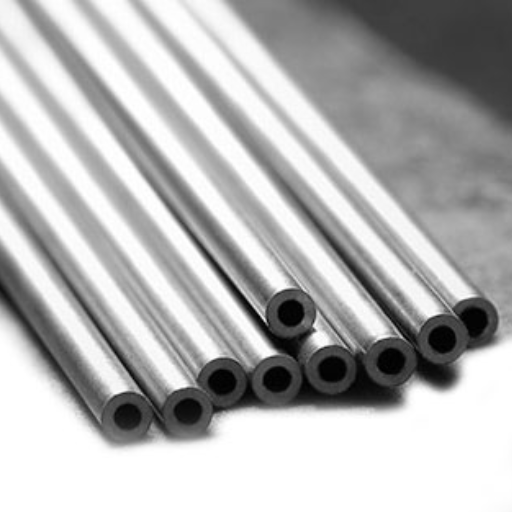
ASTM A270 is a set of rules put forth by the American Society for Testing and Materials (ASTM) which sets the standards for sanitary tubing manufactured from seamless and welded austenitic stainless steel. This particular specification is aimed at such sectors as food and beverage, drugs, and biotechnology, where cleanliness, purity, and rusting resistance are extremely important.
Tubes that are ASTM A270 compliant, undergo extensive testing to confirm that they can reach the highest level of precision, smoothness, and strength. The standard allows for a variety of finishes as well, along with mechanical and electrolytic polishing, which are used to deliver extremely smooth surfaces and thus reduce the chances of microbial growth. Grades of stainless steel like 304, 316, and 316L not only provide but also improve corrosion resistance ASTM A270 tubing making it a super trustworthy choice for the sanitary and high-purity processing applications.
Key Characteristics of ASTM A270 Tubing
Essential Characteristics
Surface Finish Options
The tubing ASTM A270 possesses several surface finishes of the highest quality such as No. 4 mechanical polish, 240-grit polish, or electropolishing, which considerably minimize surface roughness. The surface smoothness that has been enhanced is an assurance of quality cleaning and is also a factor that greatly decreases the chance of microbial contamination in pharmaceutical applications where purity is a major concern.
Material Composition
Dimensional Accuracy
The production of the tubing complies with the strictest tolerances which include wall thickness, inner and outer diameter and ovality. This accuracy guarantees that fittings are very tight and that there is uniformity—these are the most critical factors for maintaining the integrity of the system in pharmaceutical, food processing, and biotechnology applications.
Compliance with Standards
The tubing made of ASTM A270 complies with all cleanliness and material verification criteria provided by the ASTM A270 standard. Among the methods that include comprehensive testing are hydrostatic pressure testing, eddy current testing, and surface analysis to confirm compliance.
Hygienic and Sanitary Design
The tubing is made for the transfer of liquids and gases in sterile environments using either seamless or welded construction, depending on the application requirements. The manufacturing processes utilized are expert and thus the internal defects are minimized, making it possible to have reliable high-purity systems.
These combined features make ASTM A270 tubing an excellent choice for industries requiring high-grade materials for safe, efficient, and contamination-free operations.
Applications of ASTM A270 Tubing
The ASTM A270 sanitary tubing is applied most commonly in the industrial sectors where the highest standards of cleanliness and contamination control are strictly maintained. The food and the beverage processing industry utilizes the ASTM A270 tubing as one of the components of their transport systems whereby liquids are subjected to the least microbial counts and FDA and 3-A sanitary standards are met due to the smooth and corrosion-resistant inner surfaces.
The transfer of chemicals, formulations, or bioproducts in the pharmaceutical industry is done through the use of this tubing which is one of the primary requirements of Good Manufacturing Practice (GMP). On the other hand, precise and flawless tubing like ASTM A270 is a must in the biotechnology industry as it enables the control of delicate processes like fermentation and downstream processing without any risk of contamination.
Additional Applications:
- ✓ Clean-in-Place (CIP) Systems: The tubing’s mechanical toughness and resistance across a range of temperatures and chemicals make it ideal for CIP applications.
- ✓ Sterilize-in-Place (SIP) Systems: Provides operational efficiency without sacrificing cleanliness standards.
In conclusion, ASTM A270 tubing applications are extensive, reinforcing its position as an indispensable element in industries where purity, dependability, and compliance are paramount concerns.
Types of ASTM A270 Tubing
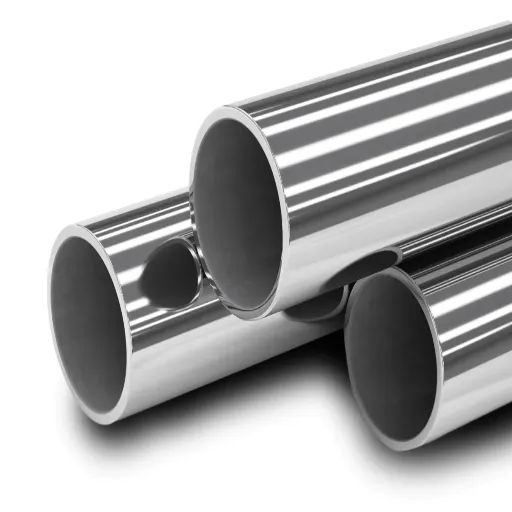
Seamless vs. Welded Austenitic Tubing
The primary distinction between seamless and welded austenitic tubing lies in their respective performance characteristics resulting from different manufacturing processes.
Selection Considerations: Industries must evaluate several aspects when choosing between seamless and welded austenitic tubing, including operational pressure, cost-efficiency, and regulatory compliance requirements. For extreme conditions or demanding environments, seamless tubing may remain the preferred option, whereas welded tubing provides an excellent choice for precision, purity, and cost-effective projects.
Sanitary Stainless Steel Tubing Options
Sanitary stainless steel tubing is manufactured specifically for applications where hygiene, corrosion resistance, and structural integrity are the main factors. These tubes are a must in food and beverage processing, pharmaceuticals, and biotechnology industries in order to guarantee that liquids or gases are transported under hygienic conditions.
Choosing the best sanitary tubing is a very complex and delicate decision and among the factors that determine the ideal option one of the most important is material grade, surface finish and compliance with the standards like ASTM A270 or ASME BPE. If we take 316L stainless steel, for instance, it is the most popular selection given its excellent resistance to corrosion especially from hard cleaning agents or salt-laden media. Moreover, electropolished or mechanically polished finishes are the ones that are suggested because they lower the roughness of the surface, which hinders the growth of microorganisms and thus assures sterilization.
Industry Developments:
Recent industry developments and search engine trend data indicate steady growth in demand for tubing that not only meets but exceeds regulatory requirements. Contributing factors include:
- Improvements in orbital welding for connections
- Increased precision in laser-cut lengths
- Enhanced traceability through product serialization
- High-purity sanitary tubing optimized for CIP and SIP systems, reflecting operational efficiency and safety priorities
The proper sanitary stainless steel tubing layout can only be determined after knowing the application specifications and then aligning them with the industry’s best practices to get the highest performance and compliance.
Bright Annealed Tubing Features
Bright annealed tubing has the following remarkable properties: very high resistance to corrosion, tensile strength that is very strong, and good life under the most severe operating conditions. This kind of tubing is often used in the pharmaceutical, biotech, and food and beverage processing industries where cleanliness and performance standards are particularly high.
According to the latest trend data, bright annealed tubing’s role in clean-in-place (CIP) and steam-in-place (SIP) systems has become a subject of great interest. These systems take advantage of the tubing’s low surface roughness, frequently below 15 µin Ra, which minimizes the risks of microbial adhesion and biofilm formation, thus meeting the hygiene requirements set by ASME BPE and EN 10357. The seamless, bright, and smooth finishing process not only extends the life of the tubing in difficult environments but also makes it a widely accepted solution in all areas where sterility and performance are constant requirements.
Specifications and Standards
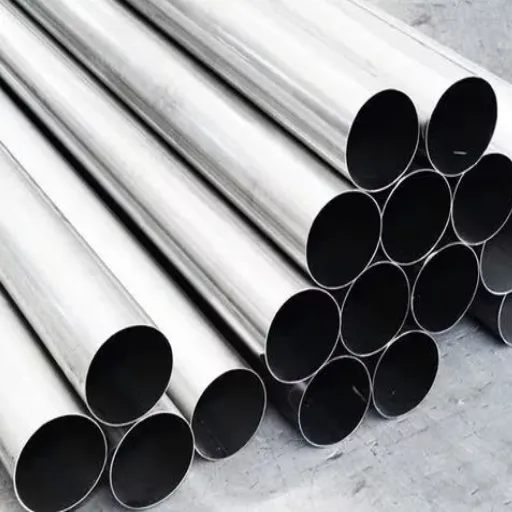
Understanding ASTM A270 Specifications
The ASTM A270 specification defines the properties of austenitic stainless steel tubes—both seamless and welded—intended for sanitary applications. It is the governing standard for tube production in pharmaceutical, food and beverage, and biotechnology industries, among others, where cleanliness and sterility are critical factors. ASTM A270 tubing manufacturing is carefully controlled and monitored regarding material quality, mechanical properties, and dimensional tolerances.
The specification mandates stringent testing, including hydrostatic tests and nondestructive electric tests, to verify integrity and durability. Additionally, surface finish criteria are meticulously defined, encompassing options such as mechanically polished or electropolished finishes to achieve smooth, nonporous surfaces that resist microbial habitation. ASTM A270 compliance combined with ASME BPE standards ensures proper functioning and compatibility across sanitary applications.
Technical Performance Standards:
Recent discoveries in technology and information from leading suppliers underscore that the right electropolishing remains the most essential element for realizing optimal roughness average (Ra) with the surface. The present study reveals that the electropolished ASTM A270 tubing always provides Ra values below 15 μin, thereby not only extending the strictest requirements for cleanliness that prevail in the industry but also eliminating the need for cleanliness-related downtimes in the production line. This means that the tubing meets the requirements and benefits from being part of a process that is governed by the strictest sanitary standards, thus, not only by performing but also by reducing the adverse repercussions.
Comparison with Other Standards
ASTM A270 tubing possesses superior surface finish characteristics due to its electropolishing processes when compared to other industry standards such as ASTM A249. ASTM A249, which primarily focuses on welded and heavily cold-worked tubes, typically produces higher Ra values that do not meet sanitary requirements for ultra-clean environments like food processing or pharmaceutical production.
Recent data confirms that ASTM A270 tubing’s consistency in achieving low Ra values makes it the preferred choice for applications where contamination control and sterility are significant. Moreover, the tubing’s enhanced durability and internal smoothness lead to fewer biofilm-related risks, maintaining manufacturing efficiency over the long term and establishing clear advantages over other standards.
Importance of Compliance in Manufacturing
The foundation of the product’s quality, safety, and efficiency, manufacturing compliance, is critical precisely in heavily regulated industries like pharmaceuticals, biotechnology, and food processing. The following benefits may be seen as the natural results of meeting strict regulatory requirements in case the prescribed standards, say ASTM A270 or ISO certifications, are adhered to: production without allergens, prevention of contamination, limitation of defects, and perhaps even operational efficiencies.
A recent study of internet users’ patterns concluded that compliance is a serious issue that has to be confronted by the sectors as they adapt to the gradual change in global standards and increasing demand from consumers for transparency. A manufacturer that is not compliant can lose suppliers, incur hefty fines, and suffer from degradation of its image. On the other hand, compliance with the standards will not only help win the trust of the stakeholders but also promote innovation since it will have laid down a solid foundation for the development of state-of-the-art, high-quality products.
Modern Practice: Automated compliance monitoring and documentation utilizing state-of-the-art technologies throughout the manufacturing process have become key practices, allowing companies to remain competitive and adaptable in increasingly tight and regulated markets.
Manufacturing and Processing Techniques
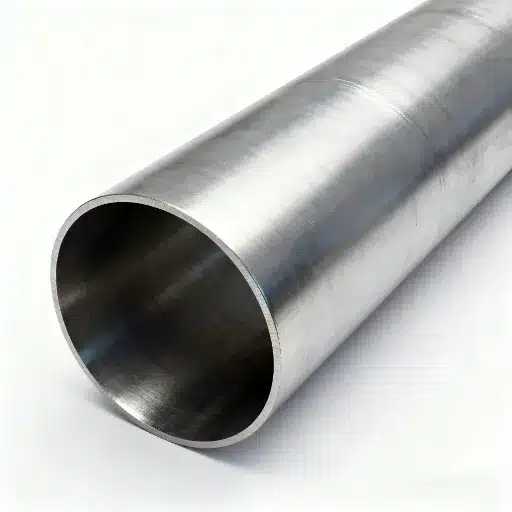
Welding Techniques for ASTM A270 Tubing
The welding of ASTM A270 tubes that are meant for sanitary and hygienic applications has to apply very strictly to the defined welding methods, as only then the industry standards will be met and the tubes’ integrity maintained. The high-purity welds made with the least contamination are the reason for the widespread use of the Tungsten Inert Gas (TIG) welding also called Gas Tungsten Arc Welding (GTAW). The process involves a non-consumable tungsten electrode and an inert gas, argon or helium, that protects the weld area from surrounding air and its contaminants.
Complete Welding Process
1. Pre-Weld Preparation
Thorough cleaning and degreasing of tubing surfaces to eliminate impurities that could impact weld quality. This step is crucial for ensuring the integrity of the final weld.
2. Orbital Welding Systems
Often automated and used for larger-scale applications, providing consistent and repeatable results with precise control over parameters like heat input, speed, and gas flow.
3. Post-Weld Treatment
Electropolishing and passivation are essential steps that restore the chromium oxide layer on the tubing surface, ensuring corrosion resistance and compliance with sanitary standards.
4. Nondestructive Testing (NDT)
Rigorous testing including radiographic and ultrasonic inspections certifies weld integrity and discovers any flaws, ensuring the highest quality standards.
The use of advanced welding techniques coupled with strict quality control measures enable manufacturers to deliver ASTM A270 tubing that meets the high standards of the pharmaceutical, food, and drink sectors.
Polishing Processes for Sanitary Tubing
Polishing methods for sanitary tubing are indispensable for achieving the required smooth surface finish for hygienic applications in the pharmaceutical, food, and beverage industries. Usually, the two pastes are mechanical polishing and electropolishing.
Based on recent industry standards and search data, multi-stage polishing, which involves mechanical polishing and electropolishing, is overlaid as the best method to achieve the desired outcomes. The use of this hybrid technology ensures that the tubing has the greatest possible long-term durability while being able to pass the toughest cleanliness and sterilization standards.
Technology Advances: The introduction of polishing technology innovations like automated polishing systems and real-time surface measurement tools has allowed the manufacturers to produce high-quality finishes faster, cheaper, and with less human effort. However, the proper implementation of polishing methods plays a significant role in the sanitation tubing’s integrity and reliability in sensitive applications.
Quality Control in Production
Quality control in the manufacturing of sanitary tubing is a detailed procedure that not only makes sure that the product complies with the industry standards but also fulfills the high demands of diverse applications. A major method in this area is non-destructive testing (NDT), which identifies the smallest defects such as fissures or foreign particles that may weaken the tubing.
Usually used along with machine-learning algorithms, optical inspection systems carry out real-time data analysis, giving producers the capability to spot inconsistencies at unbeatable speeds. The latest trends derived from search engine data suggest that there is a growing adoption of predictive maintenance technologies in the production process.
Advanced Quality Control Technologies:
- IoT-Enabled Sensors: Apply machine learning to forecast potential failures before they occur, minimizing downtime and optimizing overall efficiency
- Digital Twin Technology: Virtual counterparts of production processes allow simulation and upgrading of quality control measures without disrupting actual operations
- Real-Time Monitoring: Continuous analysis ensures production practices are environmentally sustainable by reducing waste and energy consumption
The combination of these methods enables the production of sanitary tubing with enhanced accuracy and reliability and also confirms that the production methods comply with the environmental sustainability targets through the reduction of waste and energy consumption.
Industry Trends and Innovations
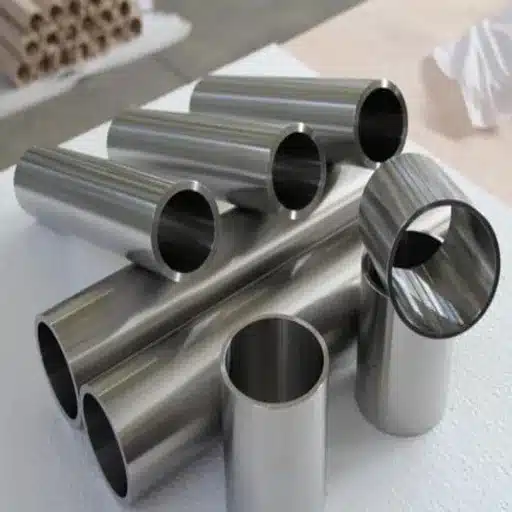
Emerging Trends in Stainless Steel Tubing
Among the prominent emerging trends in the stainless steel tubing industry is the advanced alloy development and adoption for enhancing performance in demanding applications. Modern alloys comprise duplex and super-austenitic grades of stainless steel, capable of both withstanding corrosion and excelling in situations involving extreme heat or aggressive substance exposure.
Newly gathered information from the internet shows that the correlation between the alloy compositions and durability and reliability in the energy, pharmaceuticals, and water treatment sectors is one of the main research areas. Moreover, the manufacturers are putting the production of low-nickel alloys on their agenda for controlling costs and securing the supply chain, but at the same time, they do not give up on the performance standards. These advanced metallurgical techniques make it possible for the materials to comply with the most rigorous industrial standards, thus extending the life and lowering the maintenance requirements without any quality loss.
Industry Impact: Innovation in alloys demonstrates the industry’s commitment to technical excellence and constant awareness of evolving market needs.
Technological Advances in Manufacturing
Contemporary manufacturing techniques have undergone a radical change by the adoption of cutting-edge data analytics, which include customer understanding derived from search engine analytics and similar tools. Manufacturers relying on current data can recognize future trends, adjust production plans, and foresee disruptions in the supply chain with greater accuracy.
To illustrate, search engine data may point to a shift in consumer preferences, resulting in companies being more adaptable to the changes in their product output. The synergy of smart manufacturing practices and big data inrerpretation has led to improved decision-making, less wastage, and faster market-entrance times, thus underlining the indispensability of information systems in the forming of industrial tactics today.
Future Outlook for ASTM A270 Tubing
Forecasts based on search engine analytics predict a very bright future for ASTM A270 tubing, especially in sanitary applications. As a result, companies will be able to gauge the market for sanitary tubing through the search trend analysis conducted for the food processing, pharmaceutical, and biotech industries.
To illustrate, a sudden increase in search queries for “hygienic manufacturing processes” or “cleanroom production materials” may indicate a growing demand for premium sanitary tubing like ASTM A270. Being aware of demand before it occurs helps not only the manufacturers but also the sellers in managing their stocks, scheduling the production in the most efficient way, and being in tune with the needs of the industry. Furthermore, search data can uncover new market opportunities in specific regions, thus allowing companies to distribute their resources effectively and take advantage of the new markets.
Strategic Advantage: Combining the technological excellence of ASTM A270 tubing along with the capabilities of predictive analytics offers an innovative and flexible method to the industry that enables visionary companies to achieve a long-term success.
Frequently Asked Questions (FAQ)
What is ASTM A270 sanitary stainless tubing and its standard specification?
Specification ASTM A270 for sanitary tubes and fittings describes polished tubing and fittings for sanitary applications in the food industry and similar sectors. The standard specifications establish requirements for chemical analyses and mechanical tests of tubes, including flattening and bend reverse tests performed to ensure the polished surface and maximum roughness are within limits for sanitary tubing performance. Tubing under this standard is produced following ASTM standards and frequently specifies both wall thickness and weld integrity. The specification also stipulates that tubes shall be manufactured so that the longitudinal weld is virtually undetectable if welded, or as seamless where indicated. The tubing weld is cold-worked or smoothed before final annealing so that the final polished surface is suitable for sanitary fittings and assembly.
How does stainless steel sanitary tubing differ from other steel pipes and bright annealed tubing?
Stainless steel sanitary tubing is designed specifically for sanitary applications and has a surface finish of 20RA or better, which sets it apart from the general-purpose steel pipes that are used for structural or fluid transport. Tubing with a polished surface and bright annealed tubing are produced to not only have polished surfaces but also to have a maximum roughness which will be controlled and that is suitable for hygienic cleaning and will lead to less bacterial retention. The food industry sanitary tubing usually requires special controls on the chemical elements that can enhance both weldability and resistance to corrosion. The production process might include cold working to certain limits or heavily cold-worked austenitic processes to get the desired mechanical properties and dimensional stability. sanitary stainless steel tubing, in contrast to alloy steel sometimes used for pipes, is based on its compatibility with sanitary fittings and reduction of thickness variations to meet sanitary tube standards.
What mechanical tests are required for ASTM A270 stainless steel tubing to ensure compliance?
Of all the mechanical tests, tensile testing, flattening tests, and reverse bending tests are those that are carried out to prove that the tubing complies with the specifications for mechanical properties and is, therefore, safe for sanitary use. The standard requires specifying the welding method for welds or seamless tubing to be such that it meets the performance criteria, including tests that confirm the weld bead is cold-worked when that is the case, to create a longitudinal weld that is practically non-visible. In addition, tests control the reduction in thickness at the welds and measure the wall thickness to guarantee uniform wall and weld performance. A chemical analysis is done to show that the chemical elements are specially controlled in order to enhance the weldability and corrosion resistance. These mechanical tests and chemical analyses, when combined, will guarantee that the tubing is suitable for sanitary fittings and food industry applications.
Are sanitary fittings compatible with heavily cold-worked welded austenitic tubes manufactured with sanitary criteria?
To be sure, sanitary fittings can be applied to heavily cold-worked welded austenitic tubing if the tubes are manufactured according to the specified standards and finishing requirements of ASTM A270. In the case of tubing that is heavily cold-worked, subsequent processing such as cold-working to the specified amount may affect the geometry and thus require verification through flattening test and reverse bend test results. Manufacturers ensure that the weld bead is cold-worked and polished to make the weld joint smooth, resulting in a virtually undetectable longitudinal weld for hygienic purposes rather than relying on exposed welds. Food industry sanitary tubing is subject to special surface treatments and bright annealed finishes that accommodate maximum roughness values compatible with sanitary tubing requirements. The correct selection of stainless steel sanitary tubing and fittings guarantees the reliability of the sanitary system performance.
What are the production control measures when tubing is manufactured from stainless steel strip or alloy steel and complies with ASTM standard?
The tubing made of stainless steel strip or alloy steel which is produced according to the ASTM specifications is subjected to a very stringent control procedure that consists of keeping a close eye on the four factors including chemical composition, cold working, heat treatment, and finally mechanical test performance. Strictly controlled are the chemical elements in such a way that they serve the purpose of weldability and the final products are not only compliant but also innovative based on the ASTM standards for sanitary application that include polished surfaces and roughness criteria for stainless steel sanitary tubing. Control measures extend to the parameters of welding and post-weld treatments to the extent that any weld on welded tubes can be subjected to polishing and cold-working up to the standard of finished condition, thus producing nearly invisible longitudinal welds. The entire manufacturing process monitors thickness reduction, wall thickness, and wall-and-weld consistency to make sure they are always within the specification limits. The test documentation which includes surface roughness measurements by using the B46.1 method and others as per the specifications is part of the compliance for the tubing meant for the food industry.
Reference Sources
- Sanitary fittings and tubing for food processors
Oklahoma State University Open Research
This document discusses the standardization and specifications of sanitary tubing, including ASTM A270, for food processing applications. - Facultad de Ingeniería en Mecánica y Ciencias de la Producción
Academia.edu
This paper provides insights into the properties and applications of stainless steel alloys, including ASTM standards. - Deployable Antenna for CubeSat
California Polytechnic State University Digital Commons
While not directly about ASTM A270, this study involves the use of telescoping tubes and discusses material properties relevant to tubing applications.