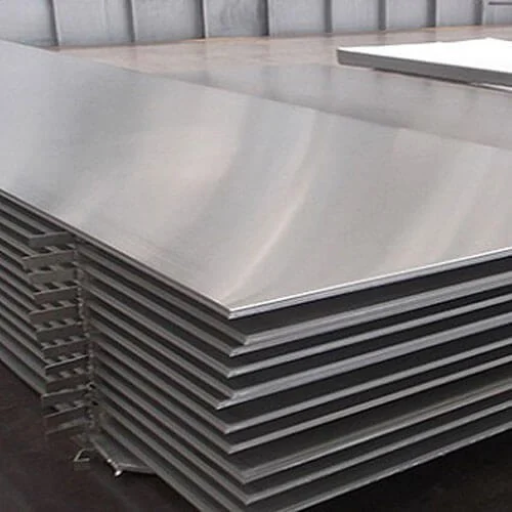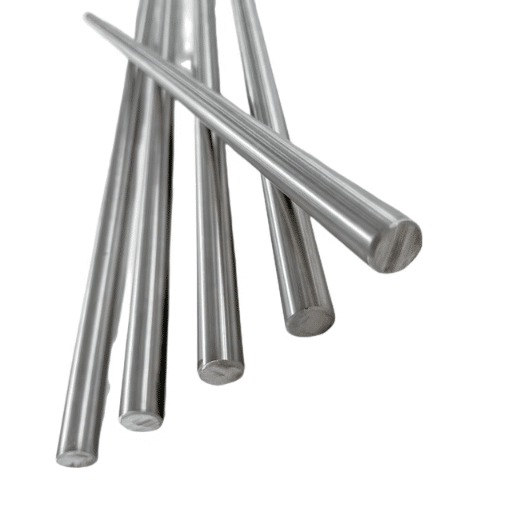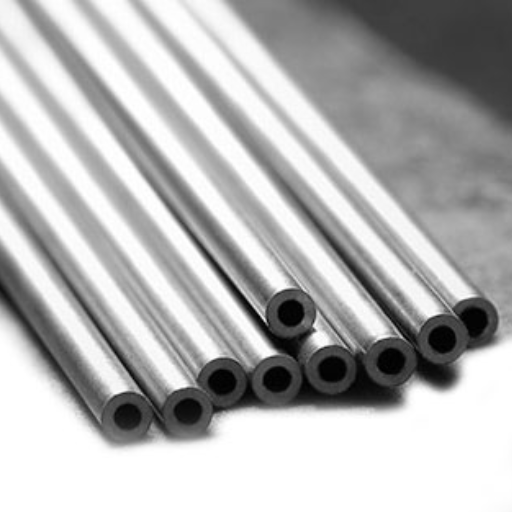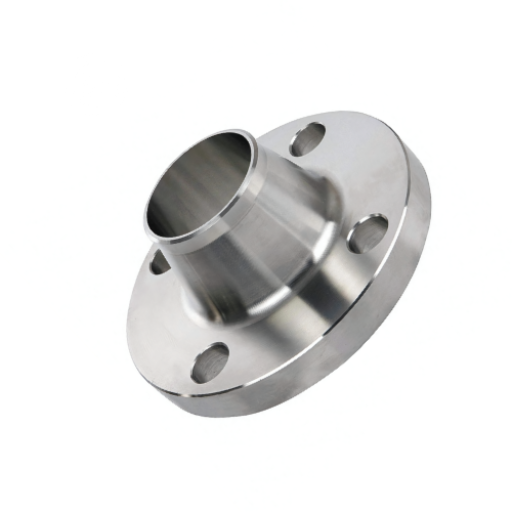
The chemical processing industries depend on stainless steel because they face daily challenges from highly corrosive environmental conditions. The 317 stainless steel grade demonstrates better resistance to chemical attacks and extreme operational conditions which would damage other materials. This blog post examines how 317 stainless steel exhibits outstanding corrosion resistance through its performance in difficult environments and its material properties and its various uses in chemical processing. The article shows readers why 317 stainless steel material meets industrial requirements in challenging environments while explaining how this material extends equipment lifetime and protects against hazardous environments.
Introduction to Stainless Steel and Its Applications
Overview of Stainless Steel Properties
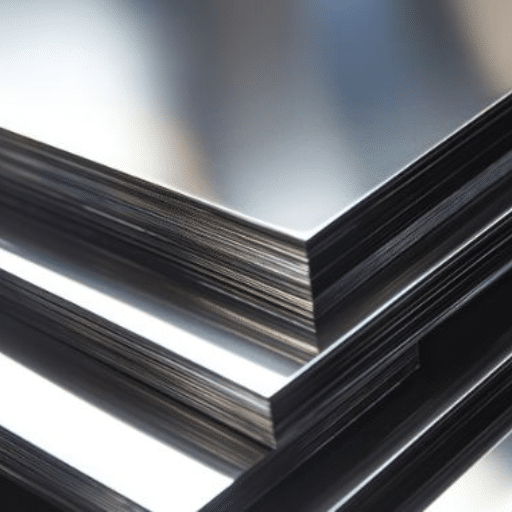
Stainless steel is a corrosion-proof metal alloy composed of iron and chromium along with nickel, molybdenum, and other elements. Its signature chromium oxide passive layer regenerates after damage — protecting against rust and extreme environments across structural, chemical, medical, and food processing applications.
Stainless steel functions as a corrosionproof metal alloy which consists of iron and chromium along with different nickel and molybdenum and other materials according to its specific grade requirements. The material shows its greatest strength against oxidation because the chromium oxide protective layer forms on its surface when it contacts oxygen. The protective layer of the material prevents rusting but also has the ability to regenerate itself after people damage it through scratching which helps the material withstand extreme environmental conditions.
Stainless steel provides structural strength because of its high tensile strength and its pitting and crevice corrosion resistance which makes it suitable for marine and chemical processing environments. The material exhibits superior thermal and electrical conductivity which leads to its application in fields that require high energy consumption. The current advancements in production techniques and alloy development enable stainless steel to fulfill the necessary standards for antimicrobial protection and low-temperature durability and machining ability according to the requirements of current industrial and consumer usage.
The combined properties of stainless steel create a material that construction and transportation and medical device manufacturing and food processing businesses consider essential to their operations.
Importance of Corrosion Resistance in Chemical Processing
Chemical processing environments require materials with corrosion resistance because many chemicals present dangerous chemical reactions and the process operations reach extremely high temperature and pressure and use acidic or alkaline or saline materials. The sector requires materials which can endure degradation to protect operational safety and system integrity and process efficiency. Stainless steel particularly grade 316 and grade 904L show strong performance against pitting and crevice corrosion when used in chloride solutions which helps prevent equipment breakdown and material contamination during processing.
The latest research findings report that yearly worldwide corrosion expenses surpass $2.5 trillion which represents 3 to 4 percent of the total worldwide economic output with chemical processing industries facing major financial consequences. Improved corrosion-resistant materials reduce operational expenses because they extend equipment lifespan and decrease maintenance needs and cut down unexpected equipment failure times. The development of duplex stainless steels and advanced coatings represents a growing trend which organizations use to achieve optimal performance in highly corrosive environments while meeting essential regulatory standards required in chemical processing operations. The developments establish that corrosion-resistant materials constitute the foundation which enables organizations to maintain their operational efficiency together with their cost-effective business operations.
Common Applications of 317 Stainless Steel
The exceptional resistance of Type 317 stainless steel to corrosion stems from its ability to endure extreme chemical and acidic and saltwater conditions. The material delivers enhanced performance because its increased molybdenum content strengthens its ability to resist pitting and crevice corrosion compared to standard 316 stainless steel.
Key applications of 317 stainless steel include:
By leveraging these properties, industries can achieve better durability for their products and higher product reliability and decreased costs for maintenance. The latest alloy processing methods have improved material performance for industrial applications while maintaining its role as an essential element for contemporary engineering solutions.
Understanding 317 Stainless Steel

Chemical Composition and Structure
The alloy 317 stainless steel which belongs to the austenitic stainless steel family contains chromium and nickel and provides exceptional protection against chemical corrosion in situations where chloride and acid levels reach their highest points. The chemical composition of the alloy contains 18 to 20 percent chromium and 11 to 15 percent nickel and 3 to 4 percent molybdenum which together improve its resistance to pitting and crevice corrosion. The elements exist as carbon and silicon and manganese and phosphorus in the form of trace quantities which experienced precise adjustment to achieve maximum durability and structural strength.
The austenitic microstructure of nickel addition creates a structural framework which preserves its crystal lattice structure through all temperature changes. The material exhibits enhanced toughness and ductility through various temperature ranges while its improved weldability enables application in complex industrial and engineering processes. The current metallurgical methods have created advanced techniques for alloying element distribution which lower the chances of localized corrosion and stress cracking.
The unique property combination of 317 stainless steel makes it the most suitable material for industrial applications that need to withstand severe chemical attacks which occur in chemical processing and marine and paper manufacturing operations. The system maintains its performance standards throughout the extended period of engineering operations.
Differences Between 317 and 317L Stainless Steel
The primary distinction between 317 and 317L stainless steel exists because their carbon content determines their welding capabilities and their resistance to corrosion in various industrial applications. The carbon content in 317 stainless steel enables it to endure extreme temperatures and withstand all mechanical forces. The material combination contains carbon, which produces carbide at grain boundaries during welding, leading to decreased intergranular corrosion resistance until post-weld heat treatment occurs.
The two alloys contain high molybdenum levels which improve their ability to withstand pitting and crevice corrosion attacks yet the selection between them depends on multiple factors including operating temperature and fabrication needs and post-weld treatment requirements that arise from specific applications.
Mechanical Properties of 317 Stainless Steel
The austenitic 317 stainless steel serves as an advanced chromium-nickel-molybdenum stainless steel which provides exceptional protection against corrosion in extremely hostile conditions. The current information shows that the material possesses outstanding mechanical characteristics which enable its use in applications that demand both durability and strength.
| Property | Value | Significance |
|---|---|---|
| Tensile Strength | 515 MPa / 74,700 psi | Endures substantial load before reaching breaking point |
| Yield Strength | ~205 MPa | Withstands operational stress without permanent deformation |
| Elongation at Break | 35% | High ductility enabling stretch before fracture |
| Hardness (Brinell) | ~217 HB | Resists surface deformation from contact forces |
The high molybdenum content of 317 stainless steel provides excellent pitting and crevice corrosion protection which makes it a reliable material for use in chemical processing and marine environments and power generation. The material shows application versatility because it maintains stability through multiple temperature ranges although specific post-weld treatments need to be applied for optimal mechanical performance in welded components.
Corrosion Resistance Mechanisms

Factors Affecting Corrosion Resistance
The corrosion resistance of 317 stainless steel materials depends on multiple essential characteristics which determine their performance. The main factors which determine this property include chemical composition of the material and the environmental conditions and the operational parameters which include temperature and pressure. The 317 stainless steel alloy achieves better protection against pitting and crevice corrosion through its increased molybdenum content which provides improved defense against chloride-rich environments. The oxide layer which forms through chromium oxidation creates a protective barrier against oxidation.
Corrosion processes experience acceleration through environmental factors which include chlorides and sulfur compounds and other aggressive chemicals when materials lack proper protection against such conditions. The second major factor in this process is temperature because rising temperatures cause two effects which include weakening the passive protective film and increasing intergranular corrosion resistance. The handling of mechanical stresses through welding operations and bending operations requires proper handling procedures because improper handling can result in stress corrosion cracking.
The latest data shows that industrial operations which experience severe corrosion should follow established maintenance schedules which use coating technologies and cathodic protection methods. The maintenance procedures help to extend the material lifespan while safeguarding the structural integrity of the facility.
Passivation and Its Role in Corrosion Resistance
The process of passivation, which functions as an essential method to boost corrosion protection, creates a non-reactive oxide coating that secures metal surfaces against environmental elements which cause corrosion. The protective layer which develops through natural processes or human intervention proves essential for stainless steel and aluminum materials, which need protection against rust and chemical corrosion. The latest research demonstrates progress in passivation methods, which now include special chemical treatments that create uniform oxide coatings which withstand extreme conditions of high salinity and acidic environments.
The latest search insights from engine research demonstrate that proper passivation execution provides substantial performance benefits for industries which include aerospace and pharmaceuticals and marine engineering applications. Studies demonstrate that the combination of passivation with protective techniques which include advanced coatings and regular maintenance procedures extends the lifespan and operational capabilities of materials. Passivation functions as an essential method which supports corrosion control efforts that protect structural stability and operational safety in high-demand operational environments.
Comparison of 317 Stainless Steel with Other Alloys
The evaluation of 317 stainless steel against 304, 316, and duplex stainless steel shows three important aspects which should be examined. The design of grade 317 stainless steel specifically supports advanced corrosion protection through its increased molybdenum content which ranges between 3% and 4%.
| Grade | Mo Content | Corrosion Level | Best Suited For |
|---|---|---|---|
| 304 SS | None | General purpose only | Non-corrosive general applications; cost-effective |
| 316 SS | ~2% | Moderate — between 304 & 317 | Marine, light chemical exposure environments |
| 317 SS | 3–4% | Superior pitting & crevice resistance | Extreme chemical, acid, high-chloride environments |
| Duplex SS | Variable | Strong dual-phase protection | High-strength corrosion applications; higher cost |
The data-driven evaluations show that 317 stainless steel functions as a high-performance alloy that maintains its operational capabilities while decreasing material wear and maintenance requirements throughout its lifespan.
ASTM and ASME Standards for 317 Stainless Steel

Overview of ASTM A312
ASTM A312 establishes standard specifications which define seamless welded and heavily cold-worked austenitic stainless steel pipes that manufacturers use for high-temperature applications and corrosive industrial environments. The specification serves industries which need materials that maintain both exceptional corrosion resistance and structural strength, especially in petrochemical operations and chemical facilities and power generation plants. The standard establishes precise requirements which determine material makeup and mechanical characteristics and pipe dimensions and testing methods to guarantee pipe quality and reliability.
The standard includes multiple grades which contain 317 stainless steel that provides improved resistance against pitting and crevice corrosion when exposed to chloride-rich environments through its higher molybdenum content. The ASTM A312 standard requires pipes to meet specified tensile and yield strength requirements and to complete non-destructive testing which includes ultrasonic testing and eddy current testing and to comply with established wall thickness and diameter tolerance requirements. The strict safety requirements establish operational standards which all operators must fulfill when working in high-pressure industrial settings.
The combination of the existing standard with current mechanical and corrosion-resistance findings demonstrates that ASTM A312-compliant pipes deliver a strong industrial solution which meets the current operating needs of industrial facilities.
Overview of ASME SA312
The American Society of Mechanical Engineers established ASME SA312 as a specification which controls the production of seamless and welded austenitic stainless steel pipes. The standard requirements test pipe performance at extreme temperatures and pressures which makes them suitable for essential industrial work in chemical processing and power generation and petrochemical transport. The specification requires testing of mechanical characteristics that include tensile strength and yield strength and elongation together with specific chemical composition requirements which will protect against corrosion and high-temperature oxidation.
ASME SA312 continues to be a standard which engineers widely apply because it successfully addresses contemporary engineering problems when combined with the most recent scientific research. Material science advancements have produced austenitic stainless steel variations which include 304L and 316L grades that demonstrate outstanding durability and multiple operational functions across various industrial applications. Recent information proves that ASME SA312-compliant pipes deliver superior performance when handling aggressive environments which include chlorides and high sulfur content because they meet requirements for safety and reliability and extended industrial use in developing industrial systems.
Wall Thickness Requirements for 317 Stainless Steel Pipe
The wall thickness of 317 stainless steel pipe requires measurement according to industry standards which include ASME B36.19M and ASTM A312. The specific thickness is often dependent on the pipe’s nominal size, pressure rating, and operational environment. The standard sizes of pipes use wall thickness which pipe manufacturers define according to schedule classification (e.g., Schedule 10, 40, 80) and Schedule 40 pipe dimensions and higher dimensions serve as the recommended standard for high-pressure systems.
Recent evaluations establish that thicker walls deliver superior protection against aggressive service conditions which include contact with highly corrosive media and exposure to high temperatures. The high-chloride applications require a minimum wall thickness that matches Schedule 40 because it provides better durability and extends service life by decreasing pitting and stress corrosion cracking. Engineers must use accurate technical charts and compliance documents to select wall thickness based on design pressure and temperature range and allowable stress limits.
The combination of new technological developments and current guidelines allows 317 stainless steel pipes to function as dependable solutions for demanding industrial applications which require both structural integrity and corrosion resistance.
Stainless Steel Pipe and Tubing in Chemical Processing

Types of 317 Stainless Steel Pipe and Tubing
The industrial sector requires different configurations of 317 stainless steel pipes and tubing for various applications. The common pipe types include seamless pipes and welded pipes and electric resistance welded ERW pipes and fabricated tubes.
The selection of the appropriate type depends on factors such as the intensity of corrosive exposure, pressure levels, and temperature range of the intended application. The combination of these pipe types with advanced manufacturing techniques enables 317 stainless steel to function as a flexible material used in chemical processing operations.
Seamless vs. Welded Stainless Steel Tubing
The decision to use either welded or seamless stainless steel tubing depends on the particular needs of the project because each type offers distinct benefits which stem from its production method. The production method of seamless tubing results in a product that lacks any welded seams, which creates a continuous structure that provides improved strength. This feature makes the material suitable for use in critical applications which require unbroken structural integrity, including aerospace operations and petrochemical processes. The welded tubing production method involves creating tubes through the process of bending metal strips and then joining them together by welding. Advanced welding techniques combined with heat treatment processes enable welded tubing to reach strength levels which match its corrosion resistance capabilities.
The recent search trend data shows that seamless tubing has become a major focus for applications which need to maintain reliability under extreme pressure and temperature conditions which occur in hydraulics and medical equipment. The combination of low costs and flexible design options makes welded tubing the preferred choice for use in construction and automotive manufacturing which represents the majority of industrial sectors. The decision should base itself on three main factors which include operating conditions and mechanical requirements and budget considerations.
Choosing the Right Supplier for 317 Stainless Steel Products
The process of selecting a trustworthy supplier for 317 stainless steel products demands an extensive assessment procedure because it must identify essential elements that guarantee product quality and regulatory adherence and lasting operational effectiveness. The certification status of the supplier together with their compliance to industry standards which include ASTM and ISO requirements stands as the most critical factor of evaluation. Certified suppliers demonstrate a commitment to quality and provide traceability which is crucial for demanding applications. Industries such as chemical processing and marine environments must prioritize suppliers who have established success in delivering 317 stainless steel which offers exceptional chemical corrosion resistance and high temperature operational performance.
Digital tools such as search engines help buyers use online platforms to track supplier reputation more effectively. Latest data shows that suppliers who possess multiple online reviews together with strong technical assistance and clear material specifications achieve higher levels of buyer confidence. Companies should assess stock availability and delivery timelines together with post-sales support services to maintain their business operations. The ability of the supplier to deliver application-specific customization options should receive evaluation because it plays a vital role in determining project results within specialized industries. The comparison of different pricing models enables the identification of cost-effective solutions which maintain product quality without compromising long-term operational performance.
Applications of 317 Stainless Steel in the Chemical Industry

Use in Chemical Processing Plants
Chemical processing plants make extensive use of 317 stainless steel because it provides exceptional protection against corrosion which especially affects sulfuric acid and chloride and other halide-containing chemical substances. The alloy displays increased resistance to pitting and crevice corrosion because it contains high levels of molybdenum which range from 3 to 4 percent. Its superior mechanical performance enables the material to function effectively during extreme temperature and pressure conditions which makes it suitable for use in essential industrial equipment such as heat exchangers and reactors and storage tanks. According to recent data chemical processing operations increasingly adopt this technology because companies want to achieve better operational results and environmentally friendly operations through materials that deliver extended performance and lower maintenance expenses.
Applications in Oil and Gas Industries
The oil and gas industry has undergone a transformation through the application of advanced materials which include corrosion-resistant alloys and high-performance composites because these materials solve essential problems that arise from extreme operating conditions. The materials demonstrate their capability to perform in subsea pipelines and offshore drilling equipment and wellbore casings because they can endure corrosive substances and high-pressure situations and temperature variations.
Recent industry data shows that global demand for these materials will increase more than 5% each year because there is a growing need to explore deepwater and ultra-deepwater resources. Nanotechnology advancements have produced coatings and surface treatments which improve the durability and efficiency of essential components while decreasing their required maintenance and operational downtime. The industry trend supports environmental protection efforts while the industry works to achieve improved resource extraction and processing results.
Advantages of Using 317L Stainless Steel Tubing
The high-performance industrial applications which require demanding performance standards benefit from using 317L stainless steel tubing because of its outstanding corrosion resistance and its ability to withstand high-temperature oxidation. The welding structural integrity of 317L stainless steel in extreme corrosive environments gets enhanced through its lower carbon content which prevents carbide precipitation that occurs in standard 317 stainless steel. This material proves to be highly beneficial for chemical processing and oil and gas operations and marine engineering activities which involve handling chlorides and acids and saline environments.
The mechanical properties of 317L stainless steel tubing include high tensile strength and high yield strength which enable it to endure extreme pressure and stress conditions. The material’s enhanced molybdenum content increases its ability to resist pitting and crevice corrosion which represents a vital benefit for operations that handle seawater and other harsh substances. The material’s excellent weldability and formability assist manufacturers in their production tasks because these properties make it easier to create products while decreasing their overall manufacturing expenses.
Modern industrial needs which include better product durability and less frequent maintenance and longer equipment life all get fulfilled through the use of 317L stainless steel tubing which reduces costs while supporting sustainable practices in multiple industries.
Low carbon (<0.03%) prevents intergranular corrosion during and after welding — eliminating post-weld heat treatment in most cases.
3–4% molybdenum delivers outstanding resistance to pitting and crevice corrosion in seawater, chloride-rich, and acid environments.
Excellent weldability and formability simplify fabrication while reducing manufacturing costs across chemical, marine, and petrochemical sectors.
Frequently Asked Questions
Q1
What is 317L stainless steel pipe and how does it compare to 316L and 304L?
The 317L stainless steel pipe functions as a low carbon austenitic alloy which contains higher levels of chromium and molybdenum compared to 316L and 304L to achieve better corrosion protection. The material composition of 317L makes it highly resistant to pitting and stress corrosion which occurs when chloride ions are present. The 317L alloy finds use in applications which require materials that can withstand high temperatures while maintaining strong creep resistance and oxidation protection. The 317L alloy contains molybdenum which enables it to resist damage from bleaching agents and acid dyes. The material qualifies for use in welded assemblies because its annealed state exhibits non-magnetic properties together with low carbon content.
Q2
How do 317 stainless steel tubing and 317L stainless steel tubing differ for industrial use?
The main distinction between 317 stainless steel tubing and 317L stainless steel tubing comes from their carbon content because 317L steel contains lower carbon levels which stop carbide development and intergranular corrosion during the welding process. Both grades find application in environments that contain corrosion from acetic acid and formic acid and citric acid and in operations which deal with pulp liquor or acetylating and nitrating mixtures. The use of 317L seamless pipe or tubing becomes necessary when projects need to create strong pipelines which eliminate possible points of leakage. Cold working processes lead to tubing hardening which affects both stress to rupture and creep properties, thus manufacturers often mandate anneal steps after the fabrication process. The suppliers and distributors maintain inventory of both tubing types while providing customers with guidance about suitable wall thicknesses for their particular needs.
Q3
Can I get 317L seamless pipe to meet ASTM A312 or ASME SA312 specifications?
You can manufacture 317L seamless pipe to ASTM A312 and ASME SA312 standards because these standards ensure that pipes achieve specific chemical and mechanical attributes throughout their entire length. The standards establish necessary specifications for both seamless pipelines and welded stainless steel pipes which are used for general corrosion protection in pressure systems. The supplier must provide material test reports and UNS designation during ordering to prove product compliance with requirements. The standards define wall thickness and diameter measurements which permit different applications between process piping and extreme coal and oil handling situations. High-temperature materials require specification of correct grade and heat treatment because these factors determine performance for material creep and stress to rupture.
Q4
Which wall thicknesses does 317 stainless steel pipe offer, and what performance impacts result from different wall thicknesses?
The wall thickness options for 317 stainless steel pipe emerge from standard regulations and manufacturer guidelines together with the industry pipe classification which includes both seamless and welded pipe types. Distributors enable customers to obtain standard piping schedules together with their corresponding metric conversion values. The product’s thicker walls enable it to withstand greater pressure while its additional material helps protect against corrosion in environments which contain high acid levels such as tartaric and citric acid services. The thickness of a wall determines how effectively heat transfers and how much cold working changes the mechanical properties of materials. The application requires both heavier wall thickness and proper anneal because these factors will decrease creep and stress to rupture. The supplier helps you select the ideal wall thickness through analysis which considers your application needs and pressure demands and ASME code requirements.
Q5
Are there special applications where 317L stainless steel pipe is preferred over other alloys?
The piping system for 317L stainless steel shows suitability for systems which need to maintain high levels of resistance against pitting and stress corrosion and general corrosion attacks from chloride and acid environments which exist in pulp liquor and bleaching chemicals and acid dyestuff applications. The material serves its function in extreme conditions which present coal and oil processing environments and in systems which encounter acetic and formic and citric acid substances. The selection process requires non-magnetic materials with excellent welding capabilities which provide better performance than materials with lower molybdenum content. 317L serves as the standard material in chemical processing systems which include heat exchangers and high-temperature facilities that require superior creep resistance. Contact a trusted supplier to verify which metal alloy is suitable for your operating conditions.
Q6
What fabrication methods should be used with 317 stainless steel tubing to maintain its protective coating?
Welding 317 stainless steel tubing requires low carbon welding methods or 317L filler metal because these methods prevent carbide precipitation and intergranular attack while post-weld annealing should be done when required. The tubing will experience cold working which will create a need for annealing to restore its ductility and corrosion resistance abilities because of its welded joints. The cleaning process after fabrication needs to remove all soil and residue materials which include acid dyestuffs and pulp liquor because these substances create a risk for localized corrosion. The engineer or purchaser will determine testing requirements for pitting and stress corrosion resistance in severe service conditions. The distributor or supplier which you choose will help you manage both the right operational methods and the tracking of material origins.
Reference Sources
- 01
Corrosion Fatigue Behaviour of 317LN Austenitic Stainless SteelAnalyzes the microstructures and corrosion fatigue behavior of 317LN stainless steel, providing insights into its industrial applications.
- 02
Stainless Steel Corrosion in Instrumentation PipeA review and case study on pitting corrosion in austenitic stainless steel pipes, including 317-grade materials.
- 03
Product Guides for Stainless Steel Tubing & PipeProvides technical specifications and characteristics of stainless steel tubing and pipes, including 317-grade.