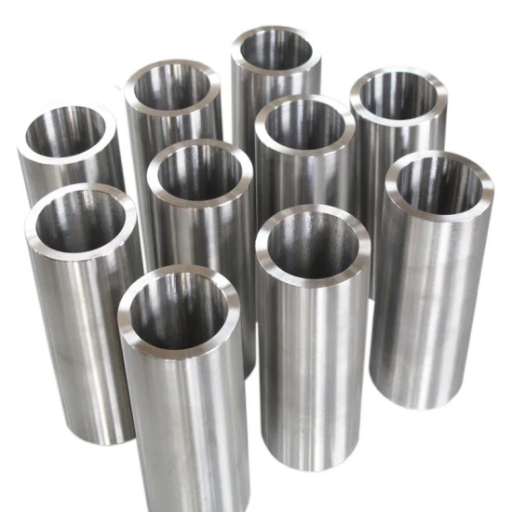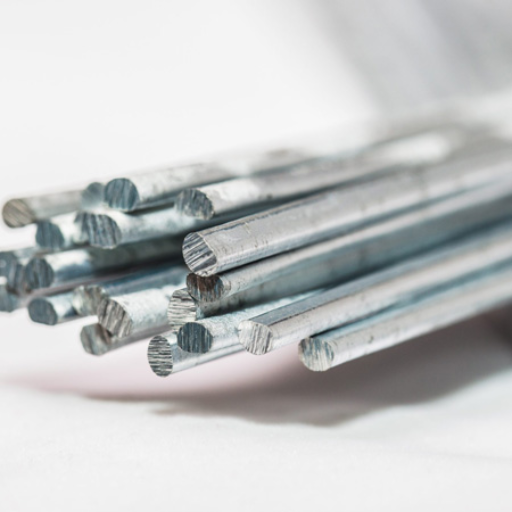
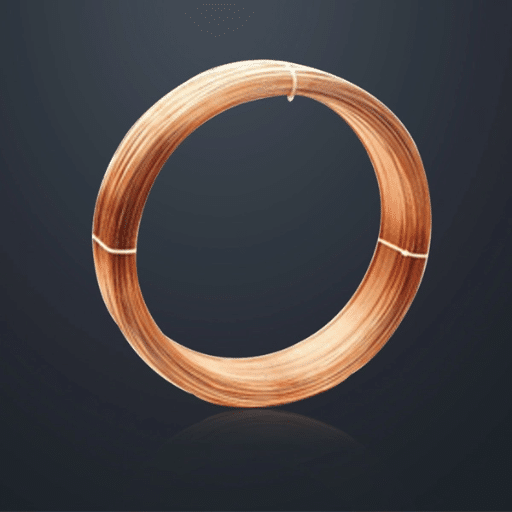
Copper capillary tubes serve as essential components which provide precise operational capabilities used throughout different industrial applications. The specialized components function essential tasks for temperature and pressure control systems while they deliver advanced performance capabilities to instrumentation and fluid transfer systems. The article examines capillary copper tube properties which create unique benefits for diverse industrial applications while demonstrating their importance for precise measurements used in instrumentation. The complete guide will present design engineers and production specialists and solution researchers with detailed information about the technical functions and advantages of capillary copper tubes.
Introduction to Capillary Copper Tubes

Definition and Overview
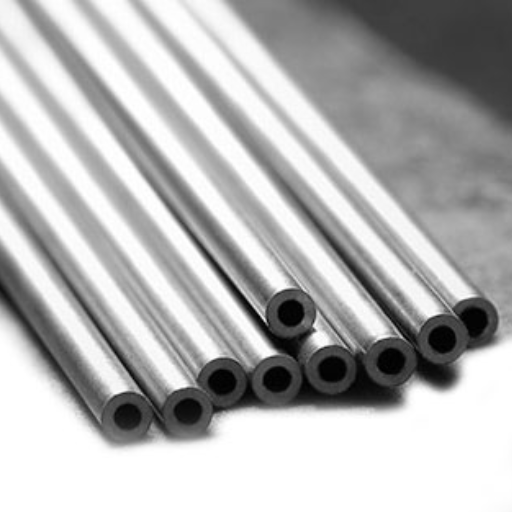
Capillary copper tubes function as specialized narrow tubes which transport fluids and gases through tight spaces while maintaining controlled flow rates. Engineers designed these tubes with high precision because copper provides superior thermal and electrical conductivity together with resistance to corrosion and high durability. Capillary copper tubes typically feature internal diameters that range from fractions of a millimeter to several millimeters which support applications that need precise flow control and temperature management. The current search trends show that capillary copper tubes have high demand across HVAC systems and medical devices and precision instrumentation because these systems provide essential support for dependable and efficient operation. Their ability to enable precise measurement of fluid movement has resulted in their widespread use throughout industrial and research settings.
Importance in Instrumentation
Capillary copper tubes serve an essential function in instrumentation because they enable operators to manage both fluid movement and system pressure with the most accurate control methods. search engine data substantiates their growing demand, particularly in applications requiring exacting standards of accuracy and control. Industries rely on these components to enable precise measurements and operations in pressure gauges, flow meters, and temperature control systems. The process needs this level of accuracy because it helps organizations achieve consistent operations and process dependability while protecting their assets in environments where small changes lead to major results. The technological breakthroughs and industry requirements have established capillary copper tubes as essential components for modern instrumentation systems.
Key Properties of Copper Tubing
Copper tubing contains crucial characteristics that make it suitable for industrial applications which include instrumentation and engineering work. Copper displays high malleability and ductility which permits its transformation into different shapes without losing its structural strength. The system requires this combination of flexibility which enables complex installation work to be executed in both medical devices and HVAC systems. Copper demonstrates outstanding thermal and electrical conductivity properties which enable efficient heat transfer and electricity flow through its structure.
The material possesses two important properties which protect it from corrosive damage caused by water and air exposure thus enabling its use in harsh environmental conditions. The antibacterial properties of copper make it suitable for uses that demand hygienic standards which include plumbing systems and medical facilities. Copper tubing expands and contracts only slightly when exposed to changing temperatures which enables systems to maintain their exact measurements. The development of copper tubing as an essential element in industrial and commercial applications results from its specific characteristics and the progress of alloying and manufacturing technologies.
Manufacturing Processes of Capillary Copper Tubes

Raw Material Selection
Capillary copper tube manufacturing requires manufacturers to make precise raw material decisions because this choice determines product quality and longevity and operational capabilities. The primary material required for this process is high-purity copper which needs to contain more than 99.9% pure copper. This elemental combination produces materials which attain both maximum electrical conductivity and high corrosion resistance and mechanical strength. Manufacturers typically obtain raw copper material through electrolytic refining which produces pure copper cathodes with minimal remaining impurities. The recycling process enables reclaimed copper to undergo purification before being used in production, which creates sustainable outcomes while reducing operational costs.
Manufacturers use phosphorus (P) as a minor alloying element to meet their specific application requirements by adding it to phosphorus-deoxidized copper. The elements of the system provide enhanced tube performance through improved corrosion resistance and improved brazing performance. The raw materials undergo precise evaluation according to established standards from organizations like ASTM International to ensure they meet safety requirements and environmental protection standards. The data reveals current trends which show that industries are increasingly focused on sourcing eco-friendly and responsibly mined copper to meet global sustainability standards. The manufacturing process undergoes transformation because this change affects both material selection and entire supply chain operations through the implementation of socially responsible and eco-friendly production methods.
Manufacturing Techniques
The manufacturing techniques used for copper production have undergone major changes because of new technological developments which enable factories to meet current production requirements. Continuous casting stands out as the primary method which enables factories to produce copper rod and bar products through waste-free operations. The refining process uses electrolysis and other techniques to achieve 99.99% pure material which serves vital needs in electrical and electronic applications. According to data trends from search engine, there is a growing interest in automated manufacturing systems and greener practices. The process includes closed-loop recycling systems which recover scrap copper during production to decrease raw material needs and reduce environmental harm. The innovative practices of these organizations support the global manufacturing industry which currently emphasizes sustainable development and operational efficiency.
Quality Control Measures
The manufacturing process needs quality control measures which serve as fundamental elements for achieving product consistency and product reliability and product compliance with industry standards. The latest search engine data shows that people increasingly demand advanced quality assurance techniques for use in automated sustainable production systems. The current trend shows that real-time monitoring systems and precise sensors and AI-powered analytics systems work together to find and fix defects before they occur.
The technologies enable production processes to achieve better accuracy, which results in reduced material waste, that supports complete recycling and environmentally sustainable operations. The measures help manufacturers to meet their production targets because they enable the production of high-quality products, which eco-friendly manufacturing methods, meet both consumer and government sustainability requirements.
Specifications of Capillary Copper Tubes

Dimensions and Tolerances
Capillary copper tubes are manufactured with precise specifications to meet industry standards and ensure optimal functionality across various applications. Capillary copper tubes have an outer diameter which ranges between 0.3 mm and 12 mm while their inner diameters stay within specified limits to provide uniform flow patterns. The design requires wall thicknesses to be manufactured within a range of ±0.03 mm to ±0.10 mm according to specific usage needs and pressure conditions which will be encountered.
Advanced manufacturing technologies which use laser measurements together with real-time monitoring capabilities establish strict tolerances that help to decrease production faults while enhancing operational performance. The properties of capillary copper tubes make them suitable for use in HVAC systems and refrigeration systems and precision instrumentation systems which need stability and accuracy.
Understanding OD and ID Measurements
Outer Diameter (OD) and Inner Diameter (ID) serve as essential measurements which define the structural strength and fluid flow capabilities of tubing and piping systems. The OD measurement shows how wide the tube extends from its center point which determines whether specific fittings will fit the tube. The ID measurement shows how much space inside the tube allows for fluid movement. The difference between OD and ID exists because wall thickness divides the two measurements which needs to operate under internal pressure for extended periods without breaking down.
Recent data from searches suggests that understanding these measurements is vital for selecting the appropriate tubing for specialized applications. For instance, industries such as HVAC and refrigeration require precise OD and ID alignment to meet performance standards, adapt to high-pressure environments, and prevent system inefficiencies. Advanced diagnostic tools together with dimensional analysis help engineers to select tubing materials which match their operational needs for reliable performance at reduced costs.
Length Options for Capillary Tubes
Industrial and commercial sectors can select from various length options of capillary tubes which match their operational requirements. The required length for any application needs to be chosen because it directly affects how fluids will flow through the system and how much pressure will decrease and how efficiently the entire system operates. Standard lengths usually range from a few inches to several feet, with customization options available to meet unique operational needs. According to recent data aggregated from search engine, the most commonly utilized lengths for capillary tubes in HVAC and refrigeration systems vary between 12 inches (30 cm) to 96 inches (244 cm). Engineers achieve system optimization through this flexibility which enables them to create efficient and high-performing systems. The application needs precise flow control, which requires short lengths; these short lengths need small internal diameters, while longer tubes should be used for systems which need gradual pressure differences. The system needs accurate calculations of the tube length and diameter because these factors determine its optimal performance and function without causing overcooling or inadequate fluid movement.
Applications of Capillary Copper Tubes

Refrigeration Systems
The system needs capillary copper tubes because these tubes work as expansion devices to regulate refrigerant flow between the high-pressure condenser and the low-pressure evaporator. The system achieves efficient operation through these components which deliver reliable performance to both domestic refrigerators and window air-conditioning systems that operate as small to medium refrigeration units. The tube diameter and length specifications must be determined according to cooling capacity and refrigerant type and operating conditions to achieve efficient pressure reduction and maximum evaporator efficiency.
Recent data from search trends shows that people are showing more interest in energy-efficient refrigeration technologies. Modern systems achieve energy savings and improved system performance through capillary tube design enhancements which introduce materials with superior thermal conductivity and durability. The market shows increasing demand for sustainable yet economical cooling solutions which require capillary copper tubes to operate beyond their traditional functions.
Instrumentation in HVAC
HVAC systems use instrumentation to track their operational status while controlling their operations and optimizing their system efficiency to create dependable building performance. The contemporary HVAC systems of today use advanced sensors and control systems which include temperature sensors and pressure transducers and flow meters. The equipment collects data in real time which scientists use to create exact environmental standards that need less energy to operate. Smart instrumentation uses IoT technologies to provide remote system monitoring because it predicts system problems before they cause operational shutdowns which helps organizations save both time and expenses. Data-driven instrumentation must be integrated into HVAC systems because it will improve system sustainability and operational performance according to increasing industry and regulatory requirements for energy efficiency.
Medical Equipment Uses
Medical equipment plays a vital role in the medical field because it helps doctors diagnose and monitor and treat different health conditions which results in precise and efficient patient treatment. The medical field uses MRI machines and CT scanners and portable ultrasound systems to implement advanced imaging technologies which deliver precise information about the human body to support correct diagnostic procedures. Patients and healthcare providers gain valuable health information through wearable medical devices which use IoT and AI technology to conduct real-time health assessments and record data. The new technologies that have emerged improve patient results by decreasing error rates and increasing the effectiveness of therapeutic approaches. Medical devices are becoming more sophisticated because machine learning and big data analytics technologies are developing which enables devices to forecast medical complications and create personalized treatment protocols. Healthcare providers now need to use advanced medical equipment because it enables them to fulfill modern medical requirements of today.
Performance Characteristics

Thermal Conductivity
The ability of a material to transfer heat is measured through thermal conductivity. Scientists determine the heat transfer rate of a material through their study of its heat conduction characteristics. Thermal conductivity exists in watts per meter-kelvin (W/m·K) units which engineers and materials scientists and thermal management experts use to assess material properties. High thermal conductivity metals such as copper and aluminum serve industrial processes and heat sinks through their operational requirements. Insulating materials like glass and polystyrene achieve low thermal conductivity which makes them suitable for purposes that require heat transfer reduction. Engineers need to understand a material’s thermal conductivity because it helps them achieve energy efficiency and device performance improvements while meeting sustainability goals in modern technological applications.
Corrosion Resistance
Corrosion resistance describes how well a material can maintain its integrity against environmental elements which include moisture and oxygen and chemical substances. The aerospace and chemical processing industries depend on high corrosion-resistant materials such as stainless steel and titanium and certain polymers to protect their equipment during extended exposure to severe operating conditions. The newest research shows that modern materials have achieved better corrosion resistance because of advancements in surface coatings and alloy compositions. The use of nanocoatings and ceramic-based layers provides advanced protection against oxidation and chemical reactions which enables materials to maintain their structural integrity even in severe conditions. Engineers must choose materials with the correct corrosion resistance levels to protect their systems from failures while decreasing maintenance expenses and increasing sustainability across various industrial and technological systems.
Pressure Ratings
Pressure ratings indicate the highest pressure which a system or component can safely endure during normal operating conditions. The testing process combined with ISO guidelines and ASME standards has established the reliability and safety standards which determine these ratings. Pressure ratings depend on four main factors which include material composition and temperature limits and wall thickness and design specifications.
People who need information about pressure ratings start their online searches because they need this information which is vital to several industries that include oil and gas and chemical processing and manufacturing. The system components need to match their pressure ratings because any mismatch will create dangerous failures that include both leaks and ruptures. The 150 PSI rated valve should not be installed in a pipeline which operates at 200 PSI because this practice will cause the material to experience stress and result in its failure. Pressurized systems need proper component selection along with continuous inspection of pressure ratings to maintain their operational integrity and system performance.
FAQ
What is a copper capillary tube coil and how is it used?
A copper capillary tube coil functions as a refrigerant flow controller which uses its coiled shape to direct refrigerant movement within cooling systems of both refrigeration equipment and air conditioning systems. The coils use t2 copper or t2 pure copper materials to create a product that maintains thermal transfer performance while resisting corrosion throughout its lifespan. The coil design of refrigeration tubing enables installation of 2 meter 6.5ft capillary refrigeration tubing into confined spaces found inside cabinets and HVAC air units. The manufacturers offer two options for their coils which include refrigeration capillary pipe tubing with different outer diameter sizes and 2mm copper tubing coil assemblies that enable accurate flow measurement through the inner diameter size. The process of selecting a coil requires evaluation of its outer dimensions which measure 3mm at the outer diameter and 2mm at the inner diameter together with the needed refrigerant flow calculations for the system.
How does capillary tubing with od 3mm x id 2mm impact refrigerant flow?
The design of 3mm outer diameter and 2mm inner diameter capillary tubing produces a narrow path which controls refrigerant flow through pressure reduction and viscous resistance resulting in a direct effect on both refrigerant movement and cooling performance. The small bore often specified as 3mm od with a 2mm internal diameter increases velocity and can be used in refrigeration copper circuits to control expansion without mechanical valves. The designers select these dimensions for compact refrigerators and air conditioners because their design requirements demand both restricted space and exact measurements. The tubing material used in this design consists of pure copper tube or t2 copper. When using 3mm od capillary pipe tubing od 3mm variants, consider the overall system balance and potential pressure losses in long lengths such as meter 6.5ft refrigeration capillary pipe. The proper installation process together with careful selection of compressor and evaporator components establishes reliable operational conditions for refrigeration tubing systems.
What are typical options for a 2 meter 6.5ft refrigeration capillary pipe tubing length?
The 2-meter 6.5-foot refrigeration capillary pipe tubing length serves as a standard installation choice for residential refrigerators and small HVAC systems because it enables technicians to install capillary pipes through kitchen cabinetry. The lengths are available as 6.5ft refrigeration capillary pipe tubing or as meter 6.5ft refrigeration capillary pipe pre-coiled for ease of installation. Selection should consider whether you need capillary pipe tubing od 3mm or alternative od 0.5mm sections for very fine metering. The system will function properly when you use both 3mm od and 0.5mm wall thickness variants which match the refrigerant used in the system. Always confirm compatibility with refrigeration copper lines and follow industry standards such as astm where applicable.
Can capillary copper tube be used in air conditioning and HVAC air systems?
The answer is yes because HVAC and air conditioning systems use capillary copper tubes as their standard device for measuring refrigerant flow to the evaporator. The required draw and cooling load determine which tubing sizes should be used, so small air conditioner and refrigeration systems commonly operate with refrigeration capillary pipe tubing that has 2mm copper tubing. Capillary tubing’s hollow design enables precise control because it functions without moving components, which makes it ideal for supply lines that need to fit into small machines. Installers should handle the copper pipe routing process with care because it needs to prevent kinks while keeping all specific pipe diameter sizes at their correct values, including od 3mm and other determined dimensions. The system performance depends on correctly sized capillary tubing, which ensures refrigerant flow operates at optimal efficiency in cooling systems.
What material standards and types are used, such as t2 copper or pure copper tube?
Capillary copper tubes are produced through the use of t2 copper and t2 pure copper materials which meet the required ductility and thermal conductivity and corrosion resistance standards for refrigeration copper applications. The suppliers use astm standards to define the required material composition and dimensional tolerances which enable them to produce refrigeration tubing with consistent quality. Pure copper tube provides better heat transfer properties and longer system lifespan in cooling applications whereas t2 copper delivers the strength and formability needed to produce tight capillary tubing coils. When you assess supplies you should confirm whether the product is designated as copper refrigeration or copper pipe that can be used with HVAC air systems. The selection of materials determines the ability to draw and bend and the durability of capillary tubing throughout its operational lifetime.
How do I troubleshoot performance issues like poor refrigerant flow or blockages in capillary pipe tubing?
Capillary pipe tubing experiences poor refrigerant flow because kinks and internal contamination and incorrect capillary dimensions arise from an unintended reduction of 0.5mm from the actual diameter and 0.5mm wall thickness discrepancies. Inspect the id 2mm copper tubing coil and full length for dents, sharp bends, or debris that can obstruct the hollow passage and impact refrigerant flow. Flushing and proper system dehydration can remove particulates; however, severe blockages may require replacing the capillary tubing or installing filtration upstream. The installed lengths such as a 2 meter 6.5ft refrigeration capillary must match system design requirements while all connections to refrigeration copper need to be sealed against leaks. Most flow problems and performance problems in refrigeration and air conditioning systems can be avoided through routine maintenance and adherence to established industry standards for installation.
Reference Sources
-
An Experimental Study on the Capillary Tube Flow and its Acoustic Behavior
Purdue University
Explores the relationship between capillary tube flow and acoustic behavior, providing experimental insights. -
Study of the Capillary Performance of the Copper-Fiber Wick
SSRN
Examines the role of copper-fiber wicks in ultra-thin heat pipes, focusing on efficiency and stability. -
A Theoretical and Experimental Analysis of Capillary Tube Refrigerant Flow
Purdue University Dissertations
Analyzes the use of capillary copper tubes in regulating refrigerant flow, with both theoretical and experimental data.