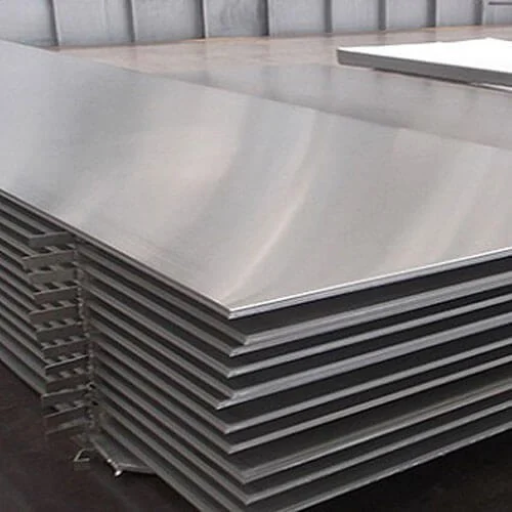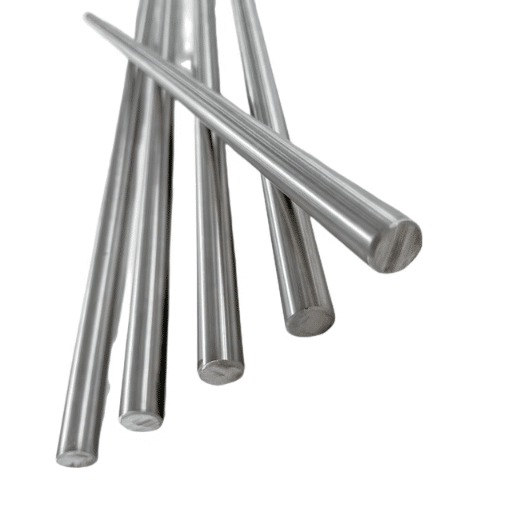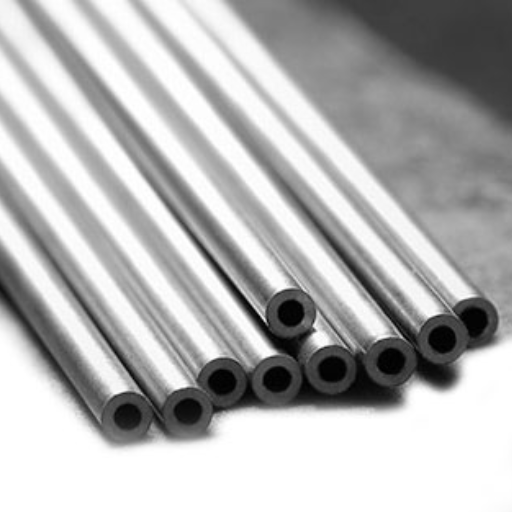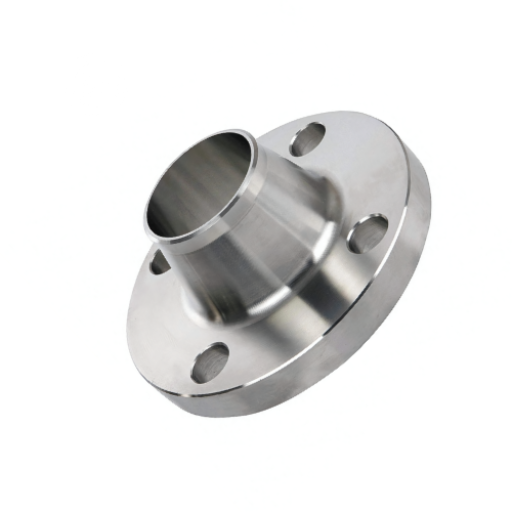
The manufacturing process for stainless steel requires manufacturers to treat quality as their most important requirement. At Zhongzheng, we deliver perfection because every sheet and coil and plate we produce must meet our exacting standards for precision and durability. The article will show our complete quality control system which uses modern technology and detailed inspection methods and our ongoing dedication to progress for producing flawless stainless steel products. This guide provides complete access to Zhongzheng’s quality assurance methods which establish the company as a leader in excellence while also showing customers our stainless steel solutions.
Introduction to Stainless Steel

What is Stainless Steel?
Stainless steel forms an adaptable and long-lasting metal combination which consists of iron and chromium plus additional materials including nickel and carbon and manganese. The metal contains a minimum chromium content of 10.5% which provides its most important feature because this combination makes the material immune to corrosion and rust. The chromium content creates a protective oxide layer which develops on the stainless steel surface and functions as a passive shield that protects the metal from deterioration which occurs when it comes into contact with air and moisture. The industrial sector uses stainless steel because it provides strength and visual appeal and requires little upkeep. The material proves essential for contemporary society because it finds use in kitchenware and medical tools and building supplies and vehicle parts.
History and Development of Stainless Steel
In the early 1800s scientists discovered that chromium brought corrosion protection benefits which initiated the development of stainless steel. The material did not achieve practical use until 1913 when Harry Brearley British metallurgist created the first authentic stainless steel alloy. Brearley discovered modern stainless steel through his experiments with gun barrel steel which showed that adding 11% chromium would protect the metal from rusting.
The development of stainless steel has progressed through research and technological advancements which started after its initial creation. Current industrial needs drive manufacturers to produce more than 150 different stainless steel grades which exist in today’s market. The current research initiatives focus on creating sustainable solutions through the development of improved recycling methods which also reduce production energy needs. The use of stainless steel began with cutlery production but it now serves as an essential material for industrial growth and architectural design including its application in the Chrysler Building and modern skyscrapers. The material continues to exist in modern times because it can adapt to different situations while maintaining its durable properties.
Importance of Stainless Steel in Modern Industry
The modern industrial sector depends on stainless steel because it provides superior strength and protects against corrosion while remaining affordable to use. The global stainless steel market reached a valuation of approximately $120 billion in 2022 which has been expanding because the material finds use in construction and automotive and medical and energy applications. Renewable energy technologies use this material which powers wind turbines and solar panels to create sustainable infrastructure development. The development of stainless steel technology has improved its recycling capabilities because more than 80% of stainless steel material gets recycled which helps to decrease environmental damage and lower energy use. The essential properties of stainless steel make it vital for all industrial activities that require new developments and environmentally friendly practices.
The Manufacturing Process of Stainless Steel

Raw Materials Used in Stainless Steel Production
The production of stainless steel requires essential raw materials which include iron ore and chromium and nickel and manganese. Iron ore serves as the primary component which chromium adds to create the corrosion-resistant property that defines stainless steel. Nickel strengthens the alloy while manganese improves its ability to be formed and its overall strength. Recycled steel serves as an essential material because stainless steel products maintain an 80 percent recyclable capacity which results in 80 percent of their production process using recycled materials. The industry demonstrates its dedication to environmental sustainability through its dependence on recycled materials. The combination of these raw materials together with advanced metallurgical processing methods creates stainless steel which demonstrates its capacity to perform various industrial applications.
Steps in the Manufacturing Process
The manufacturing process of stainless steel consists of three essential steps which help to establish its strength and durability and versatile applications. The first step is melting and casting, where raw materials like iron ore, chromium, nickel, and recycled steel are melted together in an electric arc furnace at high temperatures. The foundry metal undergoes casting operations to produce semi-finished products which include slabs and billets and blooms.
The hot rolling process begins when operators heat the semi-finished products before they undergo rolling operations which create thinner products that can be used as sheets and rods. The material undergoes annealing and pickling, which facilitates the material’s softening process while the chemical process removes all surface impurities, which results in better protection against corrosion.
The material may then go through cold rolling, which further refines its thickness and mechanical properties for specialized applications. The finishing processes which include cutting and polishing and coating mark the final stages of the project, which need to satisfy both industry standards and aesthetic requirements.
The advanced manufacturing processes used today enable stainless steel to maintain its position as the leading material for multiple industries because it achieves functional performance while maintaining sustainable manufacturing practices. The latest search results show that stainless steel recycling maintains a high global rate, which proves the material’s value for environmentally friendly production methods and its role in circular economy systems.
Quality Control in Stainless Steel Manufacture
Quality control in stainless steel manufacturing serves as an essential process which guarantees that the finished product complies with strict industry standards. The process requires extensive testing and evaluation throughout different manufacturing stages which start from raw material selection and continue through melting and shaping and end with final finishing. Companies use advanced techniques which include non-destructive testing (NDT) and spectrometry for chemical composition analysis and ultrasonic testing to find internal defects.
The most recent search engine data shows that quality assurance practices now use artificial intelligence and automation to boost their accuracy and operational speed. AI-powered systems can analyze large sets of production data in real-time to find potential defects which helps to minimize material wastage. The process of integrating technology into production facilities enables manufacturers to improve their stainless steel products while achieving their sustainability goals and technological progress. The implementation of contemporary equipment assures the ongoing reliability and superior performance of stainless steel across multiple industrial uses.
Types of Stainless Steel Alloys

Common Stainless Steel Grades
Stainless steel has multiple grades because its composition and physical properties create different industrial applications. The most widely used stainless steel grades include the following materials:
- 304 Stainless Steel: This grade delivers outstanding protection against corrosion together with various uses which enable its application in both kitchen equipment and food processing facilities and architectural design work. The material achieves exceptional durability through its elevated levels of chromium and nickel metallurgical composition.
- 316 Stainless Steel: The material provides better protection against chloride attacks and marine conditions because of its superior corrosion resistance, which makes it appropriate for both chemical processing operations and marine equipment manufacturing and medical device production. The material achieves better performance through its molybdenum content, which lets it withstand severe environments.
- 430 Stainless Steel: The ferritic stainless steel material provides adequate corrosion resistancewhich makes it an economical choice for producing household appliances and car parts. The material contains no nickel which results in reduced manufacturing expenses yet its capacity to withstand extreme conditions is compromised.
- 410 Stainless Steel: The material demonstrates high strength characteristics together with excellent wear resistance, which makes it appropriate for use in cutlery and valve production and high strength machinery applications. The material exhibits lower corrosion resistance abilities than the austenitic grades.
The available stainless steel alloys include the mentioned grades, which serve specific operational needs that depend on the environmental conditions and industrial uses.
Properties and Applications of Different Alloys
The properties of different alloys create unique advantages which various industries use for their needs. The design of each alloy requires specific metal combinations which produce desired properties including strength and corrosion resistance and thermal stability and machining ease. The following section presents essential examples which demonstrate popular alloys and their actual uses:
- Bronze: This alloy which contains mainly copper and tin shows both excellent resistance to corrosion and high durability. Its seawater resistance and visual appeal make it a preferred material for manufacturing bearings and ship fittings and musical instruments.
- Aluminum Alloys: These alloys provide lightweight materials which resist corrosion and serve multiple purposes in aerospace and automotive and construction fields. The materials serve as perfect solutions to build aircraft frames and heat exchangers because of their strength-to-weight ratio and thermal conductivity.
- Titanium Alloys: Medical implants and aerospace parts and marine equipment use titanium alloys because they provide outstanding strength and corrosion protection and biocompatibility. The material selection process depends on its ability to endure extremely challenging situations which makes it suitable for advanced performance tasks.
- Nickel Alloys: The combination of nickel with chromium and iron and molybdenum creates these alloys which provide exceptional resistance to both corrosion and high temperatures. The chemical processing industry and gas turbine systems and power generation equipment depend on these items as essential components.
The selection of alloy material requires assessment of application needs which include evaluation of operational environment and assessment of mechanical load and determination of thermal conditions. Metallurgy research has developed new methods which create better alloy properties while enhancing their ability to meet the requirements of contemporary technological advancements.
Corrosion Resistance in Stainless Steel
The exceptional corrosion resistance of stainless steel derives from chromium which creates the protective barrier against environmental elements. When chromium comes into contact with oxygen it develops a protective chromium oxide layer which protects the metal surface from environmental elements. The passive layer protects the material by blocking moisture and air and other corrosive agents from entering and causing harm.
The performance of stainless steel in corrosive environments depends on three factors which include chromium content and nickel and molybdenum content and stainless steel grade. For example, grade 316 stainless steel, which contains molybdenum, is particularly effective in resisting chloride-induced corrosion, which occurs in marine and industrial environments. The main maintenance activities, which include regular cleaning and protection against harsh chemical contact, enable stainless steel to maintain its corrosion resistance, which helps its various industrial uses to remain dependable throughout its entire lifespan.
Fabrication Techniques for Stainless Steel Products

Casting and Forging Methods
Two main techniques used to create stainless steel products through manufacturing processes are casting and forging because both methods provide different benefits which suit various industrial requirements. The casting process creates shaped stainless steel products through the method of pouring molten metal into molds which create complex designs that are difficult to produce using other production techniques. The process produces highly detailed components which include pump casings and valve bodies and the process finds its main usage in construction and energy and aerospace industries. The application of modern casting techniques through investment casting and sand casting methods enables foundries to produce precise dimensional results and high-quality surface finishes.
The forging process creates stainless steel products through the application of hot or cold compressive forces which shape the metal. The process of forging creates parts which display enhanced mechanical characteristics through improved strength and impact resistance, which makes these parts appropriate for use in high-stress applications that include shafts and gears and fasteners. The industry uses advanced manufacturing techniques that include open-die forging and closed-die forging to create strong parts which have no defects for use in the automotive industry and oil and gas sector and heavy machinery production.
The fabrication techniques use precise control to maintain material integrity which allows stainless steel products to meet industrial requirements that modern industries demand.
Rolling: Cold Rolled vs Hot Rolled Stainless Steel
The manufacturing process for stainless steel needs rolling because the technique determines both the material characteristics and the uses of the product. The two primary methods, cold rolling and hot rolling, differ in their processes, benefits and end uses.
Hot Rolled Stainless Steel needs processing at temperatures which exceed the metal recrystallization point. This method enables operators to manufacture large sections into required shapes, which makes it suitable for creating structural components that need strength in construction and shipbuilding work. The production costs for hot rolled steel become lower because its surface finish and dimensional accuracy remain less precise than other options because its production costs remain cheaper for bulk manufacturing.
Cold Rolled Stainless Steel needs processing at room temperature which starts after the first hot rolling of the material. The technique produces better surface results which improve material measurements and its physical properties which include strength and hardness. Cold rolled stainless steel serves as a material for applications which demand both high quality and exact specifications which includes appliances and automotive components and decorative architectural features. The extra operational steps which cold rolling processes need result in higher operational costs when compared to hot rolling processes.
The industry depends on both methods which require users to choose between cold rolled and hot rolled stainless steel based on their specific application needs which include strength requirements and finishing standards and precision needs and cost constraints.
Work Hardening and Its Effects
The process known as work hardening or strain hardening results in metals becoming stronger through their experience of plastic deformation. The process creates a new metal structure which prevents further deformation while it improves the metal’s strength properties through dislocation density growth. Work hardening applies to cold working methods such as cold rolling because this process shapes metals at temperatures which stay below their recrystallization temperature.
Work hardening produces two primary effects which include tensile strength and hardness increases while ductility decreases. These changes make the material more resistant to further shaping or deformation but also improve its ability to withstand higher stresses. The industry uses work-hardened materials in applications which need both durability and wear protection. These applications include springs, fasteners and specific machinery components.
Based on recent data, industries are increasingly leveraging work-hardened materials due to their ability to perform under challenging conditions without requiring additional heat treatments. The industry needs to establish proper management procedures which will maintain the necessary balance between hardness and ductility for effective operations. The process of annealing helps to achieve optimal performance because it enables materials to regain some of their ductility after deformation while preserving their essential strength properties.
Applications of Stainless Steel Products

Industrial Applications of Stainless Steel
Stainless steel provides essential benefits to numerous industrial sectors through its exceptional capabilities which include high strength and long-lasting durability and complete protection against rust. Recent data shows that construction and automotive and chemical processing industries are the top stainless steel consumers. The construction industry uses stainless steel to create structural components and exterior cladding and reinforcing bars which builders need for high-performance buildings. The automotive industry uses stainless steel to make its exhaust systems and fuel tanks and decorative trims because it can withstand extreme temperatures and dangerous chemical exposure. The chemical and petrochemical industries use stainless steel to build their processing equipment and tanks and piping systems because it provides long-lasting protection when they work with dangerous materials. The combination of strength and corrosion resistance and aesthetic design options has established stainless steel as an essential material for these different industrial applications.
Consumer Products Made from Stainless Steel
Stainless steel serves as an essential material for creating various consumer products because it offers protection against damage together with rust resistance and maintains its contemporary appearance. Manufacturers depend on stainless steel to produce kitchenware dining utensils and kitchen equipment because the material provides hygienic advantages and enables quick cleanup. Stainless steel serves as the primary material for modern smartphones and smartwatches because it combines durability with stylish design. People choose stainless steel for their furniture and water bottles and jewelry because it keeps its shiny appearance throughout time. The product maintains its attractiveness which drives ongoing demand for it in various consumer products.
Innovations in Stainless Steel Applications
The recent advancements in stainless steel applications have led to its usage in entirely new applications because of developments in technology and new innovations which emerged from these advancements. The renewable energy sector has experienced expansion because stainless steel has become essential for producing wind turbine components and solar panel support systems and geothermal systems, which rely on its strength and corrosion resistance and sustainable properties. The medical field has experienced advancements through the development of stainless steel surgical instruments and implants and biocompatible materials which treatment professionals now use because these materials provide extended service and require minimal maintenance.
Researchers achieved better stainless steel products through their research work which produced new alloy compositions and new surface treatment methods. The surfaces of stainless steel now possess self-cleaning abilities because of nanotechnology treatments which also provide antimicrobial protection. The advanced applications of stainless steel demonstrate that this material has developed from its original purposes to meet current requirements while maintaining its traditional reputation for strength and reliability.
The multiple uses of stainless steel will enable its development into new applications which will emerge throughout future technological progress.
FAQ
How does metal selection affect stainless steel manufacturing?
Metal selection is essential because manufacturers need specific raw materials for different stainless steel types and they use steel scrap materials to create their required chemical composition. The stainless steel manufacturing process begins with determining melting points and then using controlled furnaces to pour molten steel which prevents production defects. During heating steel develops a mill scale and an oxidized surface layer which requires precise control of subsequent annealing and recrystallization temperature processes to eliminate internal stresses. The melt refinement process uses argon oxygen decarburization and argon gas to eliminate contaminants from the molten material. The manufacturing process requires selection of appropriate sheet metal and stainless steel coil feedstock because it determines the manufacturing process and the resulting stainless steel product appearance.
What should you know about american stainless supply chains and quality control?
American stainless producers implement rigorous quality stainless protocols, including testing for resistant to corrosion performance and verifying composition against standards for duplex stainless steel or other stainless steel types. The quality control process begins with incoming steel scrap inspections which continue until the final product undergoes chemistry verification for cast steel and molten steel during production operations. Steel mills and steel works typically document production methods such as multi-step process sequences and annealing to ensure stainless products meet specifications. The steel technicians create custom metal processes by adjusting annealing and decarburization methods which allow them to manage stainless steel material properties. The manufacturing process requires traceability and compliance with stainless steel production standards to achieve superior quality stainless steel materials for industrial use.
How do steel mills influence the production of quality stainless components?
Steel mills determine how well they produce stainless steel components through their control of their furnace operations and their processes for refining materials and their choice of feedstock which includes mild steel blends and alloys for stainless steel production. The production method used for stainless steel at each mill determines the microstructure and material characteristics of stainless steel which include its corrosion resistance and mechanical strength. Mills control their pouring processes through molten steel temperature management and recrystallization temperature control during steel annealing which allows them to achieve better stainless steel finishes by reducing internal stresses. The stainless products which manufacturers can create depend on the stainless steel sheets and stainless steel coils and steel wire which mills make available. The cooperation between mills and custom manufacturing processes helps to achieve optimal results with stainless steel material when used for specific manufacturing needs.
What procedures should quality stainless manufacturers follow to create stainless products which resist corrosion?
The selection of proper stainless steel types together with precise control of alloying elements during stainless steel production establishes the basis for achieving corrosion resistance in stainless products. Post-production treatments such as passivation or phosphoric acid cleaning can remove mill scale and surface contaminants to improve performance in corrosive environments. The steel annealing process together with internal stress control through controlled cooling and recrystallization temperature management protects against stress corrosion cracking. The use of high-grade stainless steel and the selection of appropriate stainless steel finishes for specific manufacturing needs boost durability. The combination of regular testing with adherence to standard industry production procedures establishes that the supplied stainless steel material meets the required corrosion resistance standards.
Where are products are made and how does that affect custom metal manufacturing?
The location of product manufacturing facilities determines two key aspects of custom metal production which include the duration needed for production and the materials that can be used and the types of stainless steel parts that can be manufactured. Local mills provide nearby manufacturing applications with both stainless steel sheets and stainless steel coils and certain types of stainless steel, while faraway producers concentrate on furnishing duplex stainless steel and cast steel products. The production processes used, such as argon oxygen decarburization or multi-step process routes, influence final properties and what custom manufacturing can achieve. For bespoke stainless products, close cooperation with steel technicians and suppliers ensures the right combination of stainless steel production method, molten steel chemistry, and finishing processes. The supply chain research which starts from basic materials to final stainless products enables manufacturers to achieve an equilibrium between production costs and product quality and delivery timeframes.
Reference Sources
-
PMC – NIH: Advanced Stainless Steel—From Making, Shaping, Treating to Applications – Covers topics like inclusions in steelmaking and advanced manufacturing techniques.
-
MDPI: Manufacturing and Applications of Stainless Steels – A collection of manuscripts from academic and industrial researchers on stainless steel manufacturing.
-
ResearchGate: Manufacturing and Critical Applications of Stainless Steel – Provides an overview of stainless steel development for critical applications and metallurgical aspects.