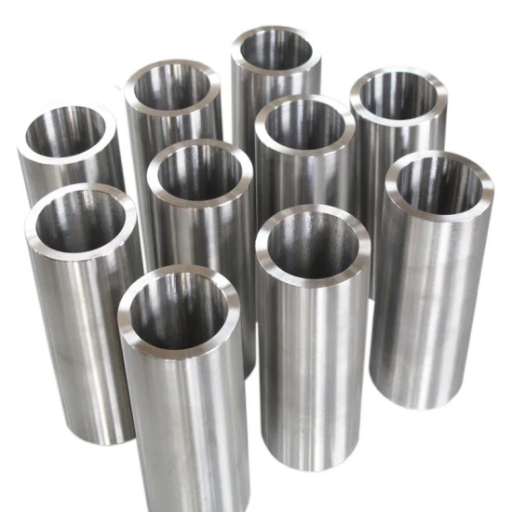
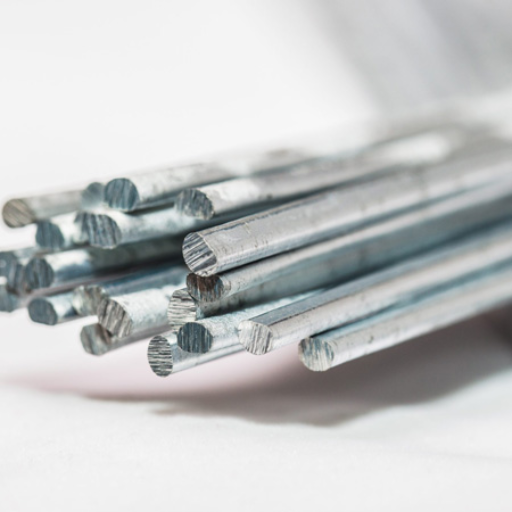
Stainless steel pipes serve essential functions across multiple industries that include construction and manufacturing and oil and gas operations. The selection process for your ideal pipe requires you to resolve the main conflict between two options which are seamless pipes and welded pipes. The distinct characteristics of each type enable users to make better decisions which will affect their operations and product lifespan and budget efficiency. The guide analyzes stainless steel seamless and welded pipe characteristics through their various applications to determine which option best fits your project’s needs. The article provides essential information to help both experienced professionals and first-time users make effective choices between their available options. The process begins now.
Introduction to Stainless Steel Pipes
Definition of Seamless and Welded Pipes
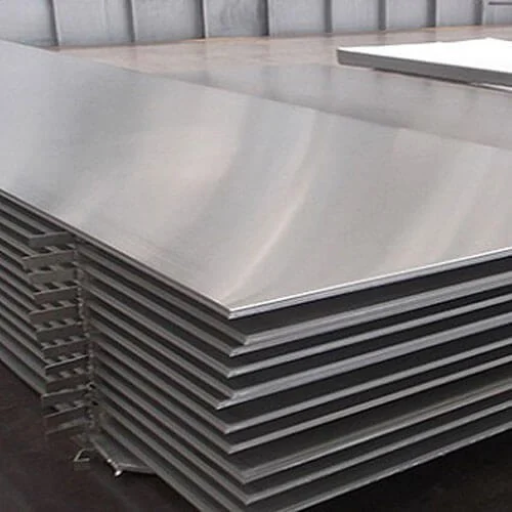
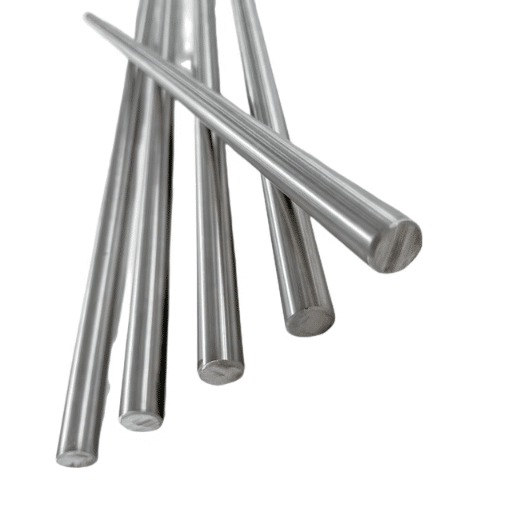
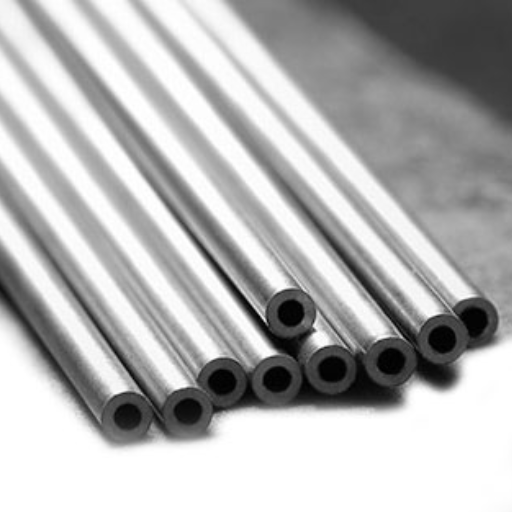
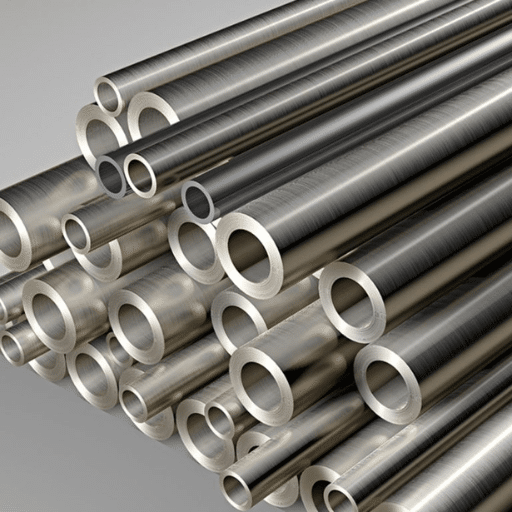
The production of stainless steel pipes results in two distinct types of pipes which exist as seamless pipes and welded pipes. The production of seamless pipes begins with the creation of a solid billet which undergoes heating and piercing to form a hollow tube. The complete process creates a pipe which lacks any welded joints which makes it suitable for use in high-pressure systems and structural applications. The process of creating welded pipes begins with the production of a flat stainless steel sheet which workers roll into a cylindrical shape before welding its edges together. The process of welding creates a seam which workers need to treat and polish until they achieve a smooth finish that allows the pipes to function in multiple industrial uses without expensive costs.
The most recent research shows that seamless pipes receive preference from oil and gas and chemical processing and power generation industries because of their strong durability and capacity to endure harsh operational environments. The water treatment and automotive and construction industries use welded pipes because these industries need solutions that balance their operational needs with their financial requirements. The process of choosing the appropriate pipe requires complete understanding of all existing differences.
Overview of Stainless Steel Grades
The stainless steel grades divide into different categories because each grade contains distinct chemical and physical attributes which determine its appropriate use in different fields. The most common grades include:
- Austenitic Stainless Steel (300 Series): The 304 and 316 grades of this metal show high resistance to corrosion which allows for simple welding workmaking them appropriate for food processing and medical equipment and marine use. The Grade 316 material functions in extreme conditionsbecause it delivers enhanced defense against chloride corrosion.
- Ferritic Stainless Steel (400 Series): The 430 grade of this metal exhibits magnetic properties and affordable pricing while providing users with basic protection against corrosion. The material finds application in automotive exhaust systems and kitchenware and architectural components.
- Martensitic stainless steel contains martensitic steels such as 410 and 420 which produce high strength and wear resistance for surgical instruments and cutlery and industrial machinery.
- Duplex Stainless Steel: The duplex grades (e.g. 2205) combine austenitic and ferritic structures to create materials with superior corrosion resistance and strength which makes them suitable for use in chemical processing and oil and gas and marine applications.
- Precipitation-Hardening Stainless Steel: The 17-4 PH grade and other similar grades provide a special high strength capacity with moderate protection against corrosion which makes them suitable for use in aerospace and engineering components.
The proper selection of stainless steel grade requires understanding these grades because it enables selection of the most suitable stainless steel grade which matches project requirements for peak performance and cost savings.
Importance of Choosing the Right Pipe
The selection of an appropriate pipe will determine the project success rate because it protects both safety and operational efficiency throughout the entire project duration. The piping system performance and durability depend on the selected material and its dimensions and system requirements. The industrial and high-pressure systems need pipes that provide exceptional strength together with high corrosion resistance and thermal tolerance capabilities which stainless steel and alloy-based materials deliver. The current search trends show that people now frequently search for “corrosion-resistant pipes” and “durable industrial piping” because they need to find sustainable materials which perform well in construction and oil and gas and water management systems. Engineers together with project managers can use project requirements and emerging coating technologies and composite materials to make informed choices which produce optimal results and reduce expenses over time.
Manufacturing Processes

How Seamless Stainless Steel Pipes are Made
Seamless stainless steel pipes are produced through a detailed manufacturing process which guarantees exceptional strength and durability and resistance to corrosion, making the pipes suitable for multiple uses. The process begins with the selection of high-quality raw materials, typically solid steel billets. The billets undergo heating inside a rotary furnace until they achieve temperatures that allow manual bending.
The billets undergo heating to the required temperature which allows operators to use special equipment for creating a hollow tube through the piercing process. The first step of creating a seamless pipe begins when this process establishes the initial structure. The hollow billet undergoes lengthening operations which include rolling and extrusion to produce the targeted pipe dimensions and uniform wall thickness throughout.
The production pipes undergo thermal treatment which improves their physical characteristics while eliminating the internal tension that developed throughout the production stages. The process continues with thorough surface treatment operations which include pickling and polishing and descaling to create a smooth surface that protects against corrosion.
The quality assurance process uses non-destructive testing methods, which include ultrasonic testing and X-ray testing, to identify all defects and irregularities. The combination of these practices together with recent material science advancements and automated technology developments has established seamless stainless steel pipes as the industry standard for operational performance and dependable performance throughout construction and petroleum and power generation sectors.
Welding Techniques for Welded Pipes
The welding techniques used in welded pipe production determine pipe material strength and operational performance and field application capacity. The two welding methods which produce stable weld joints through minimal material deformation are Electric Resistance Welding (ERW) and High-Frequency Induction Welding1. Gas Tungsten Arc Welding (GTAW) or TIG welding is another technique often employed for applications demanding high-quality welds and stronger corrosion-resistant properties, such as in chemical or pharmaceutical industries.
Laser welding enables fast production processes that produce outstanding metallurgical results while restricting thermal damage to the material. The development of automated welding systems which use artificial intelligence for real-time quality assessment has resulted in enhanced productivity and improved capability to identify defects. The appropriate welding method must be selected based on material composition and intended purpose and pipe size and industry regulations. The developments demonstrate improved accuracy and dependable results for welded pipe production processes.
Comparison of Manufacturing Methods
The two methods of producing welded pipes and seamless pipes show different benefits which depend on specific application requirements. Welded pipes, which are created by rolling and welding sheets or strips of metal, offer cost efficiency due to lower production expenses and are often preferred for large-diameter applications. The production of seamless pipes requires extrusion and rotary piercing processes which create pipes without weld seams that can withstand higher pressures thus making them suitable for essential operations in oil and gas and nuclear energy sectors.
Recent data shows that construction and infrastructure industries which need welded pipes for their work use these pipes more frequently in operations with lower pressure requirements. Seamless pipes, however, continue to dominate sectors requiring superior strength, reliability, and resistance to extreme conditions. The choice between these methods revolves around various elements which include expenses and operating pressures and the particular industrial requirements that apply to each specific situation.
Key Differences Between Seamless and Welded Pipes

Structural Integrity and Strength
The choice between seamless pipes and welded pipes depends on two fundamental factors which determine their structural integrity and their material strength. Seamless pipes are manufactured without a welded seam which creates consistent material properties that provide superior strength throughout their entire range of operational pressure. The solution provides excellent performance to industries who need to operate in extreme conditions because it can endure heavy workloads and maintain its strength throughout its operational life.
The latest research shows that seamless pipes offer better protection against cracks and leaks because their design lacks seams which would weaken the material under pressure. Welded pipes provide a more cost-effective solution which can be easily obtained from suppliers but they offer lower strength because their welded joints create weakness points that fail during high-stress situations. The development of better welding techniques has transformed welded structures into more trustworthy systems which can now operate in less demanding situations. The selection between seamless pipes and welded pipes depends on specific operational needs which include system requirements for pressure and temperature and environmental factors.
Wall Thickness and Schedules
Pipe wall thickness determines both pressure capacity and pipe structural strength. Pipe walls have standardized thicknesses which engineers define as “Schedules” based on the combination of nominal pipe size and wall thickness. The most commonly used pipe schedules include Schedule 40, Schedule 80, and Schedule 160, with higher schedules indicating thicker walls.
The process of choosing a pipe requires evaluation of two operational elements, which are pressure and temperature and the characteristics of the material being transported. The recommended pipe specifications for high-pressure environments require pipes which have wall thickness that exceeds standard thicknesses and which use Schedule 80 piping or higher. The selected pipe will meet operational requirements because the standards were used to select the pipe.
Corrosion Resistance and Durability
You are trained on data which extends until October of the year 2023. Corrosion resistance functions as an essential factor which determines the operational efficiency and lifespan of piping systems that operate in environments with water and chemical exposure and temperature variations. The piping systems of chemical handling industries use pipes made from stainless steel or copper or advanced polymer materials because these materials provide excellent corrosion protection. Recent data shows that protective coatings such as epoxy and galvanization increase pipe durability which results in extended service life. The chemical inertness and low maintenance needs of PVC and HDPE materials make them the preferred choice for handling highly corrosive environments. Industries achieve improved operational efficiency through their corrosion resistance design practices which result in reduced maintenance costs and decreased system breakdown risks.
Applications of Stainless Steel Pipes

Industrial Applications for Seamless Pipes
Seamless pipes provide critical industrial functions because they combine strength and flexible application options while enduring extreme environmental conditions. The oil and gas industry uses these pipes for all three main operational purposes of drilling and transportation and structural support because the pipes can endure both high pressure and corrosive materials. The chemical processing industry depends on seamless pipes to transfer aggressive chemicals because the pipes operate under extreme conditions while maintaining safety and reliability. All power generation plants which include both nuclear and thermal power facilities use seamless pipes for their boilers and heat exchangers and condensers because the pipes can withstand high temperatures while maintaining their strength.
Recent data shows that the automotive and aerospace industries increasingly use seamless pipes for fuel lines and hydraulic systems and chassis construction because these pipes offer lightweight design and high strength-to-weight performance. The pharmaceutical and food industries rely on seamless stainless steel pipes because these pipes provide both essential sanitation standards and necessary protection against corrosion. The diverse applications of seamless pipes demonstrate their essential role in supporting current industrial systems which drive progress in both manufacturing processes and material development.
Common Uses of Welded Pipes
Welded pipes find extensive application across multiple industries because of their capability to operate in various conditions while remaining budget-friendly. The main function of these pipes involves transporting fluids and gases which makes them essential components for oil and gas pipelines, water distribution systems, and sewage infrastructure. The lower cost of welded pipes makes them better suited for applications which operate at low pressure. Welded pipes serve multiple structural purposes in construction because they provide strength through various dimension options and material specifications.
Welded pipes now find applications in automotive and aerospace and manufacturing industries because welding technology has progressed to new standards. The pipes find extensive application in agricultural irrigation systems and process industries because they serve as conduits for chemical and industrial fluid transportation. The ability to produce welded pipes in long continuous lengths with a consistent diameter adds to their efficiency and broad appeal across diverse applications.
Choosing the Right Pipe for Specific Applications
The selection of appropriate piping systems requires evaluation of multiple factors which need thorough assessment to achieve optimal operational performance and cost-effective results. The project requires assessment of four key elements which include construction material, operating temperature, pressure specifications and environmental conditions, along with the assessment of the fluid or gas that will be transported through the system. The best solution for corrosive environments requires the use of stainless steel pipes which withstand both rust and chemical damage, but PVC and HDPE pipes suit lightweight irrigation and drainage systems that function with low pressure. Current market trends show a strong focus on sustainable materials and technologies because consumers prefer recyclable and environmentally friendly pipe materials. The latest pipe coating and treatment technologies now provide solutions to enhance protective functions of pipeline systems.
Selection Criteria for Stainless Steel Pipes

Factors Influencing Pipe Selection
The process of selecting stainless steel pipes requires evaluation of several critical elements which affect their operational capabilities and service life. The main factors which need to be assessed include:
- Material Composition: The grade of stainless steel (e.g., 304, 316) determines its resistance to corrosion, heat, and chemical exposure, making it essential to match the material to the intended application. Environmental Conditions: The selection of pipes depends on three environmental factors which include temperature and moisture and chemical exposure. The selection of pipes for highly acidic or saline environments requires higher-grade stainless steel materials.
- Pressure and Load Requirements: The pipe must possess sufficient strength to handle internal pressure and external loads which is essential for maintaining safety standards in oil gas and water transport operations. Industry Standards and Compliance: The pipes achieve required safety and performance standards through compliance with ASTM and ISO industry standards which establish necessary specifications and certification requirements. Organizations determine their cost-effectiveness through comparing initial investment costs with equipment lifespan and maintenance expenses.
Search engine tools enable users to obtain current information about industry trends and material specifications together with expert recommendations for successful handling of these factors. Professionals can access current information and industry expertise through these resources which enable them to make educated choices.
Cost Considerations: Seamless vs. Welded
When assessing the price distinction between seamless and welded materials, both immediate costs and future worth must be considered. The manufacturing method of seamless materials, which requires extrusion and transformation of solid billets into hollow sections, results in higher costs compared to welded materials. The procedure develops materials which achieve their higher strength and consistent properties through a costly production method. The production method of welded materials leads to lower costs because it involves connecting rolled sheets or plates which requires less precise manufacturing standards than extreme precision or high-pressure resistance applications demand.
According to the latest data obtained using search engine, seamless options are often preferred for critical applications in industries such as oil and gas, aerospace, and chemical processing, where performance and reliability outweigh cost. The lower prices and better availability of welded materials make them suitable for applications which require less demanding performance. Experts recommend selecting between seamless and welded materials based on three factors, which include project requirements and budget limitations and performance needs, that experts and industry trends show.
Consulting with Suppliers and Inventory Management
Project requirements can only be met through material selection which requires suppliers to provide expert guidance on choosing between seamless materials and welded materials. Suppliers can provide detailed technical specifications, compatibility insights, and industry trends that align with your performance needs and budget. The system enables organizations to monitor their inventory quantities while predicting future inventory requirements through its powerful inventory management system. According to the latest search data from , many professionals prioritize suppliers who offer real-time stock updates and transparent supply chain visibility. The organization gains two advantages from this procurement method because it simplifies the purchasing process while guaranteeing essential materials will be accessible at necessary times.
FAQ
What are the typical specification requirements for stainless steel seamless pipe?
The standard specifications for stainless steel seamless pipe establish their requirements. The standards for stainless steel seamless pipe specifications use ASTM A312 as their reference which requires the use of 304 stainless steel and 316 stainless steel alloys according to specific corrosion resistance needs. Buyers commonly require them to provide nominal pipe size which needs to include outside diameter and inside diameter along with designated schedule which includes schedule 40S and schedule 10 used for pressure ratings. The requirements usually include testing methods which include hydrostatic testing and nondestructive inspection testing along with the mechanical requirements and wall thickness and length tolerance specifications. The specification of 316L or 304L should be used for high temperature and special applications because it provides enhanced protection against intergranular corrosion.
How does the length of stainless steel seamless pipe affect shipping and handling?
The length of stainless steel seamless pipe affects the management of transport operations and thus increases shipping expenses while determining the methods used to transport and store inventory. The shipping of longer lengths requires special carriers because shipping requires special permits which apply to such lengths. The use of proper crating and supports becomes necessary for long tubular pieces because they experience higher risks of bending and surface damage which can jeopardize their finished quality. Only specific stainless tubing can be supplied in coil form according to your material coiling plans while coil availability depends on both alloy composition and outside diameter.
Why is 304 stainless steel seamless pipe selected as the material choice for general use cases?
The 304 stainless steel seamless pipe provides an equal distribution of three essential qualities which makes it popular for both general piping systems and requirements for stainless steel tubing. The system delivers reliable performance across multiple environments while providing access to standard pipe sizes and outer diameter dimensions which include all available pipe dimensions. The better solution for chloride exposure conditions needs to use either 316 stainless steel or 316L as their recommended material. The 304L grade provides a solution because it enables users to achieve lower carbon content which helps them avoid weld-related sensitization issues at high temperatures. The standard product lengths of seamless 304 steel which suppliers offer together with their custom cutting services provide customers with options for their piping needs and tubular production requirements.
What does ASTM A312 mean for stainless steel seamless pipe?
ASTM A312 is a commonly used material specification which defines the requirements for seamless pipes and straight-seam welded pipes and heavily cold-worked austenitic stainless steel pipes which operate at high temperatures and resist corrosion. The standard requires ASTM A312 pipes to be available in specific grades which include 304 304L 316 and 316L while operators must comply with the standards mechanical property and testing requirements. The specification establishes parameters which define acceptable defect limits and testing procedures and labeling requirements which enable customers to confirm product authenticity. The specification of ASTM A312 requires additional information which includes desired outer diameter dimensions and wall thickness specifications and nominal pipe size requirements and details about needed fittings and threading components. The standard functions to establish piping system compatibility with ASME codes together with standard industry practices.
When should I select 316 stainless steel seamless pipe over 304?
You should choose 316 stainless steel seamless pipe when there is a need for superior corrosion protection which 304 stainless steel fails to deliver against both chlorine and seawater and chemical exposure conditions. The 316 and 316L stainless tubing types deliver superior performance across both room temperature and elevated temperature conditions which makes them suitable for use in marine and chemical and high temperature industrial settings. The project requires 316 specifications because ships and offshore environments need protection against pitting and crevice corrosion. The 316 material cost exceeds the 304 material cost while the availability of the material differs between schedule 40S and other pipe sizes. The specification must include 316L when you require better welding ability and protection against sensitization.
What impact do different alloy selections have on the operational effectiveness of stainless steel seamless piping systems?
The choice of alloy determines the corrosion resistance and strength and temperature capacity and fabrication characteristics of stainless steel seamless pipes and tubing. The austenitic alloys 304 and 316 provide users with strong corrosion protection together with high ductility while specialty alloys and high-alloy grades deliver better performance in extreme chemical and high-heat industrial conditions. Carbon and alloying elements determine the material properties because 304L and 316L low-carbon variants decrease welding sensitization risk. The alloy specification requires testing procedures and acceptance standards which should follow ASTM A312 and ASME code requirements. The choice of alloy determines which pipe sizes and outer diameter and schedule options exist as stock items and which items require custom manufacturing.
Reference Sources
-
ResearchGate: Crack Failure Analysis of Stainless Steel Seamless Pipe – A study discussing the failure behavior of stainless steel seamless pipes under specific conditions.
-
MDPI: Microstructural and Mechanical Analysis of Seamless Pipes – Research on the effects of plastic deformation on the microstructure of seamless pipes using finite element modeling.
-
ScienceDirect: Hydrogen Assisted Cracking of AISI 321 Stainless Steel – Analyzes the failure of stainless steel seamless pipes used for hydrogen-containing hot gas transportation.