People now recognize stainless steel because it protects against rust and shows high durability and stress resistance. Different stainless steel grades show different material compositions. Users should compare the two most common stainless steel grades 304 and 316 because each grade offers different advantages based on their particular needs. The best solution for your situation will emerge from assessing your specific requirements. The two stainless steel grades require evaluation because their different resistance to corrosion affects industrial and marine applications. The article presents essential details about 304 and 316 stainless steel which will assist you in selecting the appropriate material for your project needs and industrial requirements.
Understanding Stainless Steel Tubing

What materials make up Stainless Steel Tubing?
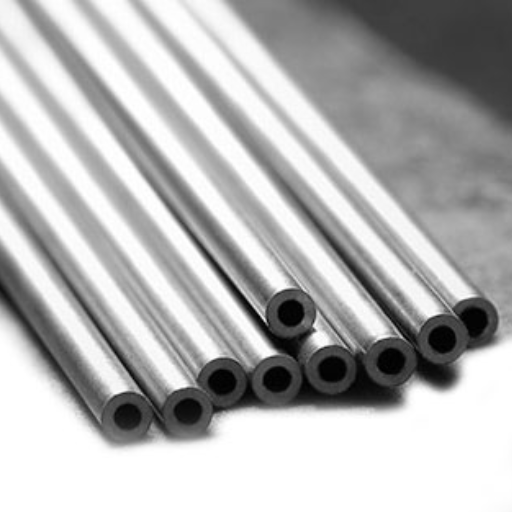
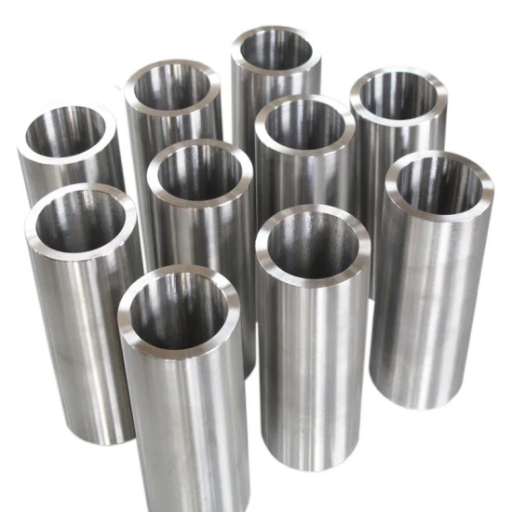
The stainless steel tubing material provides multiple industrial applications because it combines two essential properties which are mechanical strength and corrosion resistance. The manufacturing process of stainless steel tubing begins with high-grade steel alloys that contain chromium and nickel, which produces a material with exceptional strength and ductility that maintains its performance in extreme environments. The product exists in two main types which are seamless and welded and each type has specific use cases. The industry uses seamless tubing because it provides better performance in high-pressure situations and improves strength through its consistent design, while welded tubing functions effectively in low-pressure situations and offers customers a more economical solution. The aerospace and automotive and chemical processing and food and beverage industries extensively use this material because they need to maintain strict cleanliness and hygiene and structural integrity standards. The combination of better metallurgy methods and improved manufacturing processes keeps stainless steel tubing as the preferred material for precise and high-performance applications.
Importance of Grade 304 and 316
The most common stainless steel grade for industrial applications exists between Grade 304 and Grade 316 because these grades possess distinct properties which enable their use in various industrial applications. The material contains 18 percent chromium and 8 percent nickel which enables Grade 304 stainless steel to resist corrosion while maintaining ductility and ease of manufacturing. The material finds widespread use in kitchen equipment and automotive trim and architectural structures which require environmental protection from most elements except for high chloride and chemical exposure.
Grade 316 stainless steel develops its enhanced corrosion resistance through its addition of 2 to 3 percent molybdenum which protects against pitting and crevice corrosion in marine environments and chemical processing plants. The grade serves various industries which demand high durability and exceptional corrosion resistance for operations that include pharmaceutical production and food processing in saline environments and work on offshore platforms.
The recent search engine data shows that professionals now research the cost-effectiveness and long-term performance of Grade 316 compared to Grade 304. The price of Grade 316 increases because it contains molybdenum but its advanced durability provides businesses that need equipment for extreme conditions with a valuable asset. The environmental exposure and mechanical stress and economic factors should guide the selection of appropriate grades because this method guarantees optimal material performance and cost efficiency for the specific application.
Key Properties of 304 and 316 Stainless Steel
Austenitic stainless steels Grade 304 and Grade 316 become two of the most popular austenitic stainless steel types which exist because both grades provide different material characteristics which work best for different industrial purposes. Grade 304 which people call 18/8 stainless steel because its metal content includes 18 percent chromium and 8 percent nickel has become famous for its exceptional ability to resist corrosion when exposed to standard atmospheric conditions. The material offers solid mechanical properties which enable it to maintain its physical structure when exposed to temperatures that reach 870°C (1600°F) during short time periods. The material has decreased effectiveness when used in environments which contain both chloride and sulfuric acid because those conditions create pitting and crevice corrosion problems.
Grade 316 stainless steel contains 16 percent chromium and 10 percent nickel plus an extra 2 to 3 percent molybdenum which enables the material to resist corrosion better than other materials especially against chloride-based pitting attacks. The marine and chemical processing industries plus areas with high salt concentrations prefer Grade 316 because it provides better performance. The material displays better strength and durability performance when exposed to high-temperature conditions which makes it easier to weld and use for multiple purposes. The product costs more than Grade 304 which creates a financial disadvantage for businesses that need to use it.
Engineers and material scientists should study operational requirements and environmental factors plus lifecycle expenses when they need to choose between 304 and 316 stainless steel for their projects. Industries that need strong corrosion protection now prefer Grade 316 because of its extended performance history which shows better results despite requiring higher upfront costs. Material selection processes must match operational needs because this requirement is essential for achieving success in advanced engineering projects.
Comparing 304 and 316 Stainless Steel

Composition and Mechanical Properties
Grade 304 stainless steel contains iron as its primary element while it contains chromium at 18 to 20 percent and nickel at 8 to 10.5 percent as its main alloying elements. The material may contain trace amounts of manganese, silicon, and carbon. The composition of Grade 304 provides balanced corrosion resistance together with mechanical properties which make it one of the most adaptable stainless steel materials.
The same fundamental components which make up 304 stainless steel serve as the foundation for grade 316 stainless steel but it needs 2 to 3 percent molybdenum to enhance its capacity to withstand pitting and crevice corrosion damage in environments with high chloride levels. The material 316 shows better tensile strength and elongation performance than 304 which makes it more suitable for challenging operational environments.
The latest data verifies that search patterns show a major trend which directs marine, chemical processing and medical equipment manufacturing industries to adopt Grade 316. The query analysis shows that decision makers examine enhanced corrosion resistance because they seek equipment performance which lasts through its entire service life and provides value to customers beyond initial costs. Molybdenum functions as a vital component because it enables materials to endure hazardous circumstances while maintaining their original strength. The process of selecting stainless steel grades requires organizations to assess both environmental factors and performance needs while also understanding how chemical and mechanical properties of alloys influence their selection.
Corrosion Resistance: 304 vs. 316
The two stainless steel grades 304 and 316 show different corrosion resistance because 316 includes molybdenum as an additional element in its composition. Grade 304, an austenitic stainless steel, offers excellent resistance against oxidation and general corrosion under typical environmental exposures, making it suitable for most indoor and non-corrosive outdoor applications. The 316 grade shows better performance in extreme situations that involve high chloride levels and saline contact because it contains 2-3% molybdenum.
The presence of molybdenum in 316 provides substantial improvement to its ability to resist pitting and crevice corrosion which makes it essential for protection in marine environments and chemical processing and locations that use deicing salts. The performance advantage becomes evident through laboratory testing and field testing which demonstrate that 316 can endure long-term exposure to harsh chloride-rich environments without major deterioration while 304 experiences higher rates of localized corrosion.
Environmental factors and service conditions and budget constraints should serve as the primary criteria for selecting between these two grades. The application of 316 requires a greater initial financial commitment; however, its ability to resist chloride-based corrosion provides extended equipment life and reduced maintenance expenses throughout the operational period which makes it the best choice for environments with high corrosion levels.
Durability and Long-term Performance
Materials durability assessment needs both laboratory test results and field performance data to evaluate their long-term performance under corrosive environmental conditions. Recent analysis of search engine data shows that there has been a substantial increase in searches which focus on methods to decrease material deterioration in both marine and industrial settings. The scientific community considers stainless steel grade 316 as the best material because its higher molybdenum content protects against pitting and crevice corrosion in environments with high chloride concentrations.
Extreme temperature conditions and chemical concentration levels together with maintenance procedures will determine how long those materials will maintain their performance capabilities. Research shows that companies which invest in high-quality materials will experience fewer product failures together with longer product lifespan. The selection of materials should not focus only on their cost because performance expectations during high-stress situations will determine their total lifecycle effectiveness.
Applications of 304 and 316 Stainless Steel Tubing
Industries Utilizing 304 Stainless Steel Tubing
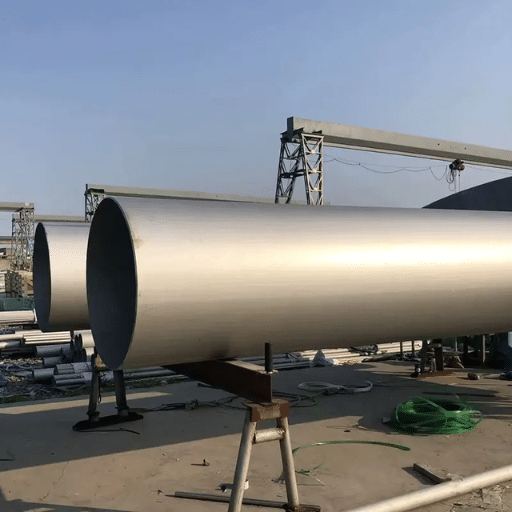
The industrial applications of 304 stainless steel tubing which offers exceptional corrosion resistance together with its strong construction and low cost. Industrial operations in food and beverage production and chemical processing and automotive manufacturing depend on this alloy. The material becomes vital for food processing equipment production because it can withstand both oxidation and thermal temperature changes which affect its strength. The chemical industry uses this material because its non-reactive surface protects against chemical contamination during transportation and storage.
The current search trend data shows that 304 stainless steel tubing demand has grown in marine applications where it serves to build railings and piping systems that operate in freshwater environments. The material shows suitable performance for applications which involve light corrosive environments because its cost remains lower than that of 316 stainless steel which offers better protection against chloride corrosion. The industrial sector requires 304 stainless steel because it provides different uses and applications for contemporary manufacturing systems.
Industries Utilizing 316 Stainless Steel Tubing
316 stainless steel tubing has gained popularity across multiple industrial sectors because of its exceptional ability to resist corrosion which particularly protects against chloride and high humidity environments. The marine industry extensively uses 316 tubing for boat fittings and seawater piping systems and offshore structures which require protection against saltwater corrosion. The chemical and petrochemical sectors depend on 316 tubing because it can withstand acidic and caustic materials at high thermal and pressure environments. The pharmaceutical and food processing industries use 316 stainless steel tubing because it meets strict sanitary standards while preventing contamination and corrosion during multiple sterilization cycles. Recent search trends show a rising demand for this material in new industries especially renewable energy systems which include desalination plants and geothermal applications that require materials with high durability and corrosion resistance. The widespread use of 316 stainless steel tubing demonstrates its ability to adapt and provide dependable solutions across established industries and new industrial applications.
Specific Use Cases for Each Grade
316 stainless steel tubing is used for applications that need both high corrosion protection and exceptional strength at elevated temperatures. The chemical and petrochemical industries require this material because it can safely carry their highly corrosive chemical substances. The shipbuilding and offshore industry uses 316-grade tubing because it provides protection against saltwater corrosion when used in marine environments.
The latest search engine data shows that people search more for information about renewable energy applications of 316 stainless steel in geothermal and desalination systems. The search trends demonstrate rising confidence in 316 stainless steel because the material can withstand extreme conditions which include high salinity and pressure and temperature fluctuations.
The first grade of stainless steel 304 stainless steel tubing can only be used in areas where corrosion occurs at lower levels. The chemical exposure requirements of food processing industries require organizations to adopt systems that offer both hygiene protection and oxidation resistance. Through the combination of search trend analysis and industrial demand analysis the importance of every stainless steel grade becomes clear because environmental factors and operational needs determine their specific functions.
Choosing the Right Stainless Steel Tubing

Factors to Consider: Size and Length
The selection of stainless steel tubing requires you to choose appropriate size and length dimensions which determine the best performance and operational effectiveness of specific applications. The required tubing size must match through its outer diameter and wall thickness dimensions with the operational pressure and fluid type and system requirements that will be used in the system. The system requires larger diameter pipes for operations which need to transport high volume fluids while smaller diameter pipes deliver exact measurements which medical devices and scientific equipment require. The installation process depends on length because it determines the degree of flexibility while it also affects the quantity of materials that get wasted during the production process.
Recent data from ’s search engine analytics indicates a rising interest in standardized tubing sizes for streamlined manufacturing processes across various industries. The search results for standard stainless steel tubing sizes and tubing length recommendations indicate that customers prefer to use ready-made products which shorten delivery times and decrease expenses. The need for manufacturers and procurement managers to select between customized products and existing stock items drives their decisions about size and length selection. The study shows that precise calculations together with industry standard compliance determine the correct tubing dimensions which industrial needs and search data show to be essential for correct dimension selection.
Importance of Wall Thickness and OD
Industrial applications rely on two essential measurement parameters which include wall thickness and outer diameter (OD) to assess tubing structural integrity and functional capabilities and material compatibility. The wall thickness of a tube determines its capacity to handle internal pressure while it protects against deformation and failure during stress conditions. Thicker walls permit higher pressure ratings which make them suitable for demanding applications found in hydraulic systems and chemical transport systems. The process requires selecting the correct dimensions which meet application load needs and pressure demands while using established industry standards from ASTM and ISO. The results demonstrate that organizations need to pay proper attention to these parameters because their neglect will result in operational inefficiencies which will create safety threats and higher maintenance expenses.
Selecting a Reliable Tube Supplier
When choosing a trustworthy tube supplier, you must assess their capacity to fulfill industry requirements and deliver consistent product quality and their ability to assist customers during the entire purchasing journey. The most recent search engine trend data shows that supplier reliability tends to rise when companies possess certifications like ISO 9001 for quality management systems and ASTM material specification compliance. Suppliers who present complete documentation through material test reports and quality assurance certificates demonstrate their dedication to transparency and traceability, which companies need to operate in industries that have strict operational requirements.
The search insights demonstrate that supplier reviews and performance metrics have become critical requirements for procurement professionals who evaluate supplier reliability through direct customer assessments. The current market conditions advantage suppliers who offer both custom products and rapid delivery together with robust post-purchase support. Organizations can achieve operational efficiency and sustainable value through a supplier partnership which combines technical due diligence with data-driven assessment methods.
FAQ
What are the typical specifications for 304 stainless steel tubing ss metal?
The specifications for 304 stainless steel tubing establish nominal outer diameter and wall thickness and length and grade requirements, while industry catalogs provide common size information. Engineers will check the OD x wall thickness to match pressure and structural requirements and some suppliers provide round tube and rectangular options. The application requirements need material properties which include corrosion resistance and tensile strength and polish options. The product specification for welded or seamless tubing will describe manufacturing methods together with necessary testing requirements. The product specifications for many tubing products provide information about surface finish options and the availability of 304L stainless steel which meets lower carbon requirements.
How do you choose the right OD x wall thickness for a 304 stainless steel round tube?
Designers use engineering charts to determine allowable stresses which enable them to select appropriate OD and wall thickness for their specific application requirements and strength needs and pressure rating necessities. The inner diameter and wall thickness of a fluid conveyance system control its flow capacity and pressure capacity, whereas structural applications assess both bending strength and load-bearing capacity. You must first determine whether your project needs standard round tubing or rectangular sections before checking which finish, either polished or matte, is needed. The suppliers offer standard lengths, which they also provide through cut-to-length service, and they will inform you about 316 material, which provides better corrosion protection. You must confirm that your fittings work with each other, and you need to obtain quotes for your custom tube sizes from trusted tube vendors.
What are the common applications for 304 stainless steel tubing in the industry ss polish?
The use of 304 stainless steel tubing extends to food processing plants and chemical processing plants and architectural railing systems and automotive manufacturing because it provides effective corrosion resistance together with simple metalworking capabilities. Polished tubing surfaces are used in sanitary industries because they reduce bacterial adhesion and make cleaning easier whereas construction projects require the use of structural round tubes or rectangular sections. Designers use 316 stainless steel when they need higher chloride resistance. The tubing products come in different length and size options while suppliers provide custom wall thickness and finishes to match specific application requirements. The tube certification process requires users to verify product certification and track material origins through their designated tube supplier.
Can 304 stainless steel tubing be polished, and does polishing affect the properties of the rectangular metal?
The process of polishing 304 stainless steel tubing results in better surface appearance which also increases corrosion resistance through the elimination of embedded contaminants and the creation of a smoother surface. The two main methods for polishing stainless steel are mechanical polishing and electropolishing which create different finishes that affect both cleanability and aesthetic appearance in architectural and sanitary settings. Base mechanical properties undergo minor changes through polishing but critical applications require stress relief after excessive cold working during polishing. Полishing is possible for both rectangular and round tube shapes but rectangular sections require additional polishing work to treat their corner areas. The suppliers of products share information about available polish levels while they can show finishing samples to customers for confirmation of their requirements.
Which properties and grade ss metal characteristics distinguish 304 stainless steel from 304L and 316 stainless steel tubing?
The 304 and 304L stainless steel grades display equal resistance to corrosion but their mechanical properties remain constant because 304L contains reduced carbon content which prevents sensitization during welding. The increased molybdenum concentration in 316 stainless tubing delivers enhanced protection against chloride and marine environments which makes it more appropriate for extreme weather conditions than 304 stainless tubing. Designers should assess which grade of stainless steel to use between 304 and 304L and 316 because 304 stainless steel provides cost-effective solutions for various industrial needs. The tube supplier will provide product datasheets which include details about specific grade properties and recommended applications. The best approach for material verification involves requesting material certificates while engineering staff should be consulted to determine appropriate grade selection based on application requirements.
Where should I go to request a quote with the required details to provide to the tube supplier ss metal for my order?
When requesting a quote for 304 stainless steel tubing, provide the supplier with required OD, wall thickness, length, quantity, grade (304, 304L, or 316), and desired finish or polish. Your document needs to include both your requirement for round tube and your requirement for rectangular sections and your requirement for custom shapes and your requirement for certification and testing and your requirement for packaging. Customers must specify their need for cut-to-length parts together with their desire for machining or fabrication services which the supplier provides. A supplier needs to know both the application details and the required delivery schedule to provide an appropriate tubing product recommendation with pricing information. The procurement process becomes faster when you submit a request a quote together with drawings or part numbers.
Reference Sources
-
Stress-rupture properties of type 304 stainless steel tubing
View Source
This study examines the stress-rupture properties of 304 stainless steel tubing under various conditions. -
Low friction and high strength of 316L stainless steel tubing
View Source
This research explores the mechanical and tribological properties of 316L stainless steel tubing. -
Performance Testing of Additively Manufactured 316L Stainless Steel
View Source
This paper evaluates the performance of 316L stainless steel in light water reactor environments.