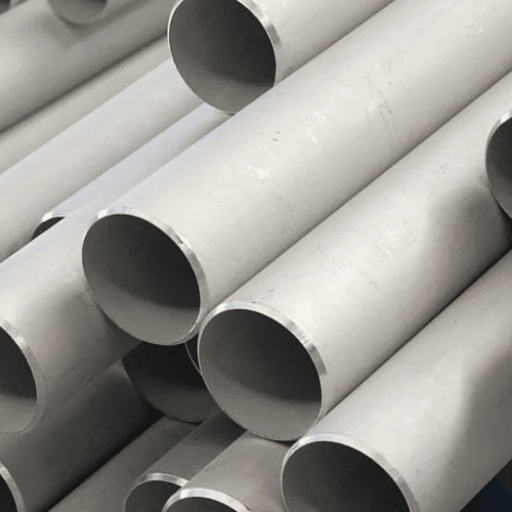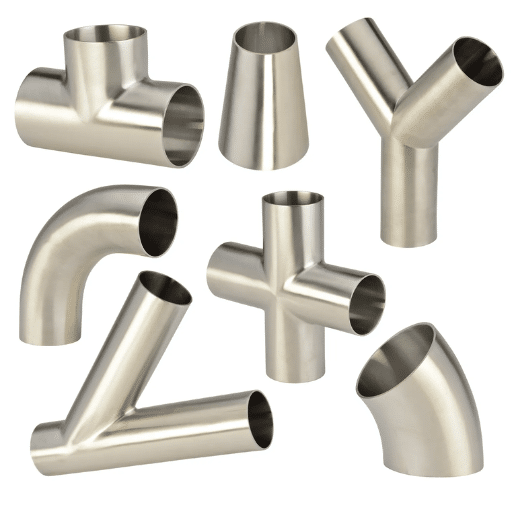
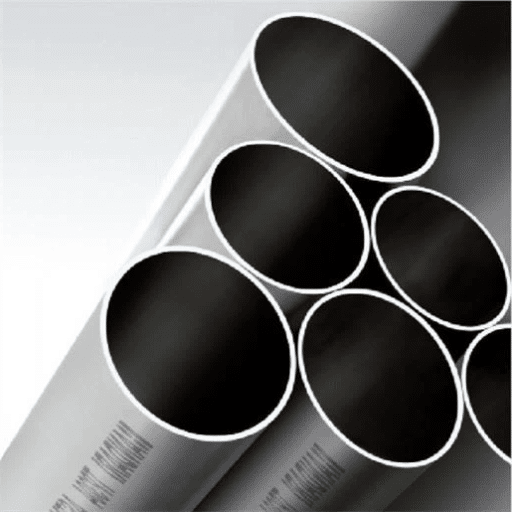
For stainless steel tubing selection purposes developers need to compare ASTM A312 and ASTM A269 standards because both standards define different industrial requirements. The two specifications serve different needs because they are used in multiple industrial applications. The ASTM A312 standard describes both seamless and welded austenitic stainless steel pipe manufacturing processes while ASTM A269 standard governs the production of seamless and welded austenitic stainless steel tubing used for general corrosion resistance and low or high-temperature applications. The article provides essential information about the main differences between these standards and their technical details and real-world uses to help users choose the best solution for their projects. The ability to differentiate between these two parts of your work will help you achieve better results in construction work and chemical processing work and manufacturing work.
Introduction to ASTM Standards

Overview of Stainless Steel Tubing Standards
The ASTM framework for stainless steel tubing standards establishes multiple standards which meet the specific requirements of different industrial sectors and operational applications. The three main standards include ASTM A213 and ASTM A269 and ASTM A511 which establish particular technical requirements and performance standards. The standard ASTM A213 establishes requirements for seamless ferritic and austenitic alloy tubing which manufacturers design for high-temperature applications because of its ability to withstand heat and maintain structural strength. The standard ASTM A269 defines seamless and welded austenitic stainless steel tubing which manufacturers use to achieve general corrosion resistance under temperatures which fall below standard operating conditions. The standard ASTM A511 defines seamless stainless steel mechanical tubing which manufacturers use in high-performance applications that include aerospace and automotive production because it requires precise dimensional measurements and specific material strength characteristics.
The standards establish consistent quality and long-lasting performance and proper use of materials which enable engineers to access exact material characteristics for their engineering work. The selection of an appropriate standard requires the assessment of temperature limits and pressure specifications and environmental conditions. The operating environment requires materials which meet the ASTM A213 standard when engineers work with critical thermal stress situations. The latest specifications and guidelines establish the foundation for material selection which enables organizations to meet compliance requirements and improve their system performance capabilities.
Importance of ASTM Standards in Industry
ASTM standards function as worldwide standards which businesses use to guarantee their operational procedures and material properties maintain both quality standards and safe operational conditions and dependable performance. The standards deliver exact technical requirements which help manufacturers engineers and researchers choose and apply materials that fulfill high-performance standards. The guidelines help industries manage material failure risks which results in fewer accidents and better regulatory compliance.
For instance, recent data shows that applying ASTM standards in construction and energy sectors has improved both structural integrity and operational efficiency. The search algorithm reveals that users who query ASTM materials more often search for three main components which include corrosion resistance and load capacity and high-temperature performance. Organizations can use ASTM standards to improve their resource efficiency while they create an international material testing system which benefits multiple industries through faster technological development.
Target Audience for This Comparison
The target audience for this comparison includes engineers and materials scientists and procurement specialists who need to select materials for specific application requirements and validate their choices. The professionals work in industries such as aerospace and construction and automotive and energy and manufacturing because ASTM standards need compliance to maintain safety and reliability and meet regulatory requirements. The information will also be used by R&D teams and academic researchers and quality control experts who need accurate material specifications for their testing and innovation projects.
The latest data from search engine results combined with existing information demonstrates that users who need application-specific characteristics use ASTM materials as their search query. The terms “ASTM steel for high-temperature environments” and “corrosion-resistant ASTM alloys” demonstrate a strong trend toward solving practical challenges that engineers face in real-world situations. The audience consists of technical professionals who need complete trustworthy information to help them make important decisions in their work.
Understanding ASTM A312 Standard

Specifications of ASTM A312
The standard of ASTM A312 provides specifications which define the requirements for producing seamless and welded austenitic stainless steel pipes which serve as components in equipment designed to operate under extreme temperatures and face corrosive conditions. The standard includes all necessary testing specifications which include mechanical property testing and chemical property testing with a focus on measuring tensile strength yield strength and material elongation for industrial applications that require extreme durability. The ASTM A312 standard covers pipes which oil and gas and petrochemical and power generation and other industries use because they need protection against oxidation and corrosive substances.
The specification lists essential grades which include 304 and 316 and their low-carbon variants 304L and 316L which provide different properties that meet various operational needs. Grade 316 provides improved protection against chlorides which makes it suitable for use in both marine environments and chemical processing. The standard requires all pipe measurements to comply with engineering specifications through its defined dimensional tolerances which control pipe wall thickness and diameter and ovality and length variations. The solution annealing process serves as a critical heat treatment method which enables the achievement of optimal mechanical performance and microstructural integrity.
The latest updates and searches show that organizations now implement stricter testing methods which use nondestructive testing techniques such as ultrasonic and eddy current testing to assess weld quality and find defects. The procedure requires hydrostatic testing to confirm the pipes can endure designated internal pressure limits. The progression of ASTM A312 demonstrates how contemporary material science advancements and quality control methods directly address the engineering difficulties of the present day.
The standard of ASTM A312 provides essential specifications for stainless steel pipe production which deliver crucial operational information that manufacturers need to follow during their production processes.
Material Properties of ASTM A312 Stainless Steel
The design of ASTM A312 stainless steel pipes delivers outstanding material performance which meets the requirements of various industrial applications. The pipes use austenitic and ferritic and duplex stainless steel grades to produce materials which combine high strength with effective corrosion protection and extended service life. The materials demonstrate exceptional tensile and yield strength together with protection against intergranular corrosion and extreme temperature resistance which enables their use in high-pressure and high-temperature conditions.
The austenitic grades 304 and 316 demonstrate outstanding corrosion resistance because their chromium and nickel content exceeds typical levels while 410 ferritic grade delivers better durability and lower costs under moderate usage. The combination of austenitic and ferritic microstructures in duplex grades creates a material which offers superior strength and protection against stress corrosion cracking, which marine and chemical processing industries require.
The quality control requirements of ASTM A312 require precise dimensional standards and complete surface finish specifications which maintain the pipes’ structural integrity and operational reliability. The properties of ASTM A312 make it an ideal material choice for oil and gas and power generation and water treatment industries which require materials to perform reliably in challenging operational conditions.
Typical Applications of ASTM A312 Pipes
The exceptional strength and corrosion resistance of ASTM A312 pipes make them suitable for various demanding applications which require both their strength and durability. The oil and gas industry uses these pipes to transport petroleum products and crude oil and natural gas through pipelines that operate under high-pressure and high-temperature conditions. Power generation facilities depend on ASTM A312 pipes to operate their boiler systems and heat exchangers and condenser units which require protection against oxidation and thermal stress.
The chemical processing industry uses these pipes to transport aggressive materials that include acids and caustic substances and other corrosive chemicals. The pipes serve critical functions in environments which need dependable material performance because of their exceptional protection against pitting and crevice corrosion. The water treatment plants use ASTM A312 pipes for their desalination processes which involve contact with both saline water and other corrosive materials.
These pipes function as essential components in various applications which include structural support construction and pharmaceutical operations and food processing facilities because they meet hygiene requirements and can endure sterile environments. The versatility and reliability of ASTM A312 pipes underscore their importance across industries that demand high performance in extreme operational environments.
Understanding ASTM A269 Standard

Specifications of ASTM A269
The ASTM A269 standard provides specifications for austenitic stainless steel tubing which manufacturers produce through seamless and welded construction methods for use in general corrosion protection needs. The specification defines different tube dimensions and material grades which enable reliable operation across chemical processing and automotive and food production fields. The standard requires the tubing to achieve specific standards for chemical composition and mechanical properties and for dimensional tolerances.
The project requires essential elements which serve as its fundamental specifications.
- Material Grades: The standard material grades which organizations use include 304 and 316 together with their low-carbon and high-molybdenum counterparts which deliver exceptional protection against corrosion and high-temperature conditions.
- Manufacturing Process: The production of tubes leads to the creation of two distinct types which include seamless tubing that provides better structural strength and welded tubing that manufacturers select mainly because it costs less.
- Mechanical Properties: The properties include minimum tensile strength and yield strength together with elongation which demonstrate that the tubing can withstand extreme pressure and different operational load conditions.
- The standard establishes precise tolerances for outside diameter wall thickness and length to facilitate compatibility with a range of industrial applications. The tubes require a complete smooth finish which hygienic environments need because this design prevents contamination during operational processes.
The ASTM A269 standard requires that stainless steel tubing meets both durability and corrosion resistance requirements which enables consistent performance across various high-quality safety standards.
Material Properties of ASTM A269 Stainless Steel
The exceptional material properties of ASTM A269 stainless steel tubing enable its use in various applications. The material exhibits these properties:
- The ASTM A269 tubing resists various corrosion types because its chromium content provides protection against both oxidation and pitting attacks which occur in chemical and marine environments.
- The material shows high tensile strength together with yield strength which allows it to keep its structural integrity during operations that require testing of its complete structural capabilities.
- The stainless steel grade ASTM A269 delivers consistent performance which extends from extreme cold temperatures to its maximum temperature limits.
- The tubing provides exceptional formability which enables it to keep its initial strength through all architectural design processes that involve bending and machining. The system enables users to weld components together without needing to create welded joints through its exceptional weldability.
- The material offers enhanced surface hardness which protects against wear and abrasion making it suitable for applications that require extended performance under mechanical stress.
- The austenitic grades of ASTM A269 stainless steel create non-magnetic properties which industrial facilities can use to meet specific operational needs.
The ASTM A269 standard for stainless steel tubing material properties provides dependable performance which meets industrial standards required for chemical processing and food and beverage production and aerospace engineering applications.
Typical Applications of ASTM A269 Tubing
The properties of ASTM A269 tubing which include durability and corrosion resistance together with its ability to serve multiple purposes make it a preferred material used in various industrial applications. The chemical processing industry uses the tubing system to move corrosive fluids together with gases through a range of temperatures to maintain safe and effective operational processes. The food and beverage industry depends on the tubing system to move liquids and gases through its system while maintaining proper sanitary conditions because of the tubing’s easy cleaning features and protection against contamination.
The aerospace engineering field relies on ASTM A269 tubing because its combination of lightweight design and strong performance allows it to support fuel systems and hydraulic systems and structural parts which need to operate at peak performance and dependability. The tubing system finds application in medical equipment production because it provides essential elements for fluid handling systems and surgical instruments which need exactness and trustworthiness to function properly. The petrochemical and pharmaceutical and power generation industries utilize ASTM A269 tubing because it can endure both extreme pressure situations and dangerous chemical contact.
Recent research shows that renewable energy systems especially solar thermal systems and heat exchangers have started to use this material because its thermal conductivity together with its strength under changing outside conditions make it suitable for long-term operation efficiency. The multiple industrial applications of ASTM A269 tubing which can be found in more than 50 industrial sectors prove that this material has become essential for industrial operations.
Comparing ASTM A312 and A269

Key Differences Between ASTM A312 and A269
The specifications of ASTM A312 and ASTM A269 create different rules for producing stainless steel tubing because each standard targets specific usage conditions and operational settings. The standard of ASTM A312 covers seamless and welded stainless steel pipes which manufacturers design for operation in high-temperature and high-pressure environments. The demanding industries of oilandgas and chemical processing and power generation operations prefer this material. The specification requires organizations to meet strict requirements for heat treatment and tensile strength and wall thickness that will maintain structural integrity under extreme operational requirements.
The standard of ASTM A269 permits manufacturers to produce seamless and welded stainless steel tubing which they use in general applications that require instrumentation systems and heat exchangers and low to moderate pressure environments. The standard of ASTM A269 requires manufacturers to meet specific dimensional tolerances and corrosion resistance requirements but it does not require the same level of high-temperature performance from materials which ASTM A312 demands. Organizations that need precise flow rate control or efficient heat transfer operations frequently use ASTM A269 tubing after it undergoes annealing process to improve its ductility.
The latest data from industry analyses highlights that the choice between ASTM A312 and A269 requires assessment of particular application needs which include thermal resilience and mechanical stress tolerance and environmental factors that involve corrosive exposure. The heavy-duty operations of refineries require ASTM A312 pipes because these pipes can operate at their maximum pressure. The commercial HVAC systems prefer ASTM A269 because it meets their requirements for operations at lower pressure and temperature. The distinction between these two elements shows that organizations must select the correct specification to match their performance needs and operational safety requirements.
Pipe vs. Tube: What’s the Difference?
People use pipes and tubes as synonyms because both terms describe objects that have different functions and purposes. The main distinction between the two objects emerges through their measurement methods and their operational capabilities and their usage in different situations. Pipes exist to carry liquids and gases through their system which uses their internal diameter (ID) measurement to determine the correct flow rate and pressure limits. Tubes exist as measurement devices which use outside diameter (OD) standards to measure their dimensions and serve as structural components or precision measurement tools in engineering design.
Manufacturers produce pipes according to predetermined pressure specifications which they measure through different standardized schedules (e.g., Schedule 40, Schedule 80). The aerospace and automotive industries demand that tubes must meet more rigorous standards which apply to both wall thickness and diameter and straightness measurements. Pipes exist as standard products which come in fixed lengths while tubes provide users with the option to select their desired dimensions and surface treatment according to their particular application needs.
The selection between a pipe and a tube depends on operational needs because different applications require different primary structures which must match both industry standards and performance requirements. Users must study these elements because they affect their work processes which need to be efficient and safe while maintaining budgetary constraints.
Mechanical Properties Comparison
The mechanical properties between pipes and tubes show distinct differences which result from their design elements and their intended usage. Pipes use wall thickness measurements based on schedule number because they need to maintain strength and durability for high-pressure piping systems. Tubes require designers to produce exact measurements through their manufacturing process, which leads to their use in industries that need precise measurements, such as aerospace and medical fields.
The most recent research shows that carbon steel and stainless steel, which serve as common piping materials, have higher tensile strength that meets requirements for pressurized systems. The construction of tubes requires alloy materials, including titanium and aluminum, which engineers use to build lightweight structures that retain their shape under heavy loads. The performance of both pipes and tubes can be enhanced through specific surface treatments and heat treatments, which should follow the required industry standards. The process of material selection needs to consider these differences because they drive forward safety measures while boosting operational effectiveness.
Real-World Applications

Where to Use ASTM A312 Pipes
ASTM A312 pipes which manufacturers produce from stainless steel materials show their ability to serve multiple industrial applications which require corrosion protection and material strength in high-temperature conditions. The chemical and petrochemical sectors use these pipes to transport corrosive fluids because they can withstand chemical degradation. The oil and gas sector uses these materials in both offshore and onshore applications which experience severe environmental conditions.
The food and beverage sector uses these materials because it needs to maintain clean environments which prevent food contamination. The smooth surface finish of ASTM A312 together with its sanitary process compatibility makes it suitable for use in food processing plant pipelines. These pipes serve essential functions in pharmaceutical manufacturing facilities which require operations to be conducted under sterile conditions. Power generation facilities use ASTM A312 pipes for their boiler systems and heat exchangers because these pipes can maintain operational efficiency through extreme temperature and pressure changes. Advanced industrial environments depend on this material because its application range demonstrates its ability to function as a trustworthy high-performance substance.
Where to Use ASTM A269 Tubing
The entire spectrum of industrial applications utilizes ASTM A269 tubing because it delivers precise measurements while maintaining strength and complete protection against corrosive substances. The tubing functions as the primary material for chemical processing facilities because it maintains operational safety during both corrosive chemical contact and extreme temperature conditions. The food and beverage industry selects this material because its stainless steel elements protect public health while meeting all necessary sanitation requirements.
The tubing system enables pressurized fluid and gas transmission through control and instrumentation systems which operate in oil and gas production environments. The medical field uses ASTM A269 tubing in multiple devices which require exact fluid flow control. The solution functions as a fundamental resource which supports both specialized industrial functions and essential organizational operations.
Case Studies of Each Standard in Action
ASTM A269 Standard in Oil and Gas Operations
The Gulf of Mexico offshore oil drilling project used ASTM A269 tubing for its high-pressure hydraulic control systems. The tubing maintained operational reliability because its corrosion resistance and extreme temperature resistance properties protected it from extreme marine conditions which operate with high levels of corrosion. Engineers discovered that maintenance intervals for their equipment improved by 35 percent because ASTM A269 tubing exceeded performance standards of previous materials in demanding environments.
ASTM A269 Standard in the Medical Industry
ASTM A269 tubing has become a key component for creating advanced IV fluid delivery systems. A medical device manufacturing company recently adopted ASTM A269 tubing to enhance the precision of fluid flow in intravenous systems. Clinical trials showed an increase in accuracy by 20%, while maintaining compliance with stringent hygiene standards. The case established the standard because it proved necessary for medical facilities that require both accurate measurement and secure operations.
ASTM A53 Standard in Construction and Infrastructure
California used ASTM A53 standard guidelines to build a major urban water distribution system. The project achieved cost savings through its use of seamless steel pipes which met ASTM A53 grade B specifications while maintaining necessary structural strength. The data collected after system implementation showed that the system experienced only minor damage during five years of operation at high pressure, which contributed to sustainable infrastructure development.
The case studies provide evidence that ASTM standards operate effectively and adapt to different needs because they produce measurable results through industrial and medical sector compliance. The materials demonstrate their worth because they help businesses solve their intricate operational challenges through their utilization in various fields. The standards remain at the top position because current evaluations from search trends support their ongoing assessment.
FAQ
What are the primary distinctions between stainless steel pipe specifications?
ASTM A312 and A269 differ mainly in their execution through their designated purposes and their manufacturing techniques and their respective usage scopes. A312 establishes a standard for unbroken seamless pipes and welded pipes and pipes which undergo intense cold work for austenitic stainless steel which functions in high temperature and high pressure operations while A269 establishes specifications for seamless piping tubes and welded tubes which function in general use and heat exchanger applications. The A312 standard covers larger nominal pipe sizes and is often referenced where pressure integrity and ASME pressure vessel code conformity are essential. The A269 standard covers tubing specifications which apply to smaller diameter stainless steel tube applications and to heat exchanger tubing which requires precise control of dimensions and surface finish. The comparison needs to assess your selection between pipe and tube together with the needed mechanical attributes and ASME or pressure vessel standards which must be followed by the final product.
Which material should I choose for my high-pressure needs?
The industry standard prefers seamless stainless steel pipes for high pressure work because their design does not include weld seams which create potential weaknesses during high pressure testing and cyclic load testing. The use of seamless construction delivers consistent mechanical properties which meet both pressure vessel standards and critical piping system testing requirements. Modern welded tube technologies produce welding and seamless products which satisfy exacting standards through testing and inspection processes. Configure products to meet ASTM A312 or equivalent standards when your project needs high pressure and ASME code compliance requirements and you should conduct hydrostatic testing and nondestructive evaluation when it becomes necessary. The final decision should factor in cost, availability, and the desired dimensions and surface finish for the application.
How do mechanical properties and alloy selection differ between ASTM A312 stainless steel and A269 welded tubing?
The mechanical properties of A312 and A269 stainless steel depend on both the selected alloy and the chosen processing method, but A312 structures need special requirements which include higher tensile and yield strength standards of specific grades. The A269 welded tubing standard requires austenitic stainless steel grades which are suitable for general service and heat exchangers, while the standard requires exact measurements and high-quality surface finish instead of higher pressure capacity. The selection of alloy materials, which includes 304 stainless steel and 316 stainless steel and duplex stainless steel, determines the materials’ ability to resist corrosion and maintain strength and ease of fabrication. The toughness of heavily cold worked austenitic stainless steel shows changes, which require additional testing with ASTM A262 to assess corrosion susceptibility. The selected alloy and product form must fulfill both the intended service requirements and the applicable standards for stainless steel seamless pipes or welded tube.
What are the differences between stainless steel tube and pipe standards used in manufacturing food products and pharmaceutical products?
The food and pharmaceutical industries need their internal surfaces to be smooth and their measurements to be precise and they require their products to have complete traceability which leads them to choose ASTM A269 tubing because it describes austenitic stainless steel tubes that manufacturers designed for heat exchangers and general applications which need to maintain exceptional surface finish standards. The piping system can use ASTM A312 stainless steel pipe when it needs to handle higher pressure ratings or needs to meet ASME pressure vessel code requirements, but the system needs to undergo additional surface finishing or polishing to meet sanitary standards. The two standards both use austenitic stainless steel grades 304 and 316 as their reference material, but sanitary systems require special cleaning methods and particular surface finishes which go beyond the normal specifications for seamless and welded products. The selected standard should include all necessary testing requirements and surface finish specifications and sanitary certification needs while you must check that welding results meet established industry standards. The best approach is to select materials from manufacturers who provide clear statements about their compliance with hygienic standards for stainless steel seamless pipes and tube stainless steel products.
When should A312 piping be utilized instead of A269 tubing?
The project requires ASTM A312 pipe for its specific requirements which need pipes to match particular pressure and temperature requirements while using ASME standards that A312 provides and requires larger pipe sizes. A269 tubing is designed for use in small diameter tubes which serve heat exchangers and general applications that demand exact measurement standards and specific surface finish requirements. Applicants who need fundamental properties such as better strength and enhanced resistance to corrosion need to assess duplex stainless steel and other alloy steel materials which must comply with applicable standard requirements. The evaluation requires testing of welded and seamless products through various methods which include hydrostatic tests and visual inspections and nondestructive examinations. The selection of an appropriate standard ensures that materials will fulfill their required mechanical properties, meets ASTM A312 requirements when necessary, and achieves desired end-use dimensions and surface finish.
What are common uses, and how do they compare to a269 welded and seamless stainless steel tube?
The chemical processing and power generation and oil and gas industries use ASTM A312 for their piping systems because it supports high-temperature and high-pressure operations with a complete range of pipe sizes and pressure ratings. The production of heat exchangers and condensers and general service tubing requires the use of ASTM A269 welded and seamless tubing which needs accurate dimensional measurements and proper surface finishing. A312 pipe production occurs when system design follows piping standards that specify both nominal pipe sizes and wall thicknesses while A269 tubing becomes the product of choice when exact tube dimensions and smooth surfaces are necessary.
Reference Sources
-
“Failure Analysis of Type 316L Fitting in Lean NOX Header”
- This article discusses ASTM A312 and ASTM A269 materials in the context of industrial applications, providing insights into their performance and compatibility.
- Read more here
-
“Stainless Steel Application and Fabrication in the Biotech Industry”
- This chapter explores the use of ASTM A312 and A269 in the biotech industry, focusing on their material properties and applications.
- Read more here
-
“Mechanical Properties for Circumferential Welding Applied to UNS S32750 Super Duplex Stainless Steel”
- This paper references ASTM A312 and A269 standards, discussing their mechanical properties and testing conditions.
- Read more here