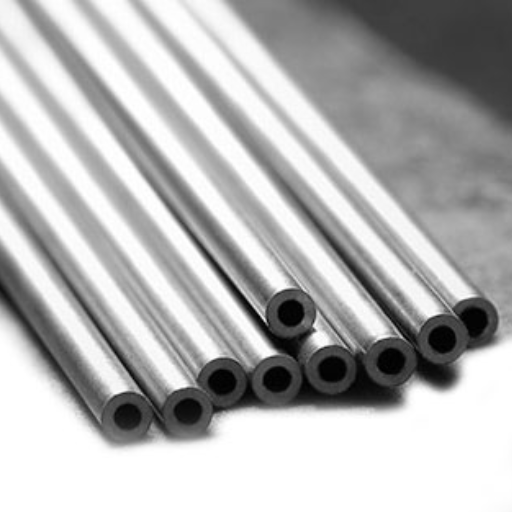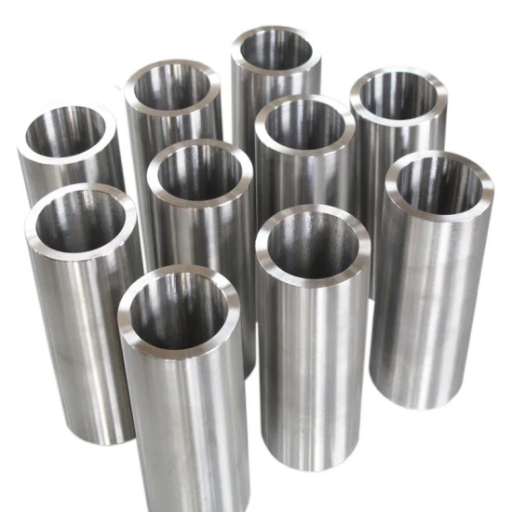
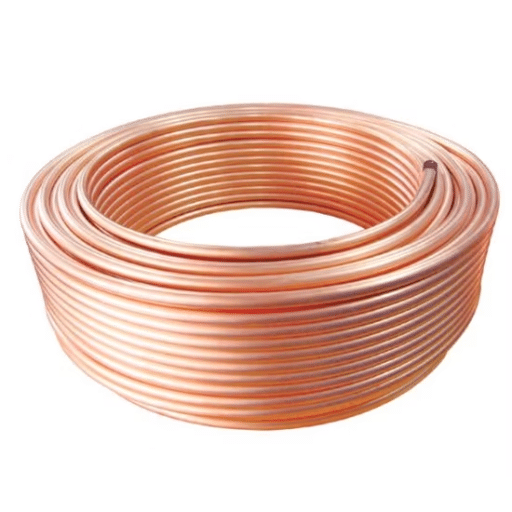
HVAC copper tube is the phosphorus-deoxidized copper tubing used to carry refrigerant between the condenser, evaporator, and compressor in air conditioning and refrigeration systems. The right tube meets ASTM B280, ships with dehydrated, sealed ends, and meets the pressure and sizing requirements of your refrigerant.
What if the least expensive part of your install quietly destroyed the most expensive one? That is exactly what happens when contractors pick the wrong wall thickness, skip nitrogen purging, or reuse plumbing-grade copper for refrigerant lines. A single contaminated line set can send metal oxides straight into a compressor and turn a routine replacement into a warranty claim.
In this guide, you will learn how to specify ASTM B280 ACR tube, size line sets by system tonnage, match copper to modern refrigerants, and install it without the hidden failures that cause callbacks for technicians.
Key Takeaways
- HVAC systems need ASTM B280 ACR copper tube (UNS C12200), not ASTM B88 plumbing tube, because cleanliness and pressure ratings differ.
- Common residential line sets pair 3/8″ liquid lines with 3/4″ or 7/8″ suction lines for 2- to 5-ton systems.
- R410A runs about 50% higher pressure than R22, so wall thickness and brazing quality matter more than ever.
- Nitrogen purging at 2-5 SCFH during brazing prevents internal oxidation that destroys compressors.
- Zhongzheng supplies dehydrated, nitrogen-charged, sealed-end HVAC copper tube with ASTM B280 certification and export packaging.
What Is HVAC Copper Tube?

ASTM B280 ACR Tube Definition
ACR stands for Air Conditioning and Refrigeration. In North America, the governing specification is ASTM B280, “Standard Specification for Seamless Copper Tube for Air Conditioning and Refrigeration Field Service.” This tube is made from UNS C12200 deoxidized high-phosphorus copper (DHP). The phosphorus stabilizes the metal during brazing and reduces scale formation inside the tube.
ASTM B280 tube must leave the factory clean, dehydrated, and capped. The caps keep moisture, dust, and airborne contaminants out of the refrigerant circuit. Once those caps come off in the field, the clock starts ticking. Open tube ends should be brazed the same day or resealed.
Why ASTM B280 Matters for HVAC
Refrigerant systems are closed loops. Any moisture or particulate inside the lines circulates through the compressor, expansion valve, and heat exchangers. Moisture reacts with refrigerant oil to form acids. Acids attack motor windings and bearing surfaces. Industry data ties roughly 15% of compressor failures to moisture or contamination in the refrigerant lines.
ASTM B280 also defines minimum wall thickness and temper requirements. Thin-wall or annealed plumbing tube might look identical on the outside, but it isn’t cleaned or pressure-rated the same way. Using it in a refrigerant circuit is a shortcut that usually ends in a callback.
ASTM B280 vs ASTM B88: Critical Differences
| Feature | ASTM B280 (ACR) | ASTM B88 (Plumbing) |
|---|---|---|
| Primary use | Refrigerant lines | Potable water |
| Material | UNS C12200 DHP copper | Often C12200, but not ACR-cleaned |
| Cleanliness | Dehydrated, sealed ends | No dehydration requirement |
| Temper | Soft annealed (O60) for bending | Hard or soft, depending on application |
| Pressure rating | Rated for refrigerant pressures | Rated for water pressures |
| End finish | Factory-capped | Plain cut |
If you are carrying water, ASTM B88 is fine. If you are carrying refrigerant, only ASTM B280 tube belongs in the system.
HVAC Copper Tube Specifications
Standard Dimensions and Wall Thickness
HVAC copper tube is sold by outside diameter (OD) in imperial fractions. The most common sizes for residential and light commercial work are 1/4″, 3/8″, 1/2″, 5/8″, 3/4″, 7/8″, and 1-1/8″. Metric markets use close equivalents such as 6 mm, 10 mm, 12 mm, 16 mm, 19 mm, and 22 mm.
Wall thickness varies by size and application. Larger diameters used for suction lines typically carry thicker walls to handle bending and support spans. The table below shows typical ASTM B280 dimensions and approximate working pressures at room temperature.
| OD (in) | OD (mm) | Wall (in) | Working Pressure (psi) | Common Use |
|---|---|---|---|---|
| 1/4 | 6.35 | 0.030 | ~700 | Liquid lines, capillary runs |
| 3/8 | 9.52 | 0.032 | ~520 | Liquid lines for splits |
| 1/2 | 12.70 | 0.032 | ~390 | Small suction lines |
| 5/8 | 15.88 | 0.035 | ~330 | Residential suction lines |
| 3/4 | 19.05 | 0.040 | ~310 | Suction lines, heat pumps |
| 7/8 | 22.22 | 0.045 | ~290 | Large residential suction lines |
| 1-1/8 | 28.58 | 0.050 | ~250 | Commercial suction lines |
These pressures are guidelines. Always confirm the exact rating from your tube supplier’s mill test report and derate for elevated temperatures.
Temper Classifications for HVAC
ASTM B280 ACR tube comes in two main tempers:
- O60 soft annealed: Bendable by hand or with a small bender. This is what most contractors use in the field for splits and package units.
- H58 light drawn: Stiffer and stronger. Useful where the tube must hold its shape, such as rack systems or long straight runs.
For field installation, O60 is almost always the right choice. It bends without kinking, fits around joists, and ships in coils that unroll cleanly.
Coil Configurations
You will see three product forms on the market:
- Pancake coils: Flat, layered coils, usually 15 or 20 meters. Popular for mini-splits and tight residential spaces.
- Level wound coils (LWC): Larger coils on pallets for commercial jobs. Easier to feed long runs.
- Straight lengths: 20-foot sticks for central plant, rooftop units, and industrial refrigeration.
At Zhongzheng, we supply pancake and LWC coils with moisture-barrier packaging and sealed end caps for sea freight. That matters when a container sits on a dock for three weeks in high humidity.
Line Set Sizing by Application

Residential AC Systems
Line set sizing matches refrigerant volume and oil return to the compressor’s capacity. Undersized suction lines create excess pressure drop and rob capacity. Oversized liquid lines can trap oil where it should not be.
The table below is a practical starting point for conventional split systems up to about 50 feet of equivalent line length.
| System Size | Liquid Line | Suction Line | Max Equiv. Length |
|---|---|---|---|
| 1 ton | 1/4″ | 1/2″ | 50 ft |
| 1.5 ton | 1/4″ | 1/2″ | 50 ft |
| 2 ton | 3/8″ | 5/8″ | 75 ft |
| 2.5 ton | 3/8″ | 5/8″ | 75 ft |
| 3 ton | 3/8″ | 3/4″ | 75 ft |
| 4 ton | 3/8″ | 7/8″ | 100 ft |
| 5 ton | 3/8″ | 7/8″ | 100 ft |
When runs get longer, manufacturers often require the next suction line size up or added crankcase heat. Always check the equipment manual before guessing.
Need help matching a line set to your system? Send us your tonnage, refrigerant, and line length and our team will recommend the right HVAC copper tube sizes.
Heat Pump Systems
Heat pumps run the same copper in both directions. In heating mode, the former suction line becomes a hot gas discharge line and back again. That thermal swing stresses fittings and insulation. Heat pumps also need proper suction line insulation on the full line, including any vertical risers, to prevent capacity loss in winter.
If you are sizing a heat pump, use the manufacturer’s heating-cycle pressure tables, not just cooling tables. The discharge temperature in heating mode can run hotter than in cooling, and the tube has to handle it.
Commercial VRF/VRV Systems
Variable refrigerant flow systems use refrigerant as the transport medium between one outdoor unit and many indoor units. That means long refrigerant runs, multiple branch pipes, and careful oil return management.
VRF copper specifications usually call for:
- Main piping: Sized by the connected indoor capacity.
- Branch pipes (Y-joints): Factory-made or field-brazed to match the system’s refnet design.
- Oil return management: Long horizontal runs and risers may need traps or increased pipe pitch.
VRF jobs are not the place to substitute plumbing tube or skip nitrogen purging. The refrigerant charge is large, and a single contaminated joint can affect every indoor unit on the circuit.
Industrial Refrigeration
Copper works well for halocarbon refrigerants, but it does not belong in ammonia systems. Ammonia attacks copper and brass. For ammonia, stainless steel or carbon steel is the standard choice. You can read more about that in our notes on stainless steel coil tubing for ammonia refrigeration.
CO2 transcritical systems are another special case. Supercritical CO2 can exceed 1,500 psi, far beyond normal ACR ratings. Those systems need tube selected specifically for the pressure class, not standard ASTM B280 wall thicknesses.
Modern Refrigerant Compatibility
R410A Systems (Current Standard)
R410A operates at roughly 50% higher pressure than legacy R22. At 120°F saturated condensing temperature, R410A runs about 614 psig. That pressure pushes harder on every joint, bend, and flare.
Because of the higher pressure, R410A systems need:
- Full ASTM B280 wall thickness, no thin-wall substitutions.
- Strong, fully penetrated brazed joints.
- Properly rated service valves and flare fittings.
Older R22 tube that was installed before the transition usually has enough wall thickness, but the cleanliness and cap condition still matter during retrofits.
R32 Systems (Emerging)
R32 is mildly flammable (A2L classification). It runs 5-10% higher pressure than R410A at equivalent temperatures. Equipment designed for R32 uses the same copper tube diameters, but installers need to follow the manufacturer’s A2L safety guidelines.
From a tube specification standpoint, if the tube handles R410A, it will handle R32. The bigger changes are in leak detection, charge limits, and ignition-source management.
Natural Refrigerants (R290, CO2)
R290 (propane) is a hydrocarbon with flammability concerns. It works with standard copper tube, but charge limits and installation clearances are strict. CO2, as noted, operates at transcritical pressures that require specially rated tubing.
For most commercial HVAC and refrigeration contractors, R410A and R32 are the relevant refrigerants today. Natural refrigerants are growing in industrial and some European markets, but they need their own engineering review.
Refrigerant Transition Timeline
Regulations like the U. S. AIM Act and the EU F-Gas Regulation are pushing down the global warming potential of refrigerants. R410A will be manufactured for service for years, but new equipment is shifting to R32 and lower-GWP blends.
Specifying quality ASTM B280 copper tube now protects you across that transition. The tube does not care which refrigerant passes through it, as long as the pressure rating and cleanliness are right.
Installation Best Practices

Pre-Installation Handling
When the coil arrives, check the end caps before you sign the delivery ticket. Caps that have fallen off or been crushed mean the interior may have been exposed to moisture. Store coils indoors, off the floor, and away from construction dust.
Uncoil soft copper slowly. Jerking the coil creates kinks that restrict flow. Use a mandrel or uncoiler for large LWC coils. If you do create a kink, cut it out. Never try to hammer it back open.
Cutting and Preparation
Use a sharp tube cutter sized for soft copper. After cutting, ream the inside burr carefully. A rough inside edge creates turbulence and traps debris. Clean the outside of the tube for a finger-width back from the joint so the brazing alloy can wet the surface.
Nitrogen Purging Procedure
Flowing nitrogen while brazing is one of the most skipped steps in HVAC installation. It is also one of the most important. Without nitrogen, the interior of the tube oxidizes at brazing temperature. Those oxides flake off and circulate through the system.
Set your nitrogen regulator to flow roughly 2-5 SCFH. You do not need hurricane force. You need a steady, continuous stream that pushes air out of the joint while you braze. HVAC School has a clear walkthrough of how and why to flow nitrogen while brazing.
Mini-story: Mike, a contractor in Florida, installed a 4-ton split system on a Friday without nitrogen purging. The unit ran fine for six weeks, then the compressor ground itself apart on internal oxidation. The warranty claim was denied because the manufacturer found black scale in the suction line. Mike now flows nitrogen on every joint and says the five minutes of setup has saved him thousands in callbacks.
Brazing Techniques for HVAC Copper
For copper-to-copper joints, BCuP brazing alloy (phos-copper) is standard. It does not need flux on clean copper. For copper-to-brass or copper-to-steel, use BAg silver brazing alloy with the appropriate flux.
Heat the joint evenly until the alloy flows by capillary action. Do not overheat. A cherry-red joint is too hot. After brazing, let the joint cool naturally. Do not quench it with a wet rag. Quenching stresses the fitting and can cause cracks.
System Evacuation and Charging
After brazing, pull a deep vacuum. Most manufacturers want 500 microns or lower. That removes moisture and non-condensables. Use a micron gauge, not just the manifold gauge set, and verify the vacuum holds for at least 10 minutes without rising.
Charge by weight using the manufacturer’s data plate. Adding refrigerant by pressure alone on a hot day usually leaves the system undercharged or overcharged.
Common Installation Errors and Prevention
Sizing Errors
Undersized suction lines starve the compressor and raise discharge temperature. Oversized liquid lines reduce refrigerant velocity and can trap oil. The fix is simple: use the equipment manufacturer’s line sizing chart, not a rule of thumb from the last job.
Installation Defects
Kinked tubes, missing hangers, and bare suction lines in unconditioned spaces all hurt performance. Support horizontal lines every 4-6 feet and vertical risers every 6-8 feet. Insulate suction lines with closed-cell insulation rated for the refrigerant temperature.
Contamination Issues
Moisture enters through open ends. Debris enters through poor cutting and deburring. Flux residue enters when technicians use plumbing flux on refrigerant joints. Keep caps on until the last moment, deburr every cut, and use only brazing flux approved for ACR work.
Quality Control and Testing
Zhongzheng HVAC Copper Production Process
Our ASTM B280 ACR tube starts with high-purity cathode copper. The tube is drawn to size, annealed to O60 temper when required, and tested in-line with eddy current inspection for cracks or wall-thin defects. Dimensional checks cover OD, wall thickness, and ovality before any coil leaves the line.
Pre-Shipment Preparation
Before packaging, the interior is dehydrated and the tube is charged with dry nitrogen. End caps are sealed to lock out moisture. This matters on long ocean shipments where condensation inside an unsealed coil can ruin an entire order.
Documentation Package
Every shipment includes an ASTM B280 compliance statement and a Mill Test Report (MTR). The MTR shows heat number, chemical composition, mechanical properties, and dimensional results. If you are not sure how to read one, see our guide on how to read a mill test report.
Procurement and Logistics
Specifying HVAC Copper Requirements
A clear RFQ should include:
- UNS C12200 / ASTM B280 compliance statement.
- OD, wall thickness, and temper (usually O60 soft annealed).
- Coil type: pancake, LWC, or straight length.
- Quantity and length per coil.
- Required documentation (MTR, certificate of compliance).
Shipping and Handling
Coils should ship on sturdy pallets with outer wrap that blocks moisture. End caps must remain intact through loading and unloading. For international projects, we add VCI film and desiccant inside the packaging to protect against salt air and humidity.
Lead Times and MOQ
Standard ASTM B280 HVAC tube typically ships in 2-3 weeks from order confirmation. Custom coil lengths, special packaging, or mixed-size container loads may add another 2-3 weeks. Minimum order quantities depend on diameter and coil configuration, but we can quote break-bulk options for smaller projects.
FAQs
What does ACR stand for in copper tubing?
ACR means Air Conditioning and Refrigeration. It refers to ASTM B280 tube that is cleaned, dehydrated, and capped for refrigerant service.
Can I use plumbing copper for HVAC applications?
No. Plumbing copper (ASTM B88) is not cleaned or dehydrated for refrigerant service and may not meet the same pressure requirements. Use ASTM B280 ACR tube.
What is the maximum pressure for ASTM B280 copper tube?
Pressure depends on OD and wall thickness. A 3/8″ tube with 0.032″ wall is typically rated around 520 psi at room temperature. Always check the manufacturer’s MTR and derate for temperature.
How long can my line set be before I need to upsize?
Most residential manufacturers allow up to 50-75 feet of equivalent length with standard sizing. Beyond that, or with significant vertical rise, you usually need to upsize the suction line or add crankcase heat.
Do I need to nitrogen purge when brazing copper?
Yes. Flowing nitrogen at 2-5 SCFH during brazing prevents internal oxidation that contaminates the refrigerant circuit.
Can HVAC copper tube be used with propane (R290) refrigerant?
Yes, R290 is compatible with copper. However, charge limits, ventilation, and ignition-source rules for A3 refrigerants are strict and must be followed.
What is the difference between soft and hard copper for HVAC?
Soft copper (O60 temper) is annealed and bendable, used for most field installations. Hard copper (H58 or harder) is stiff and used where the tube must stay straight and support itself.
Conclusion
HVAC copper tube is not a commodity you buy by the pound. The wrong standard, the wrong size, or the wrong installation practice can shorten system life and create expensive callbacks.
Start with ASTM B280 ACR tube in the correct OD and wall thickness. Size the line set from the equipment manufacturer’s tables. Match the tube to your refrigerant’s pressure class. Flow nitrogen during brazing, pull a deep vacuum, and charge by weight.
Zhongzheng manufactures and exports ASTM B280 HVAC copper tube with dehydrated, nitrogen-charged, sealed-end preparation and full documentation. If you are quoting a project, tell us the tonnage, refrigerant, line length, and coil preference. We will recommend the right tube and ship it ready for the field.