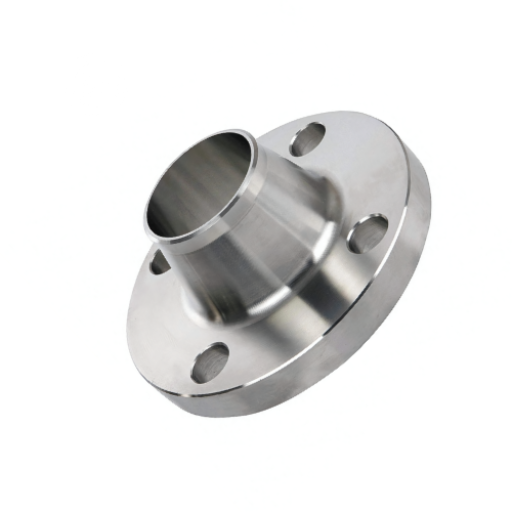
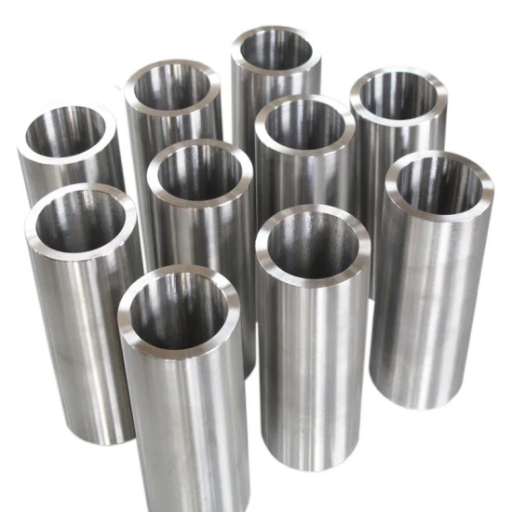
The difference between a sanitary tee and a wye fitting is simple but critical. A sanitary tee connects a vertical pipe to a horizontal pipe at a 90-degree angle with a curved inlet. A wye fitting joins pipes at a 45-degree angle, which allows smoother flow in horizontal drainage lines. Choose the wrong fitting, and you risk clogs, backflow, and code violations.
Plumbing contractors, plant engineers, and maintenance teams all face this decision. Whether you are installing a residential drain system or specifying fittings for a commercial food processing facility, the angle and orientation of your pipe fittings determine how waste moves through the system. This guide breaks down the design, applications, and code requirements for both fittings so you can specify with confidence.
What Is a Sanitary Tee?
Design and Angle
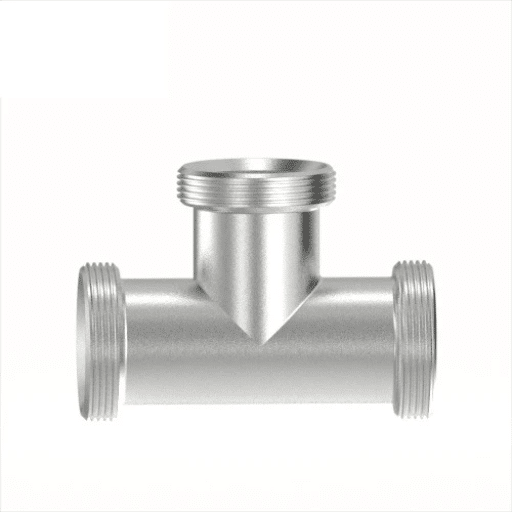
A sanitary tee is a T-shaped pipe fitting with a curved center inlet. The branch connects to the main run at a 90-degree angle, but the inlet curves to guide flow in the direction of drainage. This curved sweep reduces turbulence and prevents waste from backing up into the branch line.
The key design feature is the directional sweep. The curve forces waste to flow in one direction only. If you install a sanitary tee backwards, waste can pool at the junction and cause blockages. The fitting also includes a straight-through path for venting, which makes it useful for both drainage and vent stack connections.
Sanitary tees come in standard pipe diameters: 2 inches, 3 inches, and 4 inches. Larger diameters exist for commercial applications. The fitting material must match the pipe material for a proper seal. Common materials include PVC, ABS, cast iron, and stainless steel.
Common Applications
Sanitary tees serve two primary functions in plumbing systems:
Vertical-to-horizontal transitions. When a vertical waste stack meets a horizontal branch line, a sanitary tee provides the connection. The curved inlet guides waste from the vertical pipe into the horizontal pipe without creating a dead spot where solids can accumulate.
Vent stack connections. Sanitary tees connect vent lines to drain lines. Because vents carry only air and occasional condensation, the 90-degree angle does not create clogging risk. The IPC and UPC both approve sanitary tees for dry vent connections.
Sanitary tees should never connect two horizontal drain lines. The 90-degree angle creates a sharp turn that traps solids and causes blockages. For horizontal-to-horizontal connections, a wye fitting is the correct choice.
What Is a Wye Fitting?

Design and Angle
A wye fitting has a Y-shaped body with a branch that joins the main run at a 45-degree angle. This gentler slope allows waste from the branch line to merge with the main line smoothly. The reduced angle minimizes turbulence and maintains laminar flow, which lowers the risk of clogs.
Unlike a sanitary tee, a wye fitting has no directional sweep. Both the branch and the main line sit at an angle, so waste flows in the same general direction. This design makes wyes ideal for situations where a branch line must join a main drain line without disrupting the flow.
Wye fittings are manufactured in the same standard diameters as sanitary tees. They are available in PVC, ABS, cast iron, and stainless steel. For industrial applications where corrosion resistance and cleanability matter, stainless steel pipe and wye fittings are the standard specification.
Common Applications
Wye fittings excel in horizontal drainage systems:
Horizontal branch connections. When a horizontal branch line joins a horizontal main drain, a wye fitting provides the smoothest transition. The 45-degree angle allows solids and liquids to merge without creating eddies or dead zones.
Fixture connections. Sinks, bathtubs, and washing machines discharge into horizontal branch lines. A wye fitting connects these branch lines to the main drain while maintaining proper flow dynamics.
Combo tee assemblies. A combination fitting pairs a wye with a 1/8 bend (a 45-degree elbow). This assembly creates a smooth transition from horizontal to vertical drainage. Plumbers often call this a “combo tee” or “combination wye and bend.” It is the correct fitting for connecting a horizontal drain to a vertical stack flowing downward.
Difference Between Sanitary Tee and Wye: Side-by-Side Comparison
| Feature | Sanitary Tee | Wye Fitting |
|---|---|---|
| Shape | T-shaped with curved inlet | Y-shaped |
| Branch angle | 90 degrees | 45 degrees |
| Primary use | Vertical-to-horizontal | Horizontal-to-horizontal |
| Flow direction | One-way sweep | Two-directional merge |
| Vent connection | Approved for dry vents | Not typically used for vents |
| Clog risk | High if used horizontally | Low in proper orientation |
| Common sizes | 2″, 3″, 4″ | 2″, 3″, 4″ |
| Code approval | IPC/UPC for vertical and vent | IPC/UPC for horizontal branches |
This comparison shows why the two fittings are not interchangeable. A sanitary tee forces flow in one direction with a curved sweep. A wye allows two streams to merge at a gentle angle. Using a sanitary tee in a horizontal branch application violates plumbing codes and creates unnecessary maintenance problems.
Difference Between Sanitary Tee and Wye: When to Use Each
When to Use a Sanitary Tee
Use a sanitary tee in these specific situations:
Vertical waste stacks. When an upper-floor drain connects to a horizontal branch, the sanitary tee guides waste downward. The curved inlet prevents backflow into the branch.
Vent connections. The straight-through path of a sanitary tee makes it ideal for connecting a vent stack to a drain line. Vents need minimal restriction because they carry only air. The IPC and UPC both specify sanitary tees for this application.
Fixture drains on vertical stacks. When a fixture on the same floor connects directly to a vertical stack, a sanitary tee provides the proper transition.
Double fixture connections. A double sanitary tee allows two fixtures to connect to one vertical stack. This configuration is common in apartment buildings and commercial restrooms where multiple fixtures share a single drain.
Do not use a sanitary tee to connect two horizontal pipes. The 90-degree angle traps solids and causes frequent clogs. If your layout requires a horizontal branch to join a horizontal main, specify a wye fitting instead.
When to Use a Wye Fitting
Use a wye fitting in these situations:
Horizontal branch to horizontal main. This is the most common application. The 45-degree angle allows waste from the branch to enter the main without creating turbulence.
Horizontal to vertical downward transitions. When a horizontal drain must connect to a vertical stack flowing downward, use a combination wye and 1/8 bend. This assembly provides the gradual direction change that codes require.
Long horizontal runs. In commercial kitchens, laboratories, and industrial facilities with extensive drainage networks, wye fittings reduce flow resistance across the entire system.
Stormwater and drainage manifolds. Wye fittings can combine multiple branch lines into a single main drain. The gentle angle prevents backups during high-flow events.
For industrial drainage systems in corrosive environments, stainless steel wye fittings outlast PVC and cast iron. At Zhongzheng, we manufacture stainless steel pipe and fittings to ASTM A403 and ASME B16.9 standards. If your project requires corrosion-resistant drainage components, send us your specification. Our technical team will confirm material grade, dimensions, and delivery within 24 hours.
Material Options for Sanitary Fittings

Understanding the difference between sanitary tee and wye fittings is only half the decision. You also need to choose the right material. Plumbing fittings are available in several materials. Each has advantages depending on the application.
PVC. Polyvinyl chloride is lightweight, corrosion-resistant, and affordable. It is the standard choice for residential drain, waste, and vent (DWV) systems. PVC handles temperatures up to 140°F (60°C). It is not suitable for high-temperature industrial drainage.
ABS. Acrylonitrile butadiene styrene is similar to PVC but more impact-resistant. It is common in colder climates and for underground installations. ABS is not compatible with PVC solvent cement, so you cannot mix the two materials in the same system.
Cast iron. Cast iron fittings are durable, fire-resistant, and quiet. They are the traditional choice for commercial building stacks and underground drainage. Cast iron is heavy and requires support at every joint. It is also susceptible to corrosion in acidic environments.
Stainless steel. Stainless steel fittings offer the best combination of corrosion resistance, strength, and temperature tolerance. Grade 304 stainless steel resists most organic chemicals. Grade 316L handles chlorides and acidic drainage. For food processing, pharmaceutical, and chemical applications, stainless steel is often the only acceptable material.
When selecting material, consider the drainage temperature, chemical exposure, and code requirements. For applications requiring both corrosion resistance and mechanical strength, electropolished stainless steel tubing provides a smooth surface that resists bacterial adhesion and fouling.
Plumbing Code Requirements
The International Plumbing Code (IPC) and the Uniform Plumbing Code (UPC) both regulate the use of sanitary tees and wye fittings. While local amendments vary, the core requirements are consistent.
Sanitary tee restrictions. Codes prohibit using sanitary tees to connect a horizontal drain to a vertical stack flowing downward. The 90-degree angle creates a waterfall effect that splashes waste against the opposite wall of the pipe. This causes solids to accumulate and form blockages.
Wye fitting requirements. Wye fittings are required for horizontal-to-horizontal connections and for horizontal-to-vertical downward transitions. The 45-degree angle provides the gradual direction change that codes mandate.
Combo tee specifications. A combination wye and 1/8 bend satisfies the code requirement for gradual transitions. The assembly creates an effective 45-degree slope into the vertical stack. Many inspectors prefer combo tees over wyes with separate elbows because the single-piece fitting eliminates one joint.
Vent system rules. Sanitary tees are permitted for vent connections because vents carry only air. Wye fittings are not typically used in vent systems because they offer no advantage over sanitary tees for air flow.
Pipe diameter considerations. As pipe diameter increases, the importance of using the correct fitting increases. A 4-inch drain moving solid waste at high volume needs the smooth transition of a wye fitting. A 2-inch vent line can safely use a sanitary tee.
Always check your local building department for amendments to the IPC or UPC. Some jurisdictions require specific fitting types based on fixture type, pipe material, or building occupancy.
Common Installation Mistakes
Even experienced installers make errors with sanitary tees and wyes. Here are the mistakes we see most often:
Installing a sanitary tee horizontally in a drain line. This is the most common error. A sanitary tee positioned horizontally with the branch facing upward acts like a shelf. Solids hit the flat surface and stop. Always use a wye or combo tee for horizontal drain connections.
Reversing the sanitary tee orientation. The curved inlet must face the direction of flow. If you install it backwards, waste pools at the junction. Verify the arrow or flow mark on the fitting before solvent welding.
Using a wye for a vent connection. While a wye will technically carry air, it is unnecessary and creates an extra joint. Sanitary tees are the correct choice for vent stacks because they provide a straight-through path with minimal restriction.
Mismatching pipe and fitting materials. PVC cement does not bond to ABS. Cast iron requires different gaskets than stainless steel. Always verify material compatibility before installation.
Ignoring pipe slope. Both sanitary tees and wye fittings require the correct pipe slope to function. Horizontal drains need a minimum slope of 1/4 inch per foot for 3-inch and 4-inch pipes. Smaller pipes may require steeper slopes. Without proper slope, even the correct fitting will not prevent clogs.
Frequently Asked Questions
What is the main difference between a sanitary tee and a wye fitting?
The main difference is the branch angle. A sanitary tee has a 90-degree branch with a curved inlet that directs flow in one direction. A wye fitting has a 45-degree branch that allows two streams to merge smoothly. Sanitary tees are for vertical-to-horizontal connections and vents. Wye fittings are for horizontal branch connections.
Can you use a sanitary tee horizontally?
No. Plumbing codes prohibit using sanitary tees horizontally in drain lines. The flat surface of a horizontal sanitary tee traps solids and causes clogs. Use a wye fitting or a combination wye and bend instead.
What is a combo tee?
A combo tee combines a wye fitting with a 1/8 bend (45-degree elbow). This assembly creates a smooth transition from horizontal to vertical drainage. It is the correct fitting for connecting a horizontal drain to a vertical stack flowing downward. Many inspectors prefer combo tees because they eliminate one joint compared to separate wye and elbow fittings.
When should you use a double sanitary tee?
Use a double sanitary tee when two fixtures on the same floor must connect to a single vertical drain stack. This configuration is common in apartment buildings, hotels, and commercial restrooms. Both connections enter the same vertical pipe without requiring separate branches.
What material should I choose for industrial drainage fittings?
For industrial applications with chemical exposure or high temperatures, stainless steel is the best choice. Grade 304 resists organic chemicals. Grade 316L handles chlorides and acidic drainage. For residential and light commercial systems, PVC or ABS is adequate and more economical. Cast iron works well for commercial stacks and underground drainage where noise reduction matters.
Do plumbing codes require wye fittings for all horizontal connections?
Yes. Both the IPC and UPC require gradual direction changes for horizontal drain connections. A wye fitting or a combination wye and bend provides the 45-degree slope that codes mandate. Sanitary tees are only approved for vertical-to-horizontal transitions and vent connections.
Conclusion
The difference between sanitary tee and wye fittings comes down to angle and application. A sanitary tee provides a 90-degree curved connection for vertical-to-horizontal transitions and vent stacks. A wye fitting provides a 45-degree smooth merge for horizontal branch lines. Using the wrong fitting causes clogs, violates plumbing codes, and creates maintenance headaches.
For residential systems, PVC sanitary tees and wyes handle most drainage needs. For commercial and industrial applications, material selection becomes critical. Corrosive drainage, high temperatures, and cleanability requirements often make stainless steel the only viable option.
At Zhongzheng, we manufacture seamless stainless steel pipe, precision tubing, and specialty fittings to ASTM and ASME standards. Our stainless steel seamless pipe and electropolished tubing serve drainage, process, and hygienic applications worldwide. Whether your project requires standard 304 pipe or corrosion-resistant super duplex alloys, our technical team will confirm the right specification and delivery timeline within 24 hours. Send us your requirements today.
Sources
- International Code Council, International Plumbing Code (IPC) — fitting requirements for DWV systems
- IAPMO, Uniform Plumbing Code (UPC) — sanitary tee and wye installation standards
- ASTM International, ASTM A403 Standard Specification for Wrought Austenitic Stainless Steel Piping Fittings