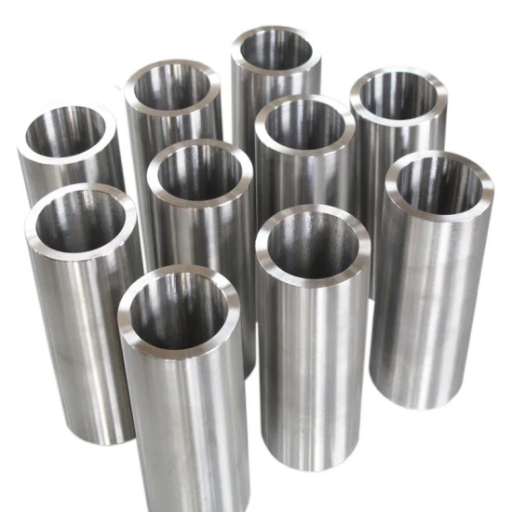
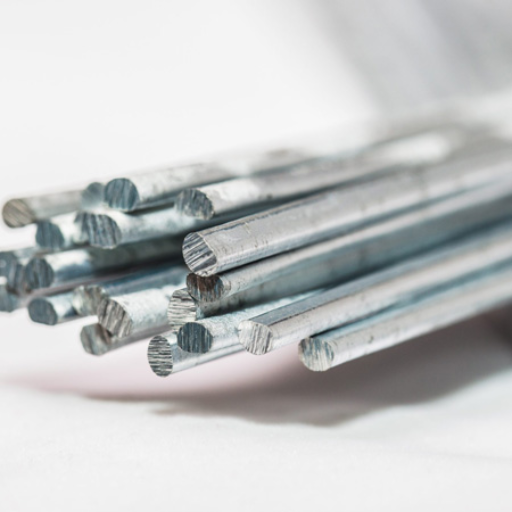
The process of choosing copper tubes for medical equipment and oxygen delivery systems requires exactness because both medical needs and safety regulations must be fulfilled. The systems function as essential components for life-saving operations because their systems do not permit even the smallest errors. The process of selecting appropriate copper tubes becomes essential for your project needs when you design new healthcare facilities, upgrade existing systems, or implement regulatory requirements. This article describes essential requirements for material specifications and safety standards which help you make choices that enhance performance and reliability while protecting patient safety.
Understanding Copper Tubing

Key Properties of Copper Tubes
Copper tubing contains essential attributes which make it essential for multiple medical applications and industrial operations and HVAC systems. The material shows both durability and corrosion resistance because its copper content allows it to operate under extreme conditions and contact with hazardous substances. The material delivers outstanding thermal conductivity which supports efficient heat movement in both heating systems and cooling systems. The material enables manufacturers to create products more easily while installers can handle the installation process through its malleable properties which preserve its structural integrity. The healthcare environment uses the material for its antimicrobial properties which help control bacterial spreading throughout the facility.
Recent advancements demonstrate that copper meets the needs of contemporary HVAC systems, which use advanced refrigerants because the metal can endure extreme pressure and temperature conditions. The optimal material for the project requirements operates through the use of copper tubing which delivers sustainable results that maintain operational performance while fulfilling environmental and regulatory standards. The project requirements of professionals can be evaluated through the assessment of copper tubing properties.
Types of Copper Tubes for Medical Applications
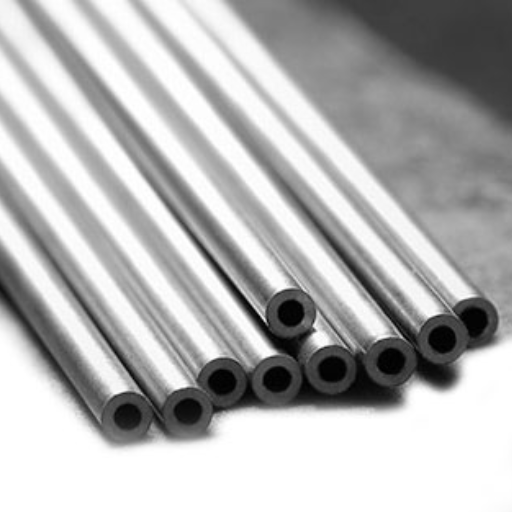
Medical institutions use copper tubing because it offers essential three benefits which include its ability to withstand wear and its ability to kill germs and its ability to meet strict health and safety requirements. The primary types of copper tubing utilized in this field include:
Type K Copper Tubes
The design of type K copper tubing features its thick wall structure which enables the material to withstand high-pressure conditions. This material serves critical medical gas systems because it maintains dependable performance during demanding operational conditions.
Type L Copper Tubes
The design of Type L copper tubing features wall dimensions which are less than those of Type K. The material functions as a valuable asset in healthcare facilities because of its multiple application possibilities which make it suitable for various medical requirements.
ALLOY
Copper-Phosphorus Alloy Tubes
The tubes serve brazing purposes because they show exceptional resistance against all types of corrosion. The connectors create strong joints which guarantee safe medical gas deliveries without any leaks.
DRATED
Dehydrated and Degreased Copper Tubes
Medical institutions use dehydrated and degreased copper tubing because its contaminants were completely removed through this process. This process establishes vital standards to sustain the untainted state of all gases, including oxygen, nitrous oxide, and carbon dioxide, which will be moved through the system.
BLE
Flexible Copper Tubing
Flexible copper tubing serves applications which need system adaptability, like connections with medical gas outlets and medical equipment. The material provides multiple routing options to navigate tight areas while maintaining complete system functionality.
The selection of the appropriate type of copper tubing for medical applications depends on factors such as pressure requirements, gas purity standards, and compliance with regulations such as those stipulated by the National Fire Protection Association (NFPA) and medical-grade standards like ASTM B819.
The Role of Copper in Medical Gas Systems
Medical gas systems require copper as their essential material because its properties deliver crucial support for system operations and safety requirements. Medical gases which include oxygen and nitrous oxide and medical air need piping systems that use copper because the metal delivers both exceptional durability and protection against corrosion and non-reactive features. The healthcare industry uses copper tubing to maintain gas purity because it prevents contamination, which is essential for accurate and uncontaminated gas delivery that directly influences patient results.
Recent data shows that medical facilities increasingly adopt Type K and Type L copper tubing because these tubes meet ASTM B819 standards which require strict compliance. The tubing system has been developed to function with high pressure while maintaining medical gas purity standards. The inherent antimicrobial properties of copper maintain essential medical systems in hospitals and healthcare facilities free from microbial contamination which establishes copper as their primary material.
Copper serves two essential functions because it provides physical attributes and meets global safety standards which include NFPA and ISO requirements. The use of copper in medical gas systems satisfies these regulations because it creates dependable and safe operating systems. The combination of technical performance with regulatory compliance makes copper an essential element that supports contemporary medical infrastructure.
Specifications for Medical Copper Tubing

Understanding OD and Length Requirements
The outer diameter (OD) and length of medical copper tubing serve as essential components which determine whether systems will function correctly and meet required industry standards. Medical gas systems use outer diameter (OD) standards which follow the standard sizing charts established by ASTM B88 and B819 specifications. The organization provides which standard outer diameter (OD) sizes the system needs to operate through its distribution system which uses ¼ inch to 8 inch diameter tubing with smaller pipes for distribution and larger pipes for main supply lines.
Project requirements and installation requirements decide the lengths of tubing which exist in standard straight lengths of 10-foot and 20-foot sections. The installation process often uses coiled copper tubing because it provides the necessary flexibility in small spaces. Engineers need to examine flow rate and pressure ratings and entire pipeline distance when they create these specification requirements.
The combination of technical factors and recent research results from search engine tools shows that healthcare facilities now prefer accurate installation methods. The search trends show that industry experts search for waste reduction solutions which help them design their custom installations, showing that companies now focus on sustainability and resource efficiency. The precise calculation of OD and length requirements serves as essential elements for designing contemporary medical gas systems.
| Specification | Type K | Type L | Notes |
|---|---|---|---|
| Wall Thickness | Thickest | Medium | K > L > M |
| OD Range | ¼″ – 8″ | ¼″ – 8″ | ASTM B88 / B819 |
| Standard Lengths | 10 ft / 20 ft straight; coils available | 10 ft / 20 ft straight; coils available | Coils for tight spaces |
| Primary Use | Main / outdoor supply lines | Branch / distribution lines | Application-dependent |
| Pressure Rating | Highest | High | NFPA 99 compliance required |
| Cleanliness Standard | Dehydrated & degreased | Dehydrated & degreased | ASTM B819 mandatory |
Choosing the Right Type K Copper Pipe
The selection of Type K copper pipe for medical gas systems requires a complete evaluation of three specific elements because they determine the material’s capacity to function safely and correctly. Data from search engines shows which industry experts consider important because they search for information about corrosion resistance and disinfectant compatibility and NFPA 99 and ASTM B819 standards. The pipeline system must use pipes which fulfill both regulatory standards and requirements because these standards will govern the system’s performance throughout its entire operating life. The selection process requires three essential elements because it determines the Type K copper pipe’s ability to function properly in modern healthcare facilities.
Evaluate compatibility with disinfectants and chemical agents used in healthcare environments.
Must meet NFPA 99 and ASTM B819 standards throughout the system’s operational lifespan.
Confirm the pipe’s pressure and flow capabilities match project demands for modern healthcare facilities.
Seamless vs. Welded Copper Tubing
Seamless copper tubing and welded copper tubing differ from each other because seamless tubing provides better pressure resistance and durability and dependable performance which medical gas systems require. The production process for seamless copper tubing involves extruding a solid copper billet through an extrusion process which creates a tube without any welded seams.
The method produces a mechanical structure which maintains its strength under extreme internal pressure and stress conditions, making it suitable for systems that need both precise operation and strong performance.
Welded copper tubing production starts with rolling copper sheets into cylindrical shapes, which workers create by welding their edges together. The presence of a weld seam creates a structural variation which weakens the material when exposed to high pressure and temperature changes, although welded tubing costs less than seamless tubing.
The latest research findings show that seamless tubing has become the standard choice for essential uses because it shows dependable performance and lowers the risk of leaks and structural collapse.
The selection between seamless tubing and welded tubing should base itself on three main factors which include operating pressure and system design and related medical gas standards which NFPA 99 establishes. The introduction of new manufacturing techniques has resulted in better quality welded tubing production, but healthcare and industrial systems that demand high safety standards and excellent performance, continue to use seamless copper tubing, which remains their standard for evaluation.
Installation of Copper Tubes in Medical Gas Piping Systems

Preparation and Planning for Installation
The installation of a medical gas piping system requires complete planning before work to install the piping system can commence because this planning process ensures safe and successful installation of copper tubing. The process begins with a thorough assessment of the project requirements, which includes assessing pipe sizing and material specifications and standard compliance with NFPA 99 and ASSE 6010.The system needs precise measurements together with schematic diagrams to establish its necessary design layout for achieving maximum flow efficiency while avoiding excessive pressure loss. The selection process needs to establish which copper tubing grade for medical gas applications, which requires K and L types to receive consideration due to their strength and durability and their ability to work with medical gas systems.
The project needs certified components, which include fittings and valves and connectors, to maintain complete integrity throughout its implementation process. The installation team needs to check all tools and equipment before they start work to prevent any internal contamination of the tubing system. The three elements of a clean workspace, adherence to procedural guidelines, and pre-installation safety checks create a successful project foundation. The installation team needs to follow these steps while maintaining effective communication to achieve a smooth process which meets the strict safety requirements of healthcare settings.
Proper Techniques for Fitting and Joining Copper Pipes
The section that follows explains the proper methods which professionals should use to connect copper pipes through fittings and joints. The most commonly used methods for joining pipes include soldering, which is also known as sweating, and compression fittings, and press fitting.
- 1
Soldering (Sweating)
Soldering needs non-corrosive flux to be evenly distributed across both the pipe and fitting after their surfaces have been cleaned. The technician uses the torch flame to heat the two components until the soldering material reaches its melting point.
- 2
Compression Fittings
The process for compression fittings starts when the technician inserts the pipe into the fitting and they use the compression nut to create an airtight seal. This method often eliminates the need for an open flame and is commonly used in situations where thermal risk is a concern.
- 3
Press Fitting Technology
Press fitting technology has become widely accepted because it uses crimping tools which enable users to work faster and safer without needing advanced skills that traditional soldering techniques require.
The latest data with optimized search trends from show that these three methods need proper maintenance which includes cleaning all pipe surfaces and using accurate tools which match the exact sizing requirements for copper pipes and conducting pressure tests after completing the installation work. The application of these techniques brings about two advantages because it decreases the probability of leaks while increasing the operational lifespan of systems and it fulfills both security and quality standards which apply to residential and commercial spaces as well as healthcare environments.
Common Installation Mistakes to Avoid
Failing to properly clean pipe ends before soldering or brazing joints leads to defective joint seals which result in system leaks under pressure conditions.
Using fittings or tools that lack proper design for handling copper materials disrupts work accuracy and damages material strength.
Skipping or improperly executing pressure tests between installation periods results in extended timeframes needed to discover system weaknesses and improper seal points.
The organization needs to develop testing systems which follow established industry standards because these systems will help to decrease operational risks while ensuring that the company meets current installation standards and performance requirements.
Maintenance of Copper Tubing in Oxygen Systems

Routine Inspections and Maintenance Practices
Oxygen systems require scheduled inspections of copper tubing to sustain operational integrity and fulfill required safety regulations. Based on current industry standards and historical performance data The inspection process needs to search for visual defects which include corrosion and cracks and physical deformities because these defects can reduce system performance. The establishment of designated testing intervals for pressure testing enables organizations to identify leaks while verifying that their connections and seals maintain integrity during actual use.
The implementation of oxygen-compatible cleaning procedures requires the use of approved cleaning agents to stop contaminants from building up because these substances present a fire risk when they come into contact with oxygen. Maintenance best practices require organizations to create comprehensive documentation which records their entire maintenance operations together with their inspection schedules and maintenance results and all completed corrective measures.
The adoption of predictive analytics together with IoT-based sensors for data-driven maintenance schedules has become more common because this approach enables organizations to monitor system health in real time while discovering problems early to reduce operational interruptions and improve system reliability.
Identifying and Addressing Leaks
The process of locating and fixing leaks requires modern methods which use both advanced diagnostic equipment and real-time data analysis capabilities to achieve successful results. Operators use pressure testing and ultrasonic leak detection and thermal imaging methods to find leaks which occur in pipelines and equipment and facilities. Organizations now implement IoT-enabled sensors into essential systems which provide ongoing system observation and immediate transmission of information to central control centers for quick assessment.
People have started showing greater interest in machine learning algorithms which predict leaks because of their increasing usage. The system uses advanced algorithms to predict operational vulnerabilities by analyzing both historical data and current operational metrics and environmental conditions. Technicians require system shutdown to perform essential component inspection and repair work after operators have detected leaks.
Organizations achieve long-term operational efficiency through their dedicated training programs on leak detection processes and their continuous investment in advanced technologies. Modern leak management practices depend on accurate measurement and system integration according to this unified method.
Ensuring Compliance with Industry Standards
Organizations need to follow industry standards because this requirement safeguards their operational integrity while delivering safe and dependable services. Organizations need to follow ISO 9001 for quality management and ISO 14001 for environmental management because these standards establish their operational procedures together with performance standards which they need to meet. The organization uses this process to reduce operational risks while building its market reputation and gaining customer loyalty.
Organizations need digital tools to improve their compliance processes according to recent research findings. Organizations can track regulatory updates through automated audit software and AI-powered monitoring systems which they use from their advanced platform. The organization tracks search algorithm updates to verify that its digital marketing practices follow industry standards, which shows that businesses must adapt their operations to maintain compliance.
The organization uses digital innovations together with employee training and internal audits to establish a strong compliance management system, which helps them follow industry regulations while reducing operational mistakes.
Selecting Reputable Suppliers for Copper Products

What to Look for in a Supplier
Companies need to choose reliable copper product suppliers by assessing both industry standards and documented market trends. The most important factors buyers consider when selecting suppliers according to recent search engine updates and market research are supplier reputation and quality assurance certifications and environmental sustainability. Customers see suppliers who have established digital platforms and receive good feedback as trustworthy because these suppliers meet both needs when they provide copper materials.
Suppliers who follow international compliance requirements through ISO certification and ethical sourcing methods achieve superior results in meeting regulatory standards. The organization uses search engine data to evaluate supplier trustworthiness and supply chain transparency which leads to evidence-based decision making that protects against using materials which do not meet standards.
Understanding Certifications and Compliance
Certifications and compliance frameworks serve as essential elements for maintaining quality and safety while meeting industry standards. Organizations can use search engine data to determine which certifications their industry most commonly recognizes including ISO 9001 for quality management and RoHS for environmental compliance. Business search data combined with industry standards enables companies to find certified suppliers who meet international standards.
Search analytics enables companies to discover new compliance patterns which helps them keep up with changing regulations while implementing optimal operational methods. Organizations can ensure compliance by using these tools to assess supplier performance while monitoring their standard compliance and adjusting to upcoming changes.
Product Quality and Performance Assessment
The evaluation process for product quality and performance assessment needs to use current search engine data because it delivers essential evaluation information. Businesses can discover important quality factors through search trend analysis and consumer feedback assessment because these factors drive their target market. The common search patterns and user questions show which product features customers find most valuable or which aspects they find most disappointing during product evaluation.
The process of determining product quality verification requires organizations to implement a data-backed method which combines user review monitoring with industry standard assessment through search metrics and ongoing product development based on actual usage data. The combination of search data with quality evaluation methods allows organizations to develop products which meet consumer needs while maintaining industry standards.
Frequently Asked Questions
Q1
What is copper tube for medical gas and why is it used?
Copper tube for medical gas includes specially cleaned high purity seamless copper tubing which medical facilities use to deliver oxygen and nitrogen medical gases to their facilities. The tubes meet industry standards such as ASTM B819 and EN 13348 and manufacturers provide them as 20 ft lengths or coil forms. The product uses a designated temper and outer diameter which enables proper flow operation with copper fittings and end caps. Medical gas copper requires cleaning followed by capping or plugging because these processes protect the material from contamination during both installation and storage. The medical industry uses copper as the main material for its gas piping systems because of its ability to resist corrosion and provide dependable performance.
Q2
How does type K copper tube differ from other copper products for medical gas?
Type K copper tube is a seamless, heavy-walled grade which engineers select for medical gas piping systems when they need extra mechanical strength and higher pressure capacity. The pipe thickness of this type exceeds both type L and type M tubing specifications so it becomes the preferred option for main and outside pipe installations whereas lighter tubing types serve to connect branch pipelines. The flexibility of Type K products enables customers to choose between coil and straight lengths with multiple OD size options for different installation needs. Type K copper used in medical gas applications requires special cleaning and capping procedures to achieve safety compliance with oxygen and medicinal gas standards. The selection of a correct type requires examination of pressure requirements together with support distance and selection of high-quality materials from established manufacturers like Mueller Industries.
Q3
What fittings should be used with copper tube in medical gas systems?
Medical gas systems require copper fittings which must match the specifications of cleaned copper tubing according to established standards to create secure leakproof connections which function properly with oxygen and other gases. The common choices for piping systems include brazed joints and flare fittings and approved mechanical fittings which must obtain UL listing or meet national regulations that apply to medical gas piping systems. The fittings need protection from end caps or end cup protection because they need to be handled during transit and only trained technicians should install them because any contamination will affect the quality of medicinal gas. The evaluation of brass or other fitting materials should determine their compatibility before practitioners clean and cap these materials for installation. Proper selection and installation of copper fittings support efficient flow and long-term safety of the gas supply.
Q4
How are medical gas copper tubing systems installed to meet safety standards for oxygen?
The medical gas copper tubing installation process needs to follow strict guidelines which require installation teams to use specialized tubing which has received cleansing treatment, to maintain all piping systems in a clean state, and to execute both the purge process and pressure verification procedure after they complete the installation work. The installation team needs to follow all safety requirements for oxygen together with local regulations while using only approved copper piping and fittings and they must make sure that all connections between pipes are either brazed or fitted according to both the manufacturers specifications and their established quality control standards. Tubing is commonly run as continuous coils where possible to minimize joints and avoid contamination, and OD and temper selection are based on flow calculations for the gas supply. Before a system can start its medical operations, the system needs to complete documentation, labeling, and certification processes which require inspection by an authorized inspector. The steps which follow help confirm that medical gas delivery systems maintain operational safety for both oxygen and all other medical gases.
Q5
What cleanliness measures are required for medical copper and copper tubing?
Medical copper needs to achieve cleanliness through all stages of production and usage control which includes making high purity seamless copper tube and completing final cleaning with either purge or ultrasonic cleaning methods and delivering cleaned and sealed tubing which blocks access to contaminants. The installation team needs to maintain all piping systems in their sealed state until there is a need to establish direct connections which helps prevent contamination through both particles and moisture that would compromise the purity of medicinal gas. Systems require purging to eliminate both debris and compressed air, before testing which will confirm system integrity, after which the system can begin its operational phase. The product achieves acceptable cleanliness standards through quality control documentation which tracks compliance to both EN 1057 and ASTM B819 standards and includes verification from the manufacturing company. The process of cleaning and sealing tubing according to proper procedures helps decrease potential dangers while enabling organizations to fulfill both safety requirements and industry standards.
Q6
Can medical gas piping systems use copper pipe and copper tube as interchangeable components?
The terms copper pipe and copper tube describe two distinct products which medical gas systems require because their variations in dimensions and operating tolerances and their different available fittings make them unsuitable for medical gas applications. The medical gas industry uses copper tube which contains specific outside diameter and temper requirements and uses seamless construction to create pipes with precise internal diameter and wall thickness standards while copper pipe follows different plumbing standards. Tubing selection for medical gas piping systems requires the use of medical-grade certified tubing which meets all necessary cleaning standards because general copper pipe does not meet acceptable standards. The installers need to check that the materials meet the EN 13348 and ASTM B819 standards while also verifying that the materials function properly with both oxygen and other gases. The right product selection makes sure that copper fittings work properly together while protecting the safe functioning of gas distribution system.
Reference Sources
- 01
Copper and Copper Alloys: Technology UpdatesDiscusses the role of copper tubes in preventing water system pollution and reducing nosocomial infections.
- 02
Antimicrobial Copper Alloys Decreased Bacteria on Medical SurfacesExplores the efficacy of copper surfaces in reducing bacterial concentrations in medical environments.
- 03
Copper Medical Gas Tube per ASTM B819-19Provides detailed information on the ASTM B819 standard for copper medical gas tubes.