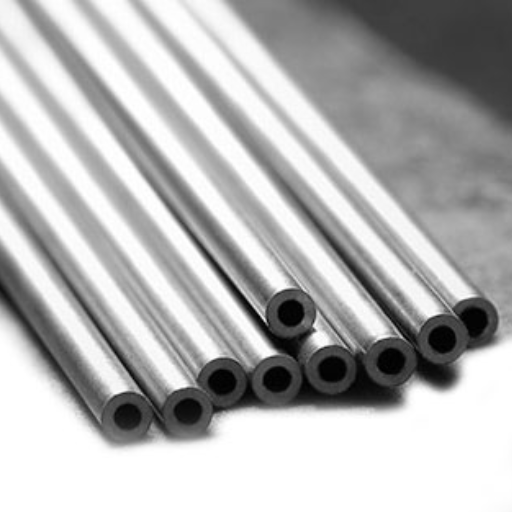
The dairy engineer believed that the sanitary stainless steel tube with Ra 1.6μm surface finish would meet the requirements for the yogurt production line after he approved this specification. The testing conducted six months after commissioning showed that bacteria remained embedded in the tubing because there was bacterial contamination in the tubing’s internal surface valleys. The product recall which cost 485000 dollars, happened because the surface roughness specification used two finish grades that were too rough for the required application.
The current situation demonstrates that hygienic applications need surface finish specifications that go beyond aesthetic requirements. The Ra 0.4μm measurement and Ra 1.6μm measurement show a tenfold increase in bacterial adhesion capacity. The combination of DIN 11850 and DIN 11866 confusion together with 3-A surface finish requirements misunderstanding and ASME BPE sulfur content limits complexity creates specification traps that can endanger food safety and pharmaceutical product quality.
This guide establishes the technical basis that enables accurate sanitary stainless steel tube specification. The course will teach you about Ra value measurement methods together with DIN 11850,3-A and ASME BPE standard differences, electropolishing requirements and procurement specifications development for surface integrity implementation. The principles in this document help you to create acceptable pharmaceutical stainless steel tubing specifications which fulfill both regulatory standards and hygiene requirements for your selected electropolished stainless steel tubing used in pharmaceutical WFI systems and your standard sanitary tube used in dairy processing.
What is a Sanitary Stainless Steel Tube?
Hygienic Design Fundamentals
Sanitary stainless steel tube differs from industrial tubing because of its cleanability and microbial control properties. The hygienic design principles embedded in DIN 11850 stainless steel tube standards address three critical requirements: cleanability, drainability, and inspectability.
Cleanability requires surfaces that resist bacterial adhesion and allow effective removal of product residues during cleaning cycles. The surface finish of a material which engineers measure through Ra (arithmetic average roughness) establishes the degree to which cleaning solutions will be able to reach surfaces and eliminate dirt particles. CIP (Clean-in-Place) systems achieve validated cleaning results through their ability to operate on surfaces which have Ra measurements of 0.8μm or lower.
Drainability ensures that product residues and cleaning solutions completely evacuate the system. Self-draining design requires tube orientation with sufficient slope (typically 1:100 minimum) and elimination of dead legs—sections where fluid can stagnate. DIN 11850 and 3-A standards specify maximum dead leg lengths that depend on the tube diameter.
Inspectability enables verification of cleanliness and structural integrity. Sanitary tubing uses transparent connections (tri-clamp) that allow visual inspection, and surface finishes sufficiently smooth for borescope examination when required.
Sanitary vs Industrial Stainless Steel Tube
| Feature | Sanitary Tube | Industrial Tube |
|---|---|---|
| Surface Finish (ID) | Ra ≤ 0.4–1.6μm | Ra 3.2–6.3μm |
| Outer Surface Finish | Ra ≤ 1.6μm (typically) | Mill finish acceptable |
| Dimensional Tolerance | ±0.05mm OD | ±0.1mm OD |
| Documentation | Full heat traceability, surface certification | Basic MTR |
| Connection Type | Crevice-free (weld, tri-clamp) | Threaded, flanged (crevices) |
| Material Grade | 316L (food/pharma), 304L (general food) | 304, 316 (varies) |
| Standard Compliance | DIN 11850, 3-A, ASME BPE | ASTM A269, A270 |
The surface finish difference is the most critical distinction. Industrial tube with Ra 3.2μm has surface valleys that reach depth sufficient to maintain bacteria presence which standard CIP procedures cannot remove. Sanitary stainless steel tube with Ra 0.8μm or smoother presents a surface where bacteria cannot establish adherent colonies and cleaning solutions effectively wet and cleanse the entire surface.
Grades for Hygienic Applications
The standard sanitary grade which requires both corrosion resistance and cleanability is 316L (UNS S31603). The 2-3% molybdenum content provides resistance to chloride-containing CIP chemicals (caustic, acid sanitizers) which would attack 304 grades. The low carbon (≤0.03%) prevents sensitization during welding which preserves corrosion resistance throughout the heat-affected zone.
The 304L (UNS S30403) standard is suitable for food applications which require less critical testing because their CIP chemicals show mild effects and their chloride levels stay below any significant threshold. 304L is commonly used in brewery applications to make contact with wort and beer because its chloride levels remain below the threshold. The food industry increasingly prefers 316L because it ensures uniform quality and protects against future changes.
ASME BPE biopharmaceutical applications require 316L material which contains controlled sulfur levels between 0.005% and 0.017%. The controlled sulfur range improves weldability for autogenous orbital welding while maintaining corrosion resistance. The standard 316L material which contains sulfur up to 0.03% meets the requirements for DIN 11850 and 3-A applications.
Sanitary Stainless Steel Tube Surface Finishes and Ra Values

Understanding Surface Roughness (Ra)
Ra—arithmetic average roughness—serves as the primary measurement for hygienic surface finish assessment. Ra measures surface profile deviations from the mean line over designated sampling distance. A surface with Ra 0.4μm has peak-to-valley heights averaging approximately 1.6μm (Ra measures average deviation, not peak-to-valley; the relationship varies by surface type).
Why does Ra matter? Bacterial adhesion studies consistently show that surface roughness above 0.8μm provides physical anchorage points for bacteria, allowing biofilm formation that resists removal by CIP. Bacterial adhesion decreases dramatically when Ra measurements reach below 0.8μm. Bacterial attachment at Ra 0.4μm or smoother reaches the detection limit of standard bacterial assays.
Measurement methods include:
- Contact profilometry: A diamond stylus traces the surface, recording vertical deviations
- Optical profilometry: Non-contact measurement using white light interferometry
- Comparison standards: Visual/tactile comparison to certified roughness specimens
For sanitary tube certification, contact profilometry per ASME B46.1 is the standard method. Measurements are taken on the internal surface (ID) at multiple locations to ensure consistency.
Standard Surface Finishes
| Finish Designation | Ra Value (μm) | Ra Value (μinch) | Application | Manufacturing Method |
|---|---|---|---|---|
| Mill Finish | 3.2–6.3 | 125–250 | Industrial only | Cold drawing, no surface treatment |
| Annealed & Pickled (AP) | 1.6–3.2 | 63–125 | General process | Acid pickle after annealing |
| Bright Annealed (BA) | 0.8–1.6 | 32–63 | High purity, some food | Controlled atmosphere annealing |
| Mechanically Polished | 0.4–0.8 | 16–32 | Food, dairy | Abrasive polishing (180–320 grit) |
| Electropolished (EP) | ≤0.4 | ≤16 | Pharmaceutical, biotech | Electrochemical treatment |
The standard for sanitary stainless steel tube applications uses an Annealed Pickled AP finish as its reference point. The acid pickle removes oxide scale from the annealing process to create a surface that appears matte gray. The Ra value which ranges from 1.6 to 3.2μm meets industrial process requirements but falls short of food contact standards without further treatment.
The Bright Annealed BA finish results from hydrogen-nitrogen atmosphere annealing which prevents oxide formation during the process. The surface created through this process shows enhanced reflection materials which have a smoother finish than AP and a Ra value between 0.8 to 1.6μm. BA finishing works for food applications because it creates a basis which enables further electropolishing work.
The process of mechanically polishing surfaces uses abrasive polishing techniques with finer grits (180 grit to 320 grit) which produce Ra values between 0.4 and 0.8μm. The process of mechanical polishing reduces surface roughness but creates a “plowed” surface which contains directional grain patterns that permit contaminant retention. The pharmaceutical industry favors electropolishing as its preferred finishing method.
Electropolished EP surfaces attain Ra values of ≤ 0.4μm through the process of electrochemical material removal. The process of EP dissolving surface peaks creates a smoother reflective surface which achieves better results than mechanical polishing at the same Ra measurements. The surface layer of chromium creates an additional protective shield which improves corrosion resistance. The electropolished stainless steel tubing serves as the optimal material for high-purity pharmaceutical and biotech applications which require flawless surface integrity.
Electropolishing Process
Electropolishing is an electrochemical process, not a mechanical one. The tube becomes the anode in an electrolytic cell containing a phosphoric-sulfuric acid electrolyte. When DC current is applied, metal ions dissolve from the surface, with preferential removal of surface peaks due to higher current density at asperities.
The Zhongzheng electropolishing line operates with these controlled parameters:
Electrolyte Composition: Phosphoric acid (60-70%) and sulfuric acid (20-30%) with proprietary additives. The electrolyte is analyzed and adjusted daily to maintain consistent chemistry.
Current Density: 15-30 A/dm² depending on tube size and starting surface condition. Higher current density increases material removal rate but requires careful control to prevent overheating.
Temperature: 50-70°C maintained within ±2°C. Temperature affects dissolution rate and surface quality.
Time: 5-15 minutes depending on initial surface condition and target Ra. Over-polishing can cause etching or pitting.
Post-EP Passivation: Electropolishing removes the natural passive layer. Immediate passivation in citric acid solution (typically 20% citric acid, 30-60 minutes at 50°C) restores the chromium oxide layer in its optimal condition.
DIN 11850, 3-A & ASME BPE Standards for Sanitary Stainless Steel Tube

DIN 11850 / DIN 11866 Standard for European Sanitary Stainless Steel Tube
DIN 11850 is the German standard governing stainless steel fittings for the food and dairy industry, while DIN 11866 specifies the corresponding DIN 11850 stainless steel tube dimensions. Together, they form the basis of European hygienic equipment standards for sanitary stainless steel tube systems.
Scope: Dairy processing, food manufacturing, pharmaceutical production in European markets. The standard is harmonized with EN 10357 for European-wide acceptance.
Dimensions: DIN 11866 specifies tubes by outside diameter (OD) and wall thickness in metric dimensions. Common sizes include 25×1.5mm, 38×1.5mm, 51×1.5mm, 63.5×1.65mm, 76.1×1.65mm, 101.6×2.0mm. The 1.5-2.0mm wall thickness provides pressure rating and mechanical strength while maintaining light weight.
Surface Finish: Standard requires Ra ≤ 0.8μm on internal surface. Special execution with Ra ≤ 0.4μm is available for high-purity applications. External surface is typically mill finish or polished to Ra ≤ 1.6μm.
Material: 1.4404 (316L, 316S11) is standard for corrosion resistance. 1.4307 (304L) is permitted for less critical applications.
Connection Types: Weld, clamp (tri-clamp compatible), thread, and flange connections are standardized with defined dimensions ensuring interchangeability.
3-A Sanitary Standards for US Dairy Stainless Steel Tube
3-A sanitary stainless steel tube standards originated in the 1920s US dairy industry to ensure equipment could be cleaned and sanitized effectively. Today, 3-A SSI (Sanitary Standards, Inc.) maintains over 70 standards covering equipment design, materials, and fabrication for hygienic applications.
Standard 00-00-000 (General Requirements) applies to all 3-A certified equipment:
- Materials: 316 stainless steel (or equivalent) for product contact surfaces
- Surface finish: 150 grit (approximately Ra 0.5μm) minimum, 180 grit (approximately Ra 0.4μm) recommended for product contact surfaces
- Design: Crevice-free, self-draining, with radiused corners (minimum 1/4 inch)
- Certification: Third-party verification required for 3-A symbol use
Surface Finish Specifics: 3-A historically specified finish in terms of grit number (150 grit, 180 grit, 240 grit) rather than Ra values. Modern specifications often include both:
- 150 grit ≈ Ra 0.5μm (32 μin)
- 180 grit ≈ Ra 0.4μm (16 μin)
- 240 grit ≈ Ra 0.3μm (12 μin)
Certification Process: Manufacturers submit designs to 3-A SSI for review. Upon approval, equipment may bear the 3-A symbol. Third-party inspection (TPV) by accredited bodies verifies ongoing compliance.
ASME BPE Standard for Biopharmaceutical Stainless Steel Tubing
ASME BPE (Bioprocessing Equipment) is the international standard for equipment used in biopharmaceutical manufacturing. First published in 1997, BPE addresses the unique requirements of biotech and pharmaceutical production.
Surface Finish Grades:
- SF0: Mill finish (no specific Ra requirement)
- SF1: Mechanically polished, Ra ≤ 0.5μm (32 μin)
- SF4: Electropolished, Ra ≤ 0.375μm (15 μin) after EP
Material Requirements: ASME BPE specifies 316L with controlled sulfur content of 0.005–0.017%. This narrow range optimizes weldability for autogenous orbital welding. Sulfur below 0.005% causes weld pool instability; sulfur above 0.017% reduces corrosion resistance.
Documentation: BPE requires extensive documentation including:
- Material test reports with heat analysis
- Surface finish certification with Ra values
- Weld inspection records
- Passivation records
- Calibration certificates for inspection equipment
Dimensions: BPE uses imperial dimensions (1″, 1.5″, 2″, 3″, 4″, 6″, 8″) with defined OD and wall thickness. Metric sizes are increasingly accepted.
Standard Comparison Matrix
| Standard | Region | Primary Industry | Surface Finish | Material | Key Feature |
|---|---|---|---|---|---|
| DIN 11850/11866 | Europe | Food/Dairy/Pharma | Ra ≤ 0.8μm (std) | 1.4404 (316L) | Metric dimensions |
| 3-A | US/Global | Dairy/Food | Ra ≤ 0.4μm (180 grit) | 316L | Third-party certification |
| ASME BPE | International | Biopharma | Ra ≤ 0.375μm (SF4 EP) | 316L (S 0.005–0.017%) | Validation documentation |
| EHEDG | Europe | Food | Varies by class | 316L | Hygienic design focus |
Pharmaceutical Stainless Steel Tubing and Food Industry Applications

Pharmaceutical Manufacturing
Sarah Chen worked as a validation engineer at a Boston biotech startup when she faced her most important choice during the previous year. The company needed to establish production standards for its new manufacturing facility because it was moving from clinical trials to commercial manufacturing according to FDA standards and European notified body guidelines.
She specified ASME BPE SF4 electropolished stainless steel tubing with Ra ≤ 0.4μm for all WFI (Water for Injection) and product contact surfaces. The controlled sulfur content (0.010% typical) enabled autogenous orbital welding with zero internal discontinuities. The extensive documentation package—which included MTRs that contained heat analysis and surface finish certification and passivation records—supported the IQ/OQ/PQ validation protocols for pharmaceutical stainless steel tubing systems.
The result showed that first-pass validation discovered no problems with materials used in construction. The electropolished surfaces passed all required dye penetration tests and borescope inspections. The specification added approximately 15% to the tubing cost versus standard sanitary, but it avoided the $50,000 validation remediation expense.
Key pharmaceutical applications for sanitary stainless steel tube:
- WFI distribution systems (electropolished stainless steel tubing with Ra ≤ 0.4μm required)
- Bioreactors and fermentation vessels requiring ASME BPE compliance
- Chromatography and filtration skids using pharmaceutical stainless steel tubing
- Final fill line tubing for aseptic processing
- CIP/SIP distribution systems with DIN 11850 or 3-A specifications
Food and Beverage Processing
The original sanitary tubing standards first developed through their use in dairy applications. Equipment needs for raw milk pasteurized milk yogurt cheese and ice cream production require systems that ensure proper cleaning and sanitization.
3-A compliance sets the global standard for dairy applications which extends beyond U. S. borders. The combination of crevice-free design and smooth surfaces together with their drainability feature enables complete removal of milk residues which serve as optimal bacteria growth mediums during CIP processes.
Surface finish requirements vary by application:
- Raw milk reception: Ra ≤ 0.8μm acceptable
- Pasteurized product: Ra ≤ 0.8μm standard
- Aseptic processing: Ra ≤ 0.4μm recommended
Beverage applications—including soft drinks, juices, and functional drinks—use similar specifications. The CIP protocols typically involve caustic (NaOH) cleaning followed by acid (HNO₃) rinse and sanitizer (peracetic acid or chlorine). 316L resists these chemicals whereas 304L will experience faster corrosion in environments with high chlorine levels.
Brewery Applications
Brewery sanitary systems face unique challenges: acidic wort (pH 5.0–5.5), temperature cycling (20°C to 100°C), and aggressive CIP chemicals including caustic and acid alternations.
304L is commonly used for brewery applications due to lower cost and adequate corrosion resistance. However, 316L is increasingly specified for:
- High-chloride water sources
- Sour beer production (pH < 3.5)
- Extended CIP contact times
- Long service life requirements (20+ years)
CIP system design for breweries requires attention to acid compatibility. Phosphoric acid and nitric acid rinses following caustic cleaning must not damage the passive layer. Passivation after installation is essential to establish optimal corrosion resistance before first use.
Biotechnology
Cell culture media preparation, buffer preparation, and final fill operations in biotechnology require the highest level of surface integrity. ASME BPE SF4 electropolished tubing is the industry standard.
Single-use vs stainless trade-off: Biotech increasingly uses single-use plastic systems for flexibility and elimination of CIP validation. However, stainless steel remains essential for:
- WFI and pure steam generation and distribution
- CIP/SIP systems themselves
- Large-volume production (single-use becomes cost-prohibitive above 1,000L)
- Long-term installed base requiring replacement tubing
The “hybrid” approach—stainless steel infrastructure with single-use product contact—requires careful interface design to maintain sterility assurance.
Manufacturing and Quality Control

Zhongzheng Sanitary Tube Production
Producing sanitary stainless steel tube that meets DIN 11850, 3-A, and ASME BPE requirements demands process discipline and specialized equipment. As a stainless steel sanitary tube manufacturer, Zhongzheng’s production workflow follows this sequence:
1. Cold Drawing: Starting from bright annealed mother tube, precision cold drawing reduces diameter and wall thickness while improving surface finish. Dedicated drawing dies and mandrels prevent surface scratching.
2. Bright Annealing: Tubes anneal in a controlled hydrogen-nitrogen atmosphere at 1,050–1,100°C. The protective atmosphere prevents oxide formation, leaving a bright, reflective surface with Ra 0.8–1.6μm.
3. Electropolishing (when specified): The EP line processes tubes in vertical fixtures. Electrolyte circulation ensures uniform temperature and chemistry. Process parameters—current density, temperature, time—are recorded for each batch.
4. Passivation: Post-EP passivation in 20% citric acid solution (50°C, 30–60 minutes) restores the passive oxide layer. Nitric acid passivation is available when specified.
5. Final Inspection: Dimensional verification, surface roughness measurement, and cleanliness inspection occur before packaging.
Critical Quality Controls
Surface Roughness Measurement: Zhongzheng uses contact profilometry per ASME B46.1 to verify Ra values. Measurements are taken at three locations on each tube sample: near each end and at mid-length. Results are recorded to 0.01μm precision.
Dimensional Verification: Laser micrometer systems measure OD and wall thickness continuously during production. Tolerances are maintained at ±0.05mm for OD, ±10% for wall thickness.
Surface Cleanliness: Visual inspection under controlled lighting detects contamination, scratches, or discoloration. Borescope inspection verifies internal surface integrity on electropolished tubes.
Material Verification: Optical emission spectrometry verifies chemical composition, including the critical sulfur content for ASME BPE applications.
Documentation Package
Zhongzheng’s documentation package for sanitary tube includes:
- Mill Test Report (MTR): Complete chemical analysis (including sulfur), mechanical properties, heat number
- Surface Finish Certification: Ra values measured per ASME B46.1 with measurement locations
- Electropolishing Process Record: Current density, time, temperature, electrolyte batch
- Passivation Certificate: Method (citric/nitric), concentration, time, temperature
- EN 10204 Certificate: 3.1 (mill certification) or 3.2 (with third-party inspection)
- Standard Compliance Statement: DIN 11850, 3-A, or ASME BPE as applicable
This documentation supports pharmaceutical validation (IQ/OQ/PQ) and food safety audits.
Installation and Welding Guidelines

Orbital Welding Requirements
Orbital welding—autogenous (no filler metal) TIG welding with automated torch rotation—is the standard joining method for sanitary systems. The process produces consistent, high-integrity welds that meet the stringent requirements of pharmaceutical and food applications.
Key Parameters:
- Shielding Gas: Pure argon (99.999%) for both ID and OD purge. Argon prevents oxidation during welding, maintaining the corrosion-resistant surface.
- Purge Requirements: ID purge flow rate sufficient to prevent oxygen ingress. Oxygen levels below 50 ppm in the purge gas are required to prevent sugaring (oxidation) on the ID.
- Weld Penetration: Full penetration with controlled root reinforcement. Excessive penetration creates internal protrusions that trap product; insufficient penetration creates voids.
- Heat Input: Controlled to prevent distortion and maintain material properties. Typical heat input for 1.5mm wall: 0.5–1.0 kJ/mm.
WPS/PQR Documentation: Welding Procedure Specifications (WPS) and Procedure Qualification Records (PQR) per ASME Section IX are required for pharmaceutical applications. Zhongzheng can provide WPS templates and qualification guidance for orbital welding of sanitary systems.
Fitting Connection Best Practices
Tri-clamp connections (also called clamp or ferrule connections) are the most common demountable connection in sanitary systems.
Gasket Selection:
- Buna-N (Nitrile): General food applications, -40°C to 120°C, not compatible with oils
- Viton (FKM): High temperature to 200°C, chemical resistant, higher cost
- PTFE: Excellent chemical resistance, requires proper torque to prevent creep
- EPDM: Steam and hot water applications, good CIP chemical resistance
Torque Specifications: Over-tightening damages gaskets and ferrule faces; under-tightening causes leaks. Follow manufacturer torque specs—typically hand-tight plus 1/4 turn for standard clamps.
Inspection: Clamp connections should be inspected for proper gasket seating, clamp alignment, and ferrule face condition during installation and periodically thereafter.
Cleanroom Handling
Sanitary tube must arrive at installation with surface integrity intact. Zhongzheng’s cleanroom packaging protocol includes:
Double-Bag Packaging: Tubes are sealed in polyethylene bags within outer protective bags. The inner bag maintains surface cleanliness; the outer bag protects against physical damage.
Nitrogen Purge: Electropolished tubes may be purged with nitrogen before sealing to prevent atmospheric contamination.
End Caps: Plastic end caps protect tube ends from damage and contamination during transit and storage.
Storage: Store tubes horizontally on racks, not on the floor. Protect from moisture, contamination, and mechanical damage. Use FIFO (first-in-first-out) rotation to prevent extended storage.
Procurement and Specification Best Practices

Key Specification Elements
A complete sanitary stainless steel tube specification should include:
1. Standard Designation: DIN 11850/11866, 3-A, or ASME BPE with year-date
2. Surface Finish: Specific Ra value for ID and OD (e.g., “ID Ra ≤ 0.4μm electropolished, OD Ra ≤ 1.6μm”)
3. Material Grade: 316L (1.4404) or 304L (1.4307), with sulfur content range if ASME BPE
4. Dimensions: OD × wall thickness × length, with tolerances
5. Documentation: MTR requirements, EN 10204 certificate type, surface finish certification
Example Specification:
“316L sanitary stainless steel tube per ASME BPE-2022, 2″ OD × 0.065″ wall (1.65mm), SF4 electropolished stainless steel tubing finish with Ra ≤ 0.375μm ID, material sulfur content 0.005–0.017%, with EN 10204 3.1 certification for pharmaceutical stainless steel tubing applications.”
Inspection and Testing
Receiving Inspection:
- Verify surface finish with profilometer or comparison standard
- Check dimensions with calibrated instruments
- Review MTR for correct heat number and chemical composition
- Inspect packaging integrity
- Verify certification documentation completeness
Third-Party Inspection (TPI): For critical pharmaceutical projects, independent inspection by agencies (SGS, Bureau Veritas, TÜV) provides additional assurance. TPI typically witnesses surface finish measurement, dimensional inspection, and documentation review.
Lead Times and Planning
- Standard sanitary tube (BA finish): 3–4 weeks
- Electropolished tube: 4–6 weeks (EP adds processing time)
- 3-A certified tube: 6–8 weeks (includes third-party certification)
- ASME BPE with full documentation: 8–10 weeks (includes extensive QC documentation)
Planning Considerations:
- Order electropolished tube early—it is the long-lead item in most pharmaceutical projects
- Plan for inspection hold points if TPI is required
- Chinese New Year (January/February) adds 2–3 weeks to all lead times
- Electropolished tube requires careful handling—schedule delivery close to installation date
Request a quotation for your sanitary stainless steel tube requirement. Specify standard (DIN 11850, 3-A, or ASME BPE), dimensions (OD × wall × length), surface finish (Ra value), grade (316L/304L), quantity, and documentation requirements. Our technical team responds within 24 hours with confirmed pricing, lead time, and documentation scope.
Common Mistakes and How to Avoid Them

Specification Errors
Confusing OD and Nominal Pipe Size: Sanitary tubing is specified by actual OD, not nominal pipe size (NPS). A “2-inch” sanitary tube has 2.0″ (50.8mm) OD, while 2″ NPS pipe has 2.375″ OD. Mixing these causes fitting incompatibility.
Inadequate Surface Finish Specifications: Specifying only “polished” or “smooth” without Ra values invites delivery of inadequate surface finish. Always specify maximum Ra value (e.g., “Ra ≤ 0.4μm” not “Ra 0.4μm” which could be interpreted as a target rather than a maximum).
Wrong Grade for CIP Chemicals: 304L in high-chlorine CIP systems experiences pitting corrosion. Specify 316L when chloride content exceeds 50 ppm or when using chlorine-based sanitizers.
Missing Documentation Requirements: Omitting documentation requirements in the purchase order results in incomplete MTRs that delay validation or inspection. Specify documentation requirements explicitly.
Installation Defects
Contamination During Welding: Inadequate argon purge causes internal oxidation (sugaring). The rough, oxidized surface is impossible to clean effectively and must be cut out and rewelded.
Surface Damage from Handling: Dragging tubes across rough surfaces, using steel clamps without protection, or dropping tubes can scratch electropolished surfaces. Scratches deeper than 0.1mm create bacterial harborage points.
Incompatible Gasket Materials: Using Buna-N gaskets in high-temperature steam applications causes gasket failure and product contamination. Verify gasket compatibility with operating temperature and chemicals.
Procurement Pitfalls
Insufficient Surface Finish Verification: Relying solely on supplier certification without spot-checking Ra values creates risk. Verify surface finish on first article and periodically thereafter.
Missing Validation Documentation: Pharmaceutical projects require extensive documentation (IQ/OQ/PQ support). Generic MTRs may not include all required data elements. Specify documentation requirements per ASME BPE.
Inadequate Packaging for Export: Standard packaging may be insufficient for international shipment. Specify double-bag packaging with end caps for electropolished tube.
FAQs
What is the difference between DIN 11850 and DIN 11866?
DIN 11850 covers fittings; DIN 11866 covers tubes. They are complementary standards used together for hygienic piping systems. DIN 11866 tubes connect to DIN 11850 fittings using standardized dimensions.
What Ra value is required for pharmaceutical tubing?
ASME BPE specifies SF4 electropolished with Ra ≤ 0.375μm for high-purity applications. Injectable drug (WFI) systems typically require Ra ≤ 0.4μm. Oral solid dosage applications may accept Ra ≤ 0.8μm.
How is electropolishing different from mechanical polishing?
Electropolishing is an electrochemical process that dissolves surface material, preferentially removing peaks. Mechanical polishing uses abrasives to cut the surface. EP produces a smoother, more reflective surface with chromium enrichment; mechanical polishing leaves a directional grain pattern.
What is the maximum sulfur content for ASME BPE tubing?
ASME BPE specifies 0.005–0.017% sulfur for optimal weldability. Sulfur below 0.005% causes weld pool instability; sulfur above 0.017% reduces corrosion resistance.
Can 304L be used for sanitary applications?
Yes, 304L is acceptable for less critical food applications where chloride exposure is minimal. 316L is required for pharmaceutical applications, high-chloride environments, or aggressive CIP chemicals.
What is the difference between CIP and SIP?
CIP (Clean-in-Place) removes product residues using cleaning chemicals (caustic, acid). SIP (Sterilize-in-Place) kills microorganisms using heat (steam) or chemicals. Sanitary tubing must withstand both processes.
How do I measure surface roughness (Ra)?
Use a contact profilometer per ASME B46.1. The instrument traces a stylus across the surface and calculates the arithmetic average deviation from the mean line. Measure on the internal surface at multiple locations.
What is the lead time for electropolished sanitary tube?
Typically 4–6 weeks from order. EP processing adds 1–2 weeks to standard sanitary tube lead time. Complex geometries or large quantities may extend lead time.
Conclusion
The correct specification of sanitary stainless steel tube requires knowledge of three essential specifications which include surface finish through Ra value measurement and material grade through its sulfur content and the international standard which needs to be followed between DIN 11850 and 3-A and ASME BPE. The validation of pharmaceutical stainless steel tubing depends on the difference between Ra 0.4μm and Ra 0.8μm while the electropolished stainless steel tubing needs to maintain its surface integrity throughout biopharmaceutical applications.
The selection process begins with accurate application characterization which includes identifying the product type and cleaning protocol and regulatory requirements and market region. From these parameters, specify the appropriate Ra value and material grade and standard compliance. The procurement specification needs to document all requirements because this process ensures delivered material will meet expectations.
Application-specific requirements always take precedence over general guidelines. The base standards of operation may face additional restrictions through pharmaceutical validation protocols and food safety regulations and customer-specific requirements. The complete specification package needs review before procurement to ensure that all requirements have been addressed.
Zhongzheng produces sanitary stainless steel tube products which meet DIN 11850 3-A and ASME BPE standards and operates its own electropolishing facility which provides surface finishes that reach Ra values lower than 0.4μm. Our company operates as a stainless steel sanitary tube manufacturer which requires us to conduct spectrograph testing for all heats and perform dimensional inspection with surface finish assessment for every electropolished stainless steel tubing order before we send it to customers. The documentation packages contain all necessary information which meets both IQ/OQ/PQ requirements for pharmaceutical stainless steel tubing and food safety audit requirements.
Please send us your quotation request for your required sanitary stainless steel tube products. Your specification should include standard selection between DIN 11850 3-A and ASME BPE along with dimensions which should include both outer diameter and wall thickness and total length and your surface finish requirements for electropolished stainless steel tubing and your grade selection between 316L and 304L for pharmaceutical stainless steel tubing or food applications and the total quantity and your documentation requirements. The technical team will confirm our 3-A sanitary stainless steel tube products and DIN 11850 products through compliance verification while we provide our pricing information and lead time details within 24 hours.