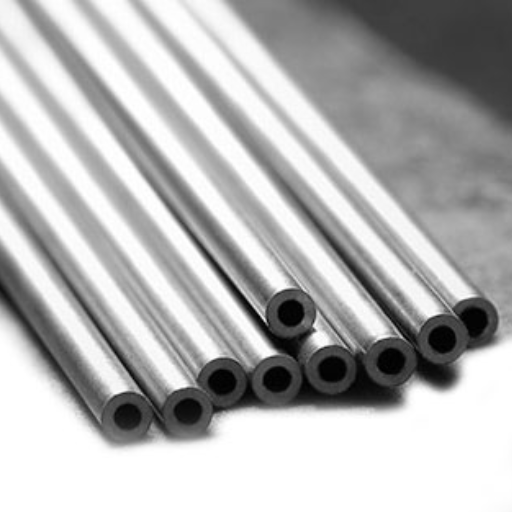
The right C12200 copper tube manufacturer is the one that can prove chemistry, standards compliance, and dimensional control before the material ships, not after it fails on your job site. C12200 phosphorus-deoxidized high-phosphorus (DHP) copper is the default grade for plumbing, HVAC, refrigeration, and heat exchanger tubing because it brazes cleanly and resists hydrogen embrittlement. But a low-grade supplier, a mislabeled temper, or a missing Mill Test Report (MTR) can turn a routine procurement decision into a field failure or customs delay.
This guide is for procurement managers, HVAC contractors, and heat exchanger engineers who need to source C12200 copper tube from China with confidence. You’ll learn how C12200 differs from C11000, which ASTM standards govern the grade, what documentation to demand, and how to qualify a C12200 copper tube supplier China before placing an order. By the end, you’ll have a practical RFQ checklist and a supplier qualification framework you can apply immediately.
Key Takeaways
- A credible C12200 copper tube manufacturer must provide heat analysis, temper certification, and dimensional inspection reports before production, not after delivery.
- C12200 (DHP) outperforms C11000 (ETP) in brazed plumbing, HVAC, and refrigeration systems because the phosphorus addition prevents hydrogen embrittlement.
- Demand compliance with ASTM B68, B75, B88, B111, or B280 depending on the application, and always request an EN 10204 3.1 MTR with the order.
- Typical China pricing for C12200 copper tube ranges from 6.50–6.50–10.50/kg, with MOQs of 300–1,000 kg and lead times of 3–6 weeks plus shipping.
- Always request a sample MTR and third-party inspection support before committing to a new C12200 copper tube supplier.
What Is C12200 Copper Tube?

C12200 is a phosphorus-deoxidized high-phosphorus copper alloy, commonly called DHP copper or Cu-DHP. The UNS designation is UNS C12200, the European equivalent is CW024A under EN 1057, and the chemistry is straightforward: copper content of 99.9% minimum and phosphorus in the range of 0.015% to 0.040%. That small phosphorus addition changes everything.
The phosphorus acts as a deoxidizer. It binds residual oxygen in the copper matrix. In brazing and welding, oxygen-free or deoxidized copper resists hydrogen embrittlement, a failure mode where oxygen reacts with hydrogen at elevated temperatures to form water vapor inside the grain structure.
The result is cracking along the heat-affected zone. C11000 electrolytic tough pitch (ETP) copper, with its higher oxygen content, is more vulnerable to this problem. C12200 avoids it.
The most common standards for C12200 copper tube include:
| Standard | Application |
|---|---|
| ASTM B68 | Seamless copper tube for air conditioning and refrigeration (ASTM B68 C12200 is common for ACR OEM tube) |
| ASTM B75 | Seamless copper tube for general engineering and heat exchangers |
| ASTM B88 | Seamless copper water tube (Type K, L, M) for plumbing |
| ASTM B111 | Copper and copper-alloy seamless condenser and heat exchanger tubes |
| ASTM B280 | Seamless copper tube for air conditioning and refrigeration field service |
| EN 1057 / CW024A | European plumbing and gas tube standard |
Temper designations also matter. O60 is soft annealed and used for bending and forming. H55 is half-hard and offers a balance between rigidity and formability. H80 is hard-drawn and common for straight lengths, coils, and applications where the tube must hold its shape. The right temper depends on the forming operation, not just the grade.
If you need a deeper technical review of C12200 chemistry and properties, see our phosphorus-deoxidized copper tube guide or refer to the Copper Development Association alloy database.
C12200 vs C11000 Copper Tube: The Grade Decision Before You Source
Before you send an RFQ to a C12200 copper tube manufacturer, confirm that C12200 is actually the grade your application needs. Many procurement failures start with a simple substitution: a buyer sources C11000 because it is cheaper or more available, then discovers it is the wrong alloy for a brazed assembly.
| Property | C12200 DHP | C11000 ETP |
|---|---|---|
| UNS designation | C12200 | C11000 |
| Copper content | ≥ 99.9% | ≥ 99.90% |
| Phosphorus content | 0.015%–0.040% | ≤ 0.001% |
| Electrical conductivity | ~85% IACS | ~100–101% IACS |
| Thermal conductivity | ~310–340 W/m·K | ~385–398 W/m·K |
| Hydrogen embrittlement resistance | Excellent | Poor in brazed/welded joints |
| Typical tube applications | Plumbing, HVAC, refrigeration, heat exchangers | Electrical busbar, non-brazed thermal conductors |
C11000 wins when electrical conductivity is the primary design driver. Busbar, motor windings, and some non-brazed thermal conductors are better served by ETP copper. C12200 wins in any system that will be brazed, welded, or exposed to hydrogen-bearing atmospheres during joining or service. That includes HVAC manifolds, refrigeration lines, plumbing systems, and heat exchanger tube bundles.
When the maintenance team at a commercial refrigeration contractor in Texas replaced an evaporator coil, they accepted a supplier’s offer of C11000 tube because it was priced 6% lower than C12200. The coils brazed normally during assembly. During the first pressure test, microcracks appeared along the brazed joints. The root cause was hydrogen embrittlement in the ETP copper. Switching to C12200 DHP eliminated the failures, but the rework cost three days and $12,000 in labor and refrigerant recovery.
Need help choosing between copper grades for a heat exchanger? See our copper tube for heat exchanger guide for application-specific guidance.
Key C12200 Copper Tube Specifications to Demand
A technically competent C12200 copper tube supplier should be able to provide the following information without being asked twice. If you have to chase for it, treat that as a signal.
Chemical Composition
The MTR must show copper and phosphorus content. C12200 requires copper ≥ 99.9% and phosphorus 0.015%–0.040%. Some suppliers may offer C12000 (DLP, low-phosphorus) and call it C12200. The phosphorus range is the differentiator. Always verify by heat analysis, not just the printed grade on the label.
Mechanical Properties by Temper
| Temper | Tensile Strength (min) | Yield Strength (min) | Elongation (min) |
|---|---|---|---|
| O60 (annealed) | 30 ksi (205 MPa) | 9 ksi (62 MPa) | 40% |
| H55 (half-hard) | 36 ksi (250 MPa) | 28 ksi (195 MPa) | 20% |
| H80 (hard-drawn) | 42 ksi (290 MPa) | 35 ksi (240 MPa) | 8% |
These values are typical for ASTM B75 and B88 tubes. Exact requirements vary by standard and wall thickness, so reference the specific standard in the MTR.
Dimensional Tolerances
ASTM B75 and B88 specify outside diameter, wall thickness, and length tolerances. For general engineering tube, OD tolerance is typically ±0.002 inch to ±0.005 inch depending on diameter. Wall thickness tolerance is typically ±10% for drawn tube. Don’t assume a supplier will hold tighter tolerances unless you specify them.
Testing and Cleanliness
For refrigeration and medical gas applications, cleanliness is as important as chemistry. ASTM B280 sets residue and moisture limits for air conditioning and refrigeration tube.
Hydrostatic testing confirms pressure integrity. Eddy current testing detects surface and near-surface defects. For heat exchanger tubes, ASTM B111 may require flattening, expansion, or NDT tests depending on the purchaser’s specification.
For a broader overview of seamless copper tube standards and tolerances, explore our seamless copper tube selection guide.
How to Qualify a C12200 Copper Tube Manufacturer

Qualifying a C12200 copper tube manufacturer, or any DHP copper tube manufacturer, means verifying that the supplier controls the process from raw material to shipment documentation. Use these seven checkpoints.
1. Verify Material Traceability and Heat Analysis
A credible manufacturer starts with certified cathode or mother tube and can trace every shipment back to a heat number. Request a sample MTR before the first order. The MTR should show heat analysis for copper, phosphorus, and residual elements. If the supplier refuses or delays, that is a red flag.
2. Confirm Standards Compliance, Not Just Quote Compliance
Many trading companies will quote ASTM B75 or B88 without owning the testing capability. Ask which standard applies, which tests are performed in-house, and which are subcontracted. In-house spectrographic analysis, hydraulic testing, and eddy current testing indicate real manufacturing control.
3. Review Dimensional and NDT Capability
Ask for dimensional inspection reports from recent shipments. Confirm that the supplier can hold the OD, wall, and straightness tolerances your project requires. For coiled products, verify coil diameter and weight limits. For heat exchanger tubes, ask about eddy current or ultrasonic testing capacity.
4. Confirm Temper and Annealing Control
Temper is not a guess. It is controlled by annealing temperature, time, and final cold reduction. A manufacturer with in-house bright annealing furnaces can offer O60, H55, and H80 consistently. A trader who outsources annealing has less control and longer lead times.
5. Audit Cleanliness and Packaging Processes
For HVAC and refrigeration tube, ask how the supplier dehydrates, nitrogen-charges, and seals the tube ends. Sealed plastic caps or nitrogen-filled coils prevent internal oxidation and contamination during sea freight. For plumbing tube, ask about end protection and bundle labeling.
6. Assess Export Documentation Experience
International shipments require more than a commercial invoice. A qualified C12200 copper tube supplier should provide packing lists, certificates of origin, correct HS codes, and MTRs with heat numbers matching the material marks. Ask about Incoterms, loading experience, and destination-specific certifications.
7. Request Sample MTR Before Order
This is the simplest and most effective qualification step. A sample MTR reveals whether the supplier understands the grade, the standard, and the documentation requirements. At Zhongzheng, we provide sample MTRs and third-party inspection support on request because procurement confidence starts with transparent documentation.
Ready to evaluate a supplier with a documented checklist? Request a sample MTR and quotation from Zhongzheng and compare it against your current source.
C12200 Copper Tube Applications That Shape Sourcing
The application determines which standard, temper, and test package matter most. A one-size-fits-all RFQ invites a one-size-fits-all failure.
HVAC and Refrigeration
ASTM B280 is the standard for air conditioning and refrigeration field service. C12200 tube in H80 or H55 temper is used for line sets, evaporators, and condensers. Cleanliness and brazability are critical. Any residue or moisture left inside the tube contaminates the refrigerant circuit.
Plumbing and Potable Water
ASTM B88 defines Type K, L, and M seamless copper water tube. Type L is the most common for residential and commercial potable water. C12200 is the default alloy because it resists dezincification and forms reliable soldered and brazed joints. EN 1057 / CW024A serves the same role in European markets.
Heat Exchangers and Condensers
ASTM B75 and ASTM B111 cover seamless copper tube for heat exchangers. C12200 is used in shell-and-tube condensers, evaporators, and cooling systems where brazed or expanded tube-to-tubesheet joints are required. Temper and wall tolerance directly affect tube expansion and leak tightness.
Medical Gas and Specialty Systems
NFPA 99 and related standards impose cleanliness and identification requirements for medical gas tubing. C12200 is suitable, but the supplier must demonstrate internal cleanliness, proper marking, and documentation discipline beyond the base ASTM standard. For small-diameter precision tubing, our capillary copper tube manufacturer guide covers tighter ID tolerances and ASTM B360 requirements.
Solar Thermal and Gas Distribution
C12200 is also used in solar thermal collectors and low-pressure gas distribution where the combination of thermal conductivity, formability, and brazing performance matters.
RFQ Checklist for C12200 Copper Tube

Use this checklist to make sure your RFQ captures everything a precision C12200 copper tube manufacturer needs to quote accurately.
- UNS grade and standard: C12200 / ASTM B68 / B75 / B88 / B111 / B280 / EN 1057
- Temper: O60, H55, or H80
- Outside diameter with tolerance
- Wall thickness with tolerance, or inside diameter if critical
- Length: straight lengths, coils, or pancake coils
- Quantity and delivery schedule
- Cleanliness level: standard or enhanced for refrigeration/medical gas
- Test package: hydrostatic, eddy current, tensile, flattening, expansion
- Certification package: MTR, EN 10204 3.1 or 3.2, certificate of origin
- Packaging: bundle size, end caps, nitrogen charge, export crate
- Delivery terms: Incoterms, port, lead time, sample requirements
A complete RFQ reduces back-and-forth and exposes suppliers who are quoting from a catalog rather than manufacturing to specification. If the supplier returns a quote without asking clarifying questions about temper or testing, proceed with caution.
Typical Pricing, MOQ, and Lead Times from China
Pricing for C12200 copper tube from China moves with the LME copper price, but the landed cost also depends on diameter, temper, cleanliness level, and certification package. As a general guide:
| Factor | Typical Range |
|---|---|
| Price | 6.50–6.50–10.50/kg FOB China |
| MOQ | 300–1,000 kg depending on size and temper |
| Lead time | 3–6 weeks production plus shipping |
| Sample MTR | Usually available within 1–3 business days |
| Third-party inspection | SGS, BV, TUV; typically 3–5 days on-site |
Larger diameters, tighter tolerances, and enhanced cleanliness or testing packages push pricing toward the upper end. Small specialty lots below 300 kg may be possible, but expect higher per-kilogram pricing and longer lead times. Always confirm Incoterms and whether the price includes export packing, because copper tube is heavy and poorly packed bundles can deform in transit.
When a procurement manager at an HVAC distributor in Florida evaluated three Chinese C12200 copper tube suppliers, the lowest quote came from a trading company that could not provide a sample MTR. The second-lowest quote included an MTR but showed phosphorus at 0.012%, below the C12200 minimum. The third supplier’s quote was 8% higher but included a verified MTR, eddy current test reports, and FCA terms to the port. She chose the third supplier. The first two would have cost more in rejected material, delayed shipments, and customer complaints than the premium she paid upfront.
FAQ: Choosing a C12200 Copper Tube Manufacturer
What is the difference between C12200 and C11000 copper tube?
C12200 is phosphorus-deoxidized high-phosphorus (DHP) copper with 0.015%–0.040% phosphorus. C11000 is electrolytic tough pitch (ETP) copper with higher oxygen content. C12200 resists hydrogen embrittlement and is preferred for brazed plumbing, HVAC, and refrigeration systems. C11000 has higher electrical conductivity and is used for electrical and non-brazed thermal applications.
Which ASTM standard applies to C12200 copper tube?
The standard depends on the application. ASTM B280 covers ACR field service tube. ASTM B88 covers plumbing water tube. ASTM B75 and B111 cover heat exchanger and condenser tube. ASTM B68 covers general ACR seamless tube. Always specify the relevant standard in your RFQ.
What documentation should I demand from a C12200 copper tube supplier?
Request the Mill Test Report (MTR) with heat analysis, EN 10204 3.1 or 3.2 certification, dimensional inspection report, and any applicable test reports such as hydrostatic, eddy current, flattening, or expansion. For refrigeration and medical gas, also request cleanliness test results.
How do I verify a C12200 copper tube manufacturer is legitimate?
Ask for a sample MTR, factory audit capability, and references from export clients. Verify that the supplier performs in-house testing such as spectrographic analysis and eddy current inspection. Third-party inspection by SGS, Bureau Veritas, or TUV adds another layer of confidence.
What is a typical MOQ for C12200 copper tube from China?
Typical MOQs range from 300 kg to 1,000 kg depending on diameter, temper, and specification. Smaller quantities may be negotiated for standard sizes, but expect higher per-kilogram pricing.
How much does C12200 copper tube cost from China?
Pricing typically ranges from 6.50to6.50to10.50/kg FOB China, depending on copper LME pricing, temper, diameter, wall thickness, cleanliness requirements, and certification package. Shipping, duties, and inland transport are additional.
Conclusion
C12200 copper tube is the right grade for most plumbing, HVAC, refrigeration, and heat exchanger applications, but only if the supplier can prove what is inside the tube. The difference between a reliable C12200 copper tube manufacturer and a risky one is not the price. It is the documentation, the process control, and the willingness to let you verify both before you order.
Start your next sourcing decision with a clear RFQ that references the correct ASTM or EN standard. Request a sample MTR and confirm phosphorus content. Verify temper capability, dimensional tolerance, and testing discipline. And match the grade to the application, C12200 for brazed systems, C11000 for conductivity-driven designs.
If you are evaluating a new C12200 copper tube manufacturer or replacing an underperforming supplier, the checklist in this guide gives you a structured way to compare sources. Request a sample MTR and quotation from Zhongzheng today via our contact page, and put your next C12200 copper tube order on a documented, verifiable footing.