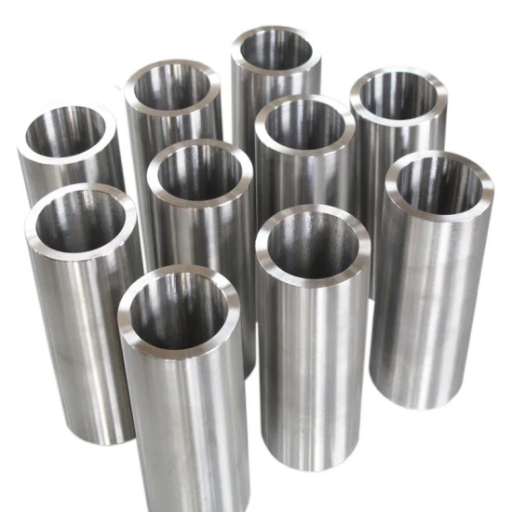
Famous as an incredibly strong, resilient, and multifunctional material, stainless steel has a very relevant, underrated caters– its heat in a certain aspect of practicality. Construction, manufacturing, and engineering are among fields where the thermal conductivity of stainless steel is highly regarded. How does stainless steel behave with respect to conducting heat vis-a-vis other materials? What determines its thermal behavior? And what is the relevance of this information in both technological and common spheres of life? This article discusses the significant attributes of the thermal conductivity for stainless steel, makes an interesting analysis of other metals in this regard as well, and expounds on its significance. It will all be followed by an illustration of the application of this predictably reliable, innovative material. Additional information on the advantages of stainless steel will be available, so stay tuned.
Introduction to Thermal Conductivity in Metals
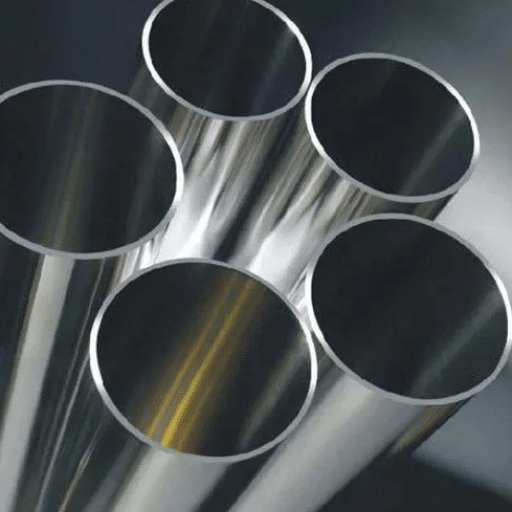
All materials vary in their capacity to conduct heat. Thus, both temperature and materials are the parameters that affect thermal transmission in which almost all metals are called a ‘Conductor’, with copper and aluminum being the best heat conductors as most materials of construction. Unfortunately, stainless steel is not so effective as other metals such copper or aluminum when it comes to heat transfer, however it offers significant thermal conductivity making the material good solution for many purposes revolving around controlled heat transfer. It is also assisted by other positives such as being corrosion and weather resistance, both of which increase the marketability of the material. It is clever to understand the impact that metals would have in terms of energy and heat because it aids in the choice of materials for engineering as well as other fields.
Definition of Thermal Conductivity
A material’s capacity to transfer heat is referred to as thermal conductivity. It is a characterization of the heat energy that passes through a material as a result of a temperature difference across the material. Among such high-conductivity materials are metals such as copper and aluminum, which conduct heat very efficiently, hence why such metals are very much at home in applications such as heat exchangers, radiators and heat sinks for electronics. However, a material with low thermal conductivity such as wood or plastic is more suited for use as an insulator.
From current knowledge, the thermal conductivity of a substance is measured in watts over meters per Kelvin. For different types of material, the figure is not fixed. Most things will be around say that copper which exhibits high thermal conductivity of nearly 400 W/m·K, as compared to air which is a very good insulator because it has a very low thermal conductivity about 0.025 W/m·K. The importance of this parameter can never be overemphasized in any activity that requires heating components in engineering and science, since it determines the performance and other factors of the technology.
Importance of Thermal Conductivity in Engineering
The concept of thermal conductivity is very crucial in engineering. It determines the entire outline of most systems and the efficiency of the same. Some structures or systems use materials that have very good thermal conductivity. In other words, such materials as silver, copper, etc. are mainly used as cooling equipment, because they allow heat to be dissipated very quickly and are perfect for electronic circuits, heat exchangers, and super-CPU coolers. However, high thermal insulation materials such as ceramics and, often, headed foams (for instance, Perilight) have low heat conduction and are used where one needs to prevent energy losses in the building and engineering industries.
Advancements and developments focus attention on the necessity of this characteristic for newer solutions. In other words, systems where renewable energy sources are involved, for instance, solar cells and thermoelectric devices, need improvement of the thermal performance feature to increase the energy output. On another note, advancement in nanotechnology has brought into the design of new mateterial such as graphene which has very good thermally conductive properties and opportunities are being opened in areas as diverse as electronics and aerospace. This is the reason why it is important to embrace and expand on the concept of thermal conductivity for stainless steel and other materials, to encourage innovation and progress in current issues.
Overview of Metals as Thermal Conductors
Metals stand out in industrial and technological uses for their ability to conduct heat fast. This is because they have electrons that are free to move about and transfer heat quickly and effortlessly. Out of many metals, two stand out for their high thermal conductivities – copper and silver. With an almost 429 W/m gradient, silver registers the maximum heat transfer of all metals while copper is not far behind with approximately 398 W/m. This makes them very suitable for making a range of heat dissipating devices, components, and systems.
Among metals also aluminium is very commonly used owing to its excellent combination of thermal conductivity (approximately 237 W/m·K) and light weight hence is very commonly used in heat exchangers and also in automotive components. On the contrary stainless steel is not as good (has a thermal conductivity for stainless steel, which is in the range of 15-25 W/m·K) but is used for its structural strength and non-corrosiveness hence making it applicable in some cases unless the heat transfer rate is a high priority.
The progress in the field of material science is constantly expanding the scope of application of metals as heat conductors. For example, the development of composites with copper and graphene takes place, which allows performance characteristics larger than that of pure copper. Conductive materials are being developed to cope with the new challenges brought about by modern technologies such as the electric car, the aerospace sector or electronics downsizing, all of which require effective management of heat.
Fabrication of improved thermal management solutions is aided by appreciating the use of metals in the designing process. New materials are being developed, but metals are still in their prime position. Material science seeks to understand the usage of these materials to devise methods of improvements in technological use of heat exchange products in relevant industries where such products are most used.
Understanding Stainless Steel
The fundamental constituents of stainless steel include iron, chromium, and some other elements such as nickel and molybdenum that improve the materials’ characteristics. Exceptionally high resistance to corrosion is achieved when there is at least 10.5% chromium present enabling the formation of passive fume masking film on top of the metal skin. It is decided that such a film guarantees the freedom of red corroding spots not appearing. This key property along with high energy makes stainless steel an industry must in construction, automotive, medical, and foods processing industry.
It is very common for people to ask, “Why use stainless steel?” Materials are selected for use in various applications depending on many factors, and stainless steel is one such material. Apart from the fact that stainless steel is self-restoring and resists oxidation, it also has good heat resistance properties and can survive aggressive environments. This is actually convenient for anyone who seeks high clinelens, like medical equipment and kitchenware, because it is clean and does not engage any reaction. Also, it should be noted that the thermal conductivity for stainless steel is much cheaper, making it an affordable solution for present and future challenges.
What is Stainless Steel?
Stainless steel, as the name suggests, is a steel alloy comprising primarily iron, chromium and at times nickel along with other metals. The main characteristic of stainless steel is its non-corrosive and non-staining nature which is possible due to the addition of ‘at least’ ten point five percent of chromium into the composition. This is because chromium elements fuse with oxygen to create this ultra-thin coat on the surface of a metal slab over a period of time. This film can repair itself when broken, and this is the most important reason why stainless steel is so resistant to corrosion.
Stainless steel is utilized in a number of industries, but because of its durability, versatility, and visual appeal, it is especially prominent in architecture, device design for healthcare, utensils, automotive components, and some other fields. Most of the uses can be understood in terms of four types of stainless steel; ferritic, austenitic, martensitic and duplex, of which each has a specific application because of its chemistry and associated characteristics. Because there are those areas or settings, including manufacture or engineering, in which high temperature levels are required besides inhospitable chemical environments and there is the demand for a clean surface; it is of great importance as a material.
Different Grades of Stainless Steel
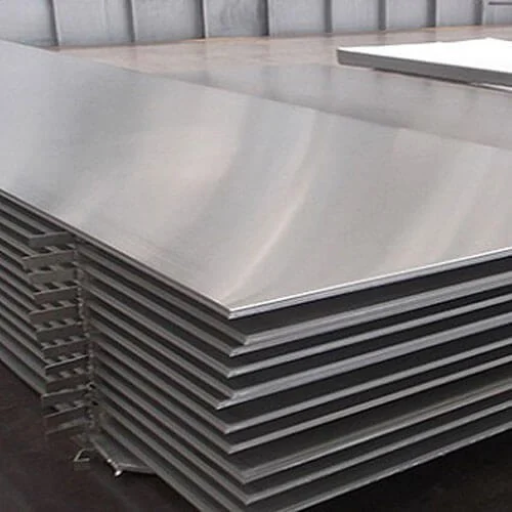
Thermal conductivity is a measure of the ability of a material to conduct heat. Such materials include different types of stainless steel, which will be discussed in more detail in this article. For example, one of the most common shapes in which stainless steel is manufactured is sheet (also known as plate). In this case, thermal conductivity of the steel plays an important role as it varies in different types of roles i.e., in its raw form and in its molded form (bent, cupped, etc).
Ferrous based materials: Ferritic stainless steels are used for their excellent resistance to oxidation and corrosion allowing them to be used in decorative, built-in and vehicle parts among others. Such grades as 409 and 430 stainless steels will be branded as ferritic
Austenitic Stainless Steel: This is the most common form of stainless steel. Its remarkable advantage includes its’ strong resistance to corrosion as well as formability. So it’s commonly seen in use of food better kitchen wares and food preparation machines including architectural juares. The following grades 304 316 stainless steels are commonly mentioned.
Martensitic Stainless Steel: This type of stainless steel is famous for its very high strength and hardness such materials are located on several mechanical equipment knives sets of dissection and most heating tools. Other grades alternatives have been limited only to a few such as 410 and 420 which mostly fall under this category.
Owing to these structural microchemistry differences heads up material ferritic and austenitic duplex use features features reinforced with great advantages especially under thermal and stress corrosion conditions thus ideal for chemical pulp and paper and oil production industries. Some of the steels included are grade 2205 and 2507.
Common Alloys of Stainless Steel
304, The Most Common Stainless Steel Alloy: The grade of stainless steel 304, as the name implies, is not only the most commonly used stainless steel alloy but also one of the best when it comes to corrosion resistance, strength and even the wide range of its applications. This grade of stainless steel is put into use for the fabrication of kitchen appliances, building materials, chemical preservers and several other preparations whose most important characteristic is that chromium and nickel are present in these two.
316, Molybdenum Bearing Stainless Steel: Adding molybdenum to 316, however, increases its resistance, especially to pitting in chloride environments or waters that contain them. So it offers best solutions for those working with marine equipment, hospitals, and even structural facilities.
430 Ferritic Stainless Steel: 430 is very corrosion resistant and belongs to a class of ferritic steel. Nonetheless, it should be noted that in this case, the thermal conductivity for stainless steel is quite good while the surface is all shining. Used traditionally in domestic appliances various coach parts used in vehicles and certain decorative applications in buildings.
2205 Duplex Stainless Steel: The production of this particular steel has allowed for the combination of austenitic and ferritic steels which makes it among the strongest steels and for which the resistance to stress corrosion cracks has been improved, hence the extensive application of it in the industries of chemical processes, oil and gas, and paper/pulp.
409 Stainless Steel: This steel is a component of the class of ferritic steels and has found applications in heat-resistance as well as low-cost components such as the automotive exhaust systems where it is particularly attractive.
Thermal Conductivity of Stainless Steel
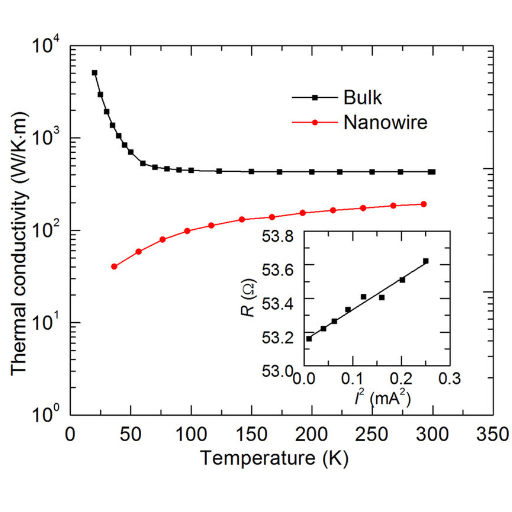
Different metals have different thermal conductivities and stainless steel has a relatively lower value compared to aluminium or copper. The thermal conductivity for stainless steel usually lies between 10 and 30 Watts per meter Kelvin (W/m·K) at room temperature, depending on the grade and composition. For instance, 304 and 316 stainless steel grades which are among the austenitic stainless steels category have low thermal conductivities of about 16 W/(m·K), while for example, in the ferritic stainless steels category with steel 409 has slightly elevated thermal conductivity that is, usually about 24 W/(m·K). Stainless steel effectively serves as a heat insulator or a heat transfer inhibitor which is required in many uses like heat exchangers, automobile mufflers, and industrial furnaces. Its durability. One of the key advantages of stainless steel is that it possesses high strength and stability especially at elevated temperatures which extends its usability.
Thermal Conductivity Values of 304 Stainless Steel
In most cases, the thermal conductivity of stainless steel 304 is i.e. 16-21 W/m/K at room temperature (near 20°С). It might be slightly higher or lower depending on the specific composition of the alloy and temperature gradient. It should be noted that most metals with Wärmkohle as the heat conductor like copper or aluminum have a much higher conduction of heat than stainless steel. Importantly, such heat conduction as it stands within 304 stainless steel is unquestionably precious for such in case where heat transfer is of (or ought to be) minimal lest interfere with the process, for example, industrial processing apparatus, cookware or even some insulating components. It retains and courts such caliber as it is expected where the climate allows working with such steels too – ok event with those who are limited in Durso steel.
Comparative Analysis of Thermal Conductivity Among Stainless Steel Grades
|
Key Point |
Grade 304 |
Grade 316 |
Grade 310 |
|---|---|---|---|
|
Thermal Conduct. |
~16.2 W/m·K |
~14.6 W/m·K |
~22.7 W/m·K |
|
Corrosion Resist. |
High |
Very high |
Moderate |
|
Heat Resistance |
Moderate |
High |
Very high |
|
Applications |
General use |
Marine, medical |
High-temp environments |
|
Cost |
Affordable |
Higher |
Expensive |
Factors Affecting the Thermal Conductivity of Stainless Steel
|
Key Point |
Aluminum |
Stainless Steel |
|---|---|---|
|
Thermal Conduct. |
~235 W/m·K |
~15-30 W/m·K |
|
Heat Transfer |
Excellent |
Moderate |
|
Weight |
Lightweight |
Heavier |
|
Corrosion Resist. |
Moderate |
High |
|
Cost |
Affordable |
Higher |
|
Applications |
Heat exchangers |
Structural, cookware |
Stainless Steel Comparison with Other Metals
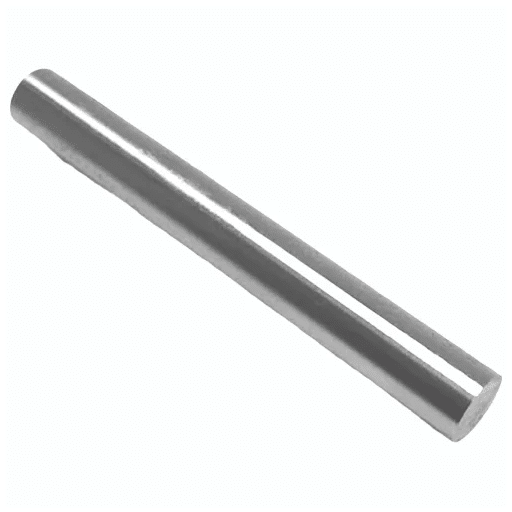
|
Key Point |
Stainless Steel |
Aluminum |
Carbon Steel |
|---|---|---|---|
|
Strength |
High |
Moderate |
Very high |
|
Corrosion Resist. |
Excellent |
Moderate |
Low |
|
Weight |
Heavy |
Lightweight |
Heavy |
|
Thermal Conduct. |
Low |
High |
Moderate |
|
Cost |
Expensive |
Affordable |
Cheapest |
|
Durability |
Very high |
Moderate |
Moderate |
|
Applications |
Structural, cookware |
Aerospace, heat exch. |
Construction, tools |
Thermal Conductivity of Aluminum vs. Stainless Steel
|
Key Point |
Aluminum |
Stainless Steel |
|---|---|---|
|
Thermal Conduct. |
~235 W/m·K |
~15-30 W/m·K |
|
Heat Transfer |
Excellent |
Moderate |
|
Weight |
Lightweight |
Heavier |
|
Corrosion Resist. |
Moderate |
High |
|
Cost |
Affordable |
Higher |
|
Applications |
Heat exchangers |
Structural, cookware |
Stainless Steel Comparison with Carbon Steel and Titanium
|
Key Point |
Stainless Steel |
Carbon Steel |
Titanium |
|---|---|---|---|
|
Strength |
High |
Very high |
Moderate |
|
Corrosion Resist. |
Excellent |
Low |
Superior |
|
Weight |
Moderate |
Heavy |
Lightweight |
|
Cost |
Affordable |
Cheapest |
Expensive |
|
Durability |
High |
Moderate |
Very high |
|
Machinability |
Moderate |
Easy |
Challenging |
|
Applications |
Versatile |
Structural |
Aerospace, Medical |
Identifying Metals with the Lowest Thermal Conductivit
Of metals that are in common usage, titanium easily stands out for its extremely low thermal conductivity. Its thermal conductivity even at 16.4 W/m·K is nearly 3.5 times lower than that for stainless steel or carbon steel, which both vary from about 43 to 50 W/m·K and 45 to 54 W/m·K respectively. This makes titanium especially useful for thermal insulation purposes which are common in aerospace and medical industry any places. In this way, even though its price as well as machining restrictions are weighty concerns, its light weight is commendable ability of titanium.
Applications of Stainless Steel Based on Thermal Properties
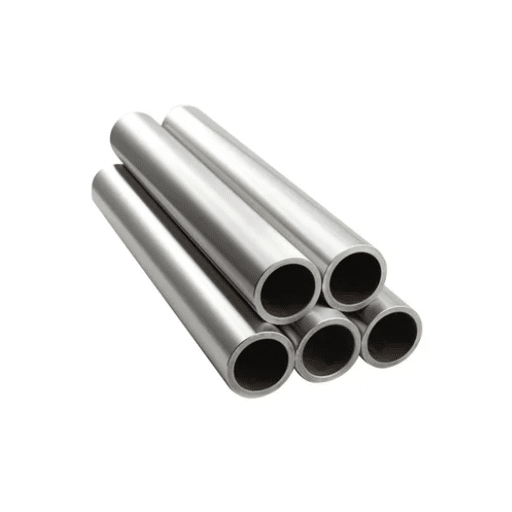
Modes of Thermal Transfer
The most commonly known materials for heat exchangers are stainless especially because of its thermal conductivity and ability to resist corrosion even when the conditions change drastically. These include power plants, chemical industries, and HVAC- heating, ventilation, and air conditioning, systems.
Cooking Utensils
Steel wire knives, and pans the obtained thermal energy remains constant for a long time. Because of this and focus application, they are easily washed and do not cause discomfort.
High-Temperature
Stainless steel has thermal properties which make it usable in boilers as well as pressure vessels that employ high yet varying temperatures. This provides the efficiency of work, as well as the long exploitation period.
Storage Tanks for Low Temperature Liquefied Gas
The capacity of stainless steel to remain ductile within very low temperatures makes it a good material for the construction of cryogenic containers, which are used to hold liquefied gases such as nitrogen, oxygen and natural gas.
Industrial Burners and Ovens
Stainless steel is incorporated in certain parts of furnaces and kilns that bear intense heat, which may include conveyor belts, heating elements, and support structures, where high thermal conductivity for stainless steel and corrosion withstand are vital.
Use in Construction and Architecture
Stainless steel is also an important material in building construction as well as in interior and exterior architecture due to the fact that it is strong, durable, and does not rust. Its soft sheen and mirrored surface make it attractive to look at and so structures are designed using such materials. Many uses of the material include forming structural frames, wraps, balustrades, roofs and curtain walling. Furthermore, the fact that it will not deteriorate over time or under extreme conditions also supports green building ideas. Architects often resort, in their practice, to using stainless steel due to its flexibility – it can be formed into any shape or form to fit any design without losing its strength. Along with the advancement in modern engineering, innovations such as waterproof stainless steel aids in enhancing the _detail of architecture as well as strengthening the support function of architectures in postmodernism.
Role in Cooking and Kitchen Equipment
The application of stainless steel in modern cookware and kitchen apparatus is indispensible because of its strength, corrosion resistability and also the ability to remain spotless. Web search operations reveal that there is an increase in the number of people who are looking for the explanation as to why the kitchen equipment can only be made of stainless steel. Because of this migrating trend it is apparent that there is an increased consumption of kitchen equipment that is more efficient. As a base material, it is found in kettles, pans, chopping boards, as well as in cookers as it does not react with food thus ensuring the sensitivity of flavors intact. At the same time the most welcomelicious feature is the fact that it is easy to clean and does not support stains or scratches. As the cutting edge, ultra modern appearance helps. stainless steel also forms an important part of high-performance kitchens that are intended to stand the test of time.
Applications in Automotive and Aerospace Industries
Exhaust System
Cars and trucks are usually designed to have exhaust systems made of stainless steel. This mandatory material selection is due to the good corrosion properties of stainless steel even during use in waters with junction or high heat and salt effects.
Structural Components
In the automotive industry as well as in the aerospace when it comes to structural applications such as this, care will always be made to avoid the use of unnecessary biopsy samples as the inclusion of load-bearing components often requires the need to avoid them. This is so because of its intrinsic properties to store energy under pressure well without adding too much weight therefore better performance and safety.
Fuel and Hydraulic Systems
Stainless steel enhances the durability of fuel storage tanks, conduit systems, or whiten matrix hydraulic equipments accomplishing lining optimization against abrasive fuels and cut hydraulic fluids.
Fasteners, Nuts and Screws
Fasteners, screws or bolts that are used in the making of air crafts as well as in vehicles use stainless steel since this particular medium demands applications of high strength as well as resistance against degradation from the environment in order to be safe as well as function effectively without failure.
Turbine Engines for Aeroplanes
Stainless steel alloys are pivotal materials involved in manufacturing turbine blades and engine parts which withstand stress, heat, oxidization that ensures proper working of engines.
References
-
Springer: Thermal conductivity of selected stainless steels
This work provides a detailed analysis of the thermal conductivity of various stainless steel grades. -
Springer: The thermal conductivity of AISI 304L stainless steel
A critical analysis of the thermal conductivity of AISI 304L stainless steel across a wide temperature range. -
Springer: Thermal conductivity and thermal expansion of stainless steels D9 and HT9
This paper examines the thermal conductivity and expansion properties of specific stainless steel grades.
Frequently Asked Questions (FAQ)
What can one say is the comparison across thermal conductivity for stainless steel across other metals?
Thermal conductivity in the case of stainless steels is usually within the sub-range 15-25 watts per kelvin-metre. This is quite low in comparison to metals such as copper and aluminum which have much higher thermal conductivities. Heat retention is useful in some applications, such as food processing equipment and cookware made from stainless steel.
Is it possible to note any variations in oxidation resistance among the grades of the different types of stainless steel?
The different grades of stainless steels are not the same regarding thermal conductivity. UNS S30400, which is one of the most common austenitic stainless steels, has a thermal conductivity of about 16 watts per kelvin meter. This is in sharp contrast to thermal conductivity of ferritic stainless steels which is usually higher owing to its microstructure and other factors that may result in poor thermal conductivity.
Why does low thermal conductivity prove to be important for some applications?
It is necessary to have materials with low thermal conductivity in some applications because heat must be kept within the material or must be insulated. For instance, it is desirable to have surgical equipment or food processing equipment made of materials that are not good conductors of heat so as not to lose the heat, but achieved temperature in their construction.
In what way does the content of chromium in stainless adopted steel influences its thermal conductivity?
General characteristics of the chromium in an adopted stainless steel can also be detrimental to its thermal conductivity. Elements with a higher chromium content could lead the crystals to have a more complex dimension which tends to have poor heat transference properties. In architectural preferences, when there is balancing of heat issues and at the same time, the structure will be subject to pressure, this may become an issue.
How does the thermal conductivity for stainless steel compare with carbon steel?
In comparison to carbon steel, stainless steel is regarded as having lower thermal conductivity; with thermal conductivities of carbon steel reaching up to 45 Watts by Kelvin per metre, stainless steel typically performs considerably worse. Despite the fact that carbon steel basements pipe will conduct more heat, stainless steel occurs with an added benefit of being non-corrosive and allowing for keeping more heat within the stratum so it can be used where this is needed.
The reasons as to why stainless steel is said to be a poor conductor of heat?
This is because the thermal conductivity of stainless steel is considered to be low when compared to other metallic materials as a result of its structural makeup. The components and the structural matrix of the stainless steel also help prevent heat flow hence this material becomes inefficient for heat transfer applications.
Is there any relation between heat treatment of a metal such as stainless steel and its conductivity to heat?
Thermal conductivity of materials, including stainless steel can be improved or changed after heat treatment. Environments such as pipes and kitchen wares require better heat conduction, a function that may be possible when the heat treatment such as annealing is done to relieve internal stress while improving the microstructure.
Is there any way to improve the thermal conductivity for stainless steel?
Yes, adding certain alloying elements to improve the thermal conductivity of stainless steel is possible. With the example of adding aluminum and making the alloy high Conductivity relative to heat which is desired in such cases rather than their stainless steel’s advantages.