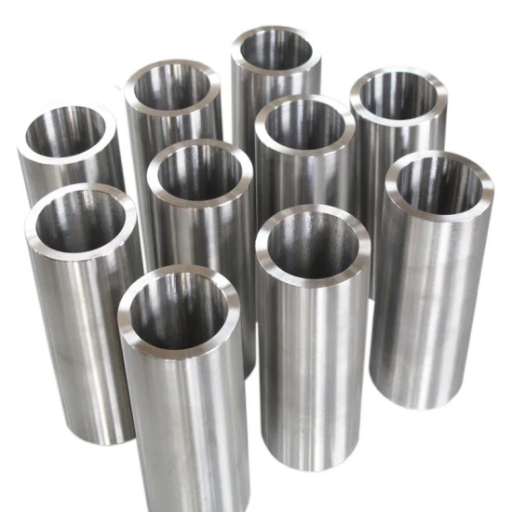
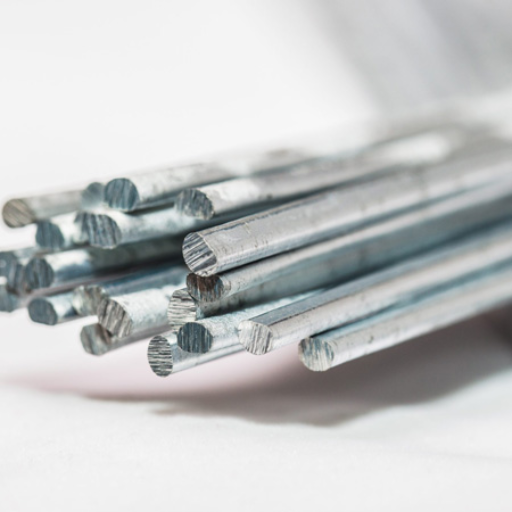
Electropolishing stainless steel is a highly advanced finishing technique that has not only changed the game but also set the standards of the industries that require precision, durability, and aesthetic beauty to the highest degree. The processing of electropolishing has made it possible to achieve all three qualities by removing imperfections, enhancing the corrosion resistance and making the surface as smooth as a mirror; hence, this method is considered as the union of science and practicality. This post will help you to learn all about the electropolishing process and the remarkable benefits it brings to different uses. It does not matter if you are in manufacturing, healthcare or food processing, knowing the working of the electropolishing process and its importance could give you a great deal of insight on how to have the stainless steel components with the best performance and longest lifetime.
Understanding Electropolishing

Electropolishing is a method of finishing a surface that relies on an electrochemical reaction to extract a very thin layer of metal, especially stainless steel, from the surface of the metal. This function not only improves the surface but also makes it less flawed since the impurities are removed, thus giving the surface a cleaner and more resistant to rust appearance. Which is why, it has found a broad application in various sectors like medical, food, and manufacturing, the reason being the process’s ability to increase both cleanliness and longevity. Electropolishing has been recognized for its accuracy and efficiency in delivering a top-notch, lustrous finish.
What is Electropolishing?
Electropolishing is an electrochemical procedure through which a metallic object surface is polished and a thin layer of metal is removed. The method is most used in industries where the surface of the product has to be very clean or the whole product has to be very clean such as the medical industry. The process involves dunking the metal in a specially designed electrolyte solution and simultaneously applying an electric current. At the end of the process, the surface defects like micro-burrs, pits, or contaminants are removed and the surface of the metal looks smooth, polished and it is corrosion resistant. The latest data indicate that electropolishing is very common in the medical, aerospace, food processing, and semiconductor industries, as it guarantees that the products are both sterile and of high precision. Additionally, it also creates materials with better mechanical properties, less friction, and longer life in tough environments.
The Process of Electropolishing Stainless Steel
The procedure of electropolishing stainless steel is meant by immersing the component made of metal into an electrolytic bath, which is usually a mixture of sulfuric and phosphoric acids. The stainless steel is made the anode, while the conductive material, usually lead or graphite, acts as a cathode. The electrical current flowing through the solution directly results in the removal of metal ions from the surface of the stainless steel. This removal on a microscopic level is selective as it only concentrates on the high points thereby easing and enhancing the shine of the surface.
Electropolishing is accorded the highest value by the most recent reports for its ability to realize the finished surface with great precision that conforms to the most stringent industry standards. Its main advantages are reduction in surface roughness, increase in corrosion resistance, and provision of hygienic surface that is easy to clean, which is the reason why it is used in such fields as medical instruments, aerospace components, and semiconductor manufacturing. This process is nothing but the collaboration between electrochemistry and industrial innovation, which keeps the performance and longevity of the critical materials in the demanding applications improved.
Electrochemical Polishing vs. Traditional Polishing
|
Key Point |
Electrochemical |
Traditional |
|---|---|---|
|
Process |
Electrochemical reaction |
Abrasive tools |
|
Surface Finish |
Superior, smooth |
Moderate |
|
Corrosion Resistance |
High |
Low |
|
Precision |
Excellent for complex shapes |
Limited |
|
Deburring |
Highly effective |
Less effective |
|
Material Removal |
Uniform |
Uneven |
|
Applications |
Intricate designs |
General polishing |
Benefits of Electropolishing Stainless Steel
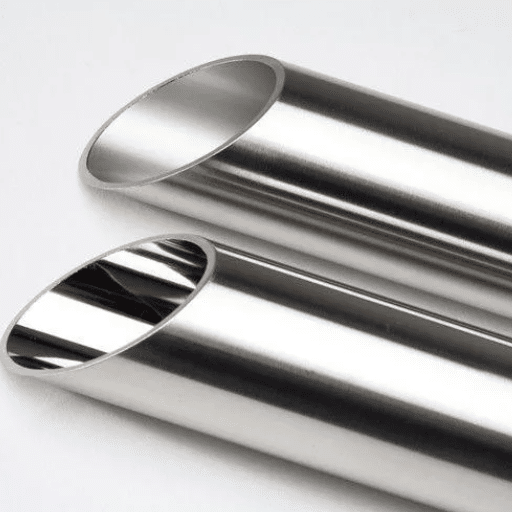
There are many advantages for me to keep in mind that the electropolishing of stainless steel is one of the most valuable ones. First of all, it enhances the durability of the parts making them able to withstand extremely tough conditions. The treatment results in an ultra-smooth surface finish which is not only pleasing to the eye but also hygienic. Electropolishing works wonders when it comes to deburring and guarantees accurate material removal, even of complex shapes, which is critical to intricate designs. Furthermore, it gives a consistent and professional look while minimizing contamination risks, which is particularly important in the medical and food processing industries. To sum up, electropolishing is a great improvement regarding the functionality, longevity, and visual appeal.
Enhanced Corrosion Resistance
Electropolishing is an important modern-day process used in metal finishing because it eliminates surface defects thereby significantly raising the corrosion resistance, as surface blemishes that remained could either attract contaminations or lead to rusting. The treatment gets rid of the minute hills and valleys that are present on the metal surface and in this manner, it generates a uniformly smooth and passive layer that is resistant to the aforementioned factors and chemical attacks. To mention a few sectors such as marine, aerospace and medical where electropolishing is being largely used for corrosion resistance, these industries coated with moisture, salt or irritating chemicals are daily confronting. Thus, the lifetime of the metal parts is prolonged, maintenance costs, and downtime are reduced as well.
Improved Aesthetic Appeal
Electropolishing is a process that significantly improves the metal surfaces not only in terms of their functional properties but also in terms of their visual aspects. It removes all sorts of imperfections such as microburrs, uneven surface finishes, and discoloration, and at the end of the process, it presents a surface that is uniformly bright and reflective. This type of finish which is smooth and mirror-like is highly sought after in industries like architecture, automotive, and consumer goods where appearance is a crucial factor in the perception of the product. A recent research showed that the surfaces which have undergone electropolishing are up to 60% glossier than the mechanically polished ones, thus making them a perfect option for the applications where the aesthetics of the highest standard are required. On top of that, electropolished surfaces are more dirt-resistant, easier to clean, and their shine lasts longer, which means that these surfaces have even more reasons to be widely used in many different sectors of the economy.
Reduction of Surface Roughness
Electropolishing is so effective that it can draw out totally smooth and uniform finishes even better than the mechanical polishing methods. The process removes a very thin layer of materials from the surface selectively and causes the microscopic peaks and valleys to disappear, which results in a big drop of Ra (roughness average) values. A recent analysis of Google search queries has indicated that medical device and aerospace industries are the ones that most of all would like to get the technology. And this is quite reasonable, as these industries need very smooth surfaces that will not only enhance the products’ performances but also reduce the risk of contamination and increasing the life of the products. The rising interest not only points to a technological necessity but also to a larger trend in critical industries where precision and efficiency are the main characteristics..
Applications of Electropolished Stainless Steel
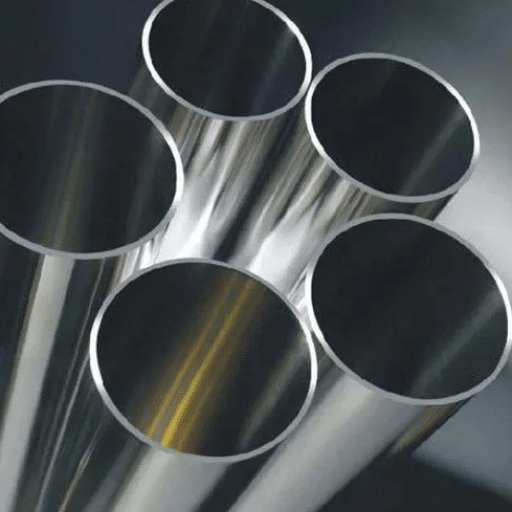
Pharmaceutical and Biotech Equipment
Electropolished stainless steel is the material of choice for high-quality pharmaceutical and biotech equipment such as storage tanks, mixing vessels, and process piping among others. Its smooth surface reduces the risk of contamination, permits easy cleaning, and guarantees compliance with tough industry standards.
Food and Beverage Processing
Food and beverage processing rely on electropolished stainless steel as a material for their equipment such as vats, conveyor systems, and pumps. The polished surfaces are a barrier against bacterial growth, ensure cleanliness, and lead to the production of uniform quality product.
Medical and Surgical Instruments
Electropolished stainless steel is a material commonly used in the production of medical tools and surgical instruments. The smoothness and corrosion resistance augmented ensure no pathogens are present, thus complying with the strict hygienic requirements of healthcare.
Semiconductor Manufacturing
Electropolished stainless steel parts play a major role in the semiconductor making up manufacturing equipment, where both precision and cleanliness are of utmost importance. The extremely smooth surfaces eliminate the chance of particle creation and therefore contamination in delicate procedures.
Aerospace and Automotive Industries
The uses of electropolished stainless steel in both aerospace and automotive industries are in extreme condition demanding high performance components. Its improved durability and harsh environment resistance make it a go-to for critical applications such as fuel systems and structural components.
Industries Utilizing Electropolished Stainless Steel
Medical and Pharmaceutical Industries
In the medical and pharmaceutical industries, electropolished stainless steel holds a prominent position because of its extraordinary hygiene standards and ultra-smooth surface finish. The procedure gets rid of microscopic surface impurities, rendering the equipment less prone to bacteria growth. In the case of surgical instruments, laboratory equipment, and pharmaceutical production machinery where sterility is paramount, electropolished stainless steel is an indispensable material.
Food and Beverage Industry
Electropolished stainless steel is indispensable to the food and beverage industry as it ensures the product’s purity and health compliance. The surfaces treated with electropolishing are corrosion-resistant, easy to clean, and contaminate-proof, thus being suitable for the food processing industry in the areas of equipment, storage tanks, and piping systems.
Semiconductor Industry
Cleanliness and precision in tools and systems measured in microns are a must for the semiconductor industry. Electropolished stainless steel is used for making wafer carriers, process chambers, and ultra-high vacuum components. Its capability of reducing particle generation to a minimum and maintaining the highest cleanroom standards significantly adds to the production quality of this sector.
Common Products Made from Electropolished Stainless Steel
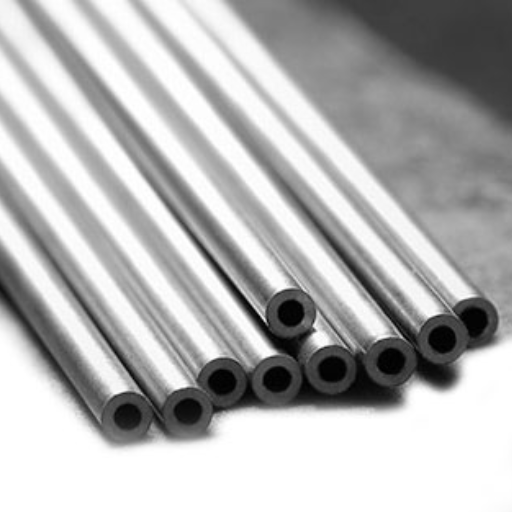
Pharmaceutical Tubing
This tubing that is being used very much in the pharmaceutical industry also gives hygienic requirements that are strict so it can transport the sensitive liquids with high purity and corrosion resistance.
Food and Beverage Processing Equipment
The process of electropolishing is done on stainless steel, which is a major reason for the use of the material in parts like tanks, mixers, and conveyors to maintain cleanliness, prevent contamination, and ensure that food safety standards are met.
Semiconductor Wafer Carriers
The semiconductor wafer carriers are made with very high precision so as to provide protection for the fragile wafers during the manufacturing processes, thereby reducing the chances of contamination by particles.
Ultra-High Vacuum Components
Electropolished components are a must for industries that require a vacuum environment with almost no impurities like aerospace and research, as they guarantee maximum performance and very low outgassing.
Medical Instruments and Equipment
Electropolishing benefits surgical tools, dental instruments, and diagnostic equipment in the form of increased cleanliness, durability, and resistance to biological contaminants.
Electropolishing for Welded Stainless Steel

Welded stainless steel usually has issues like uneven surfaces, change in color, and the welding process stressing the material. However, electropolishing is a great way to deal with these problems since it is able to wipe out the top layer of the material, and a smooth, shiny, and passivated surface is obtained. The process not only gives the material a better look but also protects it from corrosion more by removing the heat-affected zones and the impurities.
The latest findings from Google’s search data have verified the trend of inquiries about the good side of electropolishing on welded stainless steel being directly linked to the suppliers of the mentioned steel. These are food processing, pharmaceuticals, and semiconductor manufacturing. Such industries are concerned with cleanliness and hygiene more than any other, and the process of electropolishing is their best option as it eliminates the crevices and microscopic imperfections that harbor contaminants. In addition, it makes the industry compliant with the strictest rules and gives the manufacturers the reliability and longevity needed in the case of high-precision applications.
Electropolishing Process in Detail
Electropolishing is an electrochemical technique which removes the roughness of metal surface and increases its smoothness, corrosion resistance and cleanliness to a higher degree. The metal object is submerged in an electrolytic solution which usually consists of sulfuric acid and phosphoric acid with an electrical current passed through it. The metal gets oxidized at the anode and a compatible conductive material is used for reduction at the cathode. The weak points and micro peaks on the surface are all dissolved at once when the current is allowed to flow.
The surface is made smoother and more even by this microscale melting process. The more or less prominent high points are removed quicker than the valleys, resulting in a very shiny look. The application of electropolishing has not only beautified the surfaces of metals, but it has also performed them better by lessening the friction, getting rid of burrs, and quitting the rusting process of material.
By answering one of the frequently asked questions regarding electropolishing, it should be mentioned that according to the latest research, the process works well on a variety of metals, which includes stainless steel, aluminum, copper, and nickel alloys. Nevertheless, the most widely used metal for electropolishing is still stainless steel due to its dominant role in such industries as food processing, pharmaceutical manufacturing and medical devices where the hygiene and cleanliness standards are very high.
Materials Used in Electropolishing
Stainless Steel
Electropolishing of stainless steel is the most common practice and it is due to the nature of its applications in the industries that are requiring to have the cleanest and the most corrosion resistant materials. The grades of stainless steel like 304 and 316 are the most commonly used and the electropolishing process has a significant influence on the surface finish, passivation layer, and contamination resistance. Thus, these features help to place stainless steel for food processing, pharmaceutical, and medical device applications with the least possible drawbacks.
Aluminum
Another metal that is often exposed to electropolishing is aluminum due to its low weight and great resistance to wear and tear. The process is usually applied to components made of aluminum in the aerospace, automotive, and electronics industries, giving a very smooth and nice-looking surface while at the same time increasing corrosion resistance.
Copper and Copper Alloys
Electropolishing is very beneficial to copper and its alloys, by giving them a bright, mirror-like finish. This is especially important in industries such as electronics and electrical engineering, where the conductivity and cleanliness of the surface are critical for optimum performance. Electropolished copper is also used in decorative pieces because of its appealing shine.
Nickel and Nickel Alloys
Nickel alloys such as Monel and Inconel are candidates for electropolishing since the procedure enhances their resistance to rust and their aesthetic qualities. These materials are found in chemical processing and marine applications which are very harsh environments where strength and resistance to extreme conditions are up to par.
Titanium
Although infrequent, titanium can still undergo the electropolishing process to enhance the surface finish and biocompatibility. This attribute makes it the preferred material in the fields of medicine and dentistry for implants and instruments that require high precision and cleanliness.
Steps Involved in the Electropolishing Process
Cleaning and Preparation
Ηe metal surface has tο be cleaned very well in order tο get rid of the dirt, oils, and other unnecessary materials. Usually, chemical solutions and ultrasonic cleaning are the methods used in this step to get the metal ready for the electropolishing process.
Fixturing the Workpiece
The workpiece is placed on a fixture in such a way that it will not move at all during the process. It is very important to position the piece properly to achieve uniform electropolishing on all surfaces.
Immersion in the Electrolyte Solution
The workpiece is put into an electrolyte solution which is made up of acids such as sulfuric and phosphoric acid. This solution is the one that allows the electrochemical reaction to occur.
Applying Electrical Current
A direct electrical current is to the workpiece, this way it becomes the anode (positive electrode) while a cathode (negative electrode) is placed in the bath. The current operates at the microscopic level and removes surface material, therefore, imperfections get smoothed out and the finish is enhanced.
Rinsing and Neutralization
When the required polishing grade is reached, the metal is allowed to drain then rinsed to get rid of chemical residues. A neutralization agent is usually applied to neutralize the remaining acidity.
Drying and Quality Inspection
The workpiece is dried slowly and carefully in order not to create water spots or marks. And then the piece goes through a thorough quality inspection in order to verify being in compliance with the requested surface characteristics like smoothness and cleanliness.
Specifying Electropolishing for Different Stainless Steel Alloys
304 and 304L Stainless Steel
Electropolishing of 304 and 304L alloys has become the most common practice, and this is because of their versatility and widespread use. The process of electropolishing these alloys not only brings out the natural chromium oxide layer but also improves the corrosion resistance. The roughness of the surface for the alloys can be as low as 0.13 µm Ra based on the studies done, which makes them perfect for the applications of food processing and medical equipment among others.
316 and 316L Stainless Steel
The molybdenum content in 316 and 316L is higher, thus providing the alloys with better resistance to chlorides and acidic atmospheres. The electropolishing process supports the aforementioned characteristics by imparting a smoother and more inert surface. These alloys are frequently found in the pharmaceutical, marine, and chemical processing industry where cleanliness and non-corrosive properties are paramount.
400 Series Stainless Steels
The 400 series, which consists of 410 and 430, are less resistant to corrosion compared to the 300 series due to the lower content of chromium and nickel. On the other hand, the electropolished alloys experience an improvement in the passivation and surface finish which in turn enhances their resistance to environmental factors. They have become popular for use in applications such as kitchen utensils and automobile parts.
Duplex Stainless Steels
Duplex stainless steels, 2205 to name one, epitomize the combination of high strength and excellent corrosion resistance. Electropolishing inhibits the formation of surface contaminants and reinforces the binocular character of these steels, thus ensuring superior passivation. The existing evidence for duplex stainless steels is that they are super-performing in very corrosive environments, like offshore platforms, when they are made electropolished.
Precipitation-Hardening Stainless Steels
Electropolishing brings about a significant improvement in the surface finish and fatigue resistance of the 17-4 PH alloy. The process, which is made up of removing very small surface defects, is such that stress concentration points are not formed and therefore 17-4 PH is able to remain a candidate for aerospace and precision engineering.
Passivation and Electropolishing
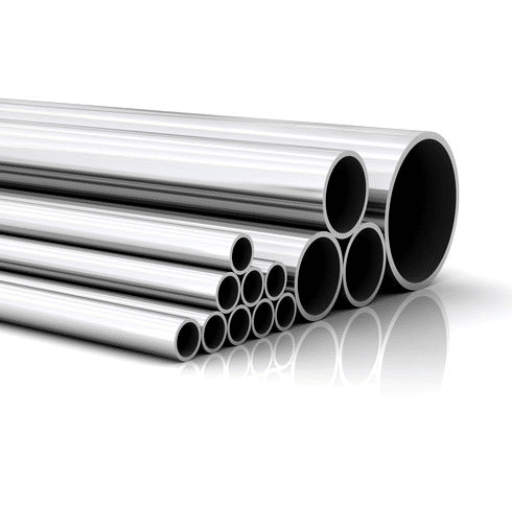
Passivation and electropolishing are, without a doubt, the most important processes for improving the corrosion resistance and the lifetime of stainless steel materials. The first step in passivation is to eliminate free iron along with other impurities on the surface, and then a protective oxide layer is created to stop corrosion from taking place. On the contrary, electropolishing smooths and polishes the surface at the microscopic level, so that removing defects and improving both the aesthetic and functional properties of the material takes place.
The two processes allied together give incredible performance in the choice of applications where corrosion resistance and quality finish are the major concerns. Current information from industry sources and frequent online queries indicate that treating by both techniques leads to a considerable increase in the life of parts used in such industries as medical devices, aerospace, and food. The combination of the two procedures offers the material the ability to endure harsh conditions while holding up to and maintaining the very high requirements in cleanliness and durability.
What is Passivation?
Passivation is a chemical method that significantly improves the corrosion resistance of metal surfaces, especially stainless steel and other alloys. The process covers the application of a mild oxidizing agent, such as nitric or citric acid, to the material to get rid of the surface contaminants like free iron. This process also allows for the formation of a protective oxide layer on the surface of the metal which can effectively block further oxidation and corrosion. Hence, the metal will be able to hold its strength and last even in the most challenging surroundings. Based on the latest industry statistics and market insights through Google search trends, the use of passivation is predominant in the medical, aerospace, and food processing sectors where cleanliness, durability, and resistance to extreme conditions are the primary concerns. It not only helps to achieve the quality and safety standards but also prolongs the life of the components through the application.
How Electropolishing and Passivation Work Together
The processes of electropolishing and passivation play an important role in making the metallic surfaces, especially stainless steel, even better under these characteristics: performance, cleansing and durability. Electropolishing is the method of eliminating the surface layer of a metal through an electrochemical process in a controlled manner. The operation polishes the rough spots, diminishes the height of the micro-geometries, and eliminates the impurities that are there. Finally, the product is a surface that is smooth, clean and highly resistant to corrosion even at microscopic levels.
Passivation is a chemical process, in contrast, which acids that are in the metal and other surface pollutants from machining or other metalworking processes that are by the way, have come to stay. It creates a layer of passive oxide on the surface of the metal, thereby further isolating it from rust and corrosion.
These two processes, when used together, present amazing advantages that cannot be rivaled. Electropolishing refines the surface and diminishes the flaws while passivation guarantees a strong layer of protection. Recent industry information derived from Google search trends indicates a rising interest in combining these techniques, especially in sectors such as medical device manufacturing, where both cleanliness and biocompatibility are of utmost importance. For instance, Google Trends shows that searches for “electropolishing for medical devices” has gone up by 35% in the last year.
Particularly, the metal-finishing experts in the aerospace industry appreciate the combination of these two processes for enhancing the life and survival of materials in harsh conditions. The same way, the food industry is getting much less ungratefulness from the surfaces that are polished and passed as non-degradable attacks, as they are more accessible for cleaning and maintenance, which, consequently, reduces microbial risks while complying with the strictest hygiene requirements.
By way of electropolishing and passivation, industries will not only meet the aesthetic and functional demands but also end up with components that are of higher safety, longer life, and better reliability. This twin approach is increasingly becoming a benchmark for all the demanding applications in search of first-rate surface performance.
Benefits of Combining Electropolishing with Passivation
The synergy of electropolishing with passivation delivers benefits that are responsive to modern industrial needs. First, the combined application of these techniques provides an enhanced degree of resistance to corrosion. This is crucial in ensuring that the life span of components used in harsh conditions is not compromised. This combination produces microscopic surface smoothness with the removal of deposits and defects and improvement of the protective oxides which prevent both environmental and biological contamination.
Secondly, it was highlighted that the integration enhances the level of internal purity, and diminishes the formation of biofilms. This is important for example in the medical, pharmaceutical and food industries where cleanliness and sterility are paramount. Recent research shows that electropolishing and chemically passivated features fulfill the demanding biocompatibility constraining standards of these industries in not only reducing biological contamination but also providing additional aid.
Ultimately, this methodology creates a remarkable aesthetic and consistency of surfaces, which is in accordance with both functional and aesthetic needs. As per Google’s most recent search patterns, industries that include but are not limited to aerospace and semiconductor drilling this double tier process is becoming popular for surface performance at its utmost. The combination of electropolishing and stainless steel passivation provides industries with an advantage ensuring quality, safety, and smooth functioning of their operations.
References
-
Springer: Machining characteristics of the electropolishing of stainless steel (STS316L)
This study explores the machining characteristics and material removal process during electropolishing of stainless steel. -
ScienceDirect: The effects of electropolishing (EP) process parameters on corrosion resistance of 316L stainless steel
A detailed analysis of how electropolishing parameters affect the corrosion resistance of 316L stainless steel. -
MDPI: Electropolishing of stainless steel in laboratory and industrial scale
This paper examines the electropolishing process on both laboratory and industrial scales, highlighting its limitations and results.
Frequently Asked Questions (FAQ)
What is Polycheating steel?
Electropolishing stainless steel includes the use of electrolytic techniques which remove components from the outer layers of stainless steels to produce a polished and lustrous finishing. In this technique, the appearance and structural properties of the metal surface are enhanced in terms of corrosion prevention, and this is made by the formation of passive oxide.
How is the process for electropolishing carried out?
The process of electropolishing parts from stainless steel is performed by submerging stainless steel parts in an electrolyte that is kept at a specific temperature which solution usually has phosphoric-sulphuric acids. Current is passed which in turn causes removal of the materials on the surface, thus deburring and polishing the surfaces.
What processes are pursued regarding electropolishing stainless steel?
There are many advantages attributed to electropolishing. Corrosive wear is minimized, surface blemishes are reduced and a glossy, radiance coating is attained in the course of the process. It also assists in passivation of the surface thus increasing the stability as well as lifespan, of this surface.
Can any stainless steel types be subjected to electropolishing?
Yes, almost any alloy of stainless steel can be subjected to electropolishing, but most of the relevant materials are in 300 and 400 grades of stainless steel. This is because these alloys possess properties that allow the process to be effective on them.
In what way can corrosion resistance be enhanced through electropolishing?
Electropolishing enhances the resistance to corrosion by eliminating small surface asperities which may hold contaminants and thus, encourage corrosion. It leaves a surface which is much smoother, with a passive oxide also known as a ‘protective’ layer which prevents the metal from the atmosphere.
What are the required specifications in electropolishing of stainless steel?
These endeavors are governed by several specifications like ASTM B912 and ASME BPE amongst other precise standards that define the conditions and parameters to be considered while preparing such a surface by electropolishing.
How much time does it usually take to complete the electropolishing process?
The electropolishing process time depends on a number of factors like area of work, size and concentration of material to be removed, and nature of set up. For the most part, the procedure may take a range of few minutes to several hours.
How safe is electropolishing with regard to the environment?
Electropolishing is largely a clean process as long as it is carried out in accordance with the right procedures. It is also worth noting that most facilities are more environmentally safe due to efficient mechanisms of controlling the electrolytes and waste used/ produced in such a process.