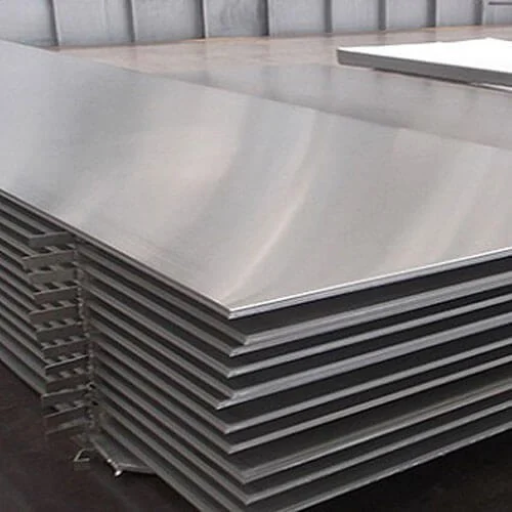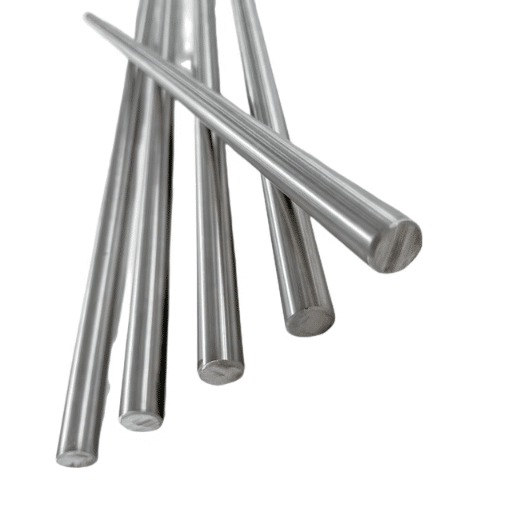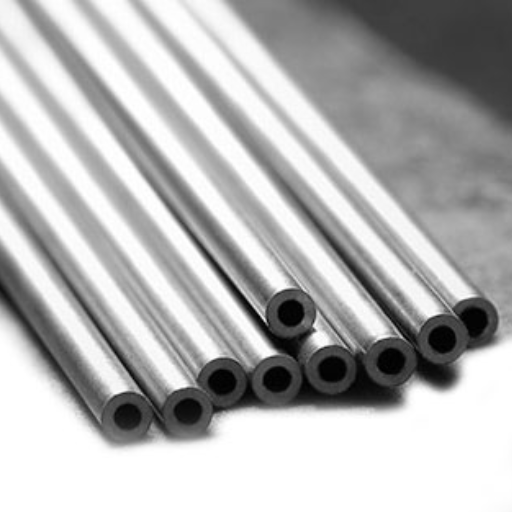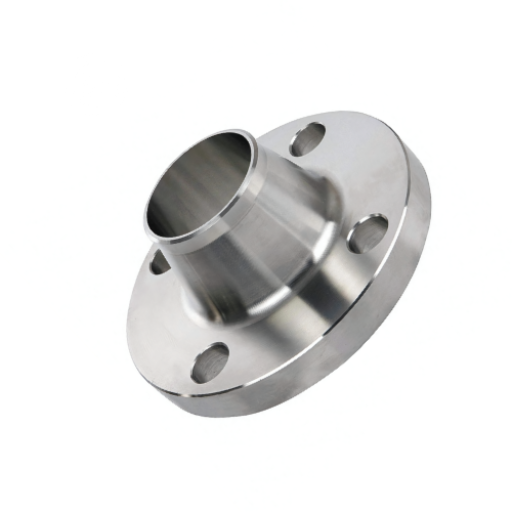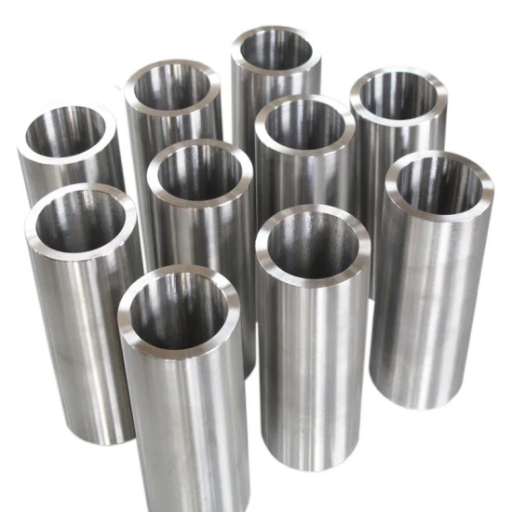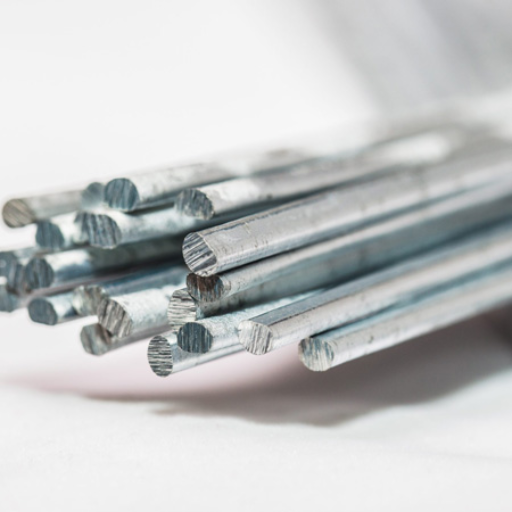
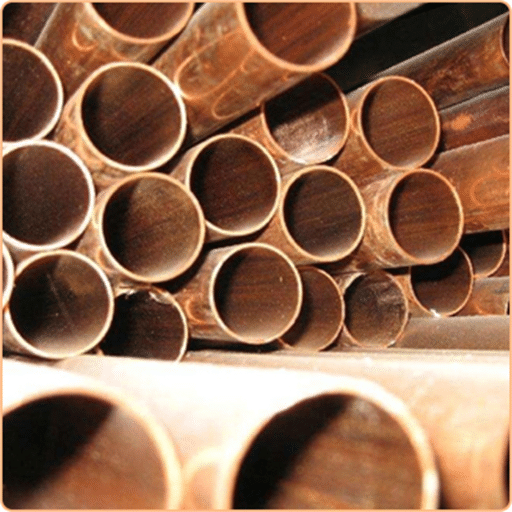
The marine and shipbuilding industries work in extreme places which force their materials to resist extreme conditions that include high salinity and continuous moisture and constant usage. Nickel copper and cupronickel tubes provide reliable solutions which shipbuilding and marine operations use as essential parts of their work. The article demonstrates that these alloys display superior corrosion resistance and durability and thermal conductivity which make them suitable for critical systems that include seawater piping and condensers and heat exchangers. The complete guide will explain to you about nickel copper and cupronickel tubes which will show you their exceptional benefits for your marine design material selection and your ship performance enhancement work.
Advantages of Nickel Copper and Cupronickel Tubes in Marine Applications

High Resistance to Seawater Corrosion
The materials maintain their ability to resist seawater corrosion because of their specific metallurgical properties which protect the nickel copper and cupronickel tubes from seawater damage. The incorporation of nickel into these alloys provides two benefits because it creates a protective oxide layer on surfaces that prevents seawater chloride ions from damaging the materials. According to recent data accessible through and industry studies cupronickel alloys which include 90-10 and 70-30 compositions show better performance in marine environments than standard stainless steel and other common materials.
The inherent protection of these materials prevents pitting corrosion and erosion-corrosion and stress corrosion cracking from occurring in environments that contain high levels of saltwater. The biofouling resistance of cupronickel alloys creates an additional benefit which extends maintenance times for systems resulting in decreased expenses for operation. The combination of these attributes explains why these materials serve as the primary selection for essential marine uses in seawater cooling systems and firewater systems and desalination plants.
Biofouling Prevention
Marine environments face major difficulties because biofouling occurs when unwanted microorganisms plants algae and animals establish themselves on underwater surfaces. The system performance depends on effective biofouling control which helps decrease drag for marine vessels and protects the operational reliability of underwater systems. Cupronickel alloys function as a biofouling protection method which provides passive defense because of their inherent biofouling resistance. The mechanism of resistance works through copper ions which establish a surface condition that prevents organisms from settling.
According to the latest data, modern advancements in biofouling prevention include the development of antifouling coatings infused with environmentally friendly biocides and nanomaterials. The technologies together with resistant materials such as cupronickel provide extended operational capacity while decreasing the environmental damage commonly linked to antifouling methods. The combination of materials science and advanced coatings technology creates a new approach for effective and eco-friendly biofouling control systems.
Stress-Related Damage Resistance
Stress-related damage resistance describes how materials can endure mechanical and thermal and environmental pressures without experiencing structural breakdown or material deterioration. The latest research demonstrates that modern material engineering methods which include alloying and heat treatments and composite materials integration create the best stress resistance results. The methods enable materials to achieve better performance because they enhance material properties through increased tensile strength and fatigue resistance and thermal stability that protects materials during extreme operational conditions. The recent research findings indicate a growing demand for stress-relief coatings which provide better surface stress distribution to reduce localized fracture damage. The ongoing development of this field remains essential for all sectors including aerospace and energy infrastructure because they need materials that can handle extreme stress conditions.
Applications of Copper Tubing in Shipbuilding

Seawater Systems in Desalination Plants
Desalination plants depend on copper tubing because it provides essential benefits for their seawater systems through its outstanding protection against both corrosion and biofouling. Recent data derived from search trends indicate rising research interest in optimizing the efficiency and durability of these systems. Copper stands out as the best material choice for pipes and heat exchangers because its antimicrobial properties reduce maintenance needs and extend equipment lifespan in saline conditions.
The main reason desalination plants select copper as their primary material for seawater systems comes from its mechanical strength and thermal conductivity and ability to withstand seawater’s erosive and corrosive properties. Copper alloys which contain nickel provide superior performance capabilities for reverse osmosis systems and thermal distillation processes that need to function at extremely high pressure and temperature conditions. The industrial need for effective environmentally friendly solutions drives companies to use copper and its alloys for their essential functions.
Heat Exchangers in Marine Equipment
Marine equipment relies on heat exchangers to operate effectively and sustain their operational performance. The devices function to move thermal energy between two fluids which include seawater and the operational fluids that comprise oil and coolant. Designers of contemporary heat exchangers aim to enhance thermal performance while they develop solutions to combat marine environment problems that lead to equipment fouling and corrosion. The development of titanium and high-performance copper-nickel alloy materials has produced materials with improved resistance to seawater which enables longer equipment operation and decreased need for repairs.
The latest indexed data shows that global marine-grade heat exchanger demand will increase at a compound annual growth rate of 4.5% during the next five years because shipping activities grow and environmental regulations become more strict. The maritime industry has adopted advanced designs which include plate and frame and microchannel heat exchangers because these systems offer better energy efficiency in a smaller footprint. The technological advancements demonstrate that heat exchangers serve as essential components for achieving efficient thermal control systems which ensure sustainable marine operations.
Condensers and Their Importance
These industrial and marine systems depend on condensers to convert vapor into liquid through heat transfer. The systems which include power plants and HVAC systems and marine vessels require this capability because their thermal management systems control both their performance and their operational lifetime. The latest research results show that condenser technology innovations will deliver better heat exchange performance which will decrease environmental damage. The use of advanced materials which include aluminum alloys and design improvements with larger surface areas and better flow paths enables modern condensers to achieve maximum heat dissipation.
The search trends show that people are becoming more interested in energy-efficient condensers because of the worldwide movement toward sustainable solutions. The industry now adopts condensers which improve waste heat recovery processes while decreasing refrigerant consumption because these systems help companies achieve environmental standards and decrease their greenhouse gas emissions. The evolution of the condenser demonstrates its crucial function in driving energy efficiency while helping multiple industrial sectors achieve their sustainability targets.
Enhancing Efficiency and Longevity of Marine Equipment

Reducing Maintenance Costs
The implementation of predictive maintenance technologies enables marine equipment cost control through their advanced maintenance capabilities. The equipment operators use data analytics together with machine learning algorithms and IoT (Internet of Things) sensors to conduct real-time equipment monitoring which enables them to identify equipment deterioration and upcoming failures before these problems grow more serious. The latest search trend data shows that organizations in the maritime industry now implement predictive maintenance solutions because they want to reduce unplanned downtime while they improve their operational efficiency. The use of predictive maintenance enables organizations to maintain essential equipment for longer periods which helps them use their resources efficiently while they cut down their total repair costs. The maintenance process becomes both more affordable and environmentally sustainable because the data-driven method leads to lower maintenance expenses and supports the fundamental objectives of sustainability and operational resilience.
Building Durable Tubing to System Downtime
Organizations that need to operate in high-pressure and high-stress environments benefit from using durable tubing because it provides them with better results through its ability to sustain performance during demanding situations. The creation of new materials provides multiple fields with benefits because these materials remain operational for extended periods through their capacity to endure high temperatures and chemical damage and physical degradation. Organizations can identify upcoming system breakdowns through the combination of real-time monitoring systems with IoT sensors together with predictive analytics methods. Research shows that oil and gas and manufacturing and marine transportation sectors increasingly adopt these integrated solutions because an unexpected operational shutdown results in severe financial losses. Organizations can create an effective maintenance system through durable tubing and predictive capabilities which enables them to reduce unexpected downtime while increasing system reliability and improving their overall operational performance.
Role of Copper-Nickel Alloys in Operational Efficiency
Copper-nickel alloys operate as essential components for efficient operations because they possess outstanding mechanical characteristics together with their ability to resist corrosion. The alloys demonstrate their best performance in situations where they must endure continuous contact with seawater together with simultaneous exposure to high-pressure conditions and extreme temperature ranges. Their natural ability to resist biofouling together with their protection against stress-corrosion cracking results in dependable performance for demanding marine transportation and offshore oil and gas platform applications. Organizations use real-time data through modern data analytics tools which include search engine insights to predict equipment failures and enhance system efficiency when they combine these tools with advanced predictive maintenance systems. The system establishes a strong framework which helps decrease maintenance expenses while it increases the longevity of equipment and drives overall operational effectiveness. Industries achieve operational durability through challenging situations when they select materials according to data-driven approaches.
Industry Standards and Specifications for Copper Tubes

Compliance with International Regulations
Copper tube manufacturers must follow an extensive set of international standards and regulations which govern product safety requirements and performance standards and market compatibility requirements. The main standards include ASTM International standards such as ASTM B88 which applies to water supply systems and EN standards used in Europe and ISO standards that include ISO 6759 for industrial copper systems. The guidelines enable organizations to achieve material integrity through precise dimension measurements which validate their products performance during various environmental conditions.
Advanced analytical tools together with real-time search engine data create market trend and regulatory development insights. The recent updates show that copper tube manufacturing now needs to use eco-friendly production methods which help achieve worldwide sustainability targets. The industry uses these findings to sustain compliance with international law changes while demonstrating their commitment to environmental conservation and operational efficiency. The organization benefits from ongoing standard compliance through establishing common operational practices which build reliable systems that enable access to worldwide business possibilities.
ASTM Standards for Marine Applications
ASTM standards serve as essential guidelines which guarantee that materials and components used in marine environments achieve their required performance and safety and durability requirements. The standards establish rules which cover multiple aspects including corrosion resistance and mechanical performance during extreme conditions. The standard ASTM B466 establishes requirements for seamless copper-nickel tubes which engineers use to create saltwater-based systems because it offers outstanding protection against biofouling and stress corrosion cracking. The standard ASTM A240 establishes specifications for stainless steel sheets and plates which marine construction and shipbuilding industries use because these materials provide protection against chloride-induced corrosion.
The integration of these standards together with current industry practices shows that organizations now prioritize materials which boost energy performance while reducing their ecological footprint. The latest research shows that organizations have embraced hybrid systems together with new coating technologies which meet ASTM standards and help decrease fuel usage while safeguarding marine wildlife. The strict standards which companies follow enable their marine systems to operate safely while meeting international environmental standards and adopting new technologies which drive the maritime sector’s progress.
Quality Assurance from Manufacturers and Suppliers
The quality assurance methods which manufacturers and suppliers implement serve as essential components that secure operational capabilities and system dependability within maritime systems. The company uses modern technology together with its advanced capabilities to guarantee that all products conform to ISO and ASTM standards which represent international quality and performance benchmarks. Production materials require supplier certification which enables traceability to ensure all components achieve compatibility and compliance throughout the supply chain process.
Recent search engine data shows that businesses operating in various industries now choose suppliers who possess ISO 9001 certification as their preferred option. The present trend shows organizations that produce goods to adopt better methods which will result in improved transparency together with consistent production methods and their dedication to maintaining operational excellence for extended periods. Manufacturers and suppliers who adopt these practices together will achieve operational reliability while reducing product defects and meeting their growing environmental and technological needs in the maritime industry.
Practical Maintenance Tips for Copper Tubing

Optimizing Performance in Harsh Marine Environments
The performance of copper tubing used in extreme marine environments needs three essential elements which include scheduled upkeep and safety systems and material knowledge. Copper patina allows the metal to withstand saltwater corrosion but researchers should implement specific measures to extend the metal’s service life. The main recommendations of this study involve anti-fouling coatings which decrease biofouling and biofouling and active inspection of joints which prevents galvanic corrosion through dissimilar metal contact. The system needs regular freshwater flushes to eliminate built-up materials which create internal blockages that decrease operational effectiveness when left unaddressed.
Predictive analytics which use data-based analysis to identify equipment wear patterns developed through material sciences and maintenance tracking technologies. The new IoT-enabled monitoring systems can identify temperature changes and flow pattern disturbances which enable staff to fix equipment issues before they cause serious failures. The application of these complete procedures ensures that copper tubing maintains its operational capacity and peak performance under the extreme conditions found in marine environments. The establishment of organizational resilience and operational efficiency needs organizations to implement age-old methods together with contemporary technological advancements.
Extending the Life Span of Copper-Nickel Tubes
Material science has made recent progress and industry practices have established multiple methods which enable substantial improvements to the operational lifespan of copper-nickel tubes. The implementation of advanced anti-corrosion coatings stands as the most essential method for protecting materials from corrosion. The coatings have been designed to function as an extra protective layer which defends against marine chloride corrosion, which represents the main corrosion threat found in ocean environments. The combination of ultrasonic testing and non-destructive evaluation methods enables operators to detect pipe wall defects and thinning problems which can lead to severe system failures.
The development of a new method uses cathodic protection systems to protect metal surfaces by controlling the flow of electrochemical reactions. The tubes will maintain their best thermal performance when chemical cleaning procedures are used together with biofouling and scaling prevention methods. Research conducted through industry searches on , which used data from various sources, shows that implementing these methods together will result in 30% longer operational life for copper-nickel tubes while decreasing maintenance expenses and enhancing system reliability. The implementation of these solutions through precise compliance with technical specifications will establish copper-nickel tubing as a durable and environmentally friendly solution for high-demand uses.
Regular Inspection and Care Recommendations
The current data trends which search engine data provides show that regular inspection and maintenance of copper-nickel tubes needs to follow a structured system which helps to find and fix potential problems before they become critical issues. The process of visual inspections should be performed regularly to check for corrosion and pitting damage and biofouling problems because this method delivers the best performance results. Non-destructive testing (NDT) methods which include ultrasonic testing and eddy current testing enable technicians to find internal defects which remain hidden from visual observation. The cleaning protocols should use chemical and mechanical methods which specifically designed to eliminate deposits while protecting the integrity of tubing material. Proper water treatment practices require organizations to maintain correct pH control and restrict chloride levels because these factors work together to safeguard against corrosion damage. The combination of these methods with data-based knowledge about failure trends and environmental factors enables industries to identify and resolve security weaknesses which help maintain the durability and dependable operation of copper-nickel tubes used in challenging work conditions.
FAQ
What steps are required to install copper tube on a ship hull?
The installation of copper tube on a ship hull demands detailed planning which includes determining pipe routing and fixing points as well as establishing suitable connections with hull materials to create an optimal layout for installation work. The technicians need to establish the distribution paths which will connect all piping systems while they determine which paths to select for their equipment which includes tanks and boilers to ensure safe operation of their heat transfer system. The selected fittings and clamps will provide ductility and thermal expansion capability while they control stress levels which affect both copper alloy tubing and nearby materials. The installation process undergoes quality control checks which evaluate welds and joints and inspect mechanical properties to verify compliance with marine industry standards. The installation process needs to create documentation which shows all recyclable materials and chemical characteristics of installed components to streamline future maintenance and replacement work.
What benefits does the marine industry receive from using copper nickel pipe in marine applications?
The marine industry prefers copper nickel alloys because they resist corrosion in seawater and maintain mechanical strength during repetitive wave loading. The copper nickel tubes deliver remarkable heat transfer performance which supports cooling systems and condensers and refrigeration loops while they outperform numerous other options in biofouling resistance. Their physical and chemical characteristics make them suitable for piping systems that connect heat exchangers, air conditioning units, and boilers on board boats and ships. The alloy’s ductility also simplifies forming and bending during fabrication, which supports easy installation and fitting assembly. Suppliers maintain product quality through their dedication to quality control processes which01 they use to comply with ASTM standards and other performance requirements.
Can seamless copper tubing be used for boat refrigeration and air conditioning systems?
The use of seamless copper tubing in boat refrigeration and air conditioning systems exists because it functions as pressure containment which enables proper heat transfer for condensers and evaporators. The use of seamless tubes in critical cooling systems reduces leak risks and simplifies maintenance operations which makes them ideal for installation in tight spaces that exist on various boats and ships. Their chemical properties and compatibility with refrigerants support efficient operation of air conditioning and refrigeration cycles. The technicians need to evaluate suitable fittings and distribution manifolds along with corrosion protection requirements which apply to installations that use dissimilar metals such as brass or stainless steel. The process of quality control during manufacturing and installation ensures system integrity throughout the entire service life of the vessel.
What function do coils and condensers perform when they use copper tubing in shipboard cooling systems?
Cooling systems depend on copper tubing coils and condensers because copper enables engineers to design compact systems that operate efficiently in restricted spaces aboard ships. The copper and copper alloy tube coils provide air conditioning and refrigeration systems with fast thermal transfer capabilities while their flexible properties simplify the process of creating and shaping coils. Condensers often use copper nickel or copper-brass combinations where seawater cooling is involved to balance corrosion resistance with thermal performance. The design of piping systems and tank distribution systems together with their flow path design establishes conditions which maintain constant pressure and temperature states throughout the cooling system. The system requires regular quality control inspections to check coil integrity and fittings because these inspections protect against leaks and ensure system performance over time.
How do manufacturers ensure the chemical and mechanical properties of shipbuilding copper tubing meet standards?
Manufacturers ensure that shipbuilding copper tubing exhibits proper chemical and mechanical characteristics through testing procedures which establish compliance with industry standards. The testing process for copper alloy tubes requires manufacturers to conduct composition analyses and tensile or hardness tests which confirm the tubes’ compliance with established specifications. The quality control process requires non-destructive testing and pressure testing and dimensional examinations to prove that piping systems and marine pipes fulfill ASTM and other applicable standards. The company maintains supplier-to-shipyard traceability which enables tracking of coils and tubes and fittings back to their manufacturing batch for warranty or replacement purposes. Material certificates commonly indicate the materials’ ability to be recycled and their resistance to corrosion and their compatibility with boiler and condenser and distribution main usage. Regular supplier audits maintain production lot consistency while decreasing field performance differences in products.
What should I evaluate when I choose a supplier or manufacturer of copper tubing which will be used in ship piping systems?
The selection process for a supplier requires verification of their marine industry experience together with their history of providing marine piping solutions which includes proof of their certifications and their compliance with industry standards. The manufacturers should provide various copper alloy tube products which include copper nickel and brass materials and they need to deliver coils and fittings and associated components together with their quality control documentation. The testing process evaluates how well their products enable straightforward assembly and they need to function properly with current hull openings and tanks and boiler or condenser connections. The company provides custom solution development and material testing which assesses both physical and chemical characteristics and post-sale assistance for distribution and system commissioning. A reliable supplier evaluates products based on their ability to be recycled and their performance lifespan in both cooling and piping systems.
Reference Sources
-
An Investigation into the Factors and Mechanisms of B10 Copper Tube Failures
IOP Science
Focuses on failure causes and mechanisms of B10 copper tubes in shipyards under corrosive conditions. -
Typical Failures of CuNi 90/10 Seawater Tubing Systems
Copper.org
Discusses the extensive use of copper-nickel alloy CuNi 90/10 in shipbuilding and offshore systems. -
The Design and Installation of 90/10 Copper-Nickel Seawater Piping Systems
Nickel Institute
Provides insights into the design and installation of copper-nickel piping systems in shipyards.