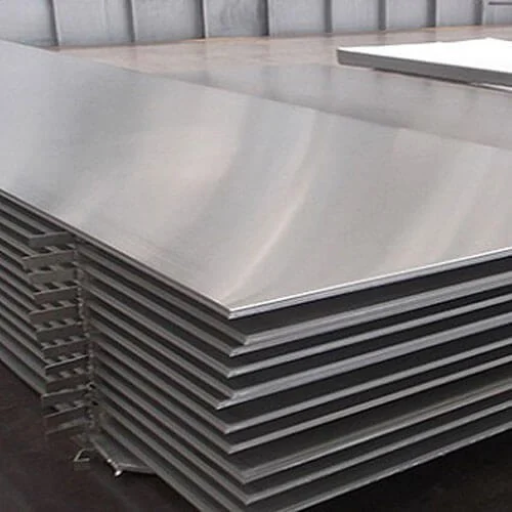
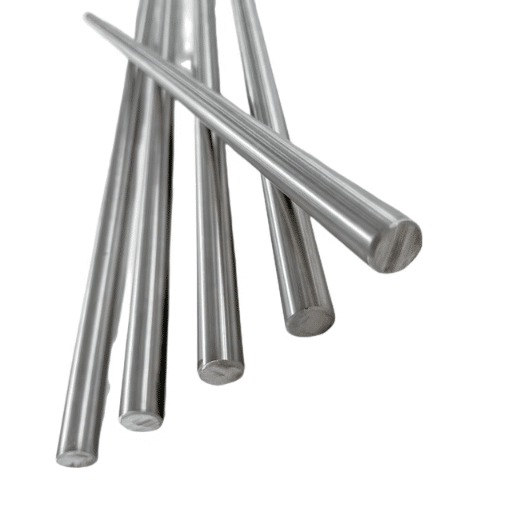
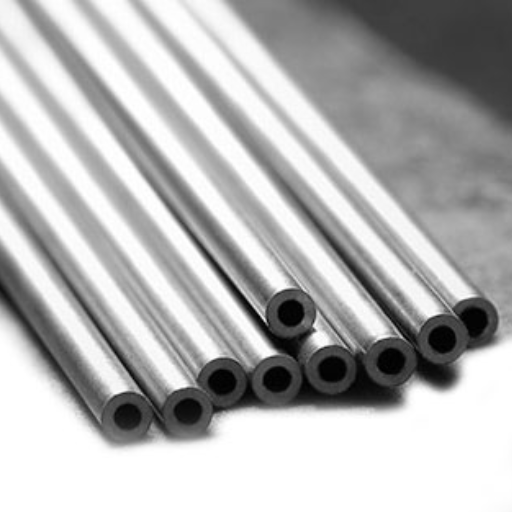
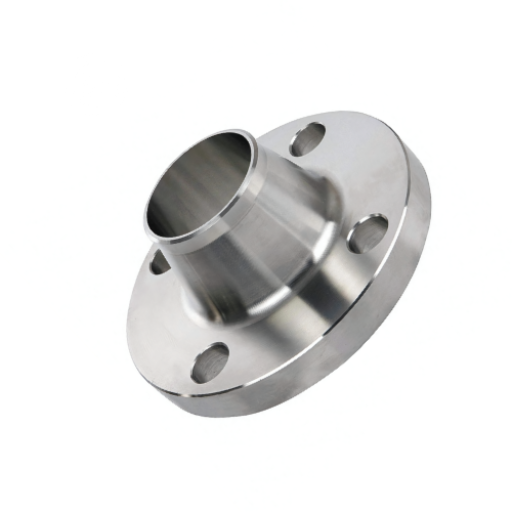
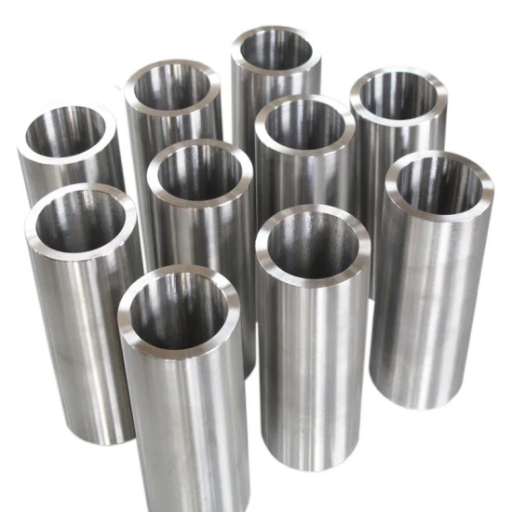
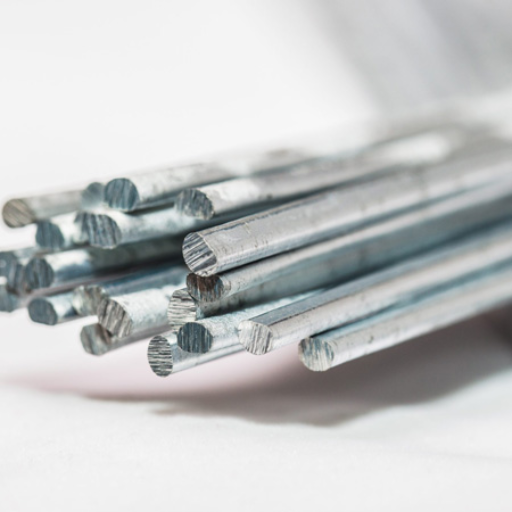
The offshore oil and gas industry functions in environments which present extreme difficulties and highly corrosive conditions which exist throughout most of the Earth. The materials used in these operations must satisfy exceptionally high requirements because they face extreme pressure and difficult seawater conditions and need to maintain their best performance. The industry has identified duplex stainless steel pipe as an essential material which provides exceptional mechanical strength and corrosion protection at a cost-effective price. This article demonstrates how duplex stainless steel serves offshore applications because it possesses specific properties and benefits that solve the complex requirements of modern oil and gas extraction methods. The material shows engineers and decision-makers how to improve system durability and operational reliability in difficult operational environments.
Section 01
Introduction to Duplex Stainless Steel

Overview of Stainless Steels
Engineers use stainless steels which are iron-based alloys because these materials protect against corrosion while providing multiple industrial applications. The materials achieve their corrosion protection through chromium, which creates a surface layer of chromium oxide that protects against environmental damage. The protective layer prevents oxygen and moisture from reaching the steel, which results in a major decrease of the material’s oxidation and rusting.
Austenitic stainless steel, ferritic stainless steel, martensitic stainless steel, and duplex stainless steel are some of the primary stainless steel classifications that are defined by their chemical composition and microstructural characteristics. Every type possesses distinct characteristics which determine its appropriate applications. The food processing industry and chemical storage tanks use austenitic stainless steels, which contain high levels of chromium and nickel, because these materials provide exceptional weldability and chemical resistance. The automotive industry uses ferritic stainless steels because the material delivers enhanced magnetic performance together with protection against stress corrosion cracking.
The mechanical properties of duplex stainless steels arise from their austenitic and ferritic structural combination which results in properties that depend on austenite but maintain ferrite’s strength and resistance to stress corrosion. The dual-phase alloy has become especially important in oil and gas operations because it can endure severe environmental conditions while remaining affordable.
The ongoing advancements in alloy development together with new processing methods create new applications for stainless steels which establish these materials as vital components in modern engineering and manufacturing operations.
Stainless Steel Types at a Glance
What is Duplex Stainless Steel?
Duplex stainless steel refers to a group of stainless steel alloys which maintain equal distribution of their ferrite and austenite components throughout their dual-phase microstructure. The unique composition of duplex stainless steels enables their materials to achieve both high strength and exceptional corrosion resistance which includes protection against stress corrosion cracking and chloride-induced pitting. The alloys contain higher chromium content which ranges from 19 to 28 percent and molybdenum content which reaches 5 percent and nitrogen content which exceeds normal austenitic or ferritic grades to create better mechanical properties.
Recent data shows that chemical processing and marine engineering and construction sectors increasingly adopt duplex stainless steel because it performs exceptionally well in extreme conditions which include brine and seawater and acidic solutions. The material proves cost-effective because its lower nickel content makes it cheaper than austenitic grades which makes it suitable for large-scale projects. The increasing need for sustainable products which perform at high standards drives the ongoing use of duplex stainless steel in current engineering projects.
Key Grades: 2205 and 2507
The duplex stainless steel grades 2205 and 2507 are among the most widely utilized due to their exemplary balance of mechanical strength and corrosion resistance.
According to the latest data, demand for these materials has surged, driven by industries requiring longevity and performance in extreme conditions. Engineers use three factors to choose between 2205 and 2507 which include environmental conditions and expenses and needed performance attributes because 2507 offers better properties than 2205 but costs more. However, both grades continue to set the standard for advanced durability and cost efficiency in modern engineering practices.
Section 02
Properties of Duplex Stainless Steel Pipe

Mechanical Properties
The mechanical properties of duplex stainless steel pipe which contains the standard grades 2205 and 2507 exceed the performance of most conventional materials. The material exhibits high tensile strength which reaches 600-800 MPa for 2205 and exceeds 800 MPa for 2507. Duplex stainless steels demonstrate exceptional yield strength which typically doubles the strength of austenitic stainless steels such as 304 and 316. The strength advantage allows designers to create components that use less material while maintaining their structural strength.
Duplex stainless steels show outstanding protection against stress corrosion cracking (SCC) because their materials resist SCC under chloride-rich conditions. The material 2205 provides effective protection against stress corrosion cracking which continues to operate until temperatures reach 150 degrees Celsius while 2507 offers superior performance in extreme conditions which enables its use in demanding environments like offshore oil platforms and chemical processing plants.
Duplex grades show ductility through their elongation measurements because they exceed the industry standard of 25% which provides enough flexibility for fabrication and forming processes. The demand for duplex stainless steel pipes has increased because their mechanical properties provide excellent toughness and impact resistance which makes them suitable for pressure equipment and marine applications.
Corrosion Resistance
The unique microstructure of duplex stainless steel pipes which combines austenitic and ferritic materials enables them to provide outstanding protection against corrosion. The material’s dual-phase structure protects against various corrosion types which include pitting and crevice corrosion and stress corrosion cracking (SCC) in environments that contain high levels of chloride. Industry analysis and current data show that duplex stainless steels perform effectively in seawater desalination plants and offshore oil and gas facilities and chemical processing units, which face challenges from harmful chemicals and saltwater exposure. Standard industrial grades 2205 and 2507 offer superior pitting resistance through their PREN results because they outperform standard austenitic stainless steel in handling dangerous substances. The materials can maintain their structural integrity through extremely challenging conditions, which makes them essential for operation in critical industrial environments.
Weldability and Fabrication
The weldability of duplex stainless steels reaches its highest level through the application of proper welding techniques which make these materials suitable for their use in complicated industrial projects. The microstructure of the material contains both austenitic and ferritic phases which necessitate accurate management of heat input together with interpass temperature to stop detrimental phase transformations that lead to the creation of sigma and chi phases. The industry uses modern welding methods which include Gas Tungsten Arc Welding (GTAW) and Shielded Metal Arc Welding (SMAW) and Flux-Cored Arc Welding (FCAW) to produce high-quality welded joints in duplex stainless steels.
Recent data shows that engineers have developed new filler material formulations which enable welders to produce duplex grade materials with corrosion resistance and mechanical properties that match the base metal. The majority of duplex stainless steel applications do not require post-weld heat treatment which helps to streamline fabrication methods while decreasing total production expenses. The combination of these properties with advanced techniques and modern equipment makes duplex stainless steels the material of choice for industries that need structural strength and endurance in difficult conditions.
Section 03
Manufacturing Processes for Seamless Duplex Pipe

Overview of Seamless Manufacturing
The production process of seamless manufacturing enables the creation of pipes which lack any welded seams thereby maintaining their structural strength and operational capacity to withstand high pressure situations. The manufacturing process begins with a solid billet which manufacturers use to create hollow tubes through the heating process and subsequent rotary piercer or extrusion press operation. The process uses cold or hot working methods that include drawing and rolling to produce the required dimensions along with their associated mechanical characteristics.
Recent data from search engine shows that people have increasing interest in seamless duplex pipes which find applications in the oil and gas industry and chemical processing sector and desalination facilities. The essential performance measurements of seamless duplex pipes which include their resistance to corrosion and their ability to withstand extreme conditions and their capacity to handle high pressure continue to make these pipes the primary option for vital industrial operations. The introduction of new manufacturing methods which include precise heat treatment control together with advanced rolling systems has improved the production process for seamless duplex pipes through increased reliability and operational efficiency.
Heat Treatment Processes
The mechanical properties of seamless duplex pipes and their ability to resist corrosion and their entire functional capabilities depend on heat treatment processes. The material properties of this technique require three specific processes which include annealing and quenching and tempering.
- ▶
AnnealingThe process begins with material heating to a specific temperature followed by controlled cooling which produces a pipe that has improved ductility and decreased internal stress.
- ▶
QuenchingUses fast cooling methods to create materials with increased hardness and strength.
- ▶
TemperingHelps achieve a balance between toughness and reduced brittleness which quenching creates.
Research studies and search data findings demonstrate that heat treatment technology advancements have succeeded in boosting operational efficiency while creating uniform results through their application. The use of induction heating together with controlled atmosphere furnaces has become common because these technologies provide accurate temperature control which helps prevent defects that occur in duplex pipes through intergranular corrosion and phase imbalance. These technological advancements enable organizations to meet demanding industry standards while supplying dependable materials that meet the needs of chemical processing and oil and gas and marine applications.
Quality Control and Testing Standards
The manufacturing process of duplex pipes requires manufacturers to follow international standards which include ASTM A790/A789 and EN 10216-5 and ASME SA789. The standards establish the mechanical specifications and chemical requirements together with testing methods which manufacturers must use to produce reliable and long-lasting products. The company uses advanced non-destructive testing methods which include ultrasonic testing and radiographic testing and eddy current testing to find defects. The testing process includes hydrostatic testing which confirms the pipe will function properly under high-pressure conditions.
Modern quality assurance systems use real-time data analytics which artificial intelligence and machine learning technologies provide to improve their ability to predict defects and conduct tests. Predictive algorithms enable manufacturing processes to identify potential weak spots before production begins which results in decreased costs for rework and production downtime. Manufacturers use data-driven monitoring to ensure regulatory compliance while they develop products that meet the changing requirements of oil and gas chemical and marine engineering industries.
Section 04
Applications in the Oil and Gas Industry

Use in Offshore Platforms
Offshore platforms achieve safe and effective operations through advanced monitoring systems which use predictive analytics. The systems operate by processing real-time data which they obtain from sensor systems installed on essential equipment including drilling systems and pipeline networks and production systems. The operators use predictive algorithms to find corrosion patterns and structural stress indicators and equipment failure risks. Machine learning models demonstrate their ability to enhance fault detection accuracy through their analysis of extensive datasets which incorporate environmental conditions and equipment performance metrics. The current developments in cloud computing together with platform integration through Cloud which delivers strong processing capabilities enable quick processing of intricate data streams. The system enables operators to quickly make educated choices which helps to decrease unexpected operational interruptions while they effectively manage their resources and meet tough safety and environmental requirements. Technologies help offshore drilling operations to adjust to dangerous conditions because system breakdowns result in major business costs and environmental damage. The combination of advanced data tools with industrial technologies creates a new period of operational dependability for the oil and gas industry.
Applications in Petrochemical Industries
The petrochemical sector undergoes process transformation through advanced technology integration and data analytics implementation which impacts its refining and manufacturing and distribution operations. Machine learning models which operate with real-time data use predictive capabilities to enhance production processes by forecasting equipment breakdowns which results in decreased operational downtime and improved asset performance. The predictive maintenance system employs IoT sensors to track essential machinery performance which enables it to detect problems and resolve them before they result in expensive equipment downtime. AI-driven forecasting tools support supply chain management through their capacity to assess past performance and current market conditions which enables accurate matching of product availability with customer requirements. The environmental impact decreases through resource optimization and waste reduction which results in operational efficiency improvements from these technological advancements. Petrochemical facilities use digital twins and process simulators to create production models which improve decision making and operational responsiveness. The combination of cloud computing with data analytics platforms enables organizations to share data across their international operations which enhances collaboration among their teams. The petrochemical sector requires these technologies to meet rising market demands while maintaining compliance with newer environmental rules and sustainability objectives.
Desalination and Water Treatment
The world faces water scarcity challenges which desalination and water treatment technologies solve by converting seawater and brackish water into drinking water and process water. The current state of membrane filtration and reverse osmosis (RO) systems and energy recovery systems enables more efficient operations that consume less energy and decrease operational expenses. The current data and trends show that artificial intelligence (AI) and machine learning (ML) systems have become essential for performance tracking and predictive maintenance tasks at desalination facilities. The AI algorithms in work use real-time data processing to forecast equipment breakdowns while they optimize energy consumption and system efficiency, which results in environmentally friendly yet budget-friendly solutions for water treatment.
Environmental concerns have made zero liquid discharge (ZLD) systems and renewable energy desalination plant operation methods standard among industries. The new technologies help organizations to achieve their sustainability objectives because they create less waste. The industry uses IoT (Internet of Things) technologies to monitor water quality and control infrastructure operations from remote locations. The implementation of advanced analytics and sustainable methods together with desalination and water treatment technologies, provides essential solutions to the water supply problems faced by both industrial operations and municipal water facilities.
Section 05
Benefits of Using Duplex Stainless Steel Pipe

Cost-Effectiveness and Longevity
Duplex stainless steel pipe provides an optimal combination of affordable pricing and extended operational life which makes it the preferred material solution for industries that need long-lasting products throughout their toughest work conditions. According to recent data trends surfaced through search insights there is a significant increase in interest around materials that offer dual advantages of affordability and resilience against factors such as corrosion high pressure and extreme temperatures. Duplex stainless steel pipe meets these requirements through its superior strength-to-weight ratio and extended operational lifespan which outperforms standard stainless steel materials. The material’s lower nickel and molybdenum content delivers substantial cost reductions which maintain performance standards that have become essential during times of changing raw material prices. The material’s combination of strong mechanical characteristics and efficient lifecycle performance makes it suitable for use across multiple sectors including oil and gas chemical processing and water treatment systems.
Performance in Harsh Environments
The assessment of material performance in extreme conditions requires assessment of three factors which include corrosion resistance and ability to endure high temperatures and mechanical load testing. The advanced stainless steel alloys developed through specific chromium and nitrogen optimization techniques achieve strong durability under extreme conditions that occur when materials face seawater or highly acidic solution contact. Recent research demonstrates that these alloys maintain their structural integrity under temperatures which reach 1,000°F (537°C) making them essential components for high-temperature reactors and industrial furnaces.
The analysis of current industry patterns together with search result information shows that engineers and material scientists show the highest interest in “corrosion resistance” as their most desired material feature. The demand for the selection of materials demonstrates the need for materials which can withstand extended periods of time under moisture and oxidation and different chemical substances without showing major material decline. The dual-phase microstructure of duplex stainless steel provides materials with enhanced strength and advanced anti-corrosion capabilities which have made this material increasingly popular among users. The new developments maintain their ability to deliver dependable performance which lasts over extended periods throughout various demanding industrial operations.
Sustainability and Environmental Impact
The material selection process needs sustainable practices because these practices help reduce environmental damage. The current data shows that there is an increasing focus on selecting materials which fulfill performance requirements and help decrease carbon emissions. The recycling technology for aluminum production has developed to such an extent that it now enables facilities to recycle up to 95 percent of their energy needs which they previously required for primary production activities. Bio-based polymers that renewable resources produce from corn starch and sugarcane now serve as emerging alternatives to traditional petroleum-derived plastics. The production process now uses lifecycle assessments (LCAs) to assess materials through their entire lifespan which includes energy usage and emissions and recyclability at their end-of-life stage to achieve zero environmental impact. The combination of these advancements together with stringent technological development creates a pathway which enables industries to operate efficiently while meeting their environmental and regulatory obligations.
FAQ
Frequently Asked Questions
References
Reference Sources
- 1
Patent Reference
Preparation method for welded and extended super duplex stainless steel seamless pipe — Discusses the preparation method for duplex stainless steel seamless pipes used in deep-sea applications. View Source - 2
Industry Document
A Comparison of Stainless Steel Pipe Types — Compares various stainless steel pipe types, including duplex grades 2205 and 2507. View Source - 3
Technical Reference
Technical Reference on Hydrogen Compatibility of Materials — A technical reference detailing the properties and applications of duplex stainless steel. View Source