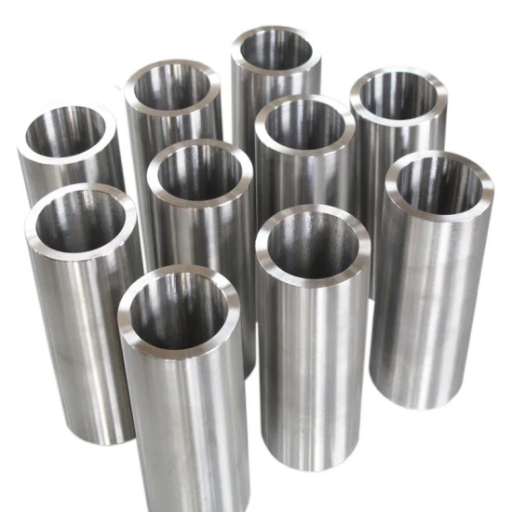
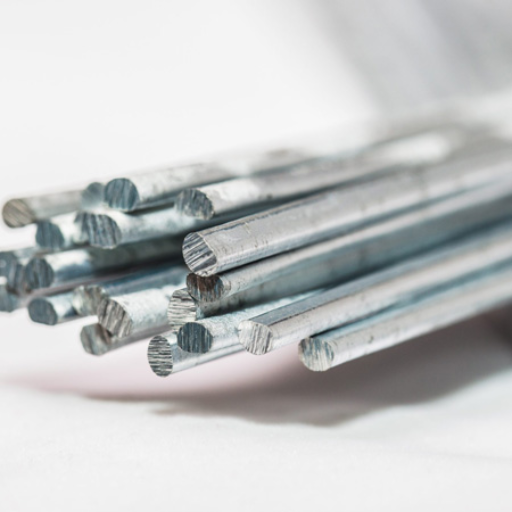
The medical device manufacturer found that their 12 percent blood glucose meters produced inaccurate results because the actual problem existed with capillary tubes which lacked proper internal diameter dimensions needed for maintaining exact 0.5 microliter sample volume. The tubes fulfilled all length requirements but their internal diameter measurements showed a variation of ±0.003 inches which exceeded ASTM B360 limits by three times. The slight change in measurement caused an alteration in flow resistance which resulted in two different outcomes where one device achieved FDA approval while the other failed during actual use.
Capillary copper tube applications require precise measurements. The internal diameter tolerance of ±0.001 inch in ASTM B360 serves as a mandatory requirement for three applications which include refrigeration expansion device design medical diagnostic component specification and laboratory instrument configuration. Engineers who understand this don’t just order “capillary tube.” They specify C12200 alloy, hard-drawn temper, with documented ID verification.
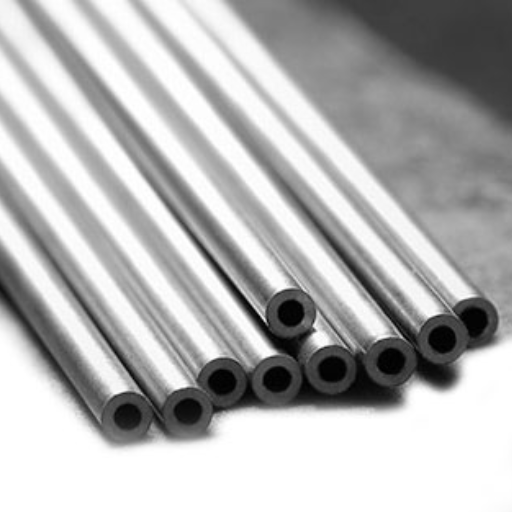
This guide provides the technical framework for specifying capillary copper tubes based on ASTM B360 standards, application requirements, and sizing calculations. The material selection process together with dimensional tolerances and temper options will be explained to you through the method used to determine optimal flow control performance in your specific application.
Understanding Capillary Copper Tube Standards
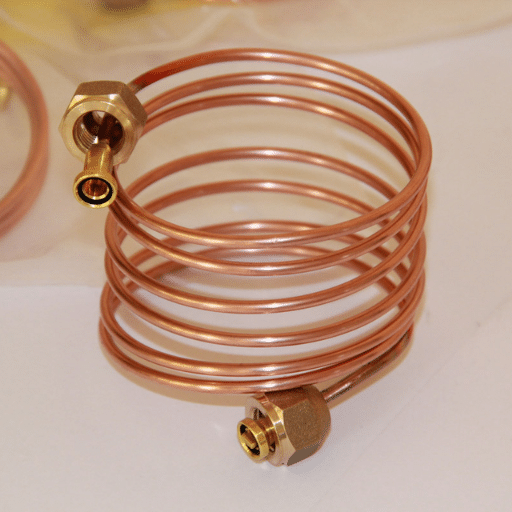
Capillary copper tube manufacturing follows established standards that ensure dimensional precision, material consistency, and performance reliability. Understanding these standards is essential for correct specification.
ASTM B360-20 Standard Specification
The main standard which regulates hard-drawn copper capillary tubes used for restrictor applications is ASTM B360. The current active version is B360-20, which authorities issued in April 2020. This specification covers seamless capillary tubes used in refrigeration, air conditioning, thermostats, relays, and other applications which require precise flow restriction.
The standard defines three approved copper alloys:
| UNS Designation | Common Name | Copper Content | Phosphorus Content | Primary Application |
|---|---|---|---|---|
| C12200 | DHP (Deoxidized High Phosphorus) | ≥99.90% | 0.015–0.040% | General refrigeration (most common) |
| C12000 | DLP (Deoxidized Low Phosphorus) | ≥99.90% | 0.004–0.012% | General applications |
| C10800 | Oxygen-free, low phosphorus | ≥99.95% | 0.005–0.012% | High-purity requirements |
C12200 dominates the industry for good reason. The phosphorus content provides hydrogen embrittlement resistance during brazing operations—critical when tubes are assembled into refrigeration systems or medical devices. The brazing process releases hydrogen which creates a risk of crack formation in pure copper during its operational use without this protective measure.
ASTM B360 also mandates stringent cleanliness requirements essential for refrigeration and medical applications:
- Maximum residue: 0.0002 g/in² (0.310 g/m²) of internal surface area
- End preparation: Both ends must be deburred, chamfered, or brushed to prevent flow restrictions
- Packaging: Medical and refrigeration grades typically require dehydrated, sealed coils with nitrogen charging to prevent oxidation
Related Standards
While ASTM B360 governs precision capillary tubes, several related standards may apply depending on your application:
The standard ASTM B280 establishes requirements for seamless copper tubes, which are utilized in air conditioning and refrigeration field service work. B280 establishes wider tolerance limits, which permit field installation work, while B360 requires tight ID control specifications that apply to original equipment manufacturer work. B280 provides suitable installation requirements when you need to install replacement tubing in the field. B360 serves as essential equipment when your business needs to create devices with exact flow management requirements.
The standard ASTM B75 establishes the mechanical property standards that seamless copper tubes must meet. The combination of B360’s dimensional requirements with B75 enables B75 to guarantee sufficient tube strength for its designated operational purpose.
The standard ASTM B68 establishes requirements for bright annealed seamless copper tube, which engineers use in various applications. B68 tubes with small diameters function as suitable materials for applications that need soft tubing that can easily be shaped.
The European standard EN 12450 serves as the equivalent of the American standard ASTM B360. EN 12450 provides equipment manufacturers with the option to use this European standard as their preferred compliance requirement for products intended for European Union markets or to fulfill ASTM B360 requirements.
The standard ASTM B819 establishes requirements for seamless copper tubes that medical gas systems require. B819 establishes cleanliness and material standards that apply to medical device applications that use capillary tubes, even though capillary dimensions do not function as the standard measurement for medical gas distribution.
Temper Classifications
Temper indicates the mechanical condition of the copper—how hard or soft it is—and dramatically affects installation characteristics and pressure capability.
Hard-drawn temper (H80) is the standard for ASTM B360 capillary tube. The cold-drawing process produces uniform wrought structure with tensile strength ≥310 MPa (45,000 psi). Hard-drawn tube maintains dimensional stability under pressure and provides maximum strength. It’s the default choice for most refrigeration and flow control applications.
Soft annealed temper (O60) results from heat treatment after drawing, producing tensile strength ≥205 MPa with elongation ≥40%. Soft tube bends easily without kinking, making it ideal for complex routing or field installations where straight lengths won’t work.
1/2 hard temper offers intermediate properties—strength of 250–320 MPa with some formability. This temper serves applications requiring both pressure capability and moderate forming.
Dimensional Specifications & Tolerances

Capillary tube performance depends on precise dimensional control. The internal diameter determines flow resistance; small variations create large performance differences.
Standard Size Range
Capillary copper tubes are manufactured in precise micro-diameters:
- Outer Diameter (OD): 1.0mm to 6.1mm (0.072″ to 0.240″)
- Inner Diameter (ID): 0.5mm to 2.0mm (0.020″ to 0.080″)
- Wall Thickness: 0.2mm to 1.0mm (0.008″ to 0.040″)
These dimensions represent the standard manufacturing range. Custom dimensions outside this range may be available depending on the manufacturer’s equipment capabilities.
Dimensional Tolerances
ASTM B360 specifies tight tolerances essential for flow control applications:
Outer Diameter Tolerance: ±0.002 inch (±0.051 mm)
Inner Diameter Tolerance: ±0.001 inch (±0.025 mm)
The ID tolerance is particularly critical because flow rate through a capillary tube varies with the fourth power of the diameter (Poiseuille’s Law). A tube with 0.001″ larger ID than nominal flows approximately 4% more fluid; 0.002″ larger flows approximately 8% more. This sensitivity makes the ±0.001″ tolerance essential for predictable performance.
Length Tolerance depends on coil size:
- Small coils: ±10mm
- Industrial coils: ±100mm
For critical applications, specify exact length requirements rather than accepting random mill lengths.
Common Industry Sizes
The industry has developed standard size designations that facilitate specification and procurement:
| Designation | OD | ID | Wall | Typical Applications |
|---|---|---|---|---|
| TC-26/028 | 1.83mm (0.072″) | 0.66–0.71mm (0.026–0.028″) | 0.56mm | Small medical devices, precision instruments |
| TC-31/033 | 2.06mm (0.081″) | 0.79–0.84mm (0.031–0.033″) | 0.61mm | Domestic refrigeration, small AC units |
| TC-36/039 | 2.21mm (0.087″) | 0.91–0.99mm (0.036–0.039″) | 0.63mm | Laboratory equipment, mid-size refrigeration |
| TC-42/046 | 2.36–2.46mm (0.093–0.097″) | 1.07–1.17mm (0.042–0.046″) | 0.64mm | Commercial refrigeration, heat pumps |
| TC-49/054 | 2.51–2.69mm (0.099–0.106″) | 1.24–1.37mm (0.049–0.054″) | 0.64mm | Larger commercial units, industrial equipment |
| TC-64 | 3.18mm (0.125″) | 1.50–1.63mm (0.059–0.064″) | 0.66mm | Large storage units, industrial systems |
When specifying, always reference both OD and ID requirements. Two tubes with the same OD but different IDs are not interchangeable—flow resistance differs significantly.
Material Properties & Temper Selection

The material properties of C12200 copper and the selected temper determine how capillary tube performs in service and how easily it installs.
C12200 Chemical Composition
C12200 (phosphorus-deoxidized, high residual phosphorus) is the workhorse alloy for capillary applications. Its composition provides the optimal balance of properties:
Copper: ≥99.90%
Phosphorus: 0.015–0.040%
Other elements: ≤0.10% combined (iron, sulfur, lead, zinc, etc.)
The phosphorus content serves critical functions:
- Hydrogen embrittlement resistance: During brazing, hydrogen can diffuse into copper and cause embrittlement. Phosphorus binds available oxygen, preventing the conditions that lead to hydrogen damage.
- High-temperature strength: Phosphorus inhibits softening at elevated temperatures, maintaining structural integrity during brazing and in warm service environments.
- Oxidation resistance: The deoxidized structure resists internal oxidation during manufacturing and service.
Mechanical Properties by Temper
| Temper | Tensile Strength | Elongation | Hardness | Key Characteristics |
|---|---|---|---|---|
| O60 (Soft Annealed) | ≥205 MPa (30,000 psi) | ≥40% | 40–65 HV | Maximum ductility, easy bending |
| 1/2 Hard | 250–320 MPa (36,000–46,000 psi) | 15–30% | 65–90 HV | Balanced strength and formability |
| Hard Drawn (H80) | ≥310 MPa (≥45,000 psi) | ≥3% | 90–110 HV | Maximum strength, dimensional stability |
Soft annealed tube (O60) elongates 40% or more before breaking—essential for routing through complex paths without cracking. Hard-drawn tube provides the strength needed for high-pressure applications and maintains precise dimensions under stress.
Temper Selection Guidelines
Choose temper based on installation requirements and service conditions:
Specify Soft Annealed (O60) when:
- Complex routing requires multiple bends
- Field installation demands on-site forming
- Vibration or movement may stress the tube
- Maximum formability is essential
Specify Hard Drawn (H80) when:
- The tube runs in a straight or simple-curve path
- Maximum pressure capability is required
- Dimensional stability under pressure is critical
- Manufacturing processes require rigidity
Specify 1/2 Hard when:
- Moderate forming is required but some rigidity is beneficial
- A balance of strength and workability is needed
- Standard applications where neither extreme applies
Applications by Industry

Capillary copper tubes serve diverse applications across industries, each with specific requirements and challenges.
Refrigeration & HVAC
Capillary tubes function as expansion devices in vapor compression refrigeration systems—still the most common metering technology for small to medium systems.
Primary Function: The capillary tube creates a pressure drop between the condenser (high pressure) and evaporator (low pressure). As liquid refrigerant flows through the narrow tube, friction and acceleration losses reduce pressure to evaporator levels. The tube also meters refrigerant flow, automatically adjusting to system conditions without moving parts.
Common Applications:
- Domestic refrigerators and freezers (TC-26 through TC-36 sizes typical)
- Window air conditioners (5,000–14,000 BTU, TC-36 through TC-49)
- Heat pumps and dehumidifiers
- Commercial reach-in coolers and ice machines
- Small hermetic refrigeration systems
Refrigerant Compatibility: C12200 capillary tubes are compatible with:
- R-134a (most common in current domestic systems)
- R-410A (high-pressure residential and commercial AC)
- R-22 (legacy systems, being phased out)
- R-600a (isobutane, growing in domestic refrigeration)
- R-290 (propane, industrial applications)
Important Sizing Note: R-134a systems typically require approximately 10% longer capillary tubes than equivalent R-22 systems for the same capacity. Always verify sizing charts for the specific refrigerant.
Medical Devices
Medical applications require absolute accuracy with complete sterile conditions. Medical devices use capillary tubes which permit precise measurement of tiny fluid quantities.
Blood Glucose Meters: Capillary tubes precisely meter the 0.5–1.0 microliter blood sample required for testing. The ID consistency which maintains ±0.001″ range enables accurate sample volume measurements throughout production batches. The test results and device calibration process depend on every single variation which occurs.
Hematocrit Testing: Medical capillary tubes collect precise blood volumes for hematocrit determination which measures the proportion of blood volume occupied by red blood cells. The precise measurement depends on maintaining consistent internal diameter dimensions.
Medical Gas Systems: Small-bore medical gas tubing exceeds standard capillary size but still complies with ASTM B819 requirements for oxygen and medical gas distribution. Medical gases and sterilization processes operate safely with C12200 material because it provides complete compatibility.
Diagnostic Equipment Cooling: Diagnostic devices need to operate at fixed temperature levels. Miniature cooling systems use capillary expansion devices to create stable temperature conditions which protect sensitive electronic equipment and sensors.
NICU and Neonatal Care: Neonatal intensive care equipment utilizes micro-capillary technology for fluid control and monitoring purposes. The system requires exact capillary flow control to handle fluids which are used to treat premature infants.
Medical applications typically require:
- Enhanced cleanliness beyond standard ASTM B360
- Full material traceability and certification
- Dehydrated and nitrogen-charged packaging
- Documentation suitable for FDA submission
Laboratory Equipment
Laboratory applications exploit capillary tubes for precise flow control, sample handling, and analytical functions.
Chromatography Systems: Gas chromatography (GC) and high-performance liquid chromatography (HPLC) use capillary columns and tubing for sample separation. The internal surface chemistry and precise dimensions are critical for separation efficiency.
Microfluidic Devices: Modern lab-on-a-chip systems use capillary-scale channels for manipulating fluids at microliter and nanoliter scales. The devices use copper capillary tubes as both structural elements and connection pathways.
Analytical Instrumentation: Spectrometers and mass spectrometers and other analytical instruments use capillary tubing for sample introduction and carrier gas delivery and vacuum systems.
Vacuum Systems: Capillary tubes function as flow restrictors in vacuum system bleed controls and leak detectors. The predictable flow characteristics enable precise vacuum control.
Laboratory applications often require:
- Electropolished or chemically cleaned surfaces
- Material certification for trace analysis
- Compatibility with organic solvents and acids
- Precision length tolerances for instrument calibration
Industrial Applications
Beyond refrigeration and medical uses, capillary tubes serve numerous industrial functions.
Thermostat and Relay Controls: HVAC systems and industrial thermostats use capillary bulbs and tubes to detect temperature at distant locations. The control system receives pressure changes through the fluid-filled capillary which acts as a pressure transmitter.
Pressure Gauge Connections: The process lines use capillary tubes to reduce pressure pulsations which protects sensitive pressure instruments while preserving measurement accuracy.
Thermocouple Protection: Small-diameter capillary tubes protect thermocouple wires in corrosive or abrasive environments while allowing thermal response.
Process Control: Industrial facilities use capillary restrictors to regulate flow rates in chemical dosing systems and lubrication systems and pneumatic control systems.
Capillary Tube Sizing Methodology

Correct sizing ensures the refrigeration system or flow control application performs as designed. Incorrect sizing causes capacity loss, efficiency reduction, or system failure.
Key Sizing Parameters
Five parameters determine capillary tube selection:
1. System Capacity: The cooling capacity in BTU/hr or kW that the system must deliver. This determines the required refrigerant flow rate.
2. Refrigerant Type: Different refrigerants have different densities, viscosities, and thermodynamic properties. R-134a, R-410A, and R-22 each require different capillary dimensions for equivalent capacity.
3. Evaporator Temperature: The operating temperature of the evaporator (saturated suction temperature) affects refrigerant density and required flow rate. Lower temperatures generally require different sizing than higher temperatures.
4. Condensing Temperature: The temperature at which refrigerant condenses affects liquid density and available pressure difference. Higher condensing temperatures increase required tube length.
5. Subcooling and Superheat: The amount of subcooling (liquid cooling below saturation) at the capillary inlet and superheat (vapor heating above saturation) at the evaporator outlet affect system performance and sizing requirements.
Sizing Chart Interpretation
Major compressor and component manufacturers provide capillary tube sizing charts. Tecumseh Engineering Recommendation ER-3 is the industry standard reference, providing sizing data for R-22, R-134a, and R-404A/507.
Reading Sizing Charts:
- Locate your system capacity on the chart
- Find your evaporator temperature range
- Read across to find recommended tube ID
- Read down to find required length
Standard charts assume:
- 120°F condensing temperature
- 5°F subcooling
- 10°F superheat
- 3 feet of heat exchange with suction line
Temperature Corrections: If your operating conditions differ from standard assumptions, apply correction factors:
- Higher condensing temperature: Increase length 2–3% per 10°F above 120°F
- Lower condensing temperature: Decrease length 2–3% per 10°F below 120°F
- Increased subcooling: Decrease length proportionally
Refrigerant-Specific Considerations
R-134a: Requires approximately 10% longer tubes than R-22 for equivalent capacity. If substituting an R-22 system to R-134a, increase capillary length or reduce ID accordingly.
R-410A: Higher operating pressures require pressure-rated components but don’t fundamentally change capillary sizing methodology. Follow manufacturer sizing charts specific to R-410A.
R-600a (Isobutane): Lower pressure refrigerant requiring appropriate safety considerations. Capillary sizing follows similar principles with hydrocarbon-specific charts.
R-290 (Propane): Hydrocarbon refrigerant with specific safety requirements. Capillary sizing available from equipment manufacturers.
Practical Sizing Example
Application: 10,000 BTU/hr window air conditioner, R-134a, 45°F evaporator temperature
Step 1: Locate 10,000 BTU/hr capacity on R-134a sizing chart
Step 2: Find 45°F evaporator temperature column
Step 3: Read recommended ID: approximately 0.042″ (TC-42 size)
Step 4: Read recommended length: approximately 8 feet
Verification: Check that condensing temperature assumptions match your application. If your condensing temperature runs higher than standard 120°F, increase length proportionally.
Alternative Sizing: If TC-42 isn’t available, TC-36 (smaller ID) could substitute with reduced length, or TC-49 (larger ID) with increased length. Conversion factors are available in manufacturer charts.
Installation Best Practices

Proper installation ensures capillary tube performance and system reliability over its service life.
Routing and Bending
Minimum Bend Radius: Follow manufacturer specifications, which require bending diameter to be three to five times the outside diameter of the tube. For a 1/8″ (3.18mm) OD tube, the minimum bend radius is approximately 3/8″ to 5/8″ (9.5–16mm). Sharper bends risk kinking, which creates flow restrictions and system malfunction.
Avoiding Kinks: Kinks are the enemy of capillary tube function. A single sharp kink can reduce flow capacity by 50% or more. Use proper tube benders designed for small diameters when bending soft annealed tube. Support the tube wall during bending to prevent collapse.
Routing Best Practices:
- Route away from heat sources that could affect refrigerant condition
- Avoid sharp edges or abrasive surfaces that could damage the tube
- Support long runs to prevent vibration-induced fatigue
- Allow adequate radius at all directional changes
- Keep capillary tube away from compressor discharge heat
Connection Methods
Brazing: The standard connection method for refrigeration applications. Use silver solder (45% or 56% silver content) with appropriate flux. Key considerations:
- Use phosphorus-free silver solder for critical systems
- Keep heat localized to prevent annealing hard-drawn tube
- Flow nitrogen during brazing to prevent internal oxidation
- Ensure complete penetration without excess build-up inside tube
Flaring: Some field installations use flare connections. Proper flaring requires:
- Clean, square cuts (use tubing cutter, not hacksaw)
- Proper flare angle (typically 45°)
- Appropriate flare nut tightening (don’t over-tighten)
Leak Testing: Always pressure-test connections after installation:
- Nitrogen pressure test at 150% of operating pressure
- Soap bubble test for visible leaks
- Electronic leak detector for verification
- Vacuum test to verify system integrity before charging
Heat Exchange Configuration
Suction Line Heat Exchange: Many refrigeration systems benefit from attaching the capillary tube to the suction line (outlet from evaporator). This heat exchange:
- Subcools liquid refrigerant entering the capillary, improving efficiency
- Warms suction gas, preventing liquid slugging in compressor
- Improves system COP by 10–15% in typical applications
Installation Method: Solder or mechanically clamp the capillary tube alongside the suction line for at least 3 feet (1 meter) where lines run together. Ensure good thermal contact between tubes.
Non-Adiabatic Considerations: When capillary tube exchanges heat with surroundings (not just suction line), system behavior changes. Sizing charts typically assume some heat exchange—understand your specific configuration when applying sizing data.
Material Selection: Copper vs. Steel Capillary Tubes

While copper dominates most capillary applications, stainless steel serves specific situations where copper fails. Understanding when to select each material prevents system failures.
When to Specify Copper
Copper capillary tubes are the right choice for the vast majority of applications:
Standard Vapor Compression Systems: All common refrigerants (R-134a, R-410A, R-22, R-600a, R-290) can operate with copper as a refrigerant. The thermal conductivity of copper (398 W/m·K) enables maximum heat transfer efficiency for all heat exchange applications.
Applications Reforming Thermal Conductivity: Copper-based systems achieve 10 to 15 percent efficiency gains when capillary tubes function as heat exchangers that operate through suction line heat exchange.
Complex Routing Requirements: The ductility of copper enables it to bend and move through multiple complex path systems without experiencing cracks. The process of bending steel capillary tubes creates difficulties because they tend to break when pressed into shape.
Cost-Sensitive Applications: Copper provides the best performance-to-cost ratio for standard applications. Stainless steel costs significantly more and offers no advantage in typical service.
When to Specify Stainless Steel
Stainless steel capillary tubes are essential for specific aggressive environments:
Ammonia (R717) Systems: Ammonia attacks copper alloys which results in quick metal deterioration and system breakdown. The use of steel becomes essential for ammonia refrigeration systems. The use of R717 in your system eliminates copper as a suitable material choice between both designs and all other factors.
Marine and Saltwater Environments: Saltwater causes copper alloys to corrode. 316 stainless steel serves as the standard material for marine refrigeration systems and offshore platforms and coastal installations because it provides effective protection against corrosion.
High-Pressure Industrial Applications: The strength of stainless steel enables it to withstand more demanding operational conditions. Steel serves as the essential safety component when system pressures exceed copper’s maximum operating limits.
Aggressive Chemical Environments: Chemical processing plants need 316 stainless steel to handle chemical compatibility challenges which arise in acidic environments and chloride-rich environments.
Performance Comparison
| Property | Copper (C12200) | Stainless Steel (316) |
|---|---|---|
| Thermal conductivity | 398 W/m·K | 15–25 W/m·K |
| Tensile strength (hard drawn) | ≥310 MPa | ≥515 MPa |
| Corrosion resistance (general) | Excellent | Excellent |
| Ammonia compatibility | No | Yes |
| Bendability | Excellent | Poor |
| Relative material cost | 1.0 (baseline) | 3–5× |
| Pressure capability | Moderate | High |
| Ease of manufacturing | Excellent | Difficult |
The Decision Framework:
- If ammonia is present, → Steel is required
- If saltwater exposure occurs, → Steel is preferred
- If maximum heat transfer is needed, → Copper is superior
- If complex routing is required, → Copper is practical
- If cost is a primary concern, → Copper is economical
For the vast majority of refrigeration, medical, and laboratory applications, a copper capillary tube is the correct specification. Reserve stainless steel for the specific applications where its unique properties justify the cost and handling challenges.
Quality Assurance & Testing
Quality verification ensures capillary tubes meet specifications and perform reliably in critical applications.
Mandatory Testing per ASTM B360
The ASTM B360 specification requires several tests to verify compliance:
Air Flow Testing: The purchaser requires the tubes to show specific air flow capacity, which they must demonstrate through cubic feet per minute (cfm) tests at designated pressure differentials. The measurement confirms that the internal diameter stays within permitted limits. The flow test procedure uses ASHRAE Standard 28 as its testing framework.
Cleanliness Verification: ASTM B360 allows a maximum internal residue of 0.0002 g/in². The testing process requires flushing the tube with suitable solvents before measuring the weight of the remaining residue. The test guarantees that all manufacturing oils and debris will remain contained, preventing any contamination of refrigeration systems and medical devices.
Hydrogen Embrittlement Testing (ASTM B577): The testing process determines the tubes’ ability to resist hydrogen embrittlement when required. This testing method proves essential for all applications that involve brazing techniques or work with hydrogen-containing environments.
Eddy Current Testing: The testing method uses non-destructive electromagnetic testing to find internal and external defects while detecting cracks and measuring wall thickness variations, which may impair system performance.
Mechanical Property Verification
Tensile Testing: Validates that the material meets minimum tensile strength requirements for the specified temper. Hard-drawn tube must achieve ≥310 MPa; soft annealed ≥205 MPa.
Grain Size Measurement: For annealed tempers, grain size affects formability and strength. ASTM B360 references appropriate grain size standards for verification.
Hardness Testing: Validates temper condition through Vickers or Rockwell hardness measurements.
Medical-Grade Requirements
Medical applications often require enhanced quality assurance:
Enhanced Cleanliness: Medical device manufacturers may specify cleanliness levels exceeding ASTM B360 minimums. Residue limits may be 50% or lower than standard.
Dehydrated and Nitrogen-Charged Packaging: Prevents internal oxidation and contamination during storage. Tubes are sealed with nitrogen atmosphere to maintain cleanliness.
Material Traceability: Full heat identification and material certification (EN 10204 3.1 or 3.2) enables traceability from finished tube back to raw material heat.
Biocompatibility Verification: For blood contact applications, material biocompatibility testing may be required per ISO 10993 standards.
Quality Documentation
Mill Test Report (MTR): Documents chemical composition, mechanical properties, and test results. The MTR provides the evidence that the tube meets specified requirements.
Chemical Composition Certificate: Verifies copper and phosphorus content meet C12200 specification.
Dimensional Inspection Report: Documents actual OD, ID, and wall thickness measurements against tolerances.
Certificate of Compliance: A formal statement that the product meets ASTM B360 and any additional purchaser specifications.
Frequently Asked Questions
What is the difference between ASTM B360 and ASTM B280 capillary tubes?
The standard ASTM B360 applies to hard-drawn copper capillary tube which assembly requires controlled dimensions for its restrictor function. The standard requires an interior diameter to have a tolerance of ±0.001,” and it defines the air flow testing procedures. B360 is for precision OEM applications like refrigeration system manufacturing and medical devices.
The standard ASTM B280 regulates the use of seamless copper tubes, which serve air conditioning and refrigeration systems in field service. The standard permits wider tolerances which apply to installation and repair tasks but not to precise flow control. B280 tubes are appropriate for replacement installations and general plumbing.
The equipment manufacturing process needs ASTM B360 standards, which help to achieve accurate refrigerant flow measurement. The standard ASTM B280 provides sufficient equipment for field installation and general maintenance tasks while being more affordable than other options.
What is a C12200 copper capillary tube?
C12200 is a phosphorus-deoxidized, high residual phosphorus (DHP) copper alloy. This alloy contains at least 99.90 percent copper together with 0.015 to 0.040 percent phosphorus. The industry standard for capillary tubes requires this alloy because its phosphorus content protects against hydrogen embrittlement during brazing operations. Pure copper becomes brittle when heated in hydrogen-bearing atmospheres during brazing or welding without phosphorus. C12200 maintains its strength and ductility after brazing, which guarantees its performance in refrigeration and medical device applications over extended periods.
How do I calculate capillary tube length for refrigeration?
Use manufacturer sizing charts (such as Tecumseh Engineering Recommendation ER-3) based on these parameters:
- System capacity in BTU/hr or kW
- Refrigerant type (R-134a requires ~10% longer than R-22)
- Evaporator temperature (saturated suction temperature)
- Condensing temperature (standard charts assume 120°F)
General procedure: Locate your capacity on the chart, find your evaporator temperature column, read the recommended tube ID and length. Adjust for condensing temperature if significantly different from standard assumptions.
Example: A 10,000 BTU/hr R-134a system with 45°F evaporator typically requires approximately 8 feet of 0.042″ ID (TC-42) capillary tube.
What is the tolerance on the capillary tube ID?
ASTM B360 specifies ±0.001 inch (±0.025 mm) inner diameter tolerance. The narrow dimensional range needs to be maintained because capillary tube flow rate depends on the fourth power of tube diameter. A 0.001″ larger ID increases flow approximately 4%; a 0.002″ larger ID increases flow approximately 8%. The system performance needs precise ID control because any change affects system results. When ordering, always specify ID tolerance requirements and request dimensional inspection reports for critical applications.
When should I use soft annealed vs hard drawn capillary tube?
Specify soft annealed (O60 temper) when:
- Complex routing requires multiple bends in the field
- The installation path isn’t straight or has several directional changes
- Vibration or movement may stress the tube during service
- Formability is more important than maximum strength
Specify hard-drawn (H80 temper) when:
- The tube runs in a straight line or a simple curve
- Maximum pressure capability is required
- Dimensional stability under pressure is critical
- The application involves fixed, non-moving installation
Hard drawn is the ASTM B360 default and suits most refrigeration applications. Specify soft annealed only when the installation specifically requires forming capabilities that hard drawn tube cannot provide.
What refrigerants are compatible with copper capillary tubes?
Copper capillary tubes are compatible with: R-134a, R-410A, R-22, R-404A, R-507, R-600a (isobutane), R-290 (propane), and most common halocarbon refrigerants.
Copper is NOT compatible with: Ammonia (R717), which causes rapid corrosion. For ammonia systems, stainless steel capillary tubes are mandatory.
Always verify refrigerant compatibility with the specific copper alloy and any lubricants or additives in the system. C12200 copper provides excellent compatibility with standard refrigeration system components and refrigerants.
How does capillary tube sizing affect system efficiency?
The correct system design delivers maximum refrigerant circulation, which matches operational system needs while providing required evaporator temperature control. The oversized capillary tubes enable excessive refrigerant flow which results in high suction pressure and decreased cooling capacity while creating possibilities for liquid slugging inside the compressor. The undersized tubes create excessive flow restrictions which result in low suction pressure and decreased capacity and increased compressor discharge temperatures.
The proper sizing of suction line heat exchange systems enables actual COP (Coefficient of Performance) improvements, which reach 10-15% through liquid refrigerant subcooling before entering the expansion device. The heat exchange process heats the suction gas while it subcools the liquid which helps to improve both the evaporator and compressor performance.
Capillary tube flow behavior requires exact measurement because its flow rate depends on the fourth power of diameter, thus making minor measurement mistakes lead to significant performance changes. The manufacturer’s sizing charts require strict adherence, which must be followed together with system performance verification after installation.
Conclusion
The specification for capillary copper tubes needs to be addressed through five main elements, which include standards and dimensions and material characteristics, and application specifications. The foundation is ASTM B360 compliance with C12200 alloy providing the hydrogen embrittlement resistance essential for brazed assemblies. The ID tolerance of ±0.001 inch functions as a measurement standard that determines whether your system maintains consistent flow patterns or exceeds acceptable limits.
The installation requirements dictate the selection of temper because soft annealed metal provides flexibility for complex routing, while hard-drawn metal delivers optimal strength and stability. The sizing process requires assessment of three factors, which include refrigerant type, system capacity, and operating temperatures that differ between R-134a domestic refrigeration and R-410A commercial air conditioning.
The applications extend to various fields, which include refrigeration and HVAC systems, medical diagnostics, laboratory instrumentation, and industrial process control. Each application imposes specific requirements for cleanliness, dimensional precision, and material certification. Medical devices require advanced precision and documentation, while industrial applications focus on dependable operation and affordable solutions.
The selection of materials between copper and steel materials follows one main guideline, which states that copper serves as the base material for standard applications that need thermal conductivity and formability. C12200 copper capillary tube serves as the correct specification for more than 90 percent of applications.
The precision tube manufacturing capabilities at Zhongzheng include two manufacturing facilities, which produce capillary copper tubes made from C12200 alloy according to ASTM B360 standards. We offer both hard-drawn and soft-annealed tempers throughout the complete standard size range, with our products undergoing full dimensional measurement and material verification. Our technical team understands the precision requirements of refrigeration, medical device, and laboratory applications—and we deliver the documentation and consistency these industries demand.
Please provide your specifications, which include your outer diameter, inner diameter, temper, and length requirements, and application details. Our engineers will confirm material suitability, provide compliance documentation, and deliver precision capillary copper tube that meets your exact requirements within your project timeline.