High-Quality Building Construction Copper Tube Solutions
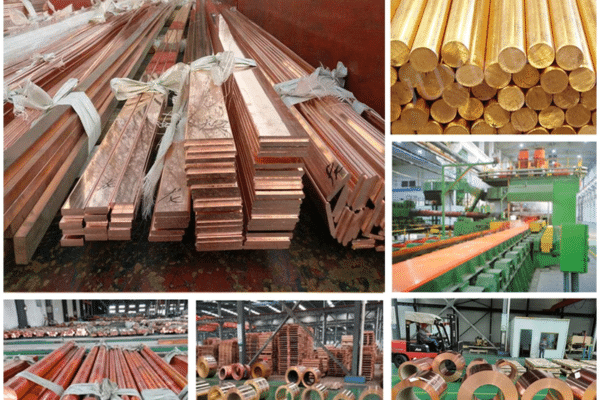
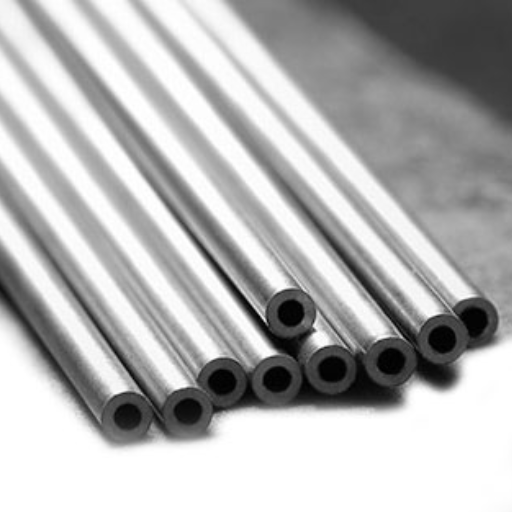
In the realm of building construction, copper tubes are a fundamental component, celebrated for their versatility and durability. We delve into the various types of copper pipes and their applications, specifically tailored for industrial and residential construction. Understanding these elements ensures optimal selection and usage, enhancing the efficiency and longevity of plumbing systems.
Solving Critical Building Construction Challenges
Superior thermal conductivity (400 W/K·m) - 1000x better heat transfer efficiency Proven 50-80 year service life with minimal maintenance required Naturally antimicrobial - kills 99.9% of bacteria within 2 hours Withstands extreme pressures up to 1,000+ PSI safely Non-combustible with 1,984°F melting point - superior fire safety 100% impermeable barrier prevents oxygen infiltration
Why Building Professionals Choose Copper
Unmatched performance across every critical metric
Superior Thermal Performance
Copper conducts heat 8x better than steel and 1000x better than plastic. Essential for efficient HVAC systems, reducing energy consumption by 15-25% compared to alternative materials. Smaller diameter tubes achieve equivalent performance with less refrigerant and material.
Unmatched Durability
Withstands extreme temperatures (-200°F to +400°F), high pressures (1,000+ PSI), and corrosive environments. Natural patina formation provides self-healing protection. Installations from the 1940s still operate flawlessly today.
Antimicrobial Properties
Copper naturally kills bacteria, viruses, and fungi within hours. Reduces disease transmission in HVAC systems and water lines. Particularly valuable in healthcare, hospitality, and food service applications where hygiene is critical.
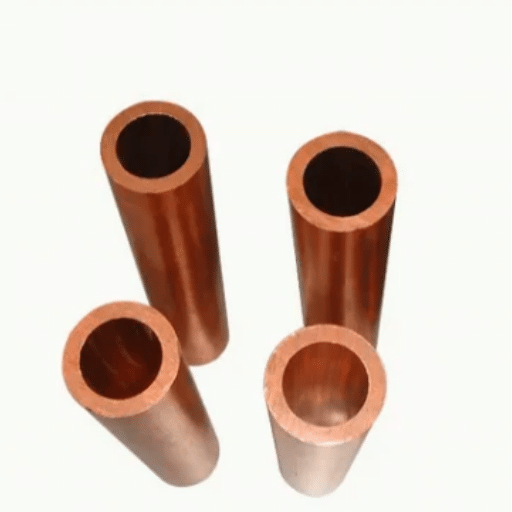
Fire Safety Excellence
Non-combustible material that maintains structural integrity during fires. Melting point of 1,984°F far exceeds typical fire temperatures. Won't release toxic fumes or spread flames through walls and floors, protecting lives and property.
Copper Tube Type Selection Guide
| Feature | Type K (Green) | Type L (Blue) | Type M (Red) |
|---|---|---|---|
| Wall Thickness | Thickest (0.065" for 3/4") | Medium (0.045" for 3/4") | Thinnest (0.032" for 3/4") |
| Typical Pressure Rating | Up to 1,000+ PSI | Up to 300 PSI | Up to 200 PSI |
| Best Applications | Underground water mains, high-pressure systems, fire protection, medical gas | Interior plumbing, HVAC, commercial buildings, most common type | Residential water supply, low-pressure applications, budget-conscious projects |
| Availability | Hard (drawn) & soft (annealed) | Hard (drawn) & soft (annealed) | Hard (drawn) only |
| Underground Use | ✓ Ideal for burial | ✓ Approved for burial | ✗ Above-ground only |
| Fire Sprinkler Systems | ✓ Commonly specified | ✓ Approved | Limited use |
| Relative Cost | Highest (most durable) | Medium (best value) | Lowest (economy option) |
| Expected Lifespan | 80+ years | 60+ years | 50+ years |
Common Fittings and Accessories for Copper Tubing
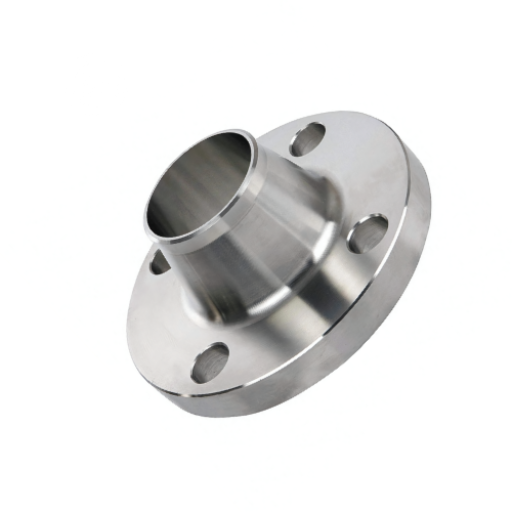
- Several fittings and accessories are commonly used to facilitate the installation and maintenance of copper tubing. Soldered fittings are popular for creating strong, leak-proof joints, especially in rigid copper pipes.
- Compression fittings offer an alternative for applications where frequent disassembly might be required.
- When working with different types of copper, including Type K and L, it is crucial to select fittings that match the specific outside diameter of the pipes.
- Utilizing the correct accessories ensures the integrity and efficiency of the plumbing and heating systems.
Applications of Building Construction Copper Tube
Plumbing Systems
HVAC Systems
Gas Distribution
Drainage and Waste Systems
Latest Blog Posts
Explore our comprehensive resources, including industry insights, application guides, and technical expertise to support your projects.
Contact Us for More Information
If you’re considering copper tubing for your next construction project, our team is here to help guide you in making the best choice. We offer comprehensive information on the different types of copper pipes and their applications. Contact us today to speak with an expert who can provide personalized advice and solutions tailored to your specific needs.
Frequently Ask Questions
Q: How is the thickness of type K copper pipes compared to type L?
A: Type K copper pipes are thicker than type L pipes, providing added strength and durability for applications that require higher pressure tolerances. This makes type K a popular choice for underground installations, while type L is often used for above-ground plumbing systems.
Q: What plumbing codes govern the use of copper tubing for drainage?
A:Plumbing and mechanical codes dictate the use of copper DWV piping for drain and vent lines. These codes ensure that the materials used in plumbing systems meet safety and performance standards. Type K, L, and M pipes are all allowed, but their specific applications may vary based on local building authority regulations.
Q: How is copper tubing measured in terms of diameter?
A: Copper tubing is measured by its actual outside diameter (OD). This measurement is critical for selecting the right type of fittings and ensuring a proper fit within plumbing systems. For example, a half-inch copper pipe has an OD that corresponds to its nominal size, which is essential for installation purposes.
Q: Can type M copper pipes be used for exterior applications?
A: Type M copper pipes are generally not recommended for exterior applications due to their thinner wall compared to both type K and type L pipes. They are best suited for interior water supply lines and should be used where less pressure or exposure to the elements is expected.
Q: What factors should be considered when selecting the right type of copper tubing?
A: When selecting the right type of copper tubing, consider factors such as the pressure requirements, environmental conditions, and specific plumbing applications. Type K is ideal for high-pressure situations, while type L is versatile for various indoor plumbing systems. Always consult local plumbing codes and a building professional for guidance.
Q: What advantages do copper pipes offer for plumbing systems?
A: Copper pipes are considered the most common type of piping used in plumbing systems due to their longevity, resistance to pipe corrosion, and ability to handle high temperatures. They also have natural anti-bacterial properties, making them a safe choice for water supply lines.