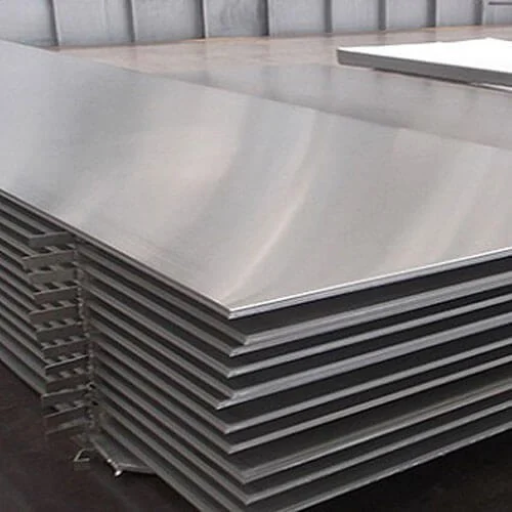
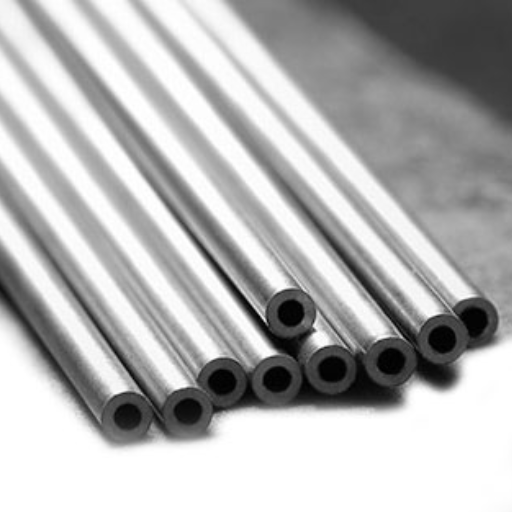
Choosing the right welded rectangular tube comes down to four decisions: the welding method, the material grade, the surface finish, and the tolerance limits. Get these wrong and you face early corrosion in coastal areas, installation headaches, or structural failure under load. Get them right and the same tube delivers decades of trouble-free service.
At our Wenzhou facility, Zhongzheng manufactures welded rectangular tube to ASTM A554 for projects that range from Dubai waterfront developments to European pharmaceutical clean rooms. This guide explains how to specify welded rectangular tube with confidence, whether you need standard sizes or custom sections for demanding environments.
What this guide covers: how the tube is manufactured, which ASTM A554 grade suits each environment, the dimensions and tolerances you can specify, the finishes available, and how to procure custom sizes without common specification mistakes.
Key Specifications at a Glance
| Parameter | Range |
|---|---|
| Standard | ASTM A554/A554M-26 |
| Grades | MT-304, MT-304L, MT-316, MT-316L, MT-201, MT-430 |
| Size (short side A) | 10-200 mm (3/8″-8″) |
| Size (long side B) | 15-300 mm (1/2″-12″) |
| Wall thickness | 0.5-6.0 mm (up to 10 mm custom) |
| Standard length | 6 m (custom to 12 m) |
| Finishes | Mill, 180/320-grit brushed, mirror, electropolished |
| MOQ | 100 kg standard; 500 kg custom |
What is a Welded Rectangular Tube?

A welded rectangular tube is a hollow structural section made by forming flat stainless steel strip into a rectangular profile and joining the edges with fusion welding. Seamless tube starts as a solid billet that is extruded or drawn. Welded tube starts as coiled strip that passes through progressive forming and welding operations.
ERW vs TIG: Manufacturing Process Comparison
Electric Resistance Welding (ERW) is the most common method for stainless steel rectangular tube. In the ERW process:
- Slit coil passes through forming rolls that progressively shape the flat strip into a rectangular profile
- High-frequency electrical current heats the abutting edges to forging temperature
- Rollers apply pressure to forge the heated edges into a solid-state weld
- A scarfing tool trims the weld bead on the OD, and sometimes the ID for precision applications
ERW delivers high production speeds and excellent dimensional consistency. It is cost-effective for standard structural and architectural work. The heat-affected zone (HAZ) stays narrow, and with proper process control the weld matches the base material strength.
TIG Welding (GTAW) provides superior control for high-specification applications:
- A non-consumable tungsten electrode creates precise arc control
- Argon shielding gas protects the molten weld pool from oxidation
- Filler metal can be added independently, which allows chemistry optimization
- The process produces minimal spatter and an excellent surface appearance
Zhongzheng uses ERW for standard mechanical tubing and TIG welding for architectural grades that need superior cosmetics, or for 316L grades in critical corrosion-resistant applications.
Rectangular vs Square vs Round: Shape Selection
Rectangular tube resists bending best when its long dimension sits vertical. The asymmetric geometry distributes material efficiently for beam-type applications, including handrails, equipment frames, and structural supports with directional loading.
Square tube offers equal strength in both axes, which simplifies connections and bracing. Choose square sections when loads are unpredictable or multi-directional.
Round tube delivers the highest strength-to-weight ratio for pressure applications, but it offers limited flat surface for mounting or architectural aesthetics.
ASTM A554 Standard: Compliance Requirements
The ASTM A554/A554M-26 Standard Specification for Welded Stainless Steel Mechanical Tubing governs welded rectangular tubing used for structural, architectural, and mechanical purposes. It does not require specific pressure ratings. The standard lets you align your specification with the manufacturing processes and quality assessment methods that tubing producers actually use.
Standard Classifications and Grades
ASTM A554 defines several grade designations for mechanical tubing:
| ASTM Designation | UNS Number | Common Name | Applications |
|---|---|---|---|
| MT-304 | S30400 | 304 | General purpose, indoor applications |
| MT-304L | S30403 | 304L | Welded fabrications requiring corrosion resistance |
| MT-316 | S31600 | 316 | Marine environments, chemical exposure |
| MT-316L | S31603 | 316L | Critical corrosion resistance, pharmaceutical |
| MT-201 | S20100 | 201 | Cost-sensitive applications, reduced nickel |
| MT-430 | S43000 | 430 | Interior applications, magnetic requirements |
The “MT” prefix stands for “mechanical tubing.” It separates these grades from pressure-rated pipe specifications. MT grades prioritize dimensional tolerance, surface finish, and formability over the elevated mechanical properties needed for pressure containment.
Mechanical vs Ornamental Classifications
ASTM A554 recognizes two primary categories.
Mechanical Tubing meets structural requirements through precise production processes that deliver dependable strength. It is intended for load-bearing applications that need documented tensile and flattening-test performance.
Ornamental Tubing is produced for visual display. It allows wider dimensional limits and does not require physical property testing. It suits furniture, display fixtures, and decorative architectural components.
Specify which classification you need for handrail, facade, or other visible installations. Zhongzheng produces both from the same production lines. Mechanical tubing undergoes additional testing and documentation.
Mandatory Testing Requirements
ASTM A554 requires specific quality verification tests:
- Flattening Test – A section of tube is compressed between parallel plates until the outside walls meet. The weld must show no cracks or imperfections. This test checks the ductility of both the base metal and the weld zone.
- Reverse Flattening Test – This more severe test positions the weld at the point of maximum stress during flattening. It is required for mechanical tubing grades.
- Tensile Testing – Verifies that ultimate tensile strength, yield strength, and elongation meet the minimum requirements for the specified grade. Required for mechanical tubing.
Typical minimum values:
| Grade | Tensile Strength (MPa) | Yield Strength (MPa) | Elongation (%) |
|---|---|---|---|
| MT-304 | 515 | 205 | 35 |
| MT-316L | 485 | 170 | 35 |
| MT-201 | 515 | 260 | 40 |
Grade Selection: 304 vs 316L vs 201
Grade selection is the most critical specification decision for welded rectangular tube. The wrong grade in an aggressive environment causes unsightly staining, structural weakening, or premature replacement. The right grade provides decades of service with minimal maintenance.
Grade 304/304L (ASTM A554 MT-304)
Composition: 18-20% chromium, 8-10.5% nickel, maximum 0.08% carbon (0.03% for 304L)
Performance characteristics:
- Excellent general corrosion resistance in indoor and mild outdoor environments
- Good formability for bending and fabrication
- Cost-effective for most architectural applications
- Susceptible to chloride-induced pitting in marine or de-icing salt exposure
Appropriate applications:
- Interior handrails and balustrades
- Furniture and display fixtures
- Non-critical structural supports in controlled environments
- Dry-climate exterior applications away from coastal exposure
Choose 304L for fabricated and field-welded work. Its lower carbon content prevents sensitization, the chromium carbide precipitation at grain boundaries that depletes chromium and weakens corrosion resistance. The heat-affected zones of 304L keep their corrosion protection when the tube is cut, drilled, and welded on site.
Grade 316L (ASTM A554 MT-316L)
Composition: 16-18% chromium, 10-14% nickel, 2-3% molybdenum, maximum 0.03% carbon
Performance characteristics:
- Superior corrosion resistance in chloride environments
- Molybdenum significantly raises pitting resistance
- Higher strength than 304 at elevated temperatures
- PREN (Pitting Resistance Equivalent Number) of roughly 24-25, versus 18-20 for 304
Critical applications requiring 316L:
- Coastal and marine environments (within 5 km of saltwater)
- Swimming pool enclosures (chlorine exposure)
- Food processing and pharmaceutical equipment
- Chemical plant structures with atmospheric exposure
- Urban environments with heavy de-icing salt use
Molybdenum in 316L builds a permanent protective layer against chloride attack. In practice, marine handrails made of 316L last three to five times longer than 304 before their appearance deteriorates under salt spray and occasional water contact.
Grade 201 (ASTM A554 MT-201)
Composition: 16-18% chromium, 3.5-5.5% nickel, 5.5-7.5% manganese, nitrogen addition
Performance characteristics:
- Lower cost than 300-series grades because of reduced nickel content
- Good formability and strength
- Reduced corrosion resistance compared to 304
- Higher work-hardening rate
Appropriate applications:
- Interior applications in dry, controlled environments
- Cost-sensitive furniture and fixtures
- Short-term installations and temporary structures
- Decorative elements where longevity is not critical
Grade 201 gained market acceptance during nickel price spikes as an affordable substitute for 304 stainless steel. Its reduced nickel and increased manganese content lower corrosion resistance. For exterior or moisture-prone applications, the initial savings disappear when components need premature replacement.
Grade Selection Decision Matrix
| Environment | Recommended | Acceptable Alternative | Avoid |
|---|---|---|---|
| Interior, controlled | 304 | 201 | – |
| Interior, humid | 304L | 304 | 201 |
| Exterior, urban | 304L | 304 | 201 |
| Exterior, coastal | 316L | 316 | 304 |
| Marine, frequent salt | 316L | Duplex 2205 | 304, 201 |
| Food/pharmaceutical | 316L | 304L (non-critical) | 201 |
| Swimming pool | 316L | – | 304, 201 |
Welded Rectangular Tube Standards: ASTM, EN, and JIS
ASTM A554 is the dominant standard in North America, but international buyers often specify welded rectangular tube to European or Asian standards. For more context on how rectangular tube fits into a broader sourcing strategy, see our stainless steel rectangular tube guide.
| Standard | Scope | Region |
|---|---|---|
| ASTM A554 | Welded mechanical tubing | North America |
| EN 10296-2 | Welded machine and engineering tubes | Europe |
| EN 10219-2 | Cold-formed welded structural hollow sections | Europe |
| JIS G3446 | Machine and structural stainless tubes | Japan, Asia |
Grade equivalence across systems:
| ASTM | EN | Notes |
|---|---|---|
| MT-304 / 304L | 1.4301 / 1.4307 | General-purpose austenitic |
| MT-316 / 316L | 1.4401 / 1.4404 | Chloride-resistant austenitic |
In Europe and the Middle East, welded rectangular tube is often specified as a rectangular hollow section (RHS). If your project is drawn to EN 10296-2 or EN 10219-2, tell your supplier the EN grade number (for example 1.4404) as well as the ASTM designation. That prevents miscommunication and ensures the mill certificate matches what your inspector expects.
Welded Rectangular Tube Dimensions and Tolerances
Welded rectangular tube dimensional accuracy affects three areas: structural performance, fitment, and aesthetic appearance. ASTM A554 sets specific tolerance requirements. Understanding them lets you choose practical tolerances without paying for precision you do not need.
Standard Dimension Ranges
Zhongzheng manufactures welded rectangular tube across a broad dimensional envelope.
Metric sizes (mm):
- Short side (A): 10-200 mm
- Long side (B): 15-300 mm
- Wall thickness: 0.5-6.0 mm (up to 10 mm on custom inquiry)
- Standard lengths: 6 m (custom to 12 m)
Imperial sizes (inches):
- Short side: 3/8″-8″
- Long side: 1/2″-12″
- Wall thickness: 0.035″-0.250″
Common stock sizes (high availability):
- 20x10x1.5 mm, 20x10x2.0 mm
- 25x25x1.5 mm (square), 30x20x2.0 mm
- 40x20x2.0 mm, 40x20x3.0 mm
- 50x30x2.0 mm, 50x30x3.0 mm
- 60x40x2.0 mm, 60x40x3.0 mm
- 80x40x3.0 mm, 80x40x4.0 mm
Stainless Steel Rectangular Tube Weight Chart
Use this table for shipping, freight, and structural calculations. Values are theoretical weights for 304/316 austenitic stainless steel (density 7.93 g/cm3). Actual weight varies slightly with corner radius.
| Size (mm) | Wall (mm) | Theoretical Weight (kg/m) |
|---|---|---|
| 20 x 10 | 1.5 | 0.64 |
| 20 x 10 | 2.0 | 0.83 |
| 25 x 25 | 1.5 | 1.12 |
| 30 x 20 | 2.0 | 1.46 |
| 40 x 20 | 2.0 | 1.78 |
| 40 x 20 | 3.0 | 2.57 |
| 50 x 30 | 2.0 | 2.41 |
| 50 x 30 | 3.0 | 3.52 |
| 60 x 40 | 2.0 | 3.05 |
| 60 x 40 | 3.0 | 4.47 |
| 80 x 40 | 3.0 | 5.42 |
| 80 x 40 | 4.0 | 7.11 |
Critical Tolerances
Outside dimension tolerance (ASTM A554, Table 1):
| Specified Dimension (mm) | Tolerance (mm) |
|---|---|
| Under 25.4 | +/-0.25 |
| 25.4 to 38.1 | +/-0.38 |
| 38.1 to 50.8 | +/-0.51 |
| 50.8 to 63.5 | +/-0.64 |
| 63.5 to 76.2 | +/-0.76 |
| Over 76.2 | +/-1% of dimension |
Wall thickness tolerance: +/-10% of specified wall thickness for welded tube. Tighter tolerances (+/-5%) are available on request for precision applications that need exact weight calculations or pressure containment.
Corner radius: Often overlooked, but critical for fitment when rectangular tube nests inside fittings or connectors. ASTM A554 specifies:
- Maximum external corner radius: 3x wall thickness
- Typical internal corner radius: 1-2x wall thickness, depending on the forming process
When the tube slides into mating components such as handrail fittings or frame connectors, verify corner radius compatibility. Sharp internal corners increase stress concentration; generous radii improve fatigue resistance.
Flatness and straightness:
- Straightness: 1 mm per meter maximum deviation (tighter on request)
- Side flatness: individual sides must not deviate more than 0.5% from perfect flatness
- Twist: maximum 2 mm per meter for structural applications
Twist tolerance matters for visible architectural installations. A twisted rectangular tube used as a handrail appears visibly misaligned and creates problems at connections.
Custom Size Capabilities
Beyond standard dimensions, Zhongzheng produces custom rectangular tube sizes with these parameters:
- Minimum order quantity: 500 kg for custom non-standard dimensions
- Tooling: new roll sets required for significant dimensional changes (4-6 week tooling lead time)
- Feasibility limits: aspect ratios (long side / short side) up to 5:1; minimum wall 0.5 mm for weld integrity
Custom rectangular tube enables design optimization. You use exactly the section modulus your application requires instead of oversizing with a standard dimension. For structural work, this optimization cuts material cost and weight while maintaining performance.
Surface Finishes and Aesthetic Options
Surface finish on welded rectangular tube serves both functional and aesthetic purposes. The right finish enhances corrosion resistance, reduces cleaning requirements, or provides the architectural look your project demands.
Mill Finish (Unpolished)
- Appearance: Dull gray, slightly reflective, with visible manufacturing marks and possible light surface oxidation
- Characteristics: As-manufactured surface requiring no additional processing; the most economical option; acceptable for hidden structural applications and industrial machinery guards; may show fingerprints and need more frequent cleaning when visible
- Surface roughness: Ra 1.0-2.5 um typical
Mill finish suits applications where appearance is secondary to function. For exterior architectural work, mill finish develops a patina over time. Most architectural specifications require at least a brushed finish.
Brushed Finishes (180 Grit, 320 Grit)
Rotary sanding or belt polishing creates a uniform scratch pattern.
180 grit:
- Coarse satin appearance with visible grain
- Effective at hiding surface imperfections and minor scratches
- Common for commercial handrails and industrial applications
- Surface roughness: Ra 0.4-0.8 um
320 grit:
- Fine satin with refined grain pattern
- Premium architectural appearance
- Better corrosion resistance than 180 grit (smoother surface, fewer crevices)
- Surface roughness: Ra 0.2-0.4 um
Brushed finishes create a matte surface that reduces light reflection. The 320-grit finish approaches a mirror look while the directional grain pattern hides minor scratches.
Grain direction matters. Choose between long grain (running parallel to the tube length) and cross-grain, then plan fabrication carefully to keep grain alignment consistent across mitered joints.
Mirror / Marine Polish (400+ Grit, Ra < 0.4 um)
Progressive polishing through fine abrasives, followed by buffing compounds.
- Highly reflective, mirror-like appearance
- Maximum corrosion resistance (smoothest surface, least contamination retention)
- Premium pricing because of labor-intensive processing
- Shows all surface imperfections, so it requires high-quality base material
Surface roughness: Ra < 0.1 um for premium mirror; Ra 0.1-0.2 um for standard mirror.
Mirror finish creates bold architectural statements and makes spaces feel larger by reflecting surrounding elements. It needs regular upkeep because fingerprints, water stains, and outdoor dirt become visible quickly.
Mirror finish also delivers practical marine advantages. The smooth surface discourages marine organisms from attaching and makes cleaning easier. Mirror-polished 316L rectangular tube is the preferred choice for superyacht railings and high-end marine hardware.
Electropolished Finish
Electrochemical polishing removes surface material preferentially, smoothing micro-peaks and reducing surface area.
Benefits:
- Superior corrosion resistance (the passive layer is enhanced)
- Surface roughness reduced by 30-50% from the starting condition
- Removes embedded contaminants left by manufacturing
- Creates a hygienic surface for food and pharmaceutical applications
Electropolished rectangular tube suits hygienic applications where cleanability matters. Equipment frames in pharmaceutical clean rooms, food processing support structures, and laboratory installations all benefit from the enhanced cleanability and corrosion resistance of electropolished 316L tube. For details on hygienic grades, see our electropolished stainless steel tubing page.
Welded Rectangular Tube Applications by Industry

Welded rectangular tube serves diverse industries, each with specific requirements for grade, finish, and tolerance.
Architectural and Construction
Primary applications:
- Handrails and balustrades: the most common architectural use; 50x30x2.0 mm and 40x20x2.0 mm are standard sizes
- Facade support systems: rectangular tube frames for cladding attachment
- Furniture and fixtures: table frames, display units, shelving
- Signage structures: support frames for exterior commercial signs
Specification guidance:
- Coastal projects: 316L with 320-grit or mirror finish
- Urban exterior: 304L minimum, 320-grit for appearance
- Interior dry: 304, 180-grit acceptable
- High-visibility installations: tight twist tolerance (1 mm/m) and consistent grain direction
Architectural work combines visual and structural requirements. Specify surface finish with precise standards, including acceptable grain direction and joint consistency. Verify handrail wall thickness against local structural codes for guardrail applications.
Food Processing and Pharmaceutical
Applications:
- Equipment support frames and skids
- Clean room structural elements
- Conveyor system frames
- Tank and vessel support structures
Requirements:
- Grade: 316L minimum (electropolished for hygienic zones)
- Surface finish: Ra < 0.8 um for food contact; Ra < 0.4 um for pharmaceutical Grade A/B environments
- Construction: crevice-free design, sloped surfaces for drainage
- Documentation: full material traceability and 3.1 certificates
Hygienic design demands smooth surfaces without crevices where bacteria can accumulate. These applications often require custom fabrication, including mitered joints that are fully welded and polished, with no exposed threads or fasteners in product zones.
Marine and Coastal
Applications:
- Boat rails, stanchions, and bow rails
- Marina dock structures and fender systems
- Pool enclosures and fencing
- Coastal building facades and trim
Requirements:
- Grade: 316L minimum; super duplex 2205 for immersion or high-splash zones
- Finish: 320-grit or mirror for corrosion resistance and appearance
- Design: avoid crevices, ensure drainage, minimize horizontal surfaces where chlorides accumulate
Marine service exposes tube to chloride attack from salt spray and occasional immersion. The molybdenum in 316L provides essential protection. For splash zones on vessels or structures that experience regular wetting, consider seamless alternatives or duplex grades as your primary option. See our duplex stainless steel guide for grade guidance in these environments.
Industrial and Manufacturing
Applications:
- Machine guards and safety enclosures
- Conveyor system frames
- Workstation and workbench frames
- Equipment bases and skids
Requirements:
- Grade: 304 for controlled environments; 316L for chemical exposure or wash-down areas
- Finish: mill or 180-grit typically sufficient
- Tolerance: standard commercial tolerances acceptable for most applications
Industrial applications prioritize function over appearance. Mill-finish rectangular tube at standard tolerances delivers budget-friendly structural solutions. For safety guarding, confirm the wall thickness meets impact-resistance standards.
Welded Rectangular Tube Quality and Testing

Quality assurance separates premium suppliers from commodity producers. Understanding the tests and documentation available helps you specify the right quality level.
Zhongzheng Production Process
Raw material verification: Every coil entering the production line undergoes spectrometric analysis to confirm the chemistry matches the ordered grade. This happens before forming, preventing costly mistakes and ensuring traceability.
Forming and welding:
- Progressive roll forming gradually shapes flat strip into a rectangular profile
- In-line weld monitoring checks penetration and bead consistency
- ERW parameters (current, pressure, speed) are continuously monitored and recorded
- For TIG-welded grades, certified welders perform continuous seam welding with automated travel
Dimensional verification:
- Laser gauging monitors width, height, and wall thickness in real time
- Statistical process control keeps dimensions within ASTM A554 requirements
- Cut-length measurement and straightness verification occur before bundling
Quality Control Tests
- Flattening test: Performed per ASTM A554, Section 12. A 100 mm sample is compressed between parallel platens until the outside walls contact. The weld zone must show no cracking or separation. Zhongzheng performs flattening tests on every production run with full documentation.
- Reverse flattening test: Positions the weld at maximum stress during flattening. This more severe test is required for mechanical tubing certification.
- Surface finish verification: Surface roughness measured with a profilometer (Ra values); visual inspection against approved samples for brushed and mirror finishes; electropolished surfaces checked for uniformity and reflectivity.
- Dimensional inspection: Width and height measured at multiple points; wall thickness measured ultrasonically; straightness checked on marble tables; twist measured with calibrated gauges.
Documentation Package
Mill Test Report (MTR) contents:
- Heat number and material grade confirmation
- Chemical composition analysis (alloying elements)
- Mechanical properties (tensile, yield, elongation)
- Test results (flattening, dimensional inspection)
- Certificate type: EN 10204 2.2 (standard) or 3.1 (inspection certificate)
Additional documentation available:
- Dimensional inspection reports with actual measurements
- Surface roughness test reports
- Third-party inspection certificates (SGS, TUV, Bureau Veritas)
- Material origin certificates
- Compliance declarations (RoHS, REACH)
Third-party inspection provides independent verification for critical projects. Zhongzheng coordinates with SGS, TUV, and Bureau Veritas for pre-shipment inspection, dimensional witness testing, and documentation review.
Procurement and Customization Guide
Effective procurement requires clear specifications and a clear understanding of lead times, MOQs, and customization options.
Specifying Your Requirements
Provide these details for an accurate quotation:
Essential information:
- Grade (for example ASTM A554 MT-304 or MT-316L)
- Dimensions: A x B x wall thickness (short side x long side x wall)
- Length: standard (6 m) or custom cut lengths
- Quantity: total linear meters or piece count
- Finish: mill, 180-grit, 320-grit, mirror, or electropolished
Additional specifications:
- Mechanical vs ornamental classification (mechanical requires the flattening test)
- Tolerance requirements (standard ASTM A554 or tighter)
- Straightness and twist requirements for visible applications
- Corner radius limits for fitment-critical applications
- Packaging requirements for sea or air freight
Custom Fabrication Services
Beyond raw tube supply, Zhongzheng offers value-added fabrication:
Cutting services:
- Automatic saw cutting to precise lengths (+/-1 mm tolerance)
- Miter cutting for frame fabrication (angles from 15 to 90 degrees)
- Minimum cut length: 50 mm; maximum: 12 m
End finishing:
- Deburring of cut ends (standard)
- Chamfering for weld preparation (specified angle)
- Internal deburring for fluid-passage applications
Hole making:
- CNC drilling for mounting holes
- Punching for production quantities
- Tapping for threaded connections
Surface enhancement:
- Additional polishing to higher grits
- Electropolishing for hygienic applications
- Bead blasting for a matte finish
- Passivation to enhance corrosion resistance
Special packaging:
- Individual plastic sleeving to prevent surface damage
- Wooden crates for high-value mirror-finish tube
- VCI (vapor corrosion inhibitor) wrapping for sea freight
- Marking and labeling per customer specifications
Lead Times and MOQ
Standard sizes (from stock or production):
- Lead time: 2-3 weeks from order confirmation
- MOQ: 100 kg or one master bundle (typically 500-1,000 kg)
- Mixed loads: multiple sizes combined to reach the MOQ
Custom dimensions:
- Lead time: 4-6 weeks (includes tooling if required)
- MOQ: 500 kg per size for custom dimensions
- Tooling charges: one-time fee for roll sets; the tooling remains Zhongzheng property
Expedited production:
- Rush orders possible for standard sizes (1-week lead time)
- Expedite fee: 15-20% surcharge
- Subject to production schedule availability
Frequently Asked Questions
What is the difference between welded and seamless rectangular tube?
Welded rectangular tube starts as flat steel strip that is formed and welded. Seamless rectangular tube is extruded or drawn from solid material and has no welded joint. Welded tube offers lower cost, manufacturing accuracy, and a wider range of sizes. Seamless pipe keeps consistent material characteristics throughout, which suits high-pressure systems and demanding forming processes. For structural and architectural needs, welded tube performs identically at a lower price.
Can welded rectangular tube be used for structural applications?
Yes, when specified as ASTM A554 mechanical tubing. Mechanical classification requires compliance with the flattening test and guaranteed tensile strength. Do not use ornamental tubing for load-bearing structures. Calculate structural requirements using the nominal wall thickness, and account for the weld seam position during stress evaluation. ASME and Eurocode 3 provide design standards for stainless steel structures.
What is the maximum length available for a rectangular tube?
Standard production length is 6 m (about 20 feet). Custom lengths reach 12 m, but they carry longer delivery times and higher cost because of increased material waste. The 5.8 m length is optimal for containerized shipping. For very long continuous runs, use on-site splicing with qualified welding instead of ordering extremely long single pieces.
What steps should I take to confirm ASTM A554 compliance?
Ask for the Mill Test Report (MTR), which contains chemical composition, mechanical properties, and test results. The MTR must reference ASTM A554, not just the grade. For critical applications, use third-party inspection to verify testing procedures. Dimensional compliance is checked by comparing samples against the ASTM A554 tolerance tables. Reputable suppliers provide EN 10204 3.1 certificates that allow full material traceability.
What is the cost difference between 304 and 316L rectangular tube?
316L typically commands a 20-30% premium over 304, depending on current nickel and molybdenum market prices. In aggressive environments, the extended service life of 316L makes it more cost-effective than repeated 304 replacement cycles. For architectural applications, factor in maintenance cost: 316L needs less cleaning and polishing to keep its appearance. Always evaluate lifecycle cost, not just the initial material price.
Does electropolishing work on rectangular tube surfaces?
Yes. Welded rectangular tube accepts electropolishing and benefits from it. The process improves corrosion resistance by removing surface defects and thickening the chromium oxide protective layer. Electropolished 316L rectangular tube is standard material for pharmaceutical and food processing equipment frames. Electropolishing removes 10-20 microns of surface material, so final dimensions are slightly smaller than the starting dimensions.
What corner radius should I specify?
ASTM A554 permits a maximum external corner radius of three times the wall thickness. For fitting applications, measure the internal corner radius of the fitting and match the tube’s external radius to it. Sharper visual results come from tighter corner radii, which can be less than one times the wall thickness. For structural applications, use wider corner radii to minimize stress concentrations. When corner radius is not critical, use the standard commercial range of 1.5-2 times the wall thickness.
Conclusion
Specifying welded rectangular tube means balancing four factors: mechanical strength, corrosion resistance, aesthetics, and budget. Your grade choice (304L vs 316L) and finish choice (mill, brushed, mirror, or electropolished) determine both project success and lifecycle cost.
316L justifies its higher price through molybdenum-driven corrosion resistance that extends service life in coastal and chemical environments. 304L with a 320-grit finish delivers excellent visual appeal for interior architectural work at a more accessible cost. Whichever you choose, your supplier must verify materials, control dimensions, and perform the ASTM A554 tests that back the mill certificate.
Zhongzheng manufactures welded rectangular tube in Wenzhou to your specification, with full material traceability, ASTM A554-26 testing, and complete export documentation. Our technical team helps with grade selection, tolerance improvement, and custom fabrication, so your rectangular tube performs correctly from installation through its full service life.
Ready to specify welded rectangular tube? Send us your grade, dimensions, and quantity for a quotation, or contact our technical team to confirm the right specification for your project. Contact us or explore our stainless steel rectangular tube product range.