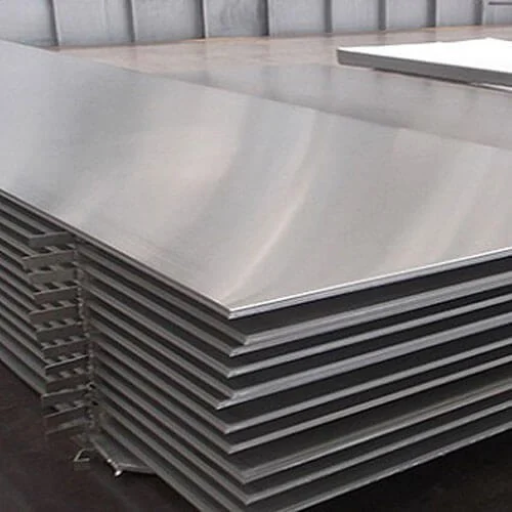
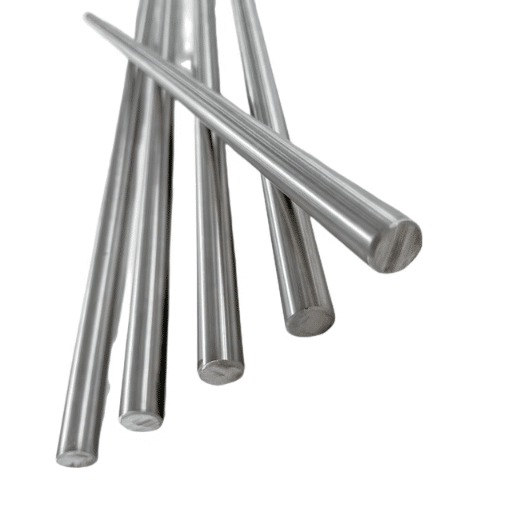
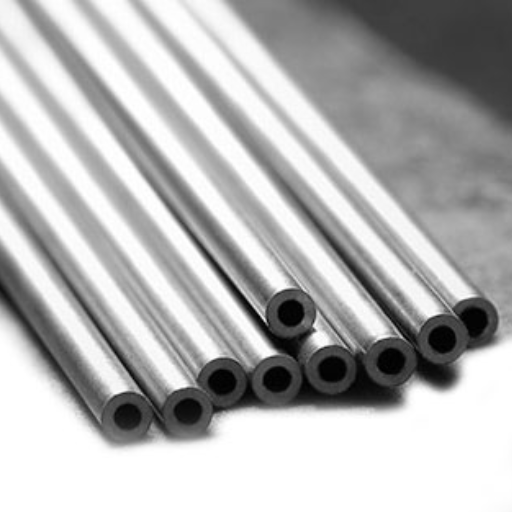
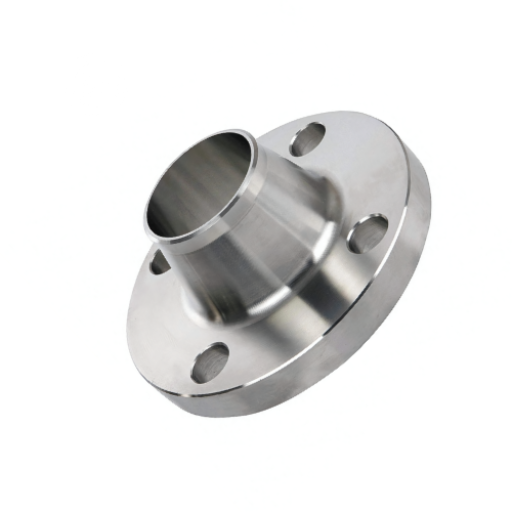
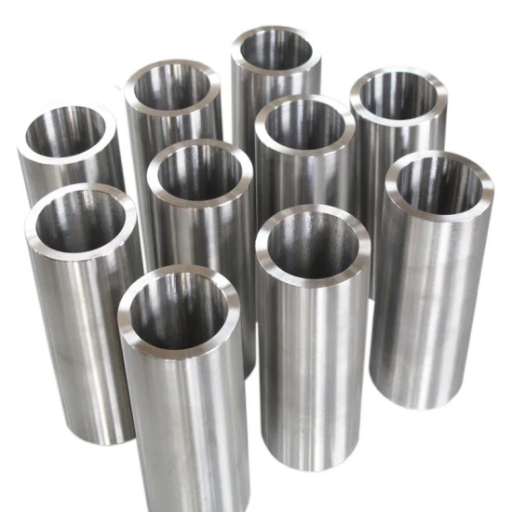
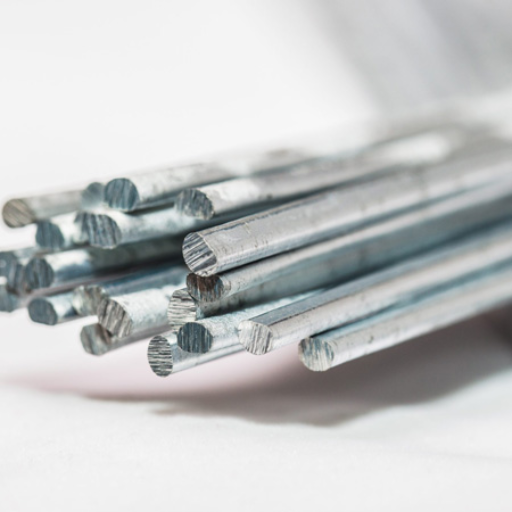
Duplex stainless steel is a family of alloys with a two-phase microstructure containing roughly equal amounts of ferrite and austenite, giving it approximately twice the yield strength of 316L together with superior resistance to chloride stress corrosion cracking and pitting. For procurement engineers and project engineers choosing materials for chemical process piping, offshore seawater systems, or sour service flowlines, understanding duplex grades, standards, and supplier verification is the difference between a 25-year asset and a premature failure.
Selecting the wrong duplex grade can invalidate your corrosion allowance. Specifying the right one can cut wall thickness, eliminate cathodic protection, and reduce lifecycle cost by 30–50% in aggressive chloride service. This guide covers what duplex stainless steel is, how the common grades compare, which ASTM and NACE standards apply, where duplex outperforms austenitic grades, and how to qualify a manufacturer before you place an order.
Key Takeaways
- Duplex stainless steel contains roughly 50% ferrite and 50% austenite, delivering about twice the yield strength of 316L.
- Common grades are 2205 (UNS S32205) for moderate chloride service and 2507 (UNS S32750) for severe chloride, seawater, and sour service.
- PREN indicates chloride corrosion resistance: 316L ≈ 24–26, 2205 ≈ 34–36, and 2507 > 40.
- ASTM A790, A789, A928, and A182 govern duplex pipe, tube, welded pipe, and forgings; NACE MR0175/ISO 15156 governs sour service compliance.
- Verify duplex suppliers through MTR ferrite content, ASTM A923 intermetallic phase testing, and third-party inspection support.
What Is Duplex Stainless Steel?

The Austenite-Ferrite Microstructure
Duplex stainless steel gets its name from its microstructure: a roughly 50/50 mixture of ferrite and austenite phases. This phase balance is achieved through a carefully controlled composition. Higher chromium and lower nickel than austenitic grades, plus deliberate additions of molybdenum and nitrogen, create the two-phase structure. The ferrite phase provides high strength and resistance to chloride stress corrosion cracking, while the austenite phase contributes toughness and improved fabrication behavior.
If that phase balance shifts too far in either direction, performance drops. Excessive ferrite reduces toughness and corrosion resistance. Excessive austenite weakens the alloy and lowers resistance to stress corrosion cracking. That is why production heat treatment and ferrite content verification are non-negotiable parts of duplex quality control.
How Duplex Differs from Other Stainless Steels
Compared with standard austenitic grades like 304 and 316L, duplex stainless steel offers:
- Higher strength: 2205 yield strength is approximately 450 MPa, versus about 205 MPa for 316L.
- Better chloride resistance: PREN values of 34–36 for 2205 and above 40 for super duplex grades, versus 24–26 for 316L.
- Lower nickel content: 2205 contains about 4.5–6.5% nickel, reducing exposure to nickel price volatility.
- Service temperature limits: Duplex grades are generally not recommended for sustained service above 250–300°C.
Compared with ferritic stainless steels, duplex grades offer better weldability, higher toughness, and markedly superior corrosion resistance in chloride environments.
Where Duplex Fits in the Stainless Steel Family
| Family | Representative Grades | Key Characteristics |
|---|---|---|
| Austenitic | 304, 316L, 317L | Easy to weld and form; moderate chloride resistance |
| Ferritic | 430, 444 | Magnetic; lower cost; limited toughness and weldability |
| Duplex | 2205, 2507 | High strength + excellent chloride resistance |
| Super Austenitic | 254 SMO, 904L | Extreme corrosion resistance; higher cost; lower strength than duplex |
Duplex occupies the middle ground: stronger and more chloride-resistant than austenitic grades, more practical and cost-effective than super austenitic alloys for many high-chloride applications.
Duplex Stainless Steel Grades
Duplex stainless steel grades are usually grouped into three categories based on alloy content, PREN, and cost. Understanding these categories is the starting point for matching a grade to its service environment.
Lean Duplex (LDX 2101, 2304)
Lean duplex grades reduce nickel and molybdenum content to lower cost while retaining most of the strength advantage. LDX 2101, with a PREN around 26, is used for structural applications, storage tanks, and cost-sensitive chloride service where 316L would be marginal. 2304 offers a slightly higher corrosion resistance and is common in nitric acid service and some heat exchanger applications.
These grades are not substitutes for 2205 in aggressive chemical or seawater service, but they can reduce weight and material cost in mild chloride environments.
Standard Duplex (2205 / UNS S31803 / S32205)
Duplex 2205 stainless steel is the workhorse of the family. Its nominal composition is approximately 22% chromium, 5% nickel, 3% molybdenum, and 0.15% nitrogen. The PREN typically falls between 34 and 36. Yield strength is around 450 MPa, roughly double that of 316L.
UNS S32205 is the current, more tightly controlled specification that replaced the older S31803 designation. The main difference is tighter nitrogen control: S32205 requires 0.14–0.20% nitrogen, which improves corrosion resistance and phase stability. When you specify 2205 today, you should normally specify UNS S32205, not S31803, unless your project documents explicitly reference the older grade.
Want to see how 2205 pipe is manufactured and inspected? Read our ASTM A790 duplex seamless pipe manufacturing guide.
Super Duplex (2507 / UNS S32750 / S32760)
Super duplex grades increase chromium, nickel, molybdenum, and nitrogen to push PREN above 40. UNS S32750 typically contains 24–26% chromium, 6–8% nickel, 3–5% molybdenum, and 0.24–0.32% nitrogen. Yield strength reaches approximately 550 MPa.
S32750 and S32760 are the most common super duplex grades. S32760 adds tungsten and slightly different composition limits, but for most buyers the performance envelope is similar. These grades are specified for seawater, subsea pipelines, sour service manifolds, and highly chlorinated chemical environments where standard duplex would not provide enough margin.
For detailed super duplex pipe specifications, see our UNS S32750 super duplex pipe specifications page.
Grade Selection Quick Reference
| Service Environment | Recommended Grade | Reason |
|---|---|---|
| Low chloride, cost-sensitive | Lean duplex or 316L | Lower alloy cost, adequate corrosion resistance |
| Moderate chloride, chemical process | 2205 (S32205) | Balanced strength, SCC resistance, PREN ~35 |
| Seawater, subsea, sour service | 2507 (S32750/S32760) | PREN > 40, maximum corrosion margin |
Key Properties and Advantages

Duplex stainless steel combines high mechanical strength with excellent chloride corrosion resistance. These properties come from the two-phase microstructure and the alloying elements that stabilize it.
Mechanical Strength
The high ferrite content of duplex grades gives them roughly twice the yield strength of austenitic stainless steels. Typical 0.2% proof strength values are:
- 316L: ~205 MPa
- 2205: ~450 MPa
- 2507: ~550 MPa
This strength allows thinner-wall designs for pressure rating, reducing weight and installed cost. In offshore risers and long pipeline systems, the weight saving alone can justify the material premium.
Corrosion Resistance
Duplex grades excel in environments that cause pitting, crevice corrosion, and chloride stress corrosion cracking in austenitic grades. The combination of chromium, molybdenum, and nitrogen produces a stable passive film and resists localized attack.
PREN is the shorthand buyers use to compare grades:
PREN = %Cr + 3.3(%Mo) + 16(%N)For 2205: 22 + 3.3(3) + 16(0.15) ≈ 34.9
For 2507: 25 + 3.3(4) + 16(0.27) ≈ 42.8
A higher PREN means better resistance to pitting and crevice corrosion in chloride service.
Cost Efficiency
Duplex 2205 typically costs 20–50% more per kilogram than 316L, and super duplex 2507 is roughly 1.5–2 times the cost of 2205. However, the lifecycle cost often favors duplex because:
- Thinner walls reduce total material weight.
- Higher strength reduces support structure requirements.
- Superior SCC resistance eliminates or extends inspection intervals.
- Lower nickel content reduces exposure to nickel price spikes.
The payback is fastest in aggressive chloride service where 316L would require frequent maintenance, cathodic protection, or early replacement.
Service Limitations
Duplex is not suitable for every temperature. Prolonged exposure between 350°C and 525°C can cause 475°C embrittlement, while exposure above roughly 650°C can form sigma phase and other intermetallic compounds. For this reason, sustained service is generally limited to about 250–300°C, depending on the grade and code requirements. Low-temperature applications are usually acceptable down to -50°C, provided impact testing confirms toughness.
Duplex Stainless Steel Standards
ASTM and ASME specifications define the chemical, mechanical, and testing requirements for duplex products. Knowing which standard applies to your product form prevents specification errors.
ASTM A790 / ASME SA790
ASTM A790 covers seamless and welded ferritic/austenitic stainless steel pipe. It includes grades S31803, S32205, S32750, and S32760. If you are buying duplex process pipe or pipeline pipe, ASTM A790 is the governing specification.
ASTM A789 / ASME SA789
ASTM A789 covers seamless and welded ferritic/austenitic stainless steel tubing for general service. It is the standard for heat exchanger tubes, instrumentation tubing, and small-bore hydraulic tubing in duplex grades.
ASTM A928 / ASME SA928
ASTM A928 covers welded duplex pipe produced with filler metal addition. This standard applies when welded construction is acceptable and the application does not require seamless pipe. Welded duplex pipe can offer significant cost savings in large-diameter, lower-pressure service.
ASTM A182 / ASME SA182
ASTM A182 covers forged fittings and flanges. For duplex systems, the common grades are F51 (matching 2205/S32205), F53 (matching 2507/S32750), and F55 (matching S32760). Using matching forgings ensures consistent corrosion resistance and mechanical properties across the piping system.
NACE MR0175 / ISO 15156
NACE MR0175/ISO 15156-3 defines the requirements for corrosion-resistant alloys in H2S-containing oil and gas production environments. For duplex grades in sour service, the standard typically limits hardness to 32 HRC maximum and sets temperature and H2S partial pressure envelopes. If your project involves sour gas, NACE compliance must be specified on the purchase order and confirmed on the MTR.
ASTM A923, Intermetallic Phase Testing
ASTM A923 describes test methods for detecting detrimental intermetallic phases in duplex stainless steels. Method C, the corrosion test, is the most common production test. A923 testing is important because it confirms that heat treatment has produced the correct phase balance without harmful precipitates.
For authoritative standard details, refer to ASTM International.
Manufacturing and Quality Control
Seamless vs Welded Duplex Production
Duplex stainless steel pipes and tubes are produced by two main methods:
Seamless production: A solid billet is heated, pierced, and then rolled or drawn to final dimensions. A seamless duplex pipe is preferred for high-pressure, critical, and sour service applications because it has no longitudinal weld seam.
Welded production: Flat duplex plate is formed into a cylinder and joined by TIG, plasma, or submerged arc welding with matching duplex filler metal. Welded duplex pipe per ASTM A928 is acceptable for many chemical, water, and structural applications where pressure and code requirements allow it.
The choice between seamless and welded duplex stainless steel pipe should be driven by design code, pressure rating, inspection requirements, and total installed cost. Zhongzheng produces both seamless stainless steel pipe and welded pipe, with documentation aligned to the applicable ASTM standard.
Heat Treatment (Solution Annealing)
After forming, duplex products must be solution annealed at approximately 1050–1100°C and rapidly water quenched. This process:
- Dissolves any intermetallic phases formed during hot working.
- Locks in the desired 50/50 ferrite-austenite balance.
- Restores corrosion resistance and toughness.
Incorrect annealing temperature or slow cooling is a common cause of substandard duplex. A complete MTR should include the heat treatment temperature and cooling method.
Ferrite Content Control
ASTM A790 typically requires ferrite content in the range of 35–65%, with 40–60% being the practical target for optimal properties. Ferrite is measured by:
- Feritscope: portable electromagnetic instrument for quick checks.
- Metallographic point count per ASTM E562: laboratory method for precise documentation.
If your MTR does not include ferrite content, ask for it. Phase balance is one of the fastest ways to confirm that the material was properly processed.
Essential Tests for Duplex Products
A qualified duplex supplier should be able to provide or support the following tests:
- Spectrographic chemical analysis, including nitrogen.
- Tensile and hardness testing.
- Hydrostatic pressure testing.
- Ultrasonic flaw detection for seamless products.
- Ferrite content measurement.
- ASTM A923 intermetallic phase testing.
- Impact testing for low-temperature service.
- NACE MR0175 compliance verification for sour service.
Mini-Story, Grade Verification Catch
A Houston-based valve manufacturer received a shipment labeled “duplex 2205” for a chemical service order. Before release, the QA manager ran a handheld PMI check. The nitrogen reading was 0.06%, below the 0.14% minimum for S32205 and closer to an older S31803 heat with poor nitrogen control. The material was rejected, preventing a batch of valves from being installed in chloride service where under-spec duplex could have suffered premature pitting. The lesson: verify chemistry, not just the label.
Duplex Stainless Steel Applications

Duplex stainless steel applications span oil and gas, offshore, chemical processing, desalination, and selected heavy industries. The grade selected for each application depends on chloride severity, pressure, temperature, and whether sour service conditions apply.
Oil and Gas Production
Duplex grades are used for flowlines, manifolds, risers, process piping, and CO2 injection lines. In sour service, super duplex S32750 is often specified for its combination of chloride resistance and NACE MR0175 compliance. Carbon capture and storage projects are also increasing demand for duplex pipe in CO2-rich, saline environments.
Offshore and Marine
Offshore platforms expose piping to warm seawater, high chloride concentrations, and cyclic loading. Duplex 2205 and super duplex 2507 are used for seawater cooling systems, ballast water treatment, firewater lines, subsea pipelines, and umbilicals. The strength advantage also reduces riser weight and top tension.
Chemical and Petrochemical Processing
In chemical plants, duplex is found in heat exchangers, pressure vessels, reboilers, and acid service piping. The resistance to chloride stress corrosion cracking makes it a reliable choice for process streams containing organic chlorides, brine, or seawater cooling.
Desalination and Water Treatment
Reverse osmosis pressure vessels, brine heater tubes, and high-pressure piping in desalination plants frequently use duplex 2205. The material resists the high salinity and pressure cycles that would rapidly degrade lower-alloy materials.
Pulp and Paper, Food, and Other Industries
Pulp digesters, evaporators, and bleach plants use duplex for chloride-containing process liquors. Selected food and pharmaceutical applications also specify duplex where chlorinated cleaning agents create aggressive conditions.
Duplex vs Super Duplex vs Austenitic Stainless Steel
Duplex 2205 vs 316L
| Property | 316L | Duplex 2205 |
|---|---|---|
| PREN | 24–26 | 34–36 |
| Yield strength | ~205 MPa | ~450 MPa |
| Nickel content | 10–14% | 4.5–6.5% |
| Chloride SCC resistance | Moderate | Excellent |
| Weldability | Excellent | Good, with qualified procedures |
| Relative cost | Baseline | 20–50% higher |
Choose 316L for general corrosion resistance, easy fabrication, and lower initial cost. Upgrade to 2205 when chloride concentration, stress corrosion cracking risk, or strength requirements exceed what 316L can reliably deliver.
Duplex 2205 vs Super Duplex 2507
| Property | 2205 (S32205) | 2507 (S32750) |
|---|---|---|
| Chromium | 21–23% | 24–26% |
| Molybdenum | 2.5–3.5% | 3–5% |
| Nitrogen | 0.14–0.20% | 0.24–0.32% |
| PREN | 34–36 | >40 |
| Yield strength | ~450 MPa | ~550 MPa |
| Typical cost | Baseline duplex | 1.5–2x 2205 |
Specify 2205 for moderate chloride and chemical service. Move to 2507 for seawater, subsea, high-temperature chlorides, or sour service where the design requires the highest corrosion margin.
When to Choose Each Family
| Requirement | Best Choice | Reason |
|---|---|---|
| General corrosion, easy fabrication | 316L | Lower cost, familiar welding |
| Moderate chloride + high strength | 2205 | 2x strength, SCC resistance, PREN ~35 |
| Severe chloride, seawater, or sour service | 2507 | PREN > 40, maximum corrosion margin |
Mini-Story, Offshore Seawater System Upgrade
A procurement engineer on a North Sea platform replacement project initially specified 316L for the seawater lift system. During technical review, the corrosion engineer flagged that warm seawater and cyclic loading would require cathodic protection and frequent inspection. Switching to UNS S32205 duplex stainless steel pipe eliminated the CP system, reduced wall thickness by 30%, and extended the design life from 15 to 25 years. For a 2,000-meter system, the installed cost premium was recovered within the first major maintenance cycle.
Procurement and Sourcing Duplex Stainless Steel
What to Specify in Your RFQ
A complete duplex RFQ should include:
- UNS designation and ASTM/ASME standard.
- Product form: seamless pipe, welded pipe, tube, fittings, or flanges.
- Dimensions: OD, wall thickness, length, and tolerance requirements.
- Manufacturing method: seamless or welded.
- Ferrite content range.
- PREN minimum based on actual chemistry.
- NACE MR0175 compliance if sour service applies.
- Certificate type: EN 10204 3.1 or 3.2.
- Third-party inspection requirements.
- Any supplementary testing, such as ASTM A923 or low-temperature impact.
MTR Documentation Checklist
A complete duplex Mill Test Report should contain:
- Chemical composition, including nitrogen.
- Mechanical properties: yield strength, tensile strength, elongation, hardness.
- Heat treatment records.
- Ferrite content measurement.
- Hydrostatic test results.
- Non-destructive testing records where applicable.
- ASTM A923 intermetallic phase test results.
- NACE MR0175 compliance statement for sour service.
If a supplier cannot provide these items, you are not buying verified duplex.
Qualifying a Duplex Stainless Steel Manufacturer
Before placing a duplex order, especially from a new supplier, confirm the following:
- Actual duplex production history: How many duplex heats has the mill produced in the last 12 months?
- Sample MTR with ferrite documentation: Request a real MTR from a recent heat.
- Testing equipment: Do they operate imported optical emission spectrometers, ultrasonic flaw detectors, and hydrostatic testers?
- ASTM A923 capability: Can they perform intermetallic phase testing in-house or through a certified lab?
- Project references: Have they supplied similar grades and standards to comparable projects?
- Third-party inspection support: Do they accommodate SGS, Bureau Veritas, TÜV, or Lloyds inspectors?
Zhongzheng welcomes this level of verification. Every heat entering our Wenzhou facility is spectrographically verified before production, and duplex pipe and tube are supported by full MTRs, ferrite documentation, and third-party inspection coordination.
Lead Time and MOQ Considerations
Typical lead times vary by grade and complexity:
- Standard duplex 2205 pipe: 4–8 weeks.
- Super duplex 2507 pipe: 6–12 weeks.
- Custom dimensions and heavy wall: 8–14 weeks.
- Lean duplex and common sizes may be faster.
Minimum order quantities depend on diameter, wall thickness, and grade. Super duplex and custom dimensions generally require larger quantities than standard austenitic grades. Submit your full specification and our technical team will confirm MOQ, lead time, and pricing within 24 hours.
Ready to source verified duplex pipe? Request a quote for super duplex stainless steel pipe with your dimensional specification and our technical team will respond within one business day.
Mini-Story, Consolidated Duplex Sourcing
An EPC contractor in Southeast Asia needed both standard 316L process pipe and duplex 2205 for a combined refinery-desalination project. By qualifying a single Wenzhou manufacturer capable of producing both grades under one quality system, they unified MTR formats, inspection protocols, and shipping logistics. Vendor management overhead dropped by roughly 35%, and the project avoided the coordination delays common when sourcing austenitic and duplex grades from separate suppliers.
Frequently Asked Questions
What is duplex stainless steel?
Duplex stainless steel is a family of stainless steels with a two-phase microstructure containing roughly equal proportions of ferrite and austenite. This structure delivers approximately twice the yield strength of standard austenitic grades like 316L, together with superior resistance to chloride stress corrosion cracking and pitting corrosion.
What is the difference between duplex and super duplex stainless steel?
Super duplex stainless steel has higher chromium, nickel, molybdenum, and nitrogen content than standard duplex, giving it a PREN above 40 versus approximately 34–36 for duplex 2205. Super duplex is specified for more severe chloride, seawater, and sour service environments.
What are the grades of duplex stainless steel?
The main categories are lean duplex (2101, 2304), standard duplex (2205 / UNS S31803 / S32205), and super duplex (2507 / UNS S32750 / S32760).
Is duplex stainless steel better than 316L?
Duplex stainless steel is better than 316L for high-chloride, high-strength, and stress corrosion cracking-sensitive service. It is not better for high-temperature service above 250–300°C or for applications requiring the easiest welding and forming.
What is PREN and why does it matter?
PREN stands for Pitting Resistance Equivalent Number. It is calculated as %Cr + 3.3(%Mo) + 16(%N) and predicts resistance to pitting and crevice corrosion in chloride environments. Higher PREN means better corrosion resistance.
What is the ferrite content in duplex stainless steel?
Solution-annealed duplex stainless steel typically contains 35–65% ferrite, with 40–60% being the common target range for optimal mechanical properties and corrosion resistance.
Can duplex stainless steel be welded?
Yes, but welding duplex stainless steel requires qualified procedures, matching duplex filler metal, controlled heat input, and often post-weld heat treatment. Uncontrolled welding can destroy the phase balance and reduce corrosion resistance.
What is the maximum temperature for duplex stainless steel?
Sustained service for standard duplex grades is generally limited to about 250–300°C. Prolonged exposure between 350°C and 525°C can cause 475°C embrittlement, and higher temperatures can form harmful intermetallic phases.
What ASTM standard covers duplex stainless steel pipe?
ASTM A790 / ASME SA790 covers seamless and welded duplex stainless steel pipe. ASTM A789 covers tubing, ASTM A928 covers welded pipe with filler metal, and ASTM A182 covers forged fittings and flanges.
What is NACE MR0175 compliance?
NACE MR0175/ISO 15156 defines material requirements for use in H2S-containing oil and gas production environments. For duplex grades, it typically limits hardness to 32 HRC maximum and sets restrictions based on H2S partial pressure and temperature.
How do I verify genuine duplex stainless steel from a supplier?
Verify the chemical composition including nitrogen, check the ferrite content on the MTR, request ASTM A923 intermetallic phase test results, confirm mechanical properties meet the specified standard, and use third-party inspection where possible.
Conclusion
Duplex stainless steel offers a unique combination of strength and corrosion resistance when the correct grade, manufacturing method, and quality verification are in place. For moderate chloride service, duplex 2205 (UNS S32205) delivers roughly twice the strength of 316L with a PREN of approximately 35. For severe chloride, seawater, and sour service, super duplex stainless steel 2507 (UNS S32750) provides a PREN above 40 and the mechanical properties needed for demanding offshore and chemical applications.
The most important verification steps are also the most concrete: confirm ferrite content, demand ASTM A923 intermetallic phase testing, and ensure NACE MR0175 compliance is documented when sour service applies. These three checks separate a qualified duplex supplier from a vendor who is simply relabeling material.
At Zhongzheng, we manufacture standard duplex and super duplex pipe, tube, and fittings with full ASTM/ASME documentation and third-party inspection support. Whether your project needs super duplex pipe for offshore service or a complete piping package combining austenitic and duplex grades, our technical team will confirm grade suitability, dimensions, and lead time within 24 hours.
Submit your duplex stainless steel RFQ today. Include your UNS designation, ASTM standard, dimensions, and service environment. Our technical team will return a detailed quotation with documentation and delivery schedule.