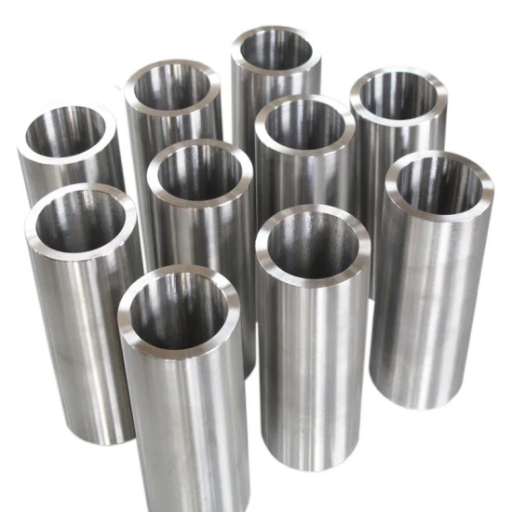
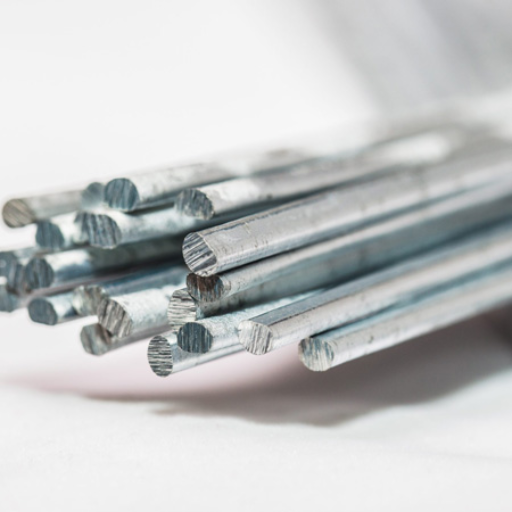
The difference between duplex and super duplex stainless steel comes down to corrosion margin and alloy content. Duplex 2205 (UNS S32205) handles moderate chloride service, chemical processing, and marine environments at roughly twice the strength of 316L. Super duplex 2507 (UNS S32750) steps up to the most aggressive conditions, sour gas, seawater, subsea, and high-pressure chloride service, where the cost of failure justifies a higher alloy premium.
Choosing the wrong grade can either waste your material budget or put your project at risk. We see this decision constantly in RFQs from offshore, chemical, and desalination projects. Engineers know duplex outperforms austenitic grades in chloride service, but the line between standard duplex and super duplex is often blurred by suppliers using imprecise marketing labels. This guide gives you a side-by-side comparison of composition, mechanical properties, PREN, cost, and sourcing verification, so you can specify with confidence.
Key Takeaways
- Duplex 2205 (UNS S32205) is the workhorse grade for moderate chloride service; super duplex 2507 (UNS S32750) is specified for severe chloride, seawater, and sour service.
- PREN values separate the grades: 2205 ≈ 34–36; 2507 ≈ 40–43; 316L ≈ 24–26.
- Yield strength runs ~450 MPa for 2205 and ~550 MPa for 2507, enabling thinner-wall designs than 316L.
- Super duplex typically costs 1.5–2x duplex 2205; specify it only when service conditions justify the premium.
- Verify the delivered grade by checking nitrogen content, PREN, ferrite content, and NACE MR0175 compliance on the MTR.
What Is Duplex Stainless Steel?

Duplex stainless steel gets its name from a two-phase microstructure containing roughly equal amounts of ferrite and austenite. This phase balance gives duplex grades approximately twice the yield strength of standard austenitic stainless steels like 316L, together with superior resistance to chloride stress corrosion cracking and pitting corrosion.
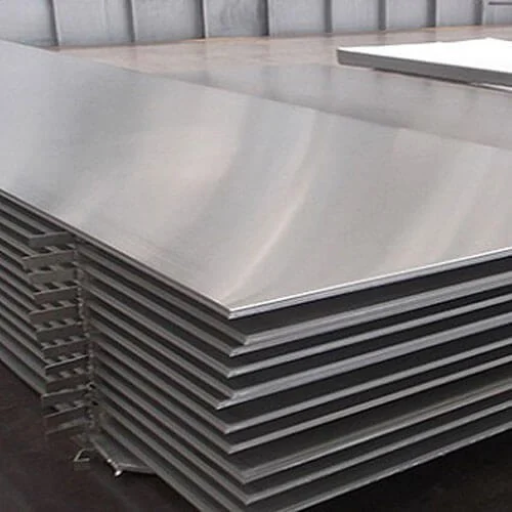
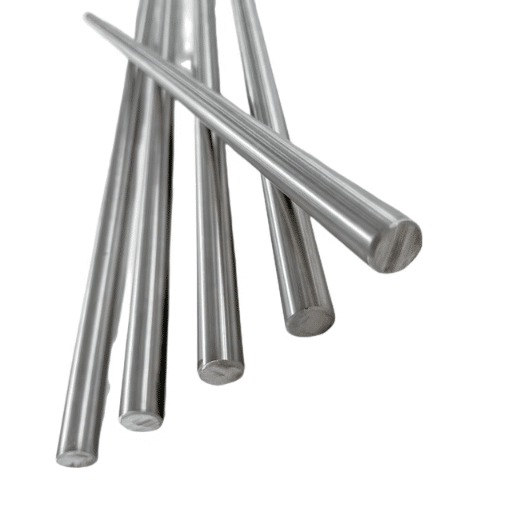
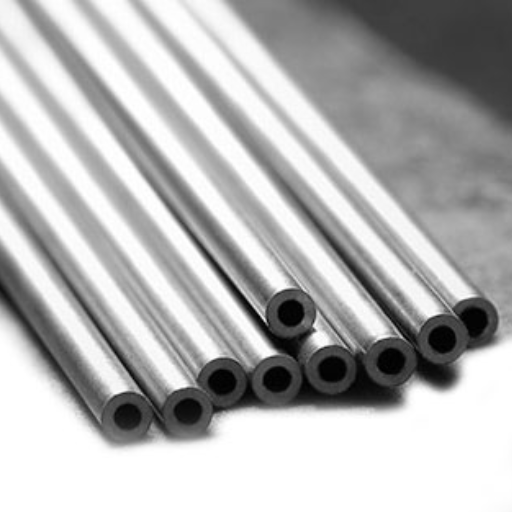
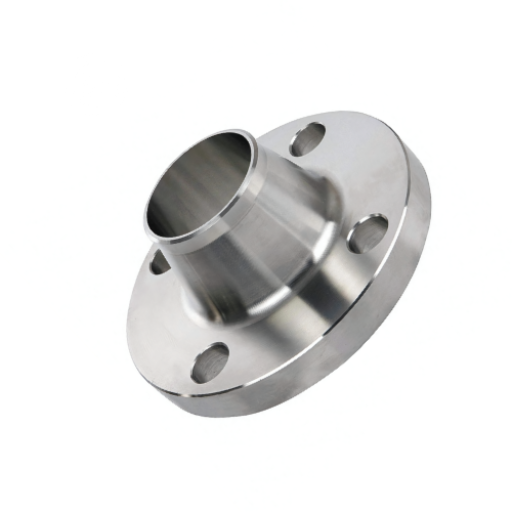
The most common duplex grade is 2205, designated UNS S32205 for the modern nitrogen-controlled composition and UNS S31803 for the older specification. At Zhongzheng, we produce duplex 2205 seamless and welded pipe, tube, fittings, and flanges for chemical, marine, and desalination projects.
The standard duplex family also includes lean duplex grades such as LDX 2101 and 2304. These lower-alloy grades reduce cost for structural and light chloride service but do not match the corrosion resistance of 2205. For a complete overview of the duplex family, see our complete duplex stainless steel guide.
What Is Super Duplex Stainless Steel?
Super duplex stainless steel is a higher-alloy branch of the duplex family. The most widely specified super duplex grade is 2507, also known as UNS S32750. A related grade, UNS S32760, contains tungsten and slightly different chemistry but offers a similar PREN and service envelope.
Super duplex 2507 contains roughly 25% chromium, 7% nickel, 4% molybdenum, and 0.27% nitrogen. That chemistry pushes its PREN above 40, compared to roughly 34–36 for duplex 2205. The result is a material that resists pitting and crevice corrosion in hot, chloride-rich environments where standard duplex would operate closer to its limit.
We manufacture super duplex stainless steel pipe for offshore platforms, sour gas production, seawater systems, and high-pressure process piping. Super duplex is not a replacement for duplex 2205 in every application; it is a targeted upgrade when service severity or consequence of failure demands the extra margin.
Chemical Composition: Duplex vs Super Duplex
The difference between duplex 2205 and super duplex 2507 is visible in the alloy content. Higher chromium, molybdenum, and nitrogen increase corrosion resistance, while nickel stabilizes the austenite phase.
| Element | Duplex 2205 (UNS S32205) | Super Duplex 2507 (UNS S32750) |
|---|---|---|
| Chromium | 22.0–23.0% | 24.0–26.0% |
| Nickel | 4.5–6.5% | 6.0–8.0% |
| Molybdenum | 3.0–3.5% | 3.0–5.0% |
| Nitrogen | 0.14–0.20% | 0.24–0.32% |
| Manganese | ≤2.0% | ≤1.2% |
| Carbon | ≤0.030% | ≤0.030% |
Chromium forms the passive film that protects against general corrosion. Molybdenum improves resistance to pitting and crevice attack. Nitrogen strengthens the austenite phase, increases yield strength, and contributes directly to PREN. This is why nitrogen content is one of the first values a buyer should check on a material test report, it is the simplest guard against receiving a lower-grade substitution.
Mini-Story, The Grade Substitution Catch
A procurement manager for a Middle Eastern chemical plant received a quote for super duplex 2507 pipe that was 25% below market. He requested the MTR before placing the order. The nitrogen content was 0.12%, below the 0.24% minimum for UNS S32750 and closer to duplex 2205 chemistry. The supplier admitted the material was mislabeled 2205. The buyer avoided a specification failure by verifying nitrogen before order placement.
Mechanical Properties Comparison
Both duplex and super duplex grades derive strength from their dual-phase structure. The higher alloy content of super duplex 2507 also raises its mechanical performance above that of duplex 2205.
| Property | 316L | Duplex 2205 | Super Duplex 2507 |
|---|---|---|---|
| Yield Strength (MPa) | ~205 | ~450 | ~550 |
| Tensile Strength (MPa) | ~515 | ~620 | ~800 |
| PREN | 24–26 | 34–36 | 40–43 |
The higher yield strength of both duplex grades allows thinner-wall designs than 316L for the same pressure rating. Super duplex 2507 enables the thinnest walls of the three, which is valuable in subsea and offshore applications where weight and installation cost matter.
However, higher strength also means higher springback during bending and stricter welding procedure requirements. Super duplex is less forgiving than duplex 2205 in fabrication, and heat input must be controlled to preserve the phase balance.
PREN and Corrosion Resistance
PREN stands for Pitting Resistance Equivalent Number. It is the quickest way to compare chloride corrosion resistance across stainless steel grades.
The formula is:
PREN = %Cr + 3.3(%Mo) + 16(%N)
For duplex 2205:
22 + 3.3(3) + 16(0.15) ≈ 34.9
For super duplex 2507:
25 + 3.3(4) + 16(0.27) ≈ 42.8
PREN values tell the story. 316L sits around 24–26, which is adequate for many atmospheric and low-chloride applications but marginal in seawater. Duplex 2205 at 34–36 is generally reliable in seawater and chemical service up to moderate temperatures. Super duplex 2507 above 40 is the preferred choice for hot seawater, sour service, and subsea equipment where any pitting event would be catastrophic.
This does not mean super duplex is “better” in every sense. It means super duplex has a larger corrosion margin. If your service conditions do not approach the limit of 2205, the super duplex premium may add cost without adding value.
Applications: Where Each Grade Wins

Duplex 2205 and super duplex 2507 overlap in some applications, but each has a clear sweet spot.
Duplex 2205 Applications
- Chemical process piping and heat exchangers
- Marine seawater cooling and ballast systems
- Desalination reverse osmosis and brine service
- Pulp and paper digesters and bleach plants
- Structural and pressure vessel components
Super Duplex 2507 Applications
- Offshore oil and gas production and subsea flowlines
- Sour gas service with H2S and CO2
- Seawater injection and firewater systems
- High-chloride chemical processes at elevated temperature
- Deepwater umbilical, riser, and manifold systems
| Service Condition | Recommended Grade | Reason |
|---|---|---|
| Low chloride, cost-sensitive | 316L | Lowest initial cost |
| Moderate chloride, chemical service | 2205 | Cost-effective duplex performance |
| Seawater, subsea, sour service | 2507 | PREN > 40, maximum margin |
If you are specifying pipe for offshore or sour service, our duplex stainless steel pipe guide covers ASTM A790, NACE MR0175, and manufacturing method selection in more detail.
Cost Comparison and Selection Logic
Material cost is usually the first question procurement teams ask after corrosion resistance. Duplex 2205 typically costs 20–50% more than 316L. Super duplex 2507 typically costs 1.5–2x duplex 2205. Alloy surcharges move with nickel, chromium, and molybdenum prices, so exact ratios change with the market.
The right selection logic is not “always buy the best grade.” It is “buy the grade that matches the service condition with adequate margin.”
Specify super duplex 2507 when:
- Chloride concentration or temperature pushes 2205 close to its limit
- H2S is present and NACE MR0175 compliance is required
- The cost of replacement or downtime exceeds the material premium
- Subsea or offshore access makes repair impractical
Specify duplex 2205 when:
- Service conditions are well within 2205 capability
- Budget constraints require a cost-effective duplex solution
- Thinner-wall design benefits are needed but super duplex is overkill
Mini-Story, The Cost-Effective Desalination Choice
A desalination plant engineer in Southeast Asia considered super duplex 2507 for the high-pressure RO pumping system to maximize reliability. After reviewing chloride concentration, temperature, and historical 2205 performance in similar SWRO plants, the team selected duplex 2205. The corrosion margin was sufficient, and the material savings allowed investment in redundant pumps. Five years later, the 2205 piping remains free of chloride-induced pitting.
Standards and Compliance
Both duplex 2205 and super duplex 2507 are covered by the same family of ASTM and ASME standards, though the specified grade changes.
- ASTM A790 / ASME SA790: Seamless and welded ferritic/austenitic stainless steel pipe. Covers S32205 and S32750.
- ASTM A928 / ASME SA928: Welded duplex pipe made with filler metal.
- ASTM A789 / ASME SA789: Seamless and welded duplex tubing for heat exchanger and instrumentation applications.
- ASTM A182 / ASME SA182: Forged fittings and flanges, including F51 for duplex 2205 and F53 for super duplex 2507.
- NACE MR0175 / ISO 15156: Sour service qualification, including hardness limits for H2S-containing environments.
- ASTM A923: Detection of detrimental intermetallic phases in duplex stainless steels.
For sour service, both grades must meet the hardness limit of 32 HRC maximum specified by NACE MR0175. This makes heat treatment and welding procedure control essential.
Quality Verification When Sourcing

Whether you buy duplex 2205 or super duplex 2507, verification follows the same principle: confirm the chemistry, confirm the mechanical properties, and confirm the phase balance.
Spectrographic Composition Verification
Every heat should be checked for chromium, nickel, molybdenum, nitrogen, and carbon. Nitrogen is especially important because it is the cheapest way to distinguish a genuine super duplex from a lower-grade substitution.
Ferrite Content Documentation
Solution-annealed duplex grades should show 35–65% ferrite, with 40–60% typical for optimal properties. Ask for the measurement method, Feritscope or metallographic per ASTM E562.
Mechanical and Corrosion Testing
Request tensile, yield, hardness, and impact test results. For severe service, add ASTM A923 intermetallic phase testing to confirm no sigma phase or chi phase is present.
MTR Documentation Checklist
- Chemical composition, including nitrogen
- Mechanical properties
- Heat treatment records
- Ferrite content measurement
- NACE MR0175 compliance statement (if sour service)
- Third-party inspection report (if specified)
At Zhongzheng, we provide full MTR documentation for every duplex and super duplex order. Our seamless stainless steel pipe and welded stainless steel pipe production lines include imported spectrometers, ultrasonic flaw detectors, and hydraulic testing equipment, so the MTR reflects what is physically in the pipe, not just what was ordered.
Mini-Story, The North Sea Subsea Upgrade
A subsea engineering team evaluated duplex 2205 for a seawater injection manifold in the North Sea. The operating temperature, chloride concentration, and presence of H2S pushed the service envelope close to 2205’s limit. After running a lifecycle cost model, the project engineer specified super duplex 2507. The material cost increased by roughly 60%, but the elimination of a planned corrosion monitoring program and the avoided risk of subsea replacement justified the premium within the first five years of operation.
Frequently Asked Questions
What is the difference between duplex and super duplex stainless steel?
Super duplex stainless steel contains more chromium, nickel, molybdenum, and nitrogen than standard duplex. This raises its PREN above 40, compared to roughly 34–36 for duplex 2205, giving it better corrosion resistance in severe chloride, seawater, and sour service.
Is super duplex better than duplex 2205?
Super duplex is better for severe service, but duplex 2205 is the smarter choice for moderate chloride applications. Specify super duplex only when the service condition or consequence of failure justifies the higher cost.
What is PREN and why does it matter?
PREN is the Pitting Resistance Equivalent Number, calculated as %Cr + 3.3(%Mo) + 16(%N). It predicts resistance to pitting and crevice corrosion in chloride environments. Higher PREN means better corrosion margin.
When should I specify super duplex 2507 instead of duplex 2205?
Specify super duplex 2507 for hot seawater, sour gas with H2S, subsea equipment, high-pressure chloride service, or any application where the cost of failure exceeds the material premium.
What is the cost difference between duplex 2205 and super duplex 2507?
Super duplex 2507 typically costs 1.5–2x duplex 2205. Duplex 2205 itself costs roughly 20–50% more than 316L. Exact pricing depends on alloy surcharges and product form.
What ASTM standard covers duplex and super duplex pipe?
ASTM A790 / ASME SA790 covers seamless and welded ferritic/austenitic stainless steel pipe for both duplex 2205 and super duplex 2507. ASTM A928 covers welded pipe with filler metal.
What is NACE MR0175 compliance for duplex grades?
NACE MR0175 / ISO 15156 sets hardness limits and qualification requirements for materials used in H2S-containing sour service. For duplex and super duplex grades, the typical maximum hardness is 32 HRC.
How do I verify genuine super duplex 2507 from a supplier?
Check the nitrogen content on the MTR, it must be 0.24% minimum for UNS S32750. Also verify PREN, ferrite content, and NACE compliance where applicable. Request third-party inspection if the order is critical.
Conclusion
The duplex vs super duplex stainless steel decision is really a corrosion-margin decision. Duplex 2205 delivers excellent chloride resistance and twice the strength of 316L for most chemical, marine, and desalination applications. Super duplex 2507 adds the extra alloy content and PREN margin needed for offshore, sour service, and subsea environments where failure is expensive or inaccessible.
The key is to match the grade to the service condition, verify the chemistry on the MTR, and source from a manufacturer with documented phase balance control and testing capability. Over-specifying 2507 wastes budget; under-specifying risks premature corrosion.
At Zhongzheng, we manufacture both duplex 2205 and super duplex 2507 seamless and welded pipe, fittings, and flanges from our Wenzhou facility. Send us your service conditions, dimensional requirements, and applicable standard, our technical team will confirm the right grade and return a detailed quotation within 24 hours.