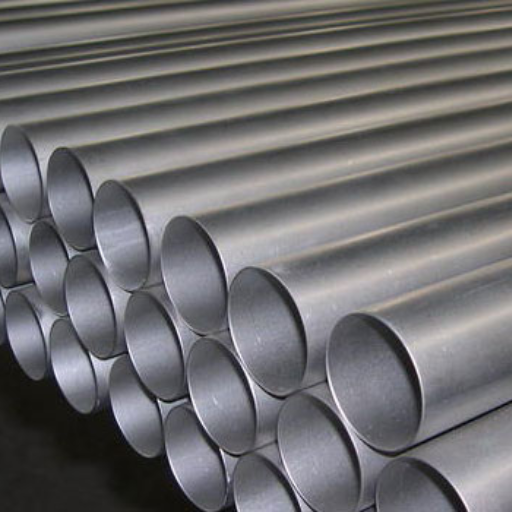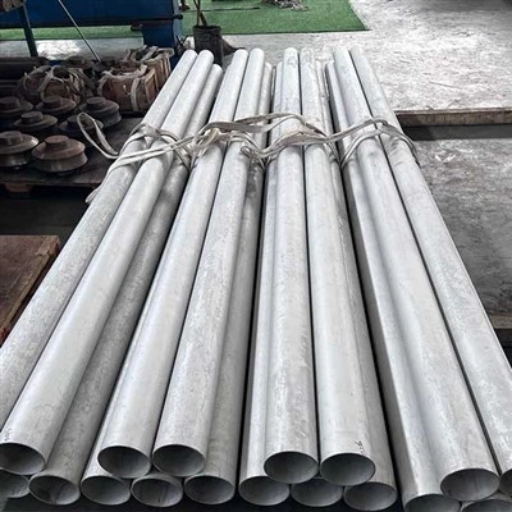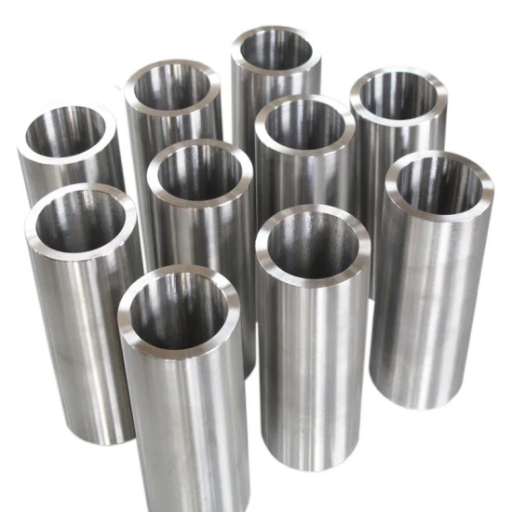
Inconel 625 pipe price per kg in 2026 runs about USD 50–90/kg for seamless (ASTM B444) and USD 35–65/kg for welded (ASTM B705) on an FOB China basis. Those are indicative bands, not a list price, and the number you receive will move with form, certification, quantity, and the day the quote is written.
A single price hides everything that matters. Two valid quotes for the same 2-inch Schedule 40S 625 pipe can sit 40% apart, and the raw-material floor explains most of that distance. Once you can see the floor, you can tell a fair quote from a padded one, and a plausible one from a bait price.
This guide is for procurement engineers, estimators, and buyers who have already chosen Inconel 625 and need to know what a fair number looks like. For the material specification itself, our Inconel 625 pipe specifications sit one level up; for the wider family, start with our complete nickel alloy pipe guide.
Want to benchmark a specific line before you go to market? Send us the form, OD × wall thickness × length and quantity, and our technical team will return a validity-dated 625 price with the raw-material basis shown.
Key Takeaways
- Inconel 625 pipe costs about USD 50–90/kg seamless (ASTM B444) and USD 35–65/kg welded (ASTM B705) in 2026, FOB China. Seamless runs roughly 1.5–2× welded for the same size.
- Raw material is over 60% of the finished price. The composition-to-cost floor is ≈ USD 18–22/kg, driven mostly by nickel (≈ USD 10.4/kg of the alloy).
- Molybdenum, not nickel, is 625’s 2026 swing risk. Mo hit an eight-year high in 2026 (bar to ~USD 91/kg), and 625 carries roughly 3× the molybdenum of Inconel 718.
- Nickel sensitivity is ~USD 0.55–0.65/kg for every USD 1,000/t move in the LME nickel price. A seamless quote below ~USD 45/kg in 2026 is below a plausible cost.
- 625 costs about 12–20× 316L and 5–9× super duplex 2507 per kg. Where 2507 survives the chloride and temperature envelope, it is the cheaper correct answer.
Inconel 625 Pipe Price Per Kg: What It Costs in 2026
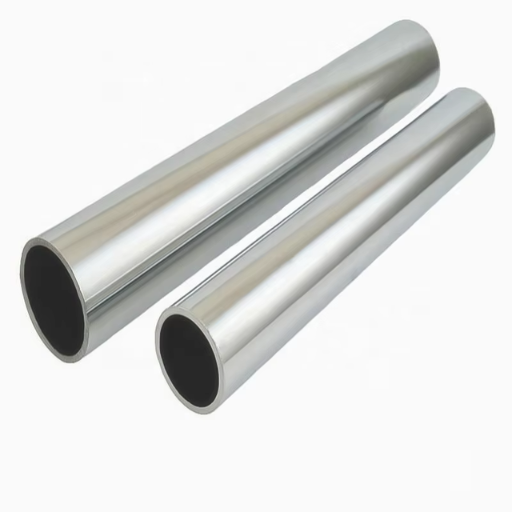
Price is form-specific. A “625 price” (also written Alloy 625, or UNS N06625) without a form and a standard is not usable for procurement, so every band below carries the ASTM or ASME specification it belongs to. All figures are indicative 2026 market bands assembled from published mill and stockist pricing, quoted FOB China, in USD per kilogram.
| Form | Standard | 2026 indicative (USD/kg) |
|---|---|---|
| Welded pipe | ASTM B705 / SB705 | 35–65 (typical 32–58 at 4″ Sch 40) |
| Welded pipe, high-volume, cheapest spec | ASTM B705 | from ~20–35 |
| Seamless pipe | ASTM B444 / SB444 | 50–90 (typical 55–85 at 2″ Sch 40) |
| Seamless tube | ASTM B444 | 60–95 (25.4 OD × 2.11 WT) |
| Round bar | ASTM B446 / AMS 5666 | 45–95 (China 45–55 → USA 70–95 by origin) |
| Plate / sheet | ASTM B443 | 40–45 |
| Fittings | ASTM B366 | 42–85 |
| Flanges | ASTM B564 | 56–99 |
Two rules govern how to read it. First, the band is a range, not a quote. Second, the standard travels with the band. A quote that says “625 pipe” and nothing else tells you nothing about whether you are buying welded B705, the cheaper product, or seamless B444, which is not.
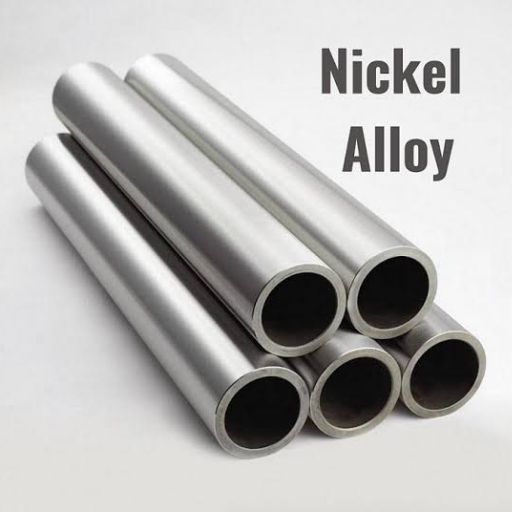
How much does Inconel 625 pipe cost per kg? In 2026, expect roughly USD 50–90/kg for seamless pipe to ASTM B444 and USD 35–65/kg for welded pipe to ASTM B705, FOB China. Seamless costs about 1.5–2× welded because of higher yield loss and the hydrostatic, ultrasonic and eddy-current testing the seamless route requires.
Why Inconel 625 Is So Expensive: The Raw-Material Floor
Inconel 625 is expensive for one reason that matters and several that follow from it: the alloy is mostly nickel, molybdenum and niobium, and raw material is more than 60% of the finished price. Most pages assert that number. Few show it. Here it is shown, line by line, so you can audit it against any input price you trust.
Composition → Cost, Line by Line
Take the nominal composition of 625 and multiply each element’s share by its 2026 input price. The result is the raw-material floor, the cost below which no legitimate process can deliver the alloy.
| Element | Share of alloy | 2026 indicative input price | Contribution (USD/kg) |
|---|---|---|---|
| Nickel (Ni) | ~61% | LME 2026 avg ≈ USD 17.0–17.75/kg | ≈ 10.4 |
| Chromium (Cr) | ~21.5% | ≈ USD 7–10/kg | ≈ 1.5–2.2 |
| Molybdenum (Mo) | ~9% | ≈ USD 60–90/kg | ≈ 5.4–8.1 |
| Niobium (Nb, +Ta) | ~3.65% | ≈ USD 55–65/kg | ≈ 2.0–2.4 |
| Raw-material floor | ≈ USD 18–22/kg |
That floor implies a mill-direct price for the very cheapest high-volume product at roughly USD 29–32/kg, before conversion, testing, packaging, freight and margin. It also sets a red line: a seamless pipe below about USD 45/kg in 2026 is below a plausible cost. A figure near USD 30/kg is credible only for the cheapest welded product at high volume.
This is the arithmetic worth keeping. The cost model outlives the prices: when the numbers move, you plug in new inputs and the floor recomputes.
The 2026 Twist: Molybdenum at an Eight-Year High
Here is what most 625 price pages miss while they fixate on nickel. Molybdenum reached an eight-year high in 2026, with the bar price near USD 91/kg by late August, up from about USD 68/kg in February; the Q1 2026 average was roughly USD 64/kg. That is a new input burden on 625 specifically, because 625 contains roughly three times the molybdenum of Inconel 718.
In 2025 the floor sat nearer USD 17–19/kg. The 2026 revision to USD 18–22/kg is an honest upward adjustment, not a change of method. Molybdenum is now the single largest upside risk to a 625 price, larger than nickel for this grade, and a buyer who only watches nickel is watching the wrong metal.
Does the Price of Inconel 625 Follow the Nickel Price?
Yes, and the relationship is direct enough to use as a rule of thumb. Because 625 contains about 61% nickel, every USD 1,000 per tonne move in the LME nickel cash price moves the alloy’s raw-material content by about USD 0.61/kg (roughly 4.3 CNY/kg). Round that to USD 0.55–0.65/kg per USD 1,000/t and you have a working sensitivity you can apply to any quote. The rule stays auditable: 61% nickel content × the LME move equals the alloy-content move, and the rest of the price follows the mill’s alloy surcharge.
2026 nickel has firmed. Analyst averages for the year cluster at USD 17,000–17,750/t (Goldman USD 17,200; Macquarie USD 17,750; Reuters poll USD 17,445), up from about USD 15,154/t in 2025, largely on Indonesia’s 2026 mining-quota cut. The intra-year 2026 band has been wide, roughly USD 15,500–22,000/t, and that firming is baked into today’s higher 625 quotes.
The practical takeaway is not to speculate on nickel. It is to insist on validity-dated quotes. A quote is a snapshot of a moving input, and the LME linkage in the alloy surcharge is the mechanism that moves it. Timing an order against a soft window can save 5–10% on the surcharge, and a quote without a date is a quote you cannot trust.
Form and Process: Seamless vs Welded vs Tube vs Bar vs Plate
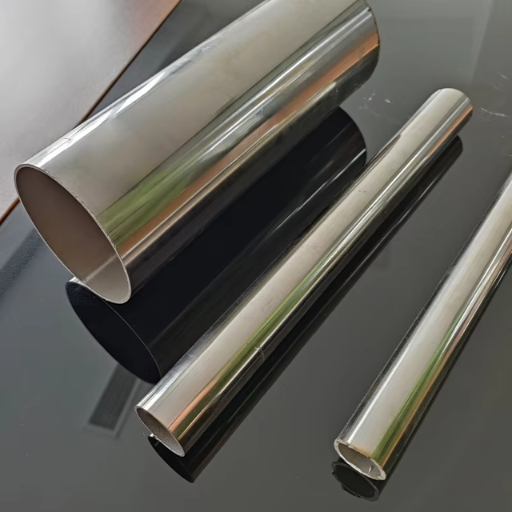
Form is the largest single swing in a 625 price after the alloy itself, and it is easy to miss because buyers compare a seamless quote to a welded quote without noticing.
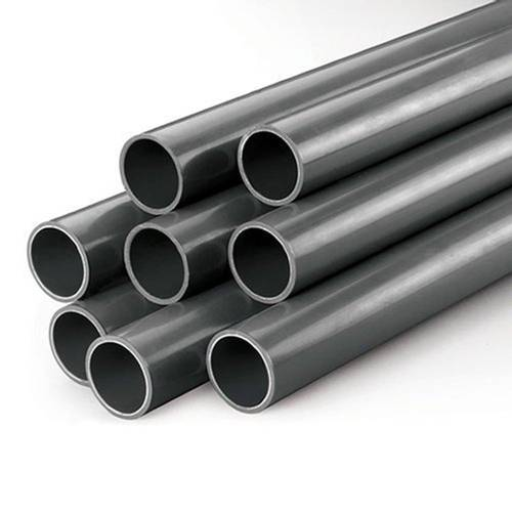
- Seamless (B444) runs about 1.5–2× welded (B705) for the same size. The premium pays for higher yield loss in piercing and for the hydrostatic, ultrasonic and eddy-current testing a seamless pressure product carries.
- Cold-drawn product adds 20–40% over welded pipe.
- Tube (B444) sits at the top of the pipe family, around USD 60–95/kg, because tighter tolerances and smaller sizes carry more processing per kilo.
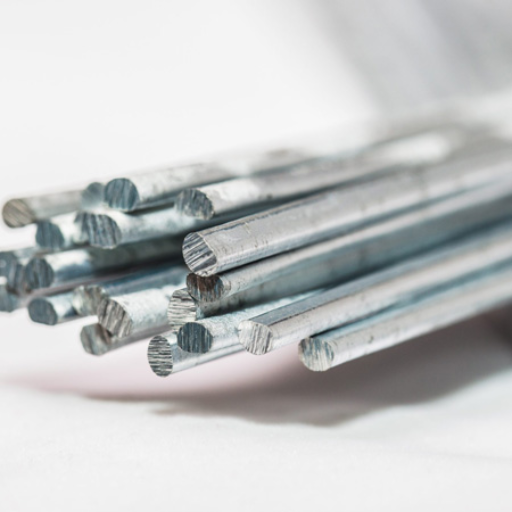
- Bar (B446 / AMS 5666) prices by origin: roughly USD 45–55/kg from China and USD 70–95/kg from the USA, the clearest single illustration of the origin premium.
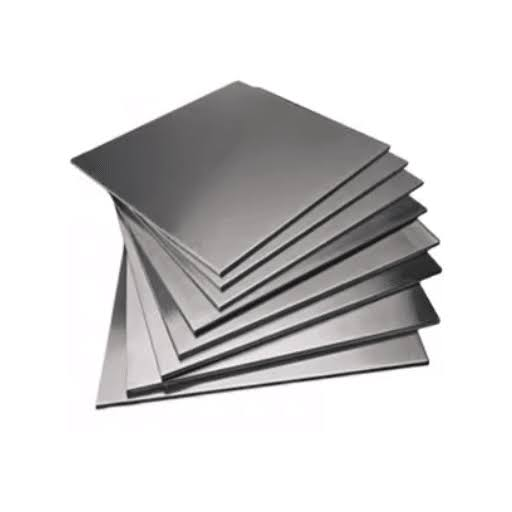
- Plate and sheet (B443) are the cheapest finished forms at around USD 40–45/kg, because flat product takes less conversion than a pierced or welded tube.
- Fittings (B366) and flanges (B564) carry machining and forging cost, which is why flanges top the table at USD 56–99/kg.
The decision is not “seamless is better.” It is whether the service requires a seamless pressure boundary. Where it does not, welded B705 is the correct and cheaper choice, and the price difference between the two answers the question.
The Factors That Move an Inconel 625 Quote
Beyond form and the alloy surcharge, four levers move a 625 quote in ways you control.
Certification and Documentation
Aerospace, nuclear and AMS-certified 625 carries a premium of 8–12%, and some sources quote 15–30%. Sour service to NACE MR0175 / ISO 15156-3 with EN 10204 3.2 documentation adds a further premium over a standard 3.1 Mill Test Report (MTR). Buy the certification the service requires, and only that; over-specifying certification is one of the most common ways to inflate a 625 line item.
Order Quantity and Lead Time
Volume breaks are real and steep. Moving from 100 kg to 500 kg saves about 10–15%; ordering 1,000 kg or more saves 15–25%. Lead time for specialty grades commonly runs 12–24 weeks, so a schedule that forces expediting will cost more than a planned order of the same material.
Region and Channel: Mill-Direct vs Distributor
Channel is often the largest avoidable cost. A Western distributor sits 30–60% above FOB China for the same alloy, and origin adds its own premium from China to Europe to the USA. Buying mill-direct does not remove the alloy surcharge, but it removes layers of margin that carry no metallurgical value.
Inconel 625 vs 316L vs Super Duplex 2507 vs Incoloy 825: Cost Comparison
The most useful question in a 625 budget is not “what does 625 cost” but “is 625 the grade I should be buying.” Put the alternatives on one table, priced per kg, and the answer is often a cheaper correct alloy rather than a discount on 625.
| Material | 2026 indicative pipe price (USD/kg) | Ratio to 625 (seamless) | Choose this when |
|---|---|---|---|
| 304 stainless | ~2.0–3.0 | ~20–30× | Mild, non-chloride service; PREN ~18 |
| 316L stainless | 2.45–4.30 | ~12–20× | General corrosion, no chloride stress cracking risk |
| Duplex 2205 | ~4–7 | ~10–15× | Chloride service to modest temperature |
| Super duplex 2507 | 8–12+ | ~5–9× | Chloride service within the 2507 envelope |
| Incoloy 825 | ~10–16 | ~3–5× | Reducing acids, moderate chloride; ASTM B423 |
| Inconel 625 | 50–90 (seamless), 35–65 (welded) | n/a (baseline) | Severe chloride, seawater, sour service to full envelope |
| Inconel 718 | ~60–100 (bar) | comparable–higher | Precipitation-hardened, high-strength |
| Hastelloy C-276 | ~80–130 | ~1.5× | Wet chlorine, most severe reducing service |
Below the duplex and 825 envelope, the cheaper grade is the correct buy, not a compromise. Super duplex S32750 handles chloride service within its envelope, and Incoloy 825 to ASTM B423 covers reducing-acid duty at roughly a third to a fifth of the 625 price. Where 625 is not required by the service, buying it is simply overpaying.
How Much Does 1 Metre of Inconel 625 Pipe Cost?
Buyers budget lines, not kilos, so convert the price. Take a common size: 2″ NPS, Schedule 40S, seamless 625, OD 60.3 mm, wall 3.91 mm. Using the alloy density of 8.42 g/cm³, the mass is about 5.72 kg/m.
At USD 55–85/kg, that gives an Inconel 625 price per meter (per metre) of roughly USD 315–485. A standard 6-metre random length lands at about USD 1,900–2,900. Both figures carry the same caveats as the bands they come from: they are indicative, FOB China, and validity-dated.
The dimensional basis is the same one behind our nickel alloy pipe weight chart. Check any per-metre figure you are given against the weight of the size you ordered, because a per-metre price built on a lighter wall thickness is not a cheaper pipe; it is a thinner one.
How to Read and Challenge an Inconel 625 Quote
A credible 625 quote is built, not guessed. It has a validity date, an alloy-surcharge basis tied to the LME nickel price, and separate line items for base price, conversion, testing and finish. If you cannot see those components, you cannot compare two quotes, because you are comparing two summaries of hidden inputs.
The legitimate levers are the ones in this article: form (seamless versus welded), volume, certification level, and timing. None of them require the supplier to lose money, which is why they are the levers that survive scrutiny.
Two red flags end the conversation. When either appears, the answer is verification: a Mill Test Report and a positive material identification (PMI) check at receiving.
- A price below the raw-material floor is not a bargain. It usually means the material isn’t 625, or is an off-chemistry melt, or is a different grade carrying the 625 name.
- An undated quote with no standard cited can’t be validated at all, because you can’t tell whether you’re buying welded B705 or seamless B444.
The qualification route behind that scrutiny is covered in how to qualify a nickel alloy supplier.
Lifecycle Cost: Why the Cheapest Quote Is Not Always the Lowest Cost
The lowest per-kg quote is not the lowest project cost. Recompute on installed cost: the pipe, welding, inspection, corrosion allowance, and maintenance interval over the design life.
Super duplex 2507 illustrates the point. Its yield strength is about 2.7× that of 316L, so wall thickness can often drop 30–50%, narrowing the per-project gap to 625 well below what the per-kg table suggests. On a 60 °C chloride line where 2507 survives the envelope, it is the cheaper correct answer even after fabrication. Where the service demands 625’s full corrosion envelope at high temperature, the higher price is the cost of the only alloy that will last.
Frequently Asked Questions
How much does Inconel 625 pipe cost per kg?
In 2026, about USD 50–90/kg for seamless pipe to ASTM B444 and USD 35–65/kg for welded pipe to ASTM B705, FOB China. Seamless runs roughly 1.5–2× welded for the same size.
Why is Inconel 625 so expensive?
Raw material is over 60% of the finished price, and the alloy is mostly nickel, molybdenum and niobium. Nickel alone contributes about USD 10.4/kg, giving a composition-to-cost floor of roughly USD 18–22/kg before conversion and margin.
What is the raw material cost of Inconel 625?
About USD 18–22/kg in 2026: nickel (~61% × ~USD 17/kg) is the largest share at ~USD 10.4/kg, followed by molybdenum (~9%) at USD 5.4–8.1/kg, with chromium and niobium making up the balance.
Does the price of Inconel 625 follow the nickel price?
Yes. Each USD 1,000/t move in the LME nickel price moves the alloy’s raw-material content by about USD 0.61/kg, so use ~USD 0.55–0.65/kg per USD 1,000/t as a working rule.
Is Inconel 625 more expensive than super duplex 2507?
Yes, about 5–9× per kg. But 2507’s higher yield strength allows 30–50% thinner walls, narrowing the project gap. Where 2507 holds the service envelope, it is the cheaper correct answer.
Is Inconel 625 more expensive than 316L?
Yes, roughly 12–20× per kg. 316L is the right choice for general corrosion service without a chloride stress-cracking risk; 625 is not a substitute for correct grade selection.
Why did Inconel 625 get more expensive in 2026?
Molybdenum reached an eight-year high, and 625 carries about 3× the molybdenum of Inconel 718. Combined with firming LME nickel, both input metals lifted the raw-material floor.
How long is an Inconel 625 price quote valid?
A credible quote is validity-dated, often 3–7 days for specialty grades, because the alloy surcharge tracks the LME nickel price. Treat any undated quote as unverifiable.
Can I negotiate the price of Inconel 625 pipe?
Yes, on legitimate levers: form (seamless vs welded), volume (500 kg+ saves 10–15%, 1,000 kg+ saves 15–25%), certification level, and timing against a soft surcharge window.
Conclusion and Next Step
Inconel 625 pipe price per kg in 2026 sits at about USD 50–90/kg seamless and USD 35–65/kg welded FOB China, with raw material over 60% of the cost. The floor is the thing to hold onto: roughly USD 18–22/kg, mostly nickel, with molybdenum now the swing risk that competitors fixated on nickel do not flag. Nickel sensitivity runs about USD 0.55–0.65/kg per USD 1,000/t, so always ask for a dated quote with the surcharge basis shown. And remember the honest answer to the common question: where 2507 or 825 holds the service, buying 625 is overpaying, not upgrading.
Send us your line list with form, OD × wall thickness × length, standard, quantity, and certification, and our technical team will return a validity-dated 625 pipe price with the raw-material basis shown within 24 hours. If you are still qualifying the grade, note that nickel-based alloy availability is confirmed case by case for specialist applications, so include your service conditions, and we will confirm what we can supply and document. You can also request a sample MTR and PMI record for a 625 heat to satisfy yourself before you commit.