Is copper magnetic? No. Copper is not magnetic in the way most people think. It does not stick to magnets like iron or steel. Instead, copper is diamagnetic. This means it weakly repels magnetic fields. You cannot magnetize copper. You cannot turn it into a permanent magnet.
This question matters to electricians, engineers, and hobbyists alike. If you work with electrical systems, MRI equipment, or electromagnetic shielding, you need to know how copper behaves around magnets. This guide explains the science in plain terms. You will learn why copper is not magnetic, how it still interacts with magnetic fields, and how to test it yourself.
Is Copper Magnetic? The Quick Answer

Copper is not magnetic. It belongs to a class of materials called diamagnetic materials.
Diamagnetic materials do not attract magnets. They actually push back — very weakly. You cannot feel this repulsion with your hand. You need sensitive lab equipment to measure it. But the effect is real.
Here is how copper compares to other metals:
| Metal Type | Behavior | Examples | Strength |
|---|---|---|---|
| Ferromagnetic | Strongly attracted to magnets | Iron, Nickel, Cobalt | Very strong |
| Paramagnetic | Weakly attracted to magnets | Aluminum, Platinum | Weak |
| Diamagnetic | Weakly repelled by magnets | Copper, Gold, Silver | Very weak |
Copper sits in the bottom row. It repels magnets instead of attracting them. This property makes copper invaluable for electrical wiring, MRI machines, and sensitive electronics.
Why Copper Is Not Magnetic
Electron Configuration Explained Simply
Magnetism starts with electrons. Every atom contains tiny particles called electrons. Electrons spin. This spin creates a tiny magnetic field.
In magnetic materials like iron, some electrons spin in one direction without a partner. These unpaired electrons line up with each other. They create a strong overall magnetic field. This is why iron sticks to magnets.
Copper atoms have 29 electrons. All of them are paired. Every spinning electron has a partner spinning in the opposite direction. The two spins cancel each other out. This leaves copper with no net magnetic moment.
Think of it like two dancers spinning in opposite directions. Their movements cancel each other out. The pair creates no overall spin.
What Is Diamagnetism?
Diamagnetism is a property of all materials. But in most materials, it is too weak to notice.
When you bring a magnet near copper, the copper generates a weak opposing magnetic field. This happens because the magnet pushes on copper’s electrons. The electrons respond by creating tiny currents. These currents flow in a direction that opposes the magnet.
This behavior follows Lenz’s Law. Lenz’s Law states that a conductor will always generate a field that opposes a changing magnetic field. Copper is an excellent conductor. So it shows this effect more clearly than most materials.
The repulsion is extremely weak. A strong neodymium magnet will not leap away from a copper plate. You need precision instruments to detect diamagnetism in copper.
Is Copper Magnetic? How It Interacts with Magnets
Copper does not attract magnets. But it does interact with them in fascinating ways.
Eddy Currents and Magnetic Braking
When a magnet moves near copper, something remarkable happens. The changing magnetic field induces circular currents inside the copper. These are called eddy currents.
Eddy currents create their own magnetic field. This field opposes the motion of the original magnet. The result is magnetic braking. The magnet slows down as it moves past copper.
Engineers use this effect in real-world applications:
- Train braking systems. Some high-speed trains use copper plates and magnets to create frictionless brakes.
- Gym equipment. Exercise bikes use magnetic resistance with copper or aluminum flywheels.
- Industrial conveyors. Magnetic braking controls the speed of moving parts without physical contact.
The Copper Tube Experiment
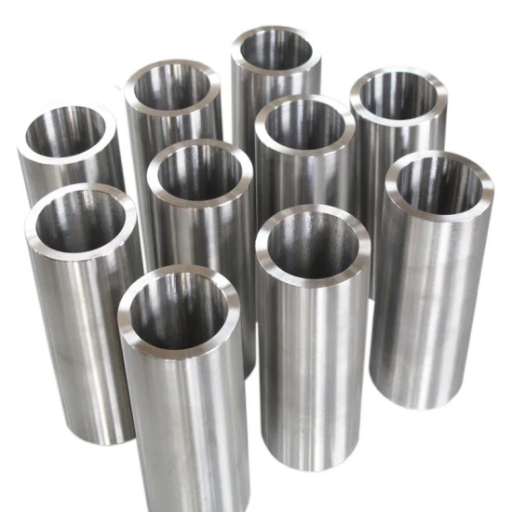
You can see copper’s interaction with magnets at home. You need only a strong neodymium magnet and a copper pipe.
Drop the magnet through the copper pipe. Watch carefully. The magnet falls much slower than it would through a plastic tube.
Why does this happen? As the magnet falls, it creates changing magnetic fields inside the copper walls. These fields generate eddy currents. The eddy currents create an opposing magnetic field. This field pushes back on the falling magnet and slows it down.
The magnet does not stick to the copper. It simply falls slowly. This experiment proves that copper interacts with magnetic fields even though it is not magnetic itself.
Copper vs. Magnetic Metals: How They Compare
| Property | Copper | Iron | Nickel |
|---|---|---|---|
| Magnetic Behavior | Diamagnetic (repelled) | Ferromagnetic (attracted) | Ferromagnetic (attracted) |
| Unpaired Electrons | None | 4 | 2 |
| Electrical Conductivity | Excellent | Poor | Moderate |
| Corrosion Resistance | Good | Poor (rusts) | Good |
| Common Uses | Wiring, electronics | Construction, motors | Alloys, batteries |
Copper and iron could not be more different when it comes to magnetism. Iron has four unpaired electrons per atom. These electrons line up easily with external magnetic fields. Nickel has two unpaired electrons. It behaves similarly to iron but with weaker magnetism.
Copper has zero unpaired electrons. This is why magnets ignore copper. It is also why people ask is copper magnetic — the answer is not what most expect.
Are Copper Alloys Magnetic?

Pure copper is never magnetic. But copper alloys can behave differently depending on what metals you mix in.
| Alloy | Composition | Magnetic? | Common Uses |
|---|---|---|---|
| Brass | Copper + Zinc | No | Hardware, valves, instruments |
| Bronze | Copper + Tin | No | Bearings, statues, marine fittings |
| Nickel-Silver | Copper + Nickel + Zinc | Slightly | Coins, plumbing, decorative items |
| Beryllium Copper | Copper + Beryllium | No | Springs, electrical contacts, tools |
| Monel | Copper + Nickel | Slightly | Marine hardware, chemical equipment |
Brass and bronze remain non-magnetic because zinc and tin are also non-magnetic. The copper keeps its diamagnetic properties.
Nickel-copper alloys are different. Nickel is ferromagnetic. When you mix nickel with copper, the alloy can show weak magnetic properties. The effect depends on the nickel content. Alloys with high nickel content attract magnets more strongly than alloys with low nickel content.
If you need completely non-magnetic fittings for sensitive equipment, specify pure copper or brass. Do not use nickel-copper alloys near magnetic instruments.
Simple Test: How to Check If Copper Is Magnetic
You do not need a laboratory to test copper. A simple magnet test tells you everything. If you still wonder is copper magnetic, this test will give you a clear answer.
What you need:
- A strong neodymium magnet
- A piece of copper wire, pipe, or sheet
- An iron nail (for comparison)
Steps:
- Hold the magnet near the iron nail. The nail jumps to the magnet. This confirms your magnet works.
- Hold the same magnet near the copper. Nothing happens. The copper does not move.
- For an advanced test, drop the magnet through a copper tube. Watch it fall slowly.
What the results mean:
- If the copper does not move, it is pure copper or a non-magnetic alloy.
- If the copper shows slight attraction, it may contain nickel or iron.
This test works for scrap metal identification, jewelry verification, and material selection for electrical projects.
Common Myths About Copper and Magnetism

Many people misunderstand how copper behaves around magnets. Let us clear up the most common myths.
Myth: Copper can become magnetic if you heat it.
Reality: Heat does not change copper’s electron structure. Copper remains diamagnetic at all normal temperatures. You would need to alter the atomic structure itself to make copper magnetic. This does not happen with simple heating.
Myth: Copper wires create magnetic fields.
Reality: Copper itself does not create magnetic fields. But electric current flowing through copper does create a magnetic field. This is how electromagnets work. The magnetic field comes from the moving electrons in the current, not from the copper atoms themselves.
Myth: All metals are magnetic.
Reality: Most metals are not magnetic. Only iron, nickel, cobalt, and some rare-earth metals are ferromagnetic. Copper, gold, silver, aluminum, and lead are all non-magnetic. Do not assume a metal is magnetic just because it is shiny.
Myth: Copper’s green patina is magnetic.
Reality: Copper oxide — the green coating that forms on old copper — is also diamagnetic. The patina does not change copper’s magnetic properties. It simply adds a protective layer.
Why Copper’s Non-Magnetic Nature Matters
Copper’s lack of magnetism is not a weakness. It is a valuable property.
Electrical wiring. Copper conducts electricity better than almost any metal. Its non-magnetic nature means it does not interfere with nearby magnetic components. This is critical in motors, transformers, and circuit boards.
MRI machines. MRI scanners use powerful magnets. Copper wiring inside MRI machines must not distort the magnetic field. Copper’s diamagnetic properties ensure clean imaging.
Electromagnetic shielding. Copper blocks electromagnetic interference without creating magnetic disturbances. This makes it ideal for shielding sensitive electronics.
Precision instruments. Scientific instruments need materials that do not drift in magnetic fields. Copper fixtures and wiring maintain accuracy in labs and observatories.
At Zhongzheng, we work with metals every day. We manufacture stainless steel pipe and tubing for applications where magnetic properties matter. Whether your project needs non-magnetic 316L stainless steel for MRI environments or electropolished tubing for sensitive electronics, our technical team will confirm the right grade and specification within 24 hours.
Frequently Asked Questions
Is copper magnetic at all?
No. Copper is diamagnetic, which means it weakly repels magnetic fields. It does not attract magnets. It cannot be magnetized. The repulsion is so weak that you cannot feel it without sensitive instruments.
Why does a magnet fall slowly through a copper tube?
The moving magnet creates changing magnetic fields inside the copper. These fields generate eddy currents in the copper walls. The eddy currents create an opposing magnetic field that pushes back on the magnet. This opposition slows the magnet’s fall.
Is brass magnetic?
No. Brass is an alloy of copper and zinc. Both metals are diamagnetic. Brass does not attract magnets and cannot be magnetized.
Is bronze magnetic?
No. Bronze is an alloy of copper and tin. Both metals are non-magnetic. Bronze behaves the same as pure copper when exposed to magnets.
Can any copper alloy be magnetic?
Yes. Alloys that contain nickel or iron can show weak magnetic properties. Nickel-copper alloys like Monel attract magnets weakly because nickel is ferromagnetic. The higher the nickel content, the stronger the magnetic response.
Does temperature affect copper’s magnetism?
No. Copper remains diamagnetic across all normal temperature ranges. Heating or cooling copper does not change its electron pairing. The metal will not become magnetic at any temperature you can achieve with standard equipment.
Conclusion
So, is copper magnetic? No. Copper is diamagnetic. It does not stick to magnets. It cannot be turned into a magnet. Its electrons are all paired, which cancels out any magnetic pull.
However, copper does interact with magnetic fields in useful ways. Eddy currents inside copper can slow moving magnets. This effect powers magnetic brakes in trains and exercise equipment. Copper’s non-magnetic nature also makes it perfect for electrical wiring, MRI machines, and electromagnetic shielding.
Understanding these properties helps you choose the right metal for your project. If you need non-magnetic materials for sensitive equipment, pure copper, brass, and bronze are safe choices. If you need corrosion-resistant stainless steel pipe for industrial applications, contact Zhongzheng. Our team manufactures ASTM- and ASME-certified tubing and pipe to exact specifications. Send us your requirements and we will confirm grade, dimensions, and delivery within 24 hours.
Sources
- National Institute of Standards and Technology (NIST), “Electrical Resistivity of Copper” — standard reference data for copper conductivity
- University of Maryland Physics Department, “Diamagnetism and Paramagnetism” — explanation of electron pairing and magnetic behavior