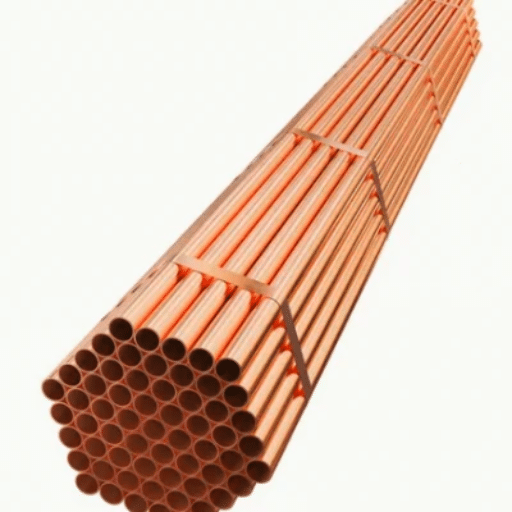
High-Quality Water Supply Copper Tubes for Reliable Plumbing Solutions
When it comes to building a reliable plumbing system, the choice of materials is crucial. Copper tubing stands out as a popular choice due to its durability and efficiency. In this guide, we delve into the various types of copper pipes available for your water supply needs, ensuring you select the best option for your plumbing projects.
Overview of Copper Plumbing
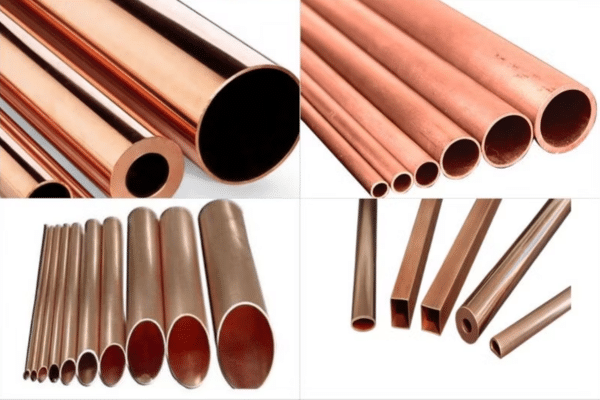
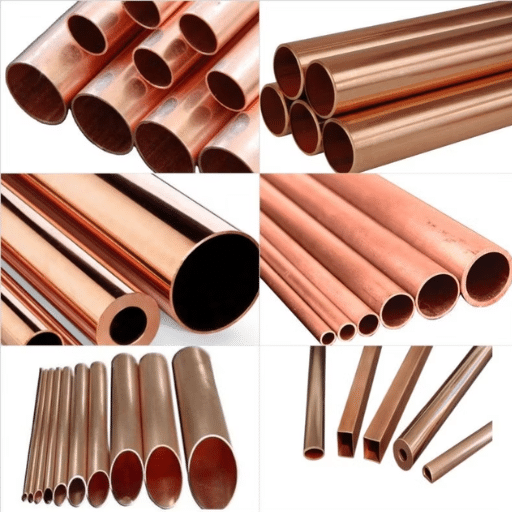
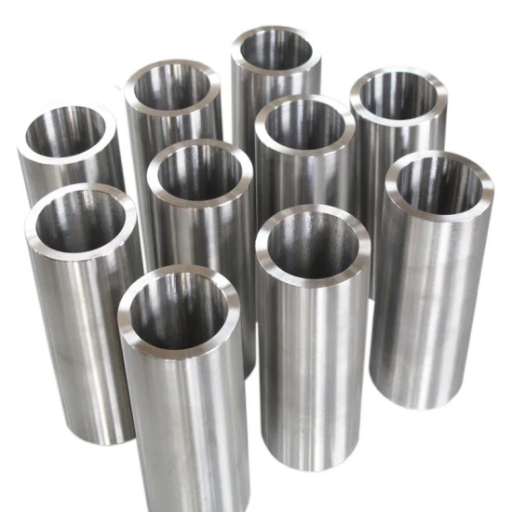
Copper plumbing has been a staple in construction because of its longevity and ability to withstand high water pressure. This type of plumbing involves the use of copper pipes, known for their robustness and resistance to corrosion. Copper tubing is not only used in plumbing but also in heating and cooling systems, making it a versatile choice for various applications.
Features and advantages of the Water Supply Copper Tube
Copper pipes provide a safe and reliable method for joining copper pipes, ensuring leak-free water supply lines.
Durability
Copper tubing is renowned for its exceptional durability and longevity, making it an ideal choice for various plumbing applications. The inherent strength of copper allows it to withstand high water pressure without compromising its structural integrity.
Long service life
Unlike plastic pipes, copper pipes do not easily degrade over time, providing a long-lasting solution for water supply systems. This durability is especially beneficial in environments where the water system experiences frequent use and varying temperatures, ensuring that the plumbing system remains reliable for decades.
Corrosion Resistance
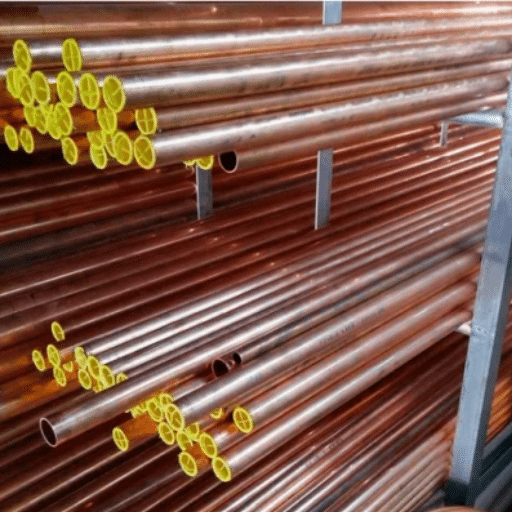
One of the standout features of copper tubing is its remarkable resistance to corrosion. This property is crucial for maintaining the quality and safety of potable water. Copper naturally forms a protective patina on its surface when exposed to water, which acts as a barrier against corrosive elements.
Thermal Conductivity
The excellent thermal conductivity of copper makes it a preferred material for use in plumbing systems that involve hot water applications. Copper's ability to efficiently transfer heat ensures that water heaters and heating systems operate more effectively, reducing energy consumption.
Detailed Specifications of Water Supply Copper Tube
| Specification | Details |
|---|---|
| Material | High-quality copper (99.9% purity) |
| Diameter Range | 6mm to 108mm (customizable based on requirements) |
| Wall Thickness | 0.5mm to 3mm (varies by application and pressure needs) |
| Length | Standard lengths: 3m, 6m, or customized as per project needs |
| Pressure Rating | Up to 200 psi (varies based on diameter and wall thickness) |
| Temperature Range | -196°C to 250°C (suitable for both hot and cold water systems) |
| Surface Finish | Smooth, polished, or coated (optional for additional corrosion resistance) |
| Standards Compliance | ASTM B88, EN 1057, ISO 9001 certified |
| Connection Type | Compatible with soldering, brazing, or compression fittings |
| Corrosion Resistance | Excellent resistance to rust, scaling, and chemical reactions |
| Applications | Residential, commercial, and industrial water supply systems |
| Recyclability | 100% recyclable, eco-friendly material |
Factors to Consider When Selecting Water Supply Copper Tube
- When selecting copper tubing for your plumbing system, it is essential to consider factors such as the type of copper pipe, water pressure requirements, and the specific application.
- Copper pipe types, including Type K, L, and M, each offer unique properties.
- For instance, Type K copper, with the thickest pipe wall, is ideal for underground water supply lines, while Type L copper is versatile and commonly used in interior plumbing.
- Assessing these factors ensures you choose an appropriate pipe that meets your system's demands effectively and efficiently.
- For potable water systems, using copper pipes like Type L or Type M can ensure durability and safety. Additionally, evaluating the need for rigid copper versus flexible copper tubing can influence the type of pipe that will work best for your specific application.
Applications of Water Supply Copper Tube
Kitchen faucets and sinks
Marine Applications
Public Infrastructure
Industrial Water Systems
Latest Blog Posts
Explore our comprehensive resources, including industry insights, application guides, and technical expertise to support your projects.
Get Started with Your Copper Plumbing Project
If you’re looking to upgrade your plumbing pipes, now is the time to choose copper. Whether you need rigid copper or soft copper, ensure that your project meets all necessary standards for water supply lines.Contact our plumbing services today for expert advice on the best copper pipe for plumbing that suits your needs!
Frequently Ask Questions
Q: What are the different types of copper pipes used for water supply?
A: There are several main types of copper pipes, including Type K, Type L, and Type M. Type K copper pipe is known for its thicker walls and is commonly used in underground installations. Type L copper pipe is widely used for residential plumbing and offers a good balance of strength and flexibility. Type M copper pipe has thinner walls and is typically used for less demanding applications, such as water supply lines in homes. Each type serves specific purposes based on the plumbing requirements.
Q: How does using copper tubing benefit plumbing systems?
A: Copper tubing is generally favored in plumbing systems due to its durability and resistance to corrosion. It is used to distribute water effectively and can handle high temperatures and pressures. Additionally, copper plumbing pipes have proven to be long-lasting, making them a reliable choice for both residential and commercial plumbing applications. Its ability to be easily shaped and connected with copper fittings also enhances its versatility in various installations.
Q: What are the cons of using copper plumbing pipes?
A: While copper plumbing pipes offer many advantages, there are some cons to consider. The cost of copper is typically higher than that of alternative materials, such as PVC or PEX tubing. Additionally, copper pipes can be susceptible to pipe corrosion, especially in areas with acidic water. Another consideration is the potential for theft due to the high value of copper metal. Homeowners should weigh these factors against the benefits before deciding on using copper plumbing pipes.
Q: How can I connect copper pipes with fittings?
A: Connecting copper pipes with fittings is a straightforward process. You can use soldering, which involves heating the joint and adding solder to create a strong, leak-proof bond. Alternatively, you can use push-fit connectors for an easier installation without the need for soldering. It’s important to clean the copper surfaces before connecting to ensure a good seal. Always ensure that the fittings you choose are compatible with the type of copper pipe being used.
Q: Can soft copper be used for residential plumbing?
A: Yes, soft copper is often used in residential plumbing applications. It is flexible, making it easy to install in tight spaces and around corners. Soft copper is commonly used for water supply lines and can be easily shaped to fit various plumbing configurations. However, it is important to consider the specific requirements of your plumbing system, as soft copper may not be suitable for high-pressure applications.
Q: What is the significance of pipe size in water supply lines?
A: Pipe size is crucial in water supply lines as it directly affects the flow rate and pressure of the water. Using the appropriate pipe size ensures that your plumbing system operates efficiently and minimizes the risk of leaks or bursts. Typically, larger diameter pipes are used for main supply lines, while smaller pipes are suitable for branch lines. Proper sizing helps in maintaining optimal water pressure throughout the plumbing system.